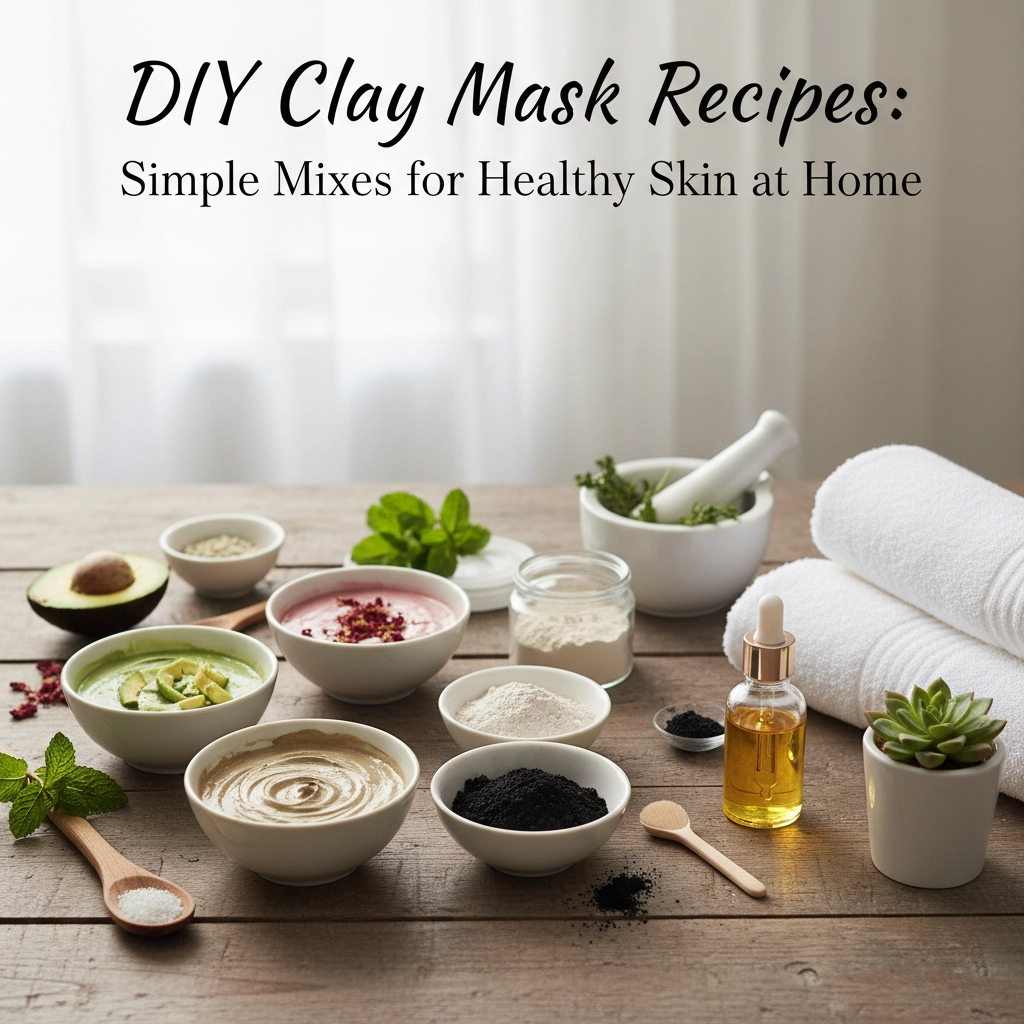
Making your own clay masks at home is one of the best ways to achieve professional-grade skincare results without breaking the bank. You'll know exactly what's going on your skin, and you can customize each recipe to match your specific needs. Plus, it's actually pretty fun once you get the hang of it.
The key to great DIY clay masks is starting with high-quality clay and understanding which ingredients work best for your skin type. Let's dive into some tried-and-tested recipes that deliver real results.
The Foundation: Choosing Your Clay
Before we jump into recipes, let's talk about clay selection. Not all clays are created equal, and this matters more than you might think. Studies show that some commercial clays can contain concerning levels of heavy metals, which is why choosing certified, tested products is crucial.
French green clay stands out as the gold standard for DIY masks. It's rich in minerals like montmorillonite, which gives it superior absorption properties. Brands like Clayer have set the bar high with their comprehensive testing and certifications, while other options include Aztec Secret for bentonite clay.
Basic Two-Ingredient Recipes
Classic Apple Cider Vinegar Clay Mask
This is your starter recipe – simple, effective, and great for most skin types.
What you need:
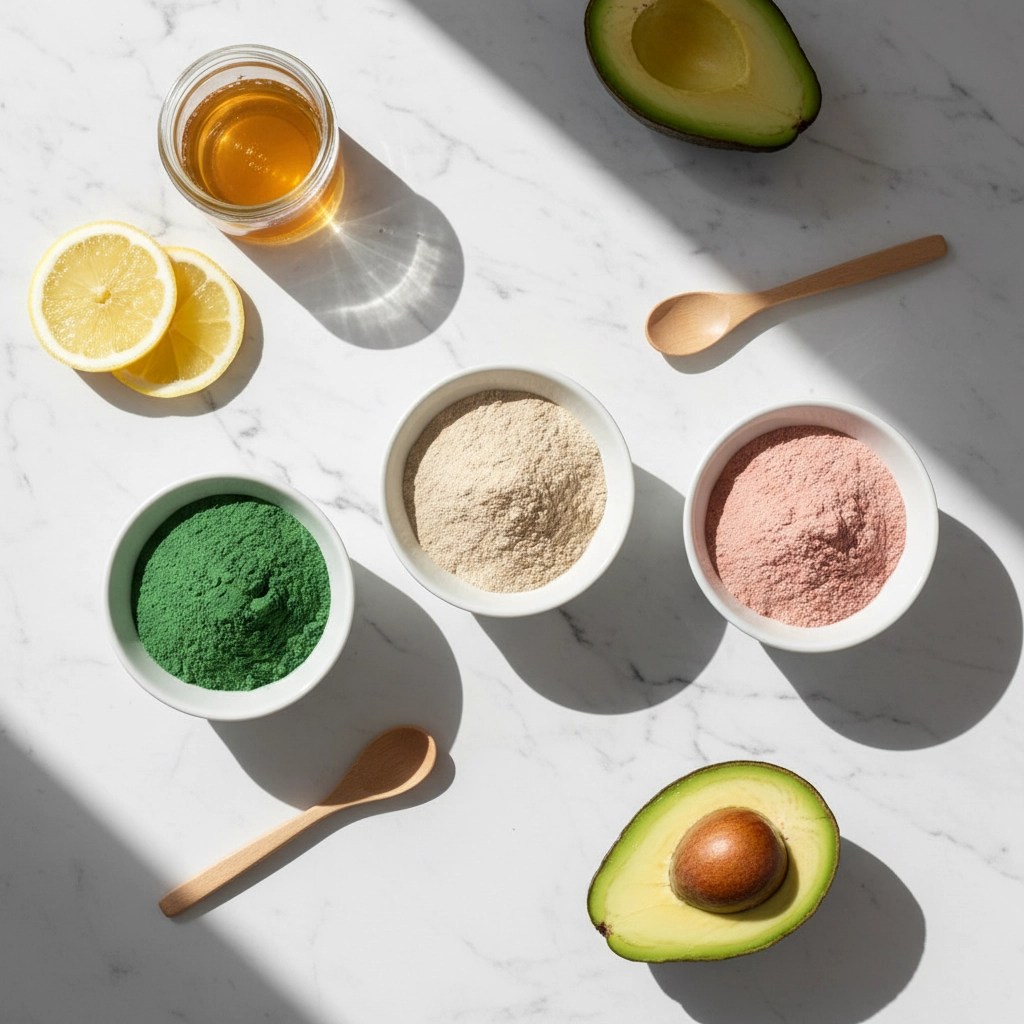
- 2 tablespoons French green clay or bentonite clay
- 2 tablespoons raw apple cider vinegar
- Non-metal bowl and wooden spoon
How to make it:
- Put clay in your non-metal bowl (metal can mess with the clay's ionic charge)
- Slowly add apple cider vinegar while stirring
- Mix until you get a smooth, yogurt-like consistency
- Apply to clean skin, avoiding the eye area
- Let it sit for 10-15 minutes until it starts to crack
- Rinse with lukewarm water
The apple cider vinegar balances your skin's pH while the clay pulls out impurities. If you have sensitive skin, replace half the vinegar with water for a gentler version.
Simple Water-Based Clay Mask
Sometimes simple is best, especially when you're dealing with irritated skin.
Ingredients:
- 2 tablespoons clay
- 3-4 tablespoons filtered water
- 1 drop lavender essential oil (optional)
Mix everything together until smooth. This basic version is perfect for sensitive skin or when you want to focus purely on the clay's detoxifying benefits.
Hydrating and Nourishing Recipes
Honey-Avocado Clay Mask
This recipe combines clay's purifying power with serious hydration – perfect for dry or combination skin.
Ingredients:
- 1 tablespoon French green clay
- 1 tablespoon raw honey
- 1/2 ripe avocado, mashed
- 1 teaspoon olive oil
Instructions:
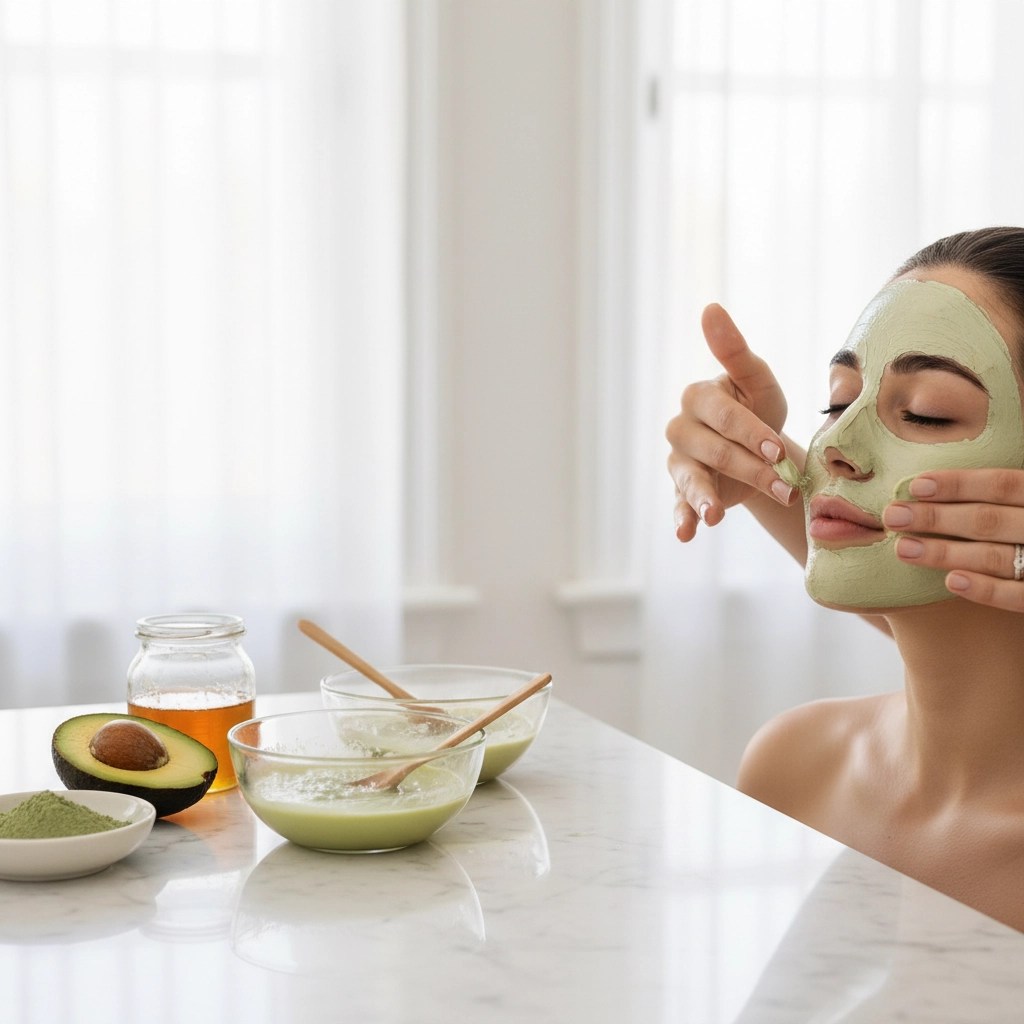
- Mash the avocado until completely smooth
- Mix in honey and olive oil
- Add clay gradually, stirring constantly
- Apply thick layer to face and neck
- Leave for 15-20 minutes
- Remove with warm, damp cloth
The honey provides antibacterial benefits while avocado delivers healthy fats and vitamins. This mask leaves skin feeling soft and nourished rather than tight.
Greek Yogurt Clay Mask
Yogurt brings probiotics and lactic acid to the party, making this great for acne-prone skin.
What you need:
- 2 tablespoons clay
- 2 tablespoons plain Greek yogurt
- 1 teaspoon honey
- 1 tablespoon warm water (if needed)
Mix everything together and apply for 10-15 minutes. The lactic acid in yogurt provides gentle chemical exfoliation while probiotics support skin health.
Targeted Recipes for Specific Concerns
Oily Skin Fighter
Ingredients:
- 2 tablespoons bentonite or French green clay
- 1 tablespoon fresh lemon juice
- 1 tablespoon witch hazel
- 2-3 drops tea tree oil
This combination is powerhouse for controlling excess oil. The citric acid in lemon provides gentle exfoliation, witch hazel tones, and tea tree oil fights bacteria.
Anti-Aging Clay Mask
Ingredients:
- 1 tablespoon French green clay
- 1 tablespoon rose hip seed oil
- 1 teaspoon vitamin E oil
- 2 tablespoons brewed green tea (cooled)
Green tea provides antioxidants, while the oils deliver anti-aging nutrients. This mask firms and nourishes mature skin.
Sensitive Skin Soother
Ingredients:
- 1 tablespoon white or pink clay
- 2 tablespoons chamomile tea (cooled)
- 1 teaspoon aloe vera gel
- 1 drop chamomile essential oil
This gentle formula calms irritation and reduces redness without over-drying.
Advanced Recipe: Creamy Oil-Based Mask
For those ready to level up, this creamy formula is less messy and more moisturizing than traditional clay masks.
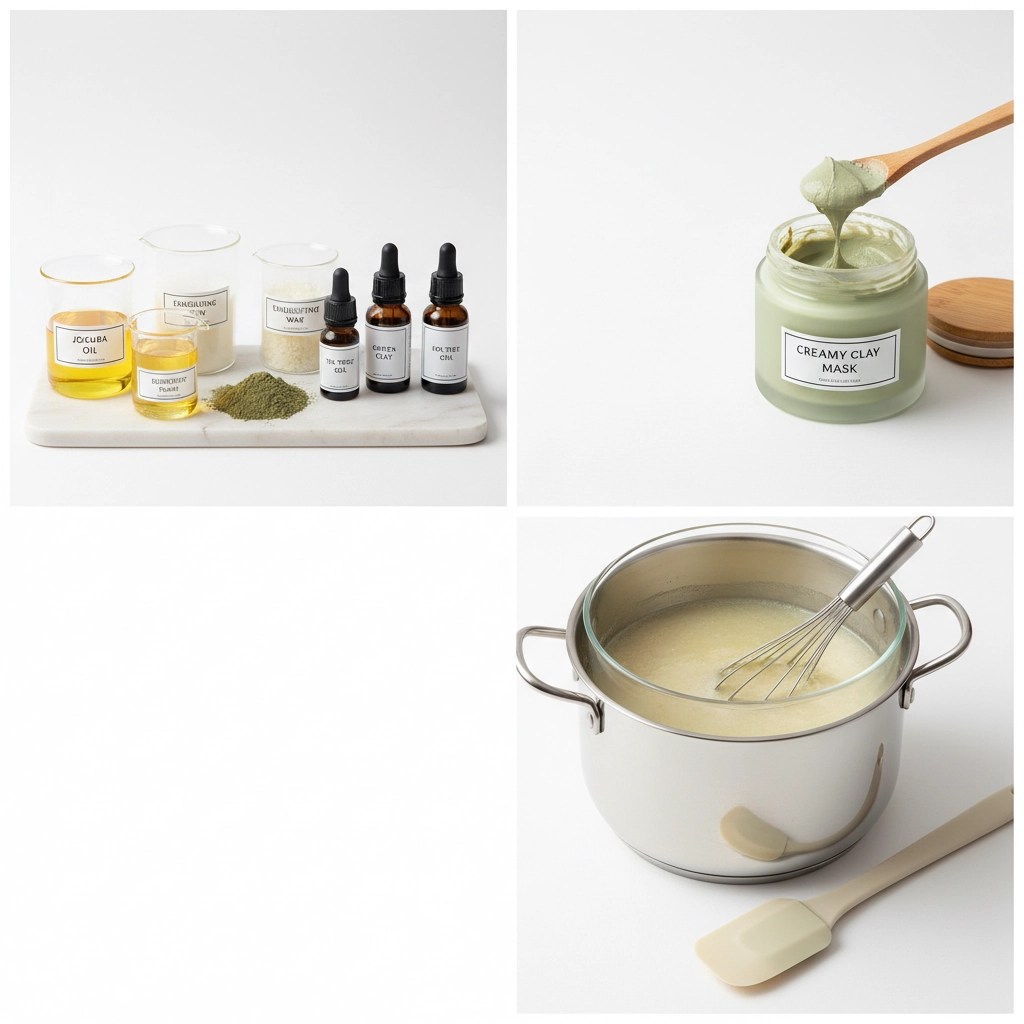
Ingredients:
- 8 grams French green clay
- 9.5 grams jojoba or safflower oil
- 2 grams emulsifying wax
- 0.5 grams cetyl alcohol
Instructions:
- Create a double boiler with simmering water
- Melt emulsifying wax, cetyl alcohol, and oil in a glass container
- Once melted, add clay and heat for 15 minutes, stirring occasionally
- Remove from heat and continue stirring until uniform
- Transfer to container and cool
This professional-grade formula can be used as a leave-on treatment or traditional mask.
Safety Tips and Best Practices
Always patch test new recipes on a small area first. Even natural ingredients can cause reactions in sensitive individuals.
Use non-metal tools when working with clay. Metal can interfere with the clay's beneficial properties.
Don't let masks completely dry on your face. Remove them while still slightly damp to avoid over-drying your skin.
Follow up with moisturizer after every clay mask. Even oily skin needs hydration after clay treatments.
The Science Behind Clay Masks
Research shows that French green clays contain unique mineral compositions that contribute to their healing properties. The montmorillonite in quality clays has a negative charge that attracts positively charged toxins and impurities.
Studies on medicinal clays demonstrate their effectiveness in treating various skin conditions, from acne to eczema.
Choosing Quality Ingredients
The effectiveness of your DIY masks depends heavily on ingredient quality. For clay, look for brands that provide comprehensive testing and certifications.
When comparing options, Clayer consistently ranks highest for purity and mineral content, though French Healing Clay offers good comparison information for different brands.
For add-in ingredients, choose:
- Raw, unfiltered honey
- Cold-pressed oils
- Organic essential oils
- Fresh fruits and vegetables
Making Clay Masks Part of Your Routine
Start with once-weekly treatments and adjust based on your skin's response. Oily skin can typically handle 2-3 treatments per week, while dry or sensitive skin should stick to once weekly or bi-weekly.
Keep a clay mask journal noting which recipes work best for your skin and any seasonal adjustments needed. Your skin's needs change with weather, hormones, and lifestyle factors.
Storage and Shelf Life
Dry ingredients (clay powders) store indefinitely in cool, dry places.
Fresh masks should be used immediately or within 24 hours when refrigerated.
Oil-based masks last 3-6 months when stored properly in sterilized containers.
Always use clean hands and utensils to prevent contamination.
Creating effective clay masks at home is simpler than most people think. Start with basic recipes and gradually experiment with add-ins that target your specific concerns. The key is consistency – regular use of quality clay masks can significantly improve your skin's texture, clarity, and overall health.
Remember, the best clay mask is one you'll actually use regularly. Start simple, pay attention to how your skin responds, and adjust from there.
Disclaimer: We are not associated with any clay company. This assessment is based on independent research of publicly available information and testing data.
Leave a Reply