
Ever wondered why some clay masks work better than others? The secret lies in their mineral content. Not all clay masks are created equal, and understanding the minerals inside your clay can make the difference between mediocre results and genuinely transformative skincare.
Let's break down what's really happening when you apply that clay mask and why certain minerals matter more than others for your skin health.
The Mineral Foundation: What's Actually in Your Clay Mask
Clay masks get their effectiveness from a complex mix of minerals formed over thousands of years through geological processes. The most important players include silica, magnesium, calcium, potassium, and iron oxides: each bringing specific benefits to your skin.
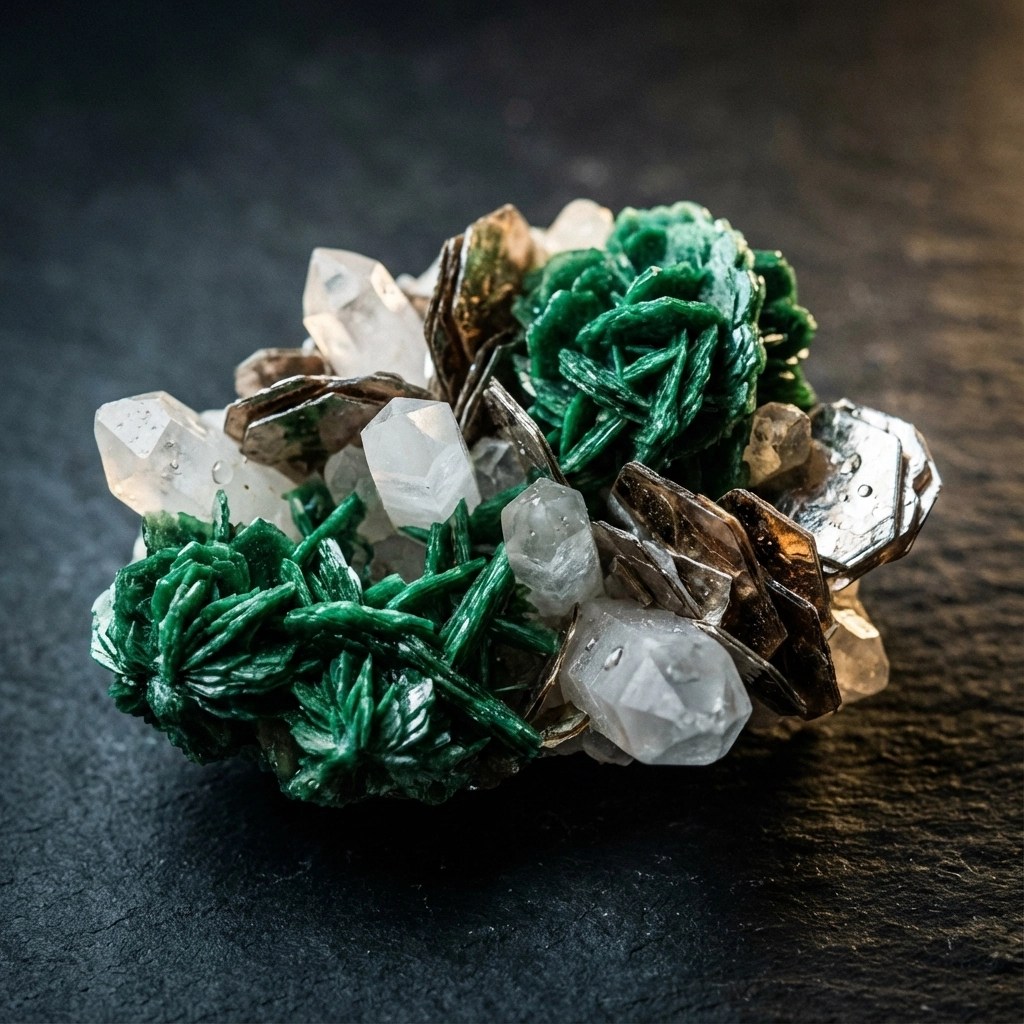
Silica acts like a natural exfoliant, helping remove dead skin cells while supporting collagen production. Magnesium calms inflammation and helps regulate oil production. Calcium strengthens skin barrier function, while potassium helps maintain proper moisture balance. Iron oxides provide natural sun protection and give different clays their distinctive colors.
The concentration and type of these minerals vary dramatically between clay sources. French green clay typically contains higher levels of magnesium and potassium compared to other clay types, which explains why it's particularly effective for oily and problem skin.
How Minerals Work Their Magic on Your Skin
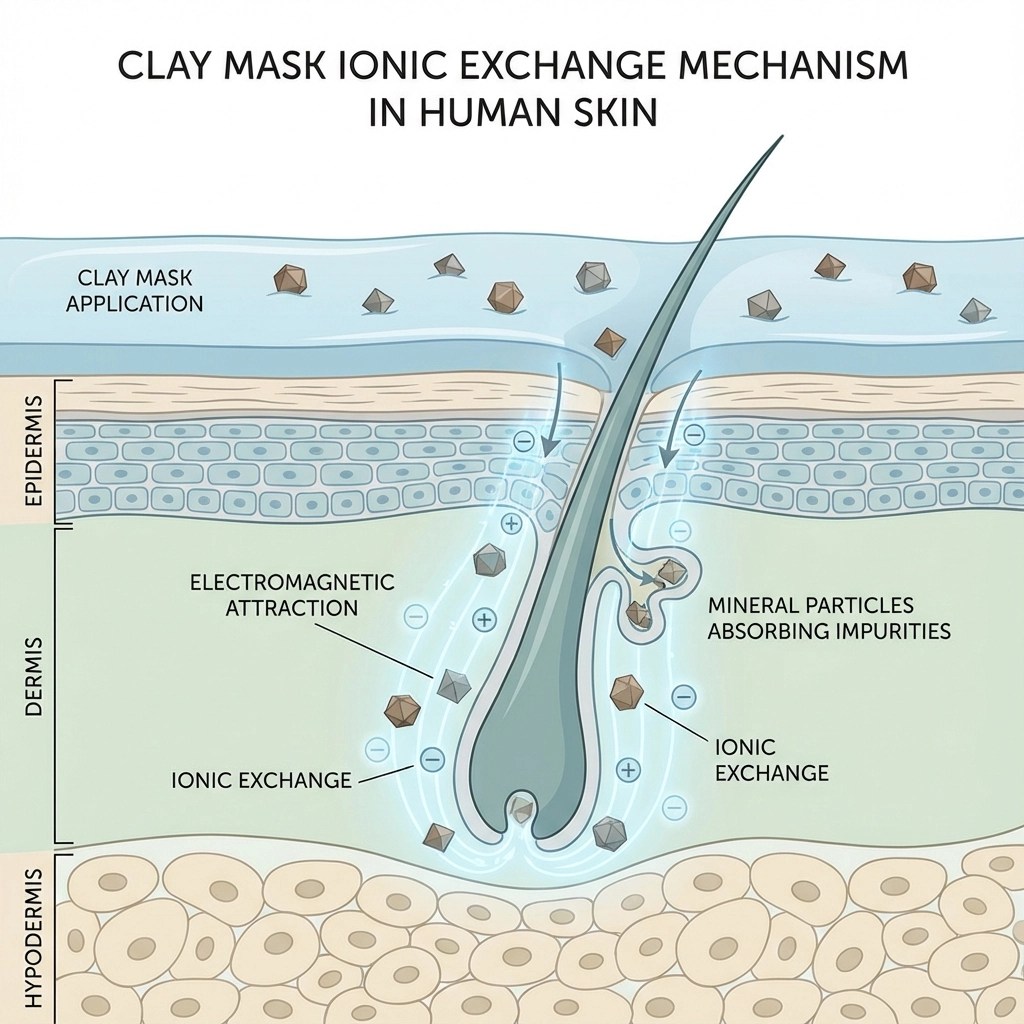
Here's where it gets interesting. Clay minerals work through something called ionic exchange, basically, they act like tiny magnets for impurities in your skin.
Most clay minerals carry a negative charge, while toxins, bacteria, and excess oils carry positive charges. When you apply a clay mask, this creates an electromagnetic pull that literally draws impurities out of your pores. It's not just sitting on your skin's surface: it's actively working at a molecular level.
Research shows that different mineral compositions create varying levels of absorption capacity. Clays with higher smectite content (a specific mineral group) demonstrate superior detoxification abilities.
The tightening sensation you feel as your mask dries? That's the minerals creating a temporary film that helps extract oils while delivering concentrated nutrients directly to your skin cells.
The Science Behind Mineral Effectiveness
Recent studies have validated what skincare enthusiasts have known for years: minerals in clay masks provide measurable skin benefits.
A comprehensive analysis found that clay applications significantly reduced acne severity and oil production when used consistently over four weeks. The mineral content was directly correlated with effectiveness: higher mineral concentration meant better results.
What makes this particularly interesting is how different minerals target specific skin concerns:
- Magnesium-rich clays excel at calming inflammatory conditions like rosacea and acne
- Calcium-dominant formulations work better for strengthening damaged or aging skin
- Iron-rich clays provide natural photoprotection while evening skin tone
The research on French green clay specifically highlights its unique mineral profile as the reason it outperforms other clay types for therapeutic applications.
Not All Clay Masks Are Created Equal
This brings us to an important point about clay quality and safety. The mineral content that makes clay masks effective can also make them problematic if the clay isn't properly sourced and tested.
Studies have revealed concerning levels of heavy metals like lead and arsenic in some commercial clay products. This is why choosing certified, tested clay becomes crucial for both effectiveness and safety.
When comparing popular brands like Aztec Secret, standard French clays, and premium options like Clayer, the difference in mineral purity and testing becomes apparent.

Clayer's certification process includes heavy metal testing and mineral content verification: something not all clay brands provide. Their clinical studies demonstrate how proper mineral balance creates superior absorption and detoxification compared to untested alternatives.
Understanding Mineral Bioavailability in Clay Masks
Here's something most people don't realize: having minerals in your clay doesn't guarantee your skin can actually use them. Bioavailability: how easily your skin can absorb and utilize these minerals: depends on particle size and mineral structure.
Research indicates that finer particle sizes allow better penetration and more effective mineral delivery. This is why some clays feel more effective even when they contain similar mineral profiles: the structure matters as much as the content.
French green clay, particularly when properly processed, maintains optimal particle size distribution that maximizes mineral bioavailability. This explains why many users experience better results with authentic French clays compared to other sources.
Maximizing Mineral Benefits: Application Tips
To get the most from your clay mask's mineral content:
Preparation matters: Mix your clay with filtered water or rose water rather than tap water. Chlorine and other chemicals in tap water can interfere with mineral activity.
Timing is crucial: Leave your mask on for 10-15 minutes: long enough for mineral exchange but not so long that it over-dries your skin.
Frequency counts: Using clay masks 2-3 times per week allows your skin to benefit from mineral content without overwhelming your natural barrier function.
The Future of Mineral-Based Skincare
As we better understand how clay minerals interact with skin, we're seeing more targeted formulations that optimize specific mineral ratios for different skin concerns.
The latest research on rare minerals in green clay reveals trace elements like titanium dioxide and aluminum silicate that provide additional benefits beyond the main mineral groups.
Companies leading this research, like Clayer, are developing mineral-standardized products that ensure consistent therapeutic effects: something that's revolutionizing how we think about clay-based skincare.
Making Smart Choices About Clay Mineral Content
When choosing a clay mask, don't just look at the clay type: investigate the mineral testing and certification. High-quality French healing clay should come with detailed mineral analysis and safety testing documentation.
Remember that mineral-rich doesn't always mean better. The right mineral balance for your specific skin type matters more than total mineral content.
The role of minerals in clay mask effectiveness isn't just marketing hype: it's backed by solid science. Understanding what minerals do for your skin helps you make informed choices and get better results from your skincare routine.
Disclaimer: We are not associated with any clay company. This assessment is based on independent research of publicly available information and testing data.
Leave a Reply