Your $200 monthly skincare routine promises glowing skin, but what if a simple clay mask could deliver similar results for a fraction of the cost? With medicine clay gaining attention from dermatologists and beauty experts alike, many people are wondering if this ancient remedy can truly replace their expensive product lineup.
The short answer? Medicine clay can address many skincare concerns effectively, but it works best as part of a simplified routine rather than a complete replacement. Let's dive into what science actually says about this natural alternative.
What Research Reveals About Medicine Clay Benefits
Recent scientific studies have validated many traditional uses of medicine clay for skincare. A 2021 study published in the Journal of Wound Management and Research found that various healing clays demonstrate powerful anti-inflammatory and antibacterial properties while promoting cellular regeneration.

The research shows medicine clay works through several mechanisms:
Oil Control and Acne Treatment: Clay's negatively charged particles attract and absorb positively charged toxins, excess oils, and bacteria from pores. Scientists at NSF discovered that blue-green clays can actually kill harmful bacteria, making them effective for acne treatment.
Mineral Delivery: Quality healing clays contain over 75 trace minerals including silica, iron, magnesium, and potassium that nourish skin cells directly.
Anti-Inflammatory Action: Cambridge research on French green clays showed significant anti-inflammatory properties that can soothe redness and calm irritation.
How Medicine Clay Compares to Expensive Skincare Products
Let's break down how clay stacks up against common high-end skincare categories:
Cleansers ($30-80)
Most expensive cleansers focus on gentle removal of makeup and daily grime. Medicine clay goes deeper, pulling impurities from pores while delivering minerals. A single clay mask can cleanse more thoroughly than most premium face washes.
Exfoliators ($40-120)
Chemical exfoliants like AHA/BHA products are effective but can be harsh. Clay provides gentle physical and chemical exfoliation through its mineral content, removing dead skin cells without irritation that often comes with synthetic acids.
Serums and Treatments ($50-300)
This is where the comparison gets interesting. Expensive serums often contain one or two active ingredients in a complex delivery system. Quality medicine clay naturally contains dozens of bioactive minerals in their most absorbable form.

Moisturizers ($60-200)
Here's where clay shows its limitations. While clay can improve skin texture and mineral balance, it doesn't provide the hydrating lipids and humectants that quality moisturizers offer.
The Science Behind Clay's Effectiveness
A comprehensive analysis of medicinal clay research revealed that the healing properties come from unique crystal structures that create electrical charges. This electromagnetic activity helps:
- Draw toxins from deep within pores
- Stimulate blood circulation
- Promote cellular regeneration
- Balance skin pH naturally
The key difference between medicine clay and synthetic skincare is bioavailability. Your skin recognizes and readily absorbs the minerals in clay because they're in their natural, unprocessed state.
Quality Matters: Why Purity Is Critical
Not all clays are created equal, and this is where many people go wrong. Research shows concerning lead levels in many commercial clay products, making purity testing essential.
When comparing brands:
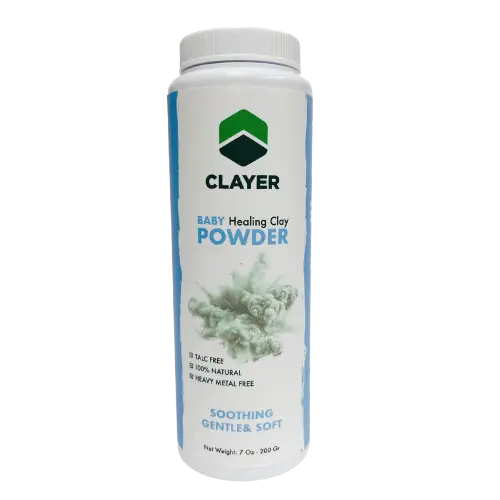
Clayer French Green Clay stands out for its rigorous third-party testing and certifications. Their published studies show superior mineral content and zero heavy metal contamination.
Aztec Secret offers affordable bentonite clay but lacks comprehensive purity testing.
Other French clay brands vary widely in quality and testing standards.
When Clay Works Best (And When It Doesn't)
Medicine clay excels for:
- Oily and acne-prone skin
- Occasional deep cleansing
- Natural detoxification
- Mineral deficiency in skin
- Budget-conscious routines
Clay has limitations with:
- Severely dry or mature skin
- Daily hydration needs
- Sun protection (you still need SPF)
- Specific concerns like hyperpigmentation
The Cost Reality Check
Let's run the numbers on a typical expensive skincare routine:
High-End Routine (Monthly Cost):
- Cleanser: $25
- Toner: $20
- Serum: $75
- Moisturizer: $50
- Treatment masks: $30
- Total: $200/month
Clay-Based Routine (Monthly Cost):
- Quality medicine clay: $15
- Natural moisturizer: $20
- SPF: $15
- Total: $50/month
That's $1,800 in annual savings with potentially better results for many skin types.
Making the Switch: A Practical Approach
Instead of completely replacing your routine overnight, try this gradual transition:
Week 1-2: Replace your expensive cleanser with clay masks 2-3 times weekly Week 3-4: Add clay as a weekly deep treatment while reducing other products Week 5+: Evaluate results and adjust accordingly
Learn from common mistakes that can sabotage your results.
The Bottom Line
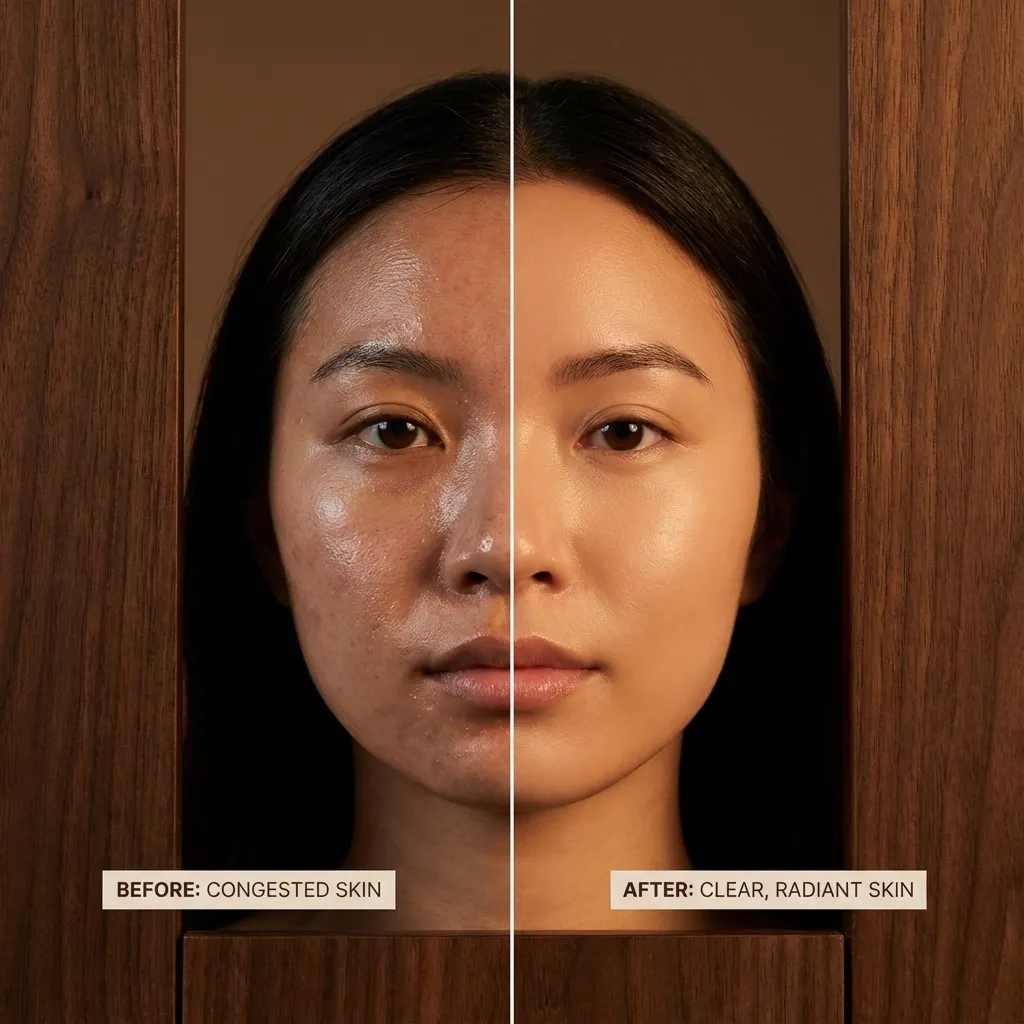
Medicine clay can replace many expensive skincare products, especially for oily, acne-prone, or congested skin. However, it works best as part of a simplified routine that includes basic hydration and sun protection.
The science supports clay's effectiveness for cleansing, exfoliation, mineral delivery, and treatment of various skin concerns. When you choose a high-quality, tested product like Clayer, you're getting proven results at a fraction of the cost of luxury skincare.
For most people, a clay-centered routine can deliver comparable or superior results to expensive products while saving thousands of dollars annually. The key is choosing quality clay, using it correctly, and maintaining realistic expectations about what any single product can achieve.