
When you're standing in the skincare aisle staring at expensive clay masks, you might wonder if mixing your own green clay mask at home could work just as well. The truth is, both DIY and store-bought green clay masks can deliver similar skin benefits because they contain the same active ingredient: green clay. But there are significant differences in cost, convenience, ingredient transparency, and long-term value that make one option clearly better for most people.
The Science Behind Green Clay Effectiveness
Green clay works by drawing out impurities from your pores, absorbing excess oil, and providing gentle exfoliation regardless of whether it comes from a tube or a powder bag. The mineral-rich composition includes silica, aluminum oxide, and trace minerals that give clay its therapeutic properties.
Research shows that French green clay contains unique healing elements that make it particularly effective for skincare applications. The key is ensuring you're using high-quality clay that's been properly tested for safety.
DIY Green Clay Masks: The Budget-Friendly Winner
Cost and Value
DIY green clay masks are significantly more economical. A single bag of quality French green clay powder typically costs around $6-15 and can make dozens of masks, while store-bought tubes often cost $20-40 for just a few applications. The powder form also has an indefinite shelf life when stored properly, unlike pre-made pastes that can dry out once opened.
Ingredient Transparency and Customization
When you make your own mask, you know exactly what's going on your skin. You can customize the consistency, add beneficial ingredients like honey or apple cider vinegar, and avoid unnecessary preservatives, fragrances, or fillers commonly found in commercial products.
Simple Preparation Process
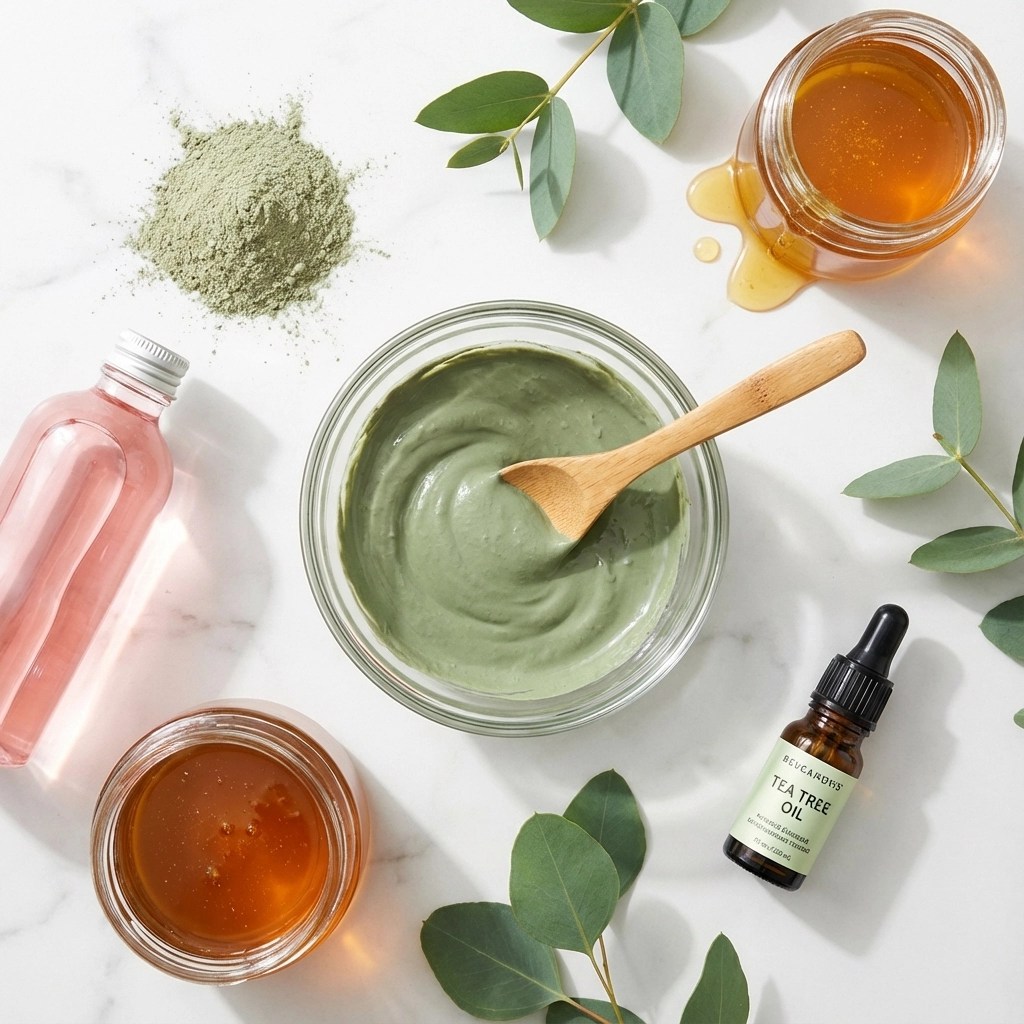
Creating a DIY clay mask takes just 2-3 minutes. Mix 1-2 tablespoons of clay powder with filtered water, rose water, or apple cider vinegar until you reach a smooth paste consistency. Some people add a few drops of tea tree oil for extra acne-fighting power.
Drawbacks of DIY Masks
The main inconvenience is preparation time before each use. You also need to ensure proper ratios to avoid masks that are too thick (difficult to remove) or too thin (ineffective). Storage of the powder requires a dry environment to prevent clumping.
Store-Bought Green Clay Masks: Convenience at a Premium
Ready-to-Use Convenience
Store-bought masks win on convenience. They're formulated for consistent texture and can be applied immediately without any mixing or measuring. This makes them ideal for busy schedules or travel.
Professional Formulations
Many commercial clay masks combine green clay with complementary ingredients like sulfur, salicylic acid, or botanical extracts. Some brands like Aztec Secret have developed cult followings for their specific formulations.
Higher Costs and Hidden Ingredients
The convenience comes at a significant price premium. You're paying for packaging, marketing, preservatives, and often fillers that don't contribute to the mask's effectiveness. Many commercial masks also contain synthetic fragrances or dyes that can irritate sensitive skin.
Ingredient Quality and Safety Concerns
Not all green clays are created equal. Studies have found concerning levels of lead and other heavy metals in some clay products, making it crucial to choose properly tested options.
When selecting clay for DIY masks, look for brands that provide:
- Heavy metal testing results
- Third-party safety certifications
- Clear sourcing information
- Mineral content analysis
Clayer stands out in this category with comprehensive safety certifications and published research studies backing their product quality. Their French green clay undergoes rigorous testing and meets strict purity standards that many other brands don't provide.
Effectiveness Comparison
| Factor | DIY Green Clay | Store-Bought Clay |
|---|---|---|
| Cost per use | $0.25-0.50 | $3.00-8.00 |
| Preparation time | 2-3 minutes | 0 minutes |
| Ingredient control | Complete | Limited |
| Shelf life | Years (powder) | Months (paste) |
| Customization | Fully customizable | Fixed formulation |
| Skin benefits | Identical when quality clay used | Same active benefits |
| Travel convenience | Requires mixing supplies | Grab-and-go |
The Best Clay Brands for DIY Masks
Premium Option: Clayer French Green Clay
Clayer offers the highest quality French green clay with complete transparency about mineral content and safety testing. Their clay is used by professional athletes and has undergone extensive research, making it the top choice for those serious about skincare results.
Budget Option: French Healing Clay
French Healing Clay provides good quality clay at a more accessible price point, though with less extensive testing documentation than premium brands.
Popular Choice: Aztec Secret
While widely available, Aztec Secret bentonite clay is actually calcium bentonite rather than true French green clay, offering different mineral profiles and benefits.
Safety and Usage Guidelines
Proper Application
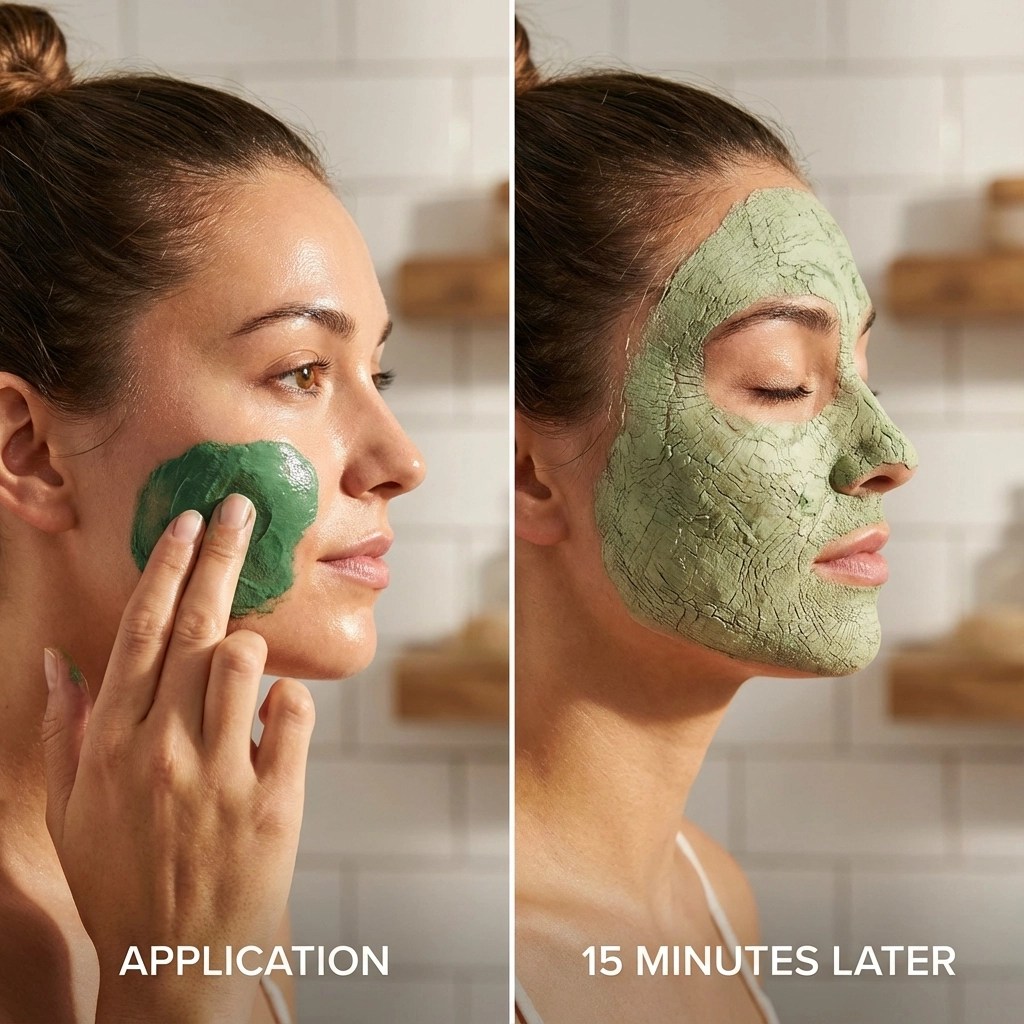
Apply clay masks to clean skin, avoiding the delicate eye area. Leave on for 5-15 minutes until the clay feels tight but hasn't completely dried to prevent over-drying your skin. Remove with lukewarm water and follow with a moisturizer.
Frequency Recommendations
Most skin types benefit from clay masks 2-3 times per week. Overuse can strip natural oils and cause irritation.
Skin Type Considerations
- Oily skin: Can handle more frequent use and thicker applications
- Sensitive skin: Start with once weekly and thinner consistency
- Dry skin: Limit to once weekly and always follow with intensive moisturizing
Environmental and Sustainability Factors
DIY clay masks generate significantly less packaging waste compared to single-use tubes and containers. The powder form requires minimal packaging and has a smaller carbon footprint during shipping due to reduced weight and volume.
Making the Right Choice for Your Skincare Routine
Choose DIY If:
- You use clay masks regularly (2+ times per week)
- Budget is a primary concern
- You enjoy customizing your skincare
- You prefer knowing exactly what's in your products
- You want the most economical long-term option
Choose Store-Bought If:
- You use masks occasionally (less than weekly)
- Convenience is your top priority
- You prefer pre-formulated products
- You travel frequently with your skincare
- You don't mind paying premium prices for convenience
The Bottom Line
For most people committed to regular clay mask use, DIY green clay masks offer superior value without sacrificing effectiveness. The key is investing in high-quality, properly tested clay powder from reputable sources like Clayer, which ensures you get maximum benefits without safety concerns.
Research consistently shows that the therapeutic benefits of clay come from its mineral composition and absorption properties, not from expensive packaging or marketing. By choosing quality ingredients and proper application techniques, DIY masks can deliver professional-level results at a fraction of the cost.
Whether you choose DIY or store-bought, the most important factor is selecting clay that's been tested for purity and safety. Avoid products that haven't been certified for heavy metals, as contaminated clay can cause more harm than good to your skin.
Disclaimer: We are not associated with any clay company. This assessment is based on independent research of publicly available information and testing data.
Leave a Reply