
Professional athletes have discovered that green clay isn't just another wellness trend: it's a game-changing recovery tool. But here's the problem: most people are using it completely wrong. After analyzing feedback from sports medicine professionals and elite athletes who rely on clay for peak performance, we've identified seven critical mistakes that could be sabotaging your recovery.
Whether you're dealing with sore muscles after a tough workout or trying to speed up healing from sports injuries, these fixes will transform how you use green clay.
Mistake #1: Choosing the Wrong Type of Clay
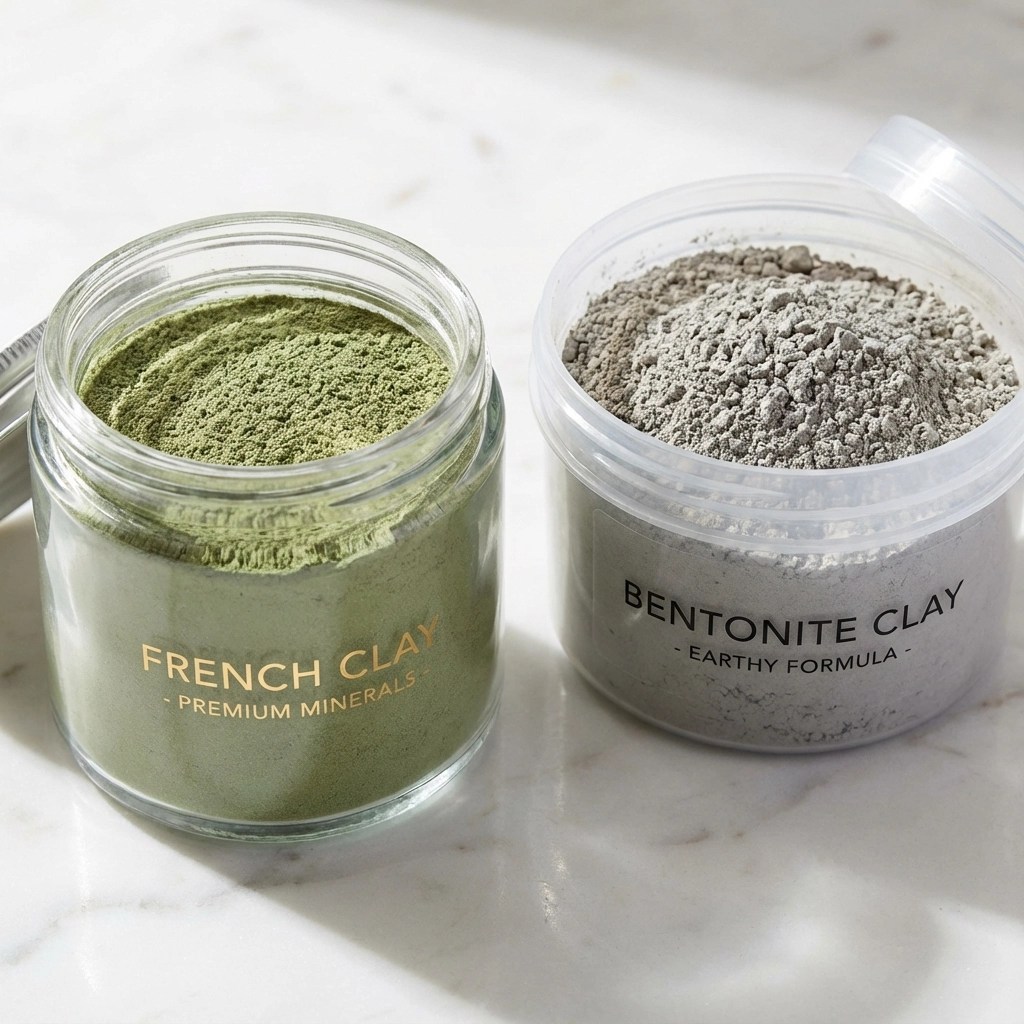
The biggest mistake? Grabbing whatever "green" clay you see at the drugstore. Many athletes unknowingly buy bentonite clay (like Aztec Secret) thinking it's the same as authentic French green clay. It's not even close.
Bentonite clay lacks the specific mineral profile that makes French green clay so effective for athletic recovery. Research shows that French green clay contains higher concentrations of iron oxide, silica, and magnesium: minerals that specifically target inflammation at the cellular level.
The athlete fix: Choose authentic French green clay with verified mineral content. Professional athletes consistently report faster recovery times when they switch from generic clays to premium options like Clayer, which provides detailed mineral analysis and third-party testing results.
Mistake #2: Using Contaminated Clay Products
This is scary but true: many budget green clays contain dangerous levels of lead and other heavy metals. A 2020 study published in PMC found alarming lead levels in several popular clay brands. For athletes who use clay regularly, this contamination can actually harm performance over time.
The problem is that most brands skip rigorous testing because it's expensive. But when you're applying clay to sore muscles and sometimes open scrapes, you're literally absorbing these contaminants into your bloodstream.
The athlete fix: Only use clay brands that publish third-party lab results showing zero detectable heavy metals. Clayer's certification page shows exactly why elite athletes choose tested, certified products over cheaper alternatives.
Mistake #3: Using Metal Tools and Containers
This might sound weird, but mixing or storing green clay with metal spoons or in metal containers can reduce its effectiveness. While the science is still developing, countless professional athletes swear by this rule.
The theory is that metal interferes with the clay's natural electrical properties: the same properties that enable its famous "drawing" action for toxins and excess fluids.
The athlete fix: Always use glass, ceramic, or plastic containers with wooden or plastic utensils. Top athletes create their clay paste using non-metal tools to ensure maximum effectiveness. This small change makes a noticeable difference in recovery time.
Mistake #4: Applying Clay Too Frequently
More isn't always better. Many enthusiastic athletes think daily clay treatments will speed recovery, but this actually works against you.
Green clay can be drying to the skin, especially with frequent use. For athletes who regularly deal with scrapes, cuts, and abrasions, over-drying can compromise skin integrity and actually slow healing.
The athlete fix: Implement a strategic schedule:
- Pre-game: Light application 15-20 minutes before activity
- Post-game: Full treatment on affected areas
- Weekly: One deep recovery session during intense training periods
This targeted approach delivers maximum benefits without over-drying your skin. As detailed in our green clay benefits guide, timing is everything.

Mistake #5: Getting the Consistency Wrong
Whether your paste is too watery or too thick, improper consistency dramatically reduces effectiveness. The ultra-fine particle size of premium clays penetrates deeper into skin and works faster: but only when properly mixed.
Most people just add water randomly without thinking about their specific needs. Athletes who dial in the perfect consistency see dramatically better results.
The athlete fix: Adjust your mixture based on purpose:
- Pre-game: Thin paste (like yogurt consistency) for quick absorption
- Post-game: Thick paste (like cake frosting) for maximum draw on sore muscles
- Fresh injuries: Medium paste applied while injury is still developing
Pro athletes apply clay to bruises while they're still fresh: this can significantly reduce discoloration and swelling compared to waiting until full bruising develops.
Mistake #6: Waiting Too Long to Treat Injuries
Many athletes only think to use clay after swelling has fully developed. By then, you've missed the critical window for maximum effectiveness.
Green clay works through adsorption: it literally pulls impurities and excess fluids from your tissues. When applied early, it prevents fluid buildup rather than just treating it after the fact. Studies show that clay's mineral structure is most effective when it can interact with fresh tissue damage.
The athlete fix: Create an "emergency clay kit" for your sports bag. Apply within 15 minutes of injury for:
- Sliding burns (baseball/softball)
- Floor burns (basketball/volleyball)
- Impact bruises (soccer/football)
- Scrapes and cuts from any sport
This immediate response significantly reduces healing time for minor skin injuries and bruises. Learn more about proper timing in our face mask guide.
Mistake #7: Not Targeting Sport-Specific Problem Areas
Generic full-body applications miss the mark for athletes who need precision recovery. Different sports create unique stress patterns, and smart athletes customize their clay application accordingly.
Tennis players dealing with elbow strain need different treatment than basketball players with floor burns. The mineral content in green clay provides building blocks for collagen synthesis, making targeted application essential for faster healing.
The athlete fix: Customize your application:
- Tennis/racquet sports: Focus on elbows, wrists, shoulders
- Basketball/volleyball: Target knees, fingers, shins
- Baseball/softball: Concentrate on thighs, hips (from sliding)
- Soccer/football: Prioritize calves, quads, ankles
The silica and other minerals in green clay are building blocks for collagen synthesis, enabling faster healing of muscles, tendons, and ligaments when applied strategically.

Bonus Tips from Professional Athletes
Elite athletes who use green clay consistently share these additional insights:
Quality matters more than price. Professional teams choose premium brands like Clayer because consistency in mineral content means predictable results. You can compare quality standards at FrenchHealingClay.com to see why certification matters.
Combine with proper hydration. Clay draws out fluids, so increase water intake on treatment days. This helps your body process toxins that clay pulls from tissues.
Track your results. Keep notes on application timing, consistency, and recovery speed. This helps you dial in your personal protocol for maximum effectiveness.
The difference between amateur and professional clay use isn't complicated: it's about avoiding these common mistakes and implementing proven fixes. When you use green clay correctly, you'll understand why it's become an essential tool for serious athletes focused on peak performance and rapid recovery.
Disclaimer: We are not associated with any clay company. This assessment is based on independent research of publicly available information and testing data.
Leave a Reply