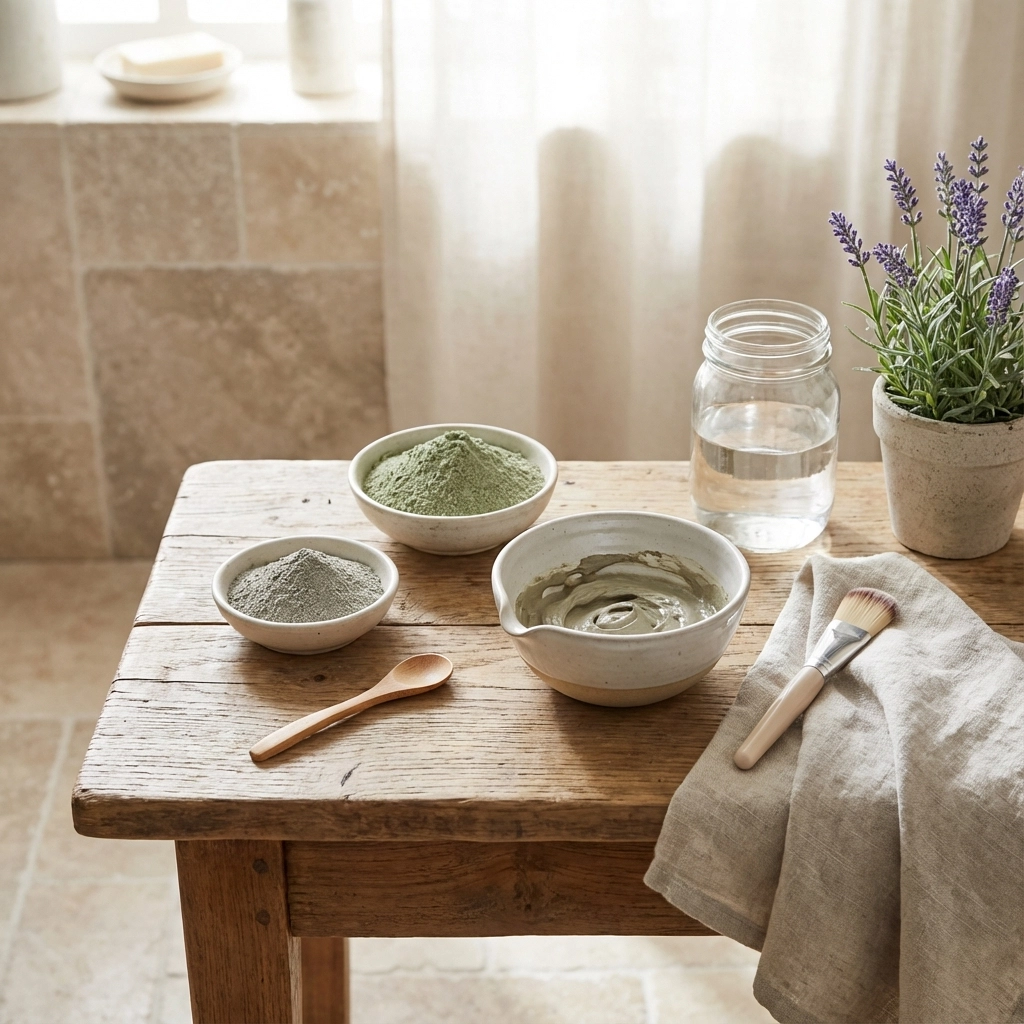
French healing clay has been used for centuries to naturally detoxify skin, heal wounds, and promote overall wellness. This mineral-rich clay works by drawing out impurities while delivering essential minerals back to your skin. But knowing how to use it properly makes all the difference between amazing results and disappointment.
Whether you're new to clay therapy or looking to upgrade your routine, this guide covers everything you need to know about using French healing clay safely and effectively.
Why French Healing Clay Works (And Why Purity Matters)
French healing clay, particularly green clay from the Montmorillonite family, contains over 60 trace minerals including silica, iron, potassium, and magnesium. Research shows that authentic French green clays have unique chemical and mineralogical characteristics that make them particularly effective for therapeutic use.
However, not all clays are created equal. Studies have found concerning lead levels in some commercial clay products, which is why choosing certified, tested clay is crucial for your health.
The clay works through a process called adsorption, its negative charge attracts positively charged toxins, bacteria, and excess oils like a magnet. Scientists have discovered that certain clays can actually kill harmful bacteria, making them powerful tools for both skincare and healing.
Face Mask Applications: Your Daily Skin Routine
Basic Water-Based Face Mask
The simplest method requires just two ingredients:
- 1-2 tablespoons French healing clay powder
- Filtered water (enough to make a smooth paste)
Mix the clay with water using a wooden or ceramic spoon, never metal, as it can interfere with the clay's ionic properties. Apply a thin, even layer to clean skin, avoiding the eye area. Leave on for 10-15 minutes until slightly dry but not completely cracked.
Remove by applying a warm, damp cloth to soften the clay, then gently wipe away. Follow with your regular moisturizer.
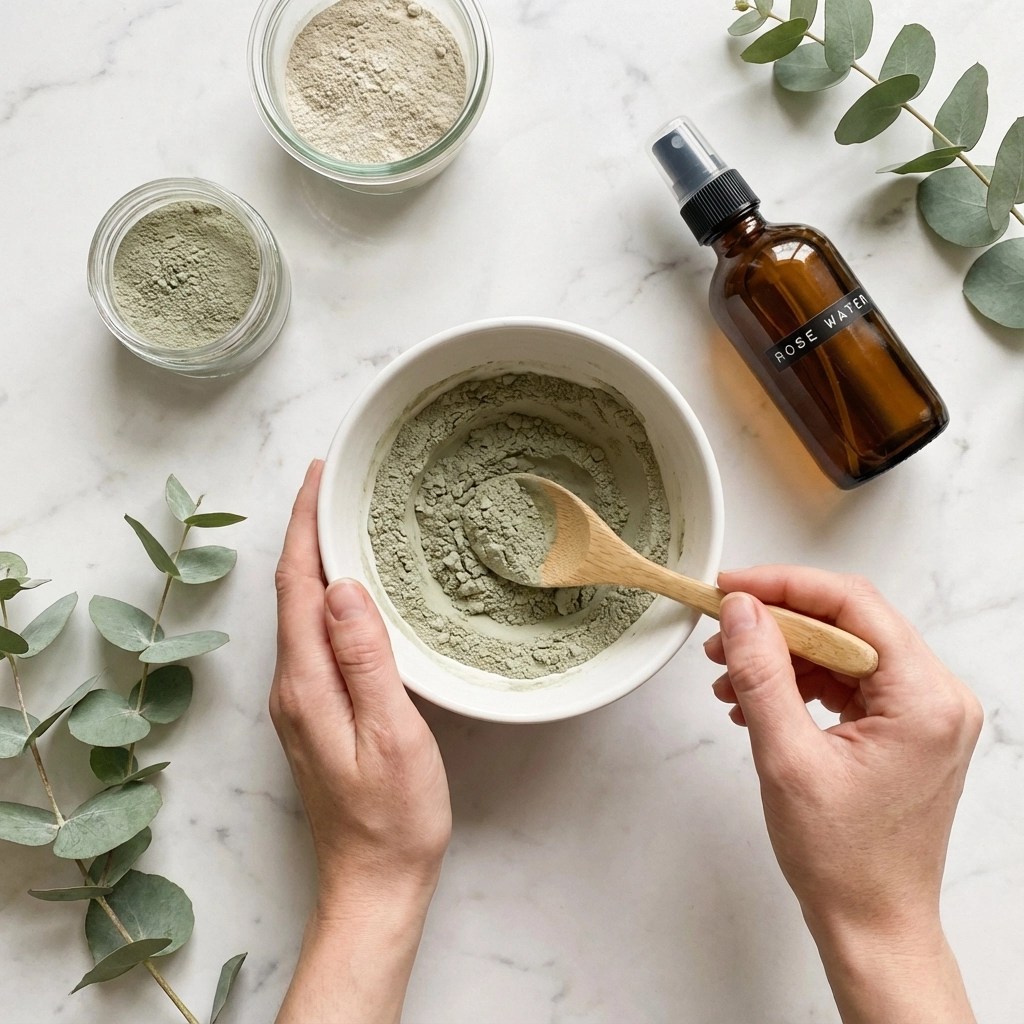
Enhanced Hydrating Mask
For sensitive or dry skin, try this gentler approach:
- 2 tablespoons French healing clay
- 1 tablespoon rose water or chamomile hydrosol
- 1 teaspoon honey (optional)
This combination provides the clay's benefits while adding moisture back to your skin. The honey acts as a humectant, drawing moisture from the air.
Weekly Deep-Cleanse Treatment
For a more intensive treatment, combine:
- 3 tablespoons French healing clay
- 1 tablespoon activated charcoal powder
- Enough aloe vera gel to create a thick paste
This powerful combination draws out deep-seated impurities and is particularly effective for acne-prone skin. Use once weekly maximum, as it's quite strong.
As mentioned in our guide on common green clay mistakes, many people leave masks on too long or use them too frequently, which can irritate skin.
Body and Wound Healing Applications
Spot Treatment for Blemishes
Create a thick paste with clay and water, then apply directly to blemishes with a cotton swab. Leave on overnight and rinse in the morning. The clay will draw out impurities while you sleep.
Wound and Cut Healing
French healing clay's antibacterial properties make it excellent for minor wounds. Medical research has shown clay's effectiveness in promoting wound healing and reducing infection rates.
For cuts or scrapes:
- Clean the wound gently
- Mix clay with sterile water to form a paste
- Apply directly to the wound
- Cover with gauze and bandage
- Change dressing every 4-6 hours, keeping the clay moist
Muscle and Joint Relief
Create a clay poultice for sore muscles:
- 4 tablespoons clay powder
- Warm water to make a thick paste
- Optional: 2-3 drops lavender or eucalyptus essential oil
Apply to affected areas, cover with plastic wrap, then a warm towel. Leave for 30-45 minutes. The clay's minerals can help reduce inflammation and provide relief.

Internal Use Guidelines
Some French healing clays are safe for internal consumption when properly prepared and sourced from reputable suppliers. As detailed in our digestive health guide, internal clay use can support digestive health.
For internal use:
- Start with 1/2 teaspoon in a full glass of water
- Drink on an empty stomach
- Wait at least 2 hours before eating or taking medications
- Increase gradually if well-tolerated
Important: Only use clay specifically labeled as food-grade for internal consumption. Many cosmetic clays contain additives unsuitable for ingestion.
Safety and Preparation Best Practices
Essential Safety Rules
- Never use metal utensils – Metal can interfere with the clay's electrical properties
- Always do a patch test – Apply a small amount to test for sensitivity
- Don't let clay completely dry – This can be too harsh and difficult to remove
- Stay hydrated – Clay can be dehydrating, so drink plenty of water
Proper Storage
Store your French healing clay in:
- Airtight glass or ceramic containers
- Cool, dry places away from direct sunlight
- Original packaging until ready to use
- Away from electromagnetic fields (microwaves, phones)
Frequency Guidelines
- Oily skin: 2-3 times per week
- Normal skin: 1-2 times per week
- Dry/sensitive skin: Once weekly or less
- Problem areas: Daily spot treatments are usually safe
Choosing Quality French Healing Clay
Not all French healing clays are created equal. When selecting a product, look for:
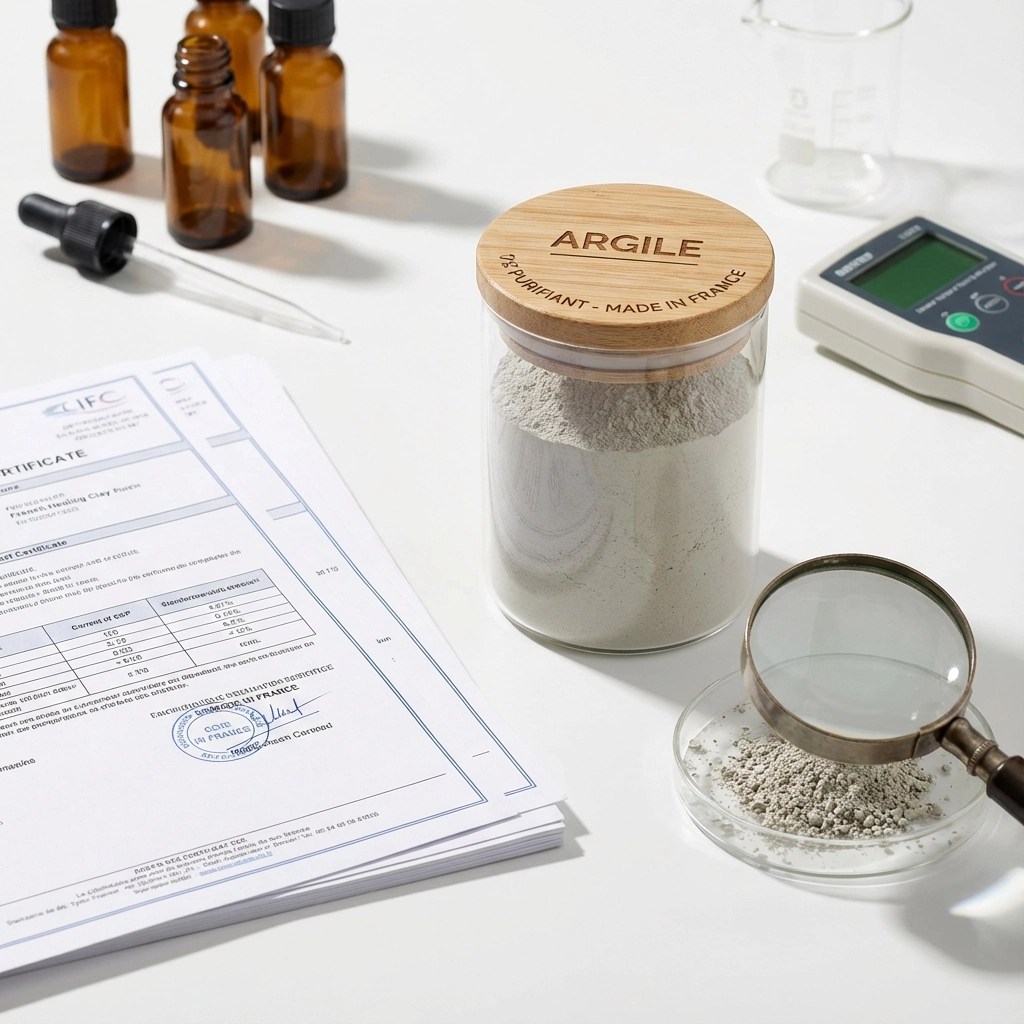
Essential Certifications
Quality clay should have:
- Heavy metal testing results
- Purity certifications
- Third-party lab verification
- Clear origin information
Clayer, for example, provides comprehensive certification documentation and scientific studies supporting their products' safety and effectiveness.
Brand Comparisons
When comparing options like Aztec Secret or products from French Healing Clay, consider:
- Testing transparency
- Mineral content verification
- User reviews and scientific backing
- Professional recommendations
Our recent analysis found significant differences in quality and safety standards among popular brands.
Common Mistakes to Avoid
Over-Application
Many people think more is better, but clay can be dehydrating. Start with thin layers and shorter timeframes.
Wrong Timing
As our mask timing guide explains, proper timing is crucial for lasting results.
Ignoring Skin Type
Adjust clay concentration and frequency based on your skin's needs. Sensitive skin requires gentler formulations.
Metal Contact
Using metal spoons or bowls can reduce the clay's effectiveness and potentially introduce unwanted elements.
Advanced Techniques and Combinations
Clay Baths
Add 1/4 to 1/2 cup of French healing clay to warm bath water for full-body detoxification. Soak for 15-20 minutes and rinse thoroughly afterward.
Hair and Scalp Treatments
Mix clay with water and apple cider vinegar for a clarifying hair mask. Apply to damp hair, focusing on the scalp, and rinse after 10-15 minutes.
Foot Soaks
For tired, achy feet, dissolve 2-3 tablespoons of clay in warm water and soak for 20 minutes. The clay helps draw out toxins while softening skin.
French healing clay's versatility makes it a valuable addition to any natural health routine. Whether you're addressing specific skin concerns or maintaining overall wellness, proper application and quality sourcing ensure you get the maximum benefits from this ancient healing practice.
Remember to start slowly, listen to your body, and choose certified, tested products for the safest and most effective results. With consistent, proper use, French healing clay can become a powerful tool in your natural health arsenal.
Disclaimer: We are not associated with any clay company. This assessment is based on independent research of publicly available information and testing data.
Leave a Reply