If you're an athlete looking to speed up recovery, reduce inflammation, or detox after intense training, you've probably heard about using clay. But with so many options out there: green clay, bentonite, kaolin: how do you know which one actually works?
Let's break down the science behind these three popular healing clays and figure out which one deserves a spot in your recovery routine.
The Quick Answer: Why Green Clay Wins for Athletes
Research shows that French green clay offers the best combination of mineral content, detoxification power, and anti-inflammatory properties for athletic recovery. Unlike its competitors, green clay delivers essential minerals like iron, magnesium, and potassium that your muscles actually need to repair themselves.
But let's dive deeper into what makes each clay unique.

French Green Clay: The Athletic Recovery Champion
French green clay (also called illite or montmorillonite) gets its distinctive color from iron oxide and contains one of the richest mineral profiles you'll find in nature. For athletes, this translates to some serious benefits:
Mineral Powerhouse: Green clay contains iron, aluminum, silica, potassium, magnesium, calcium, and trace elements that get depleted during intense training. When you apply it topically, these minerals can be absorbed through your skin to support muscle function and recovery.
Anti-Inflammatory Action: Studies indicate that green clay's unique structure helps reduce inflammation at the cellular level, which means less soreness and faster healing after tough workouts.
Perfect pH Balance: With a pH around 7.0-8.0, green clay is gentle enough for daily use but effective enough to draw out toxins and metabolic waste that build up during exercise.
Absorption Without Over-Drying: Unlike some harsher clays, green clay won't strip your skin of natural oils, making it ideal for frequent post-workout applications.
For athletes serious about quality, Clayer's French green clay stands out as the premium choice. Their clay is sourced from specific regions in France known for the highest mineral content and comes with comprehensive certifications for purity and safety.
Bentonite Clay: Powerful but Problematic for Athletes
Bentonite clay formed from volcanic ash and packs a serious punch when it comes to absorption power. It can absorb up to 10 times its weight in toxins and impurities.
The Good:
- Extremely high absorption capacity
- Excellent for deep detoxification
- Effective at drawing out impurities from pores
The Problematic for Athletes:
- pH around 8.5-9.0 makes it too alkaline for frequent use
- Can be overly drying with regular application
- Lacks the balanced mineral profile that supports muscle recovery
- Too harsh for the daily or weekly clay masks that serious athletes need
While you'll find bentonite products like Aztec Secret popular in stores, they're better suited for occasional deep-cleansing rather than regular athletic recovery protocols.
Kaolin Clay: Gentle but Not Game-Changing
Kaolin clay is the mildest of the three, with a fine texture and gentle action that makes it popular in commercial skincare products.
What It Offers:
- Very gentle, suitable for sensitive skin
- Mild cleansing properties
- Won't irritate or over-dry
Why It Falls Short for Athletes:
- Low absorption capacity compared to green clay and bentonite
- Minimal mineral content
- Insufficient detoxification power for post-workout needs
- Doesn't provide the anti-inflammatory benefits athletes require
Think of kaolin as the "training wheels" of healing clays: safe but not particularly effective for serious athletic recovery.
The Science Behind Clay Selection for Athletes
When you're pushing your body hard, several things happen that clay can help address:
- Metabolic Waste Accumulation: Intense exercise produces lactic acid and other waste products that need to be cleared from muscle tissue
- Inflammation: Training causes micro-tears in muscles that trigger inflammatory responses
- Mineral Depletion: Sweating and cellular repair processes drain your body of essential minerals
- Oxidative Stress: High-intensity exercise increases free radical production
Research published in medical journals shows that the right clay can address all these issues simultaneously through its unique molecular structure and mineral composition.
Safety First: Why Clay Quality Matters
Here's something most athletes don't realize: not all clays are safe for regular use. Studies have found concerning levels of lead and other heavy metals in some commercial clay products.
This is why certification matters. Look for clays that have been tested for:
- Heavy metal contamination (lead, arsenic, mercury)
- Bacterial contamination
- Radioactivity levels
- Mineral purity
Quality suppliers like Clayer provide detailed testing data and certifications that cheaper alternatives often skip.
How to Use Clay for Athletic Recovery
For Post-Workout Recovery:
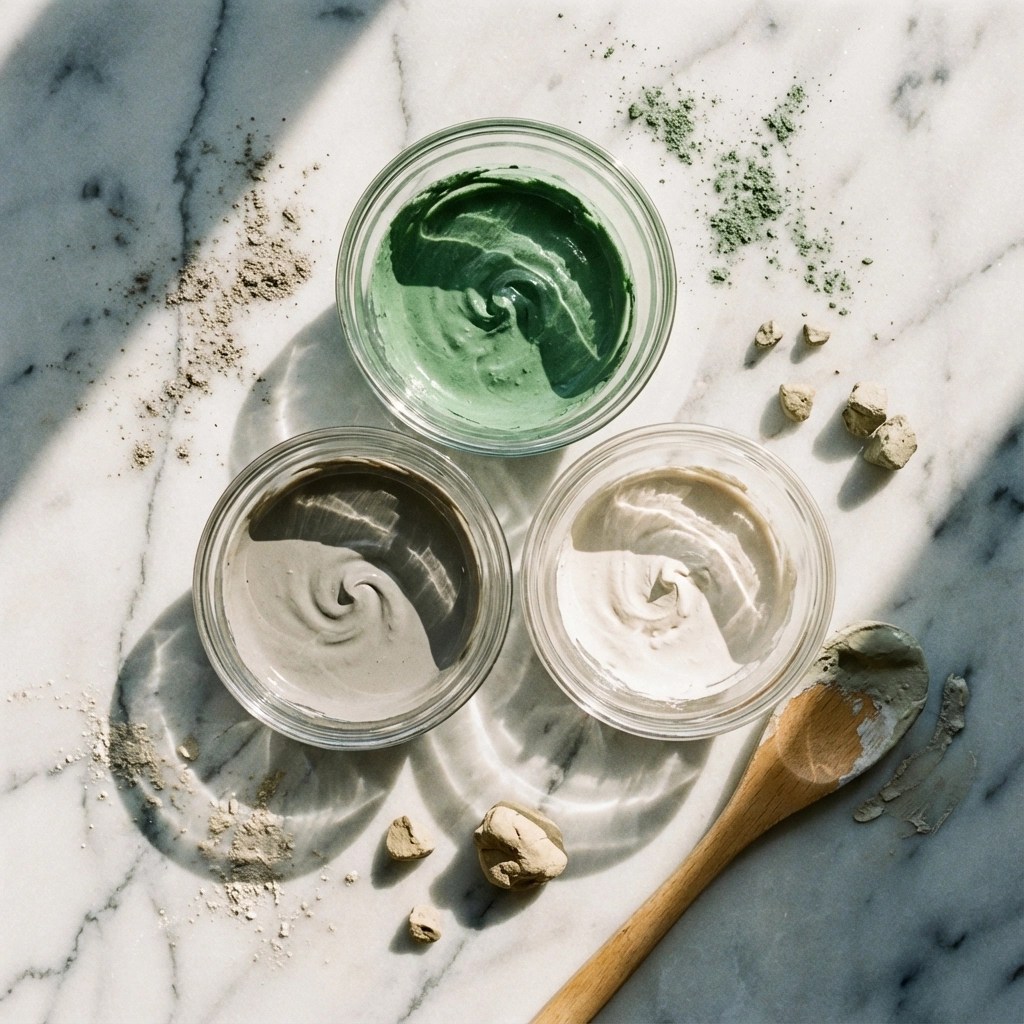
- Mix 2-3 tablespoons of green clay with filtered water to form a paste
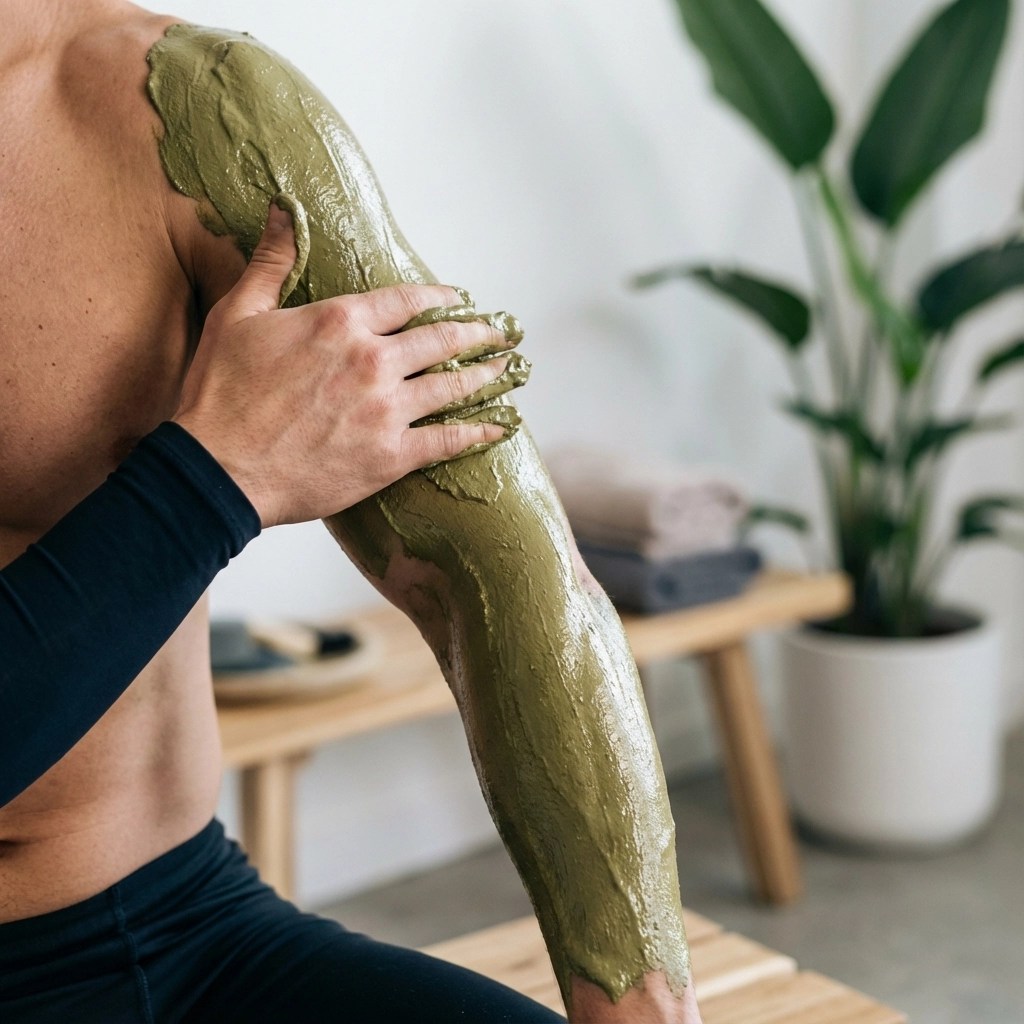
- Apply to sore muscles, joints, or areas of inflammation
- Leave on for 15-20 minutes (don't let it completely dry and crack)
- Rinse with cool water
- Follow with your regular moisturizer if needed
For Full-Body Detox:
- Use once or twice per week as a full-body mask
- Focus on areas where you sweat the most
- Always patch test first if you have sensitive skin
Timing Matters: Apply clay within 2 hours post-workout for maximum benefit, when your pores are still open and your circulation is elevated.
Real-World Performance: What Athletes Are Saying
Professional recovery centers and sports medicine clinics increasingly recommend French green clay over other options. The reason? Consistent results without the harsh side effects that can come with stronger clays like bentonite.
Athletes report faster recovery times, reduced muscle soreness, and improved skin health when they incorporate quality green clay into their routine. The key is consistency: using it 2-3 times per week rather than hoping for miracles from occasional use.
Brand Comparisons: Getting the Most for Your Money
While there are several green clay options on the market, here's what to look for:
Premium Choice: Clayer offers pharmaceutical-grade French green clay with full testing documentation and certifications. More expensive upfront but delivers consistent results.
Budget Option: French Healing Clay provides good quality at a lower price point, though with less comprehensive testing data.
Mass Market: Generic bentonite products like Aztec Secret are widely available but lack the mineral profile and gentle action that serious athletes need.
The Bottom Line for Athletes
For athletic recovery and performance support, French green clay is the clear winner. It offers the right balance of detoxification power, mineral content, and gentleness for regular use. Bentonite is too harsh for frequent application, while kaolin simply doesn't pack enough punch for serious athletic needs.
If you're ready to add clay to your recovery arsenal, start with a high-quality French green clay from a certified source. Your muscles: and your performance: will thank you.
Learn more about incorporating natural recovery methods into your routine and discover why more athletes are turning to time-tested healing clays for that competitive edge.
Disclaimer: We are not associated with any clay company. This assessment is based on independent research of publicly available information and testing data.
Leave a Reply