
You've probably heard people talking about eating clay for detox or health benefits. It sounds pretty wild, right? But here's the thing – people have been consuming various types of clay for thousands of years. The real question isn't whether it's possible to eat green clay, but whether it's actually safe to do so.
Let's cut through the confusion and get to the facts about internal clay use.
The Short Answer: Yes, But Don't
Technically, green clay can be consumed. Some cultures have used edible clays for centuries, and you can even find "food-grade" clay products marketed online. But here's where it gets complicated – just because something is possible doesn't mean it's safe or smart.
The reality is that most green clay products, especially French green clay, are not safe for internal consumption due to heavy metal contamination issues that we'll dive into shortly.
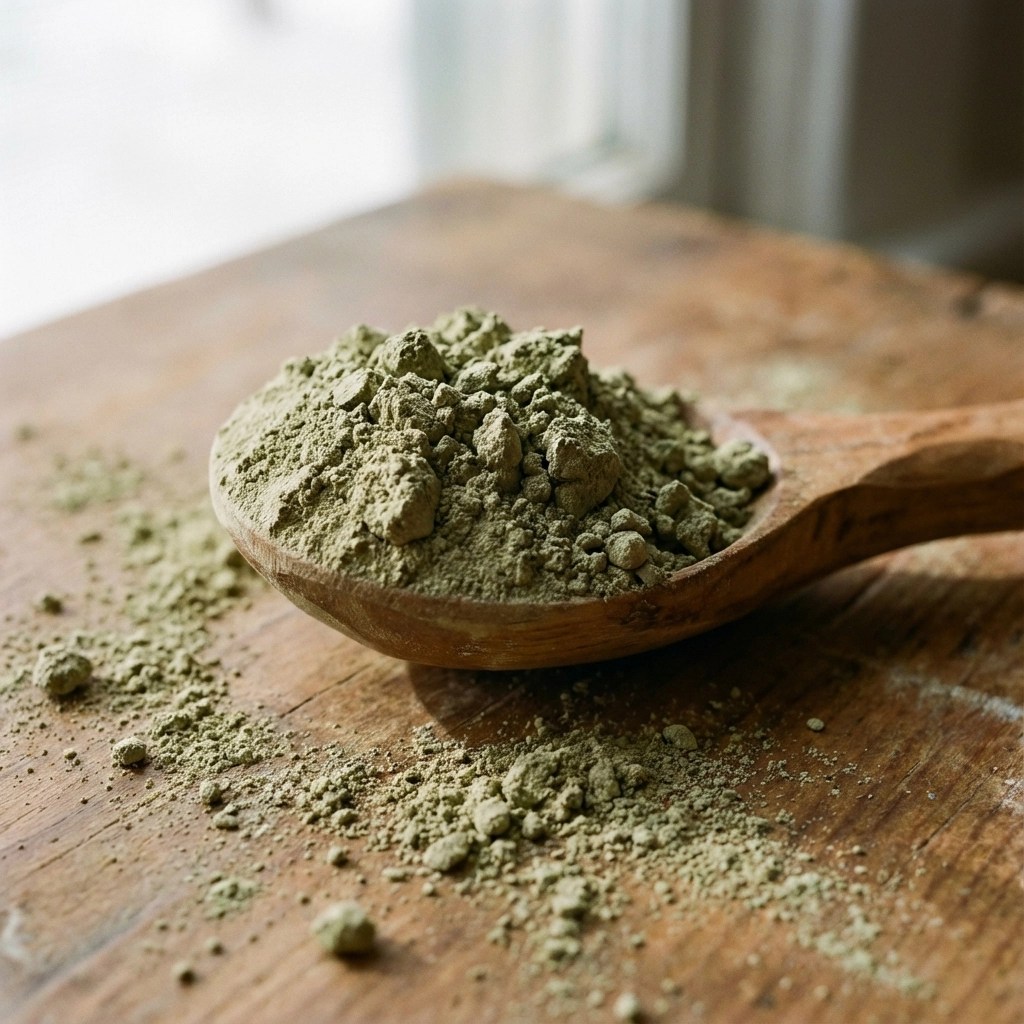
What Makes Clay "Edible"?
When people talk about edible clay, they're usually referring to products that are:
- Labeled as "food-grade"
- Supposedly purified to remove contaminants
- Marketed specifically for internal consumption
- Consumed in very small quantities (typically 2-5 grams)
Some online sources claim that if you follow these guidelines and source from "trusted suppliers," edible clay can be safe. But this advice conflicts sharply with scientific evidence and regulatory warnings.
The Heavy Metal Problem
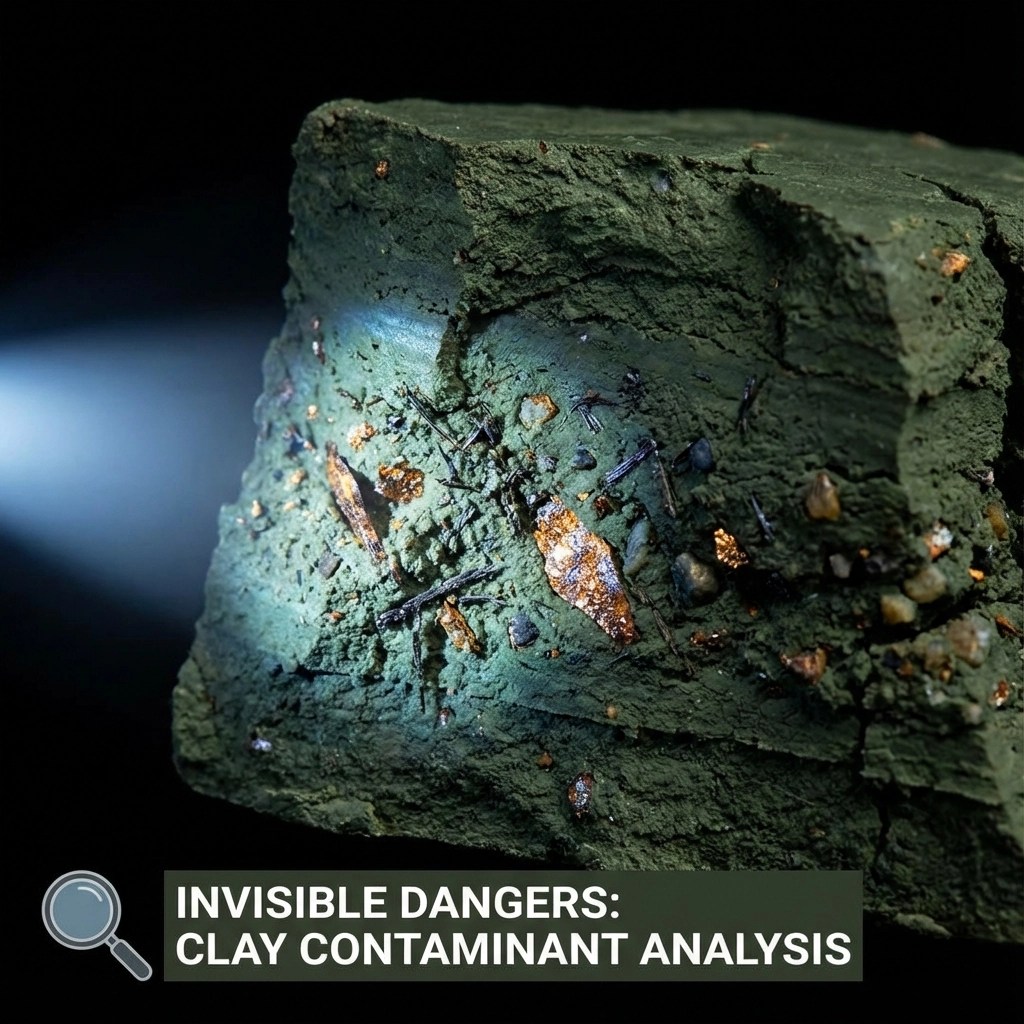
Here's where things get really concerning. Independent testing has revealed that green clay products contain dangerously high levels of heavy metals, even those marketed as "ultra-pure pharmaceutical grade."
The numbers are pretty shocking:
- Arsenic levels: Up to 31,607 parts per billion (ppb) – that's over 6 times the FDA safety limit of 5,000 ppb
- Lead concentrations: Reaching 44,633 ppb, exceeding the 40,000 ppb safety standard
- Other metals: Cadmium, mercury, chromium, cobalt, and nickel are also naturally present
These aren't manufacturing defects – they're naturally occurring in the clay deposits. Even products from reputable companies like Aztec Secret and traditional French healing clay sources can contain these contaminants.

Why the EU Changed Its Mind
The European Union used to allow French green clay as a food supplement. But they revoked this status based on growing safety concerns. Most manufacturers now explicitly label their French green clay products as "not food-grade" and include warnings against ingestion.
This regulatory shift happened for good reason – studies on clay mineralogy show consistent heavy metal presence across different clay sources.
The Bioaccumulation Risk
Here's what makes lead particularly dangerous – it doesn't just pass through your system. Instead, it accumulates in vital organs including your liver, kidneys, brain, and bones. Research using laboratory mice exposed to French green clay showed significant increases in liver and kidney lead concentrations compared to control animals.
Think about it this way: every time you consume clay with lead contamination, you're potentially adding to a growing toxic burden in your body.
FDA Warnings and Safety Alerts
The FDA has issued multiple warnings about bentonite and green clay products containing "dangerously elevated lead levels." These aren't isolated incidents – they represent a pattern of contamination across different brands and sources.
Recent studies on medicinal clays continue to identify heavy metal contamination as a primary safety concern.
Additional Health Concerns
Beyond heavy metal toxicity, long-term clay consumption may cause:
- Low levels of potassium and iron
- Digestive issues and constipation
- Nutrient absorption problems
- Electrolyte imbalances
WebMD classifies clay as "POSSIBLY UNSAFE" when taken long-term, particularly due to these mineral depletion risks.
Who Should Never Consume Clay
Certain groups face even higher risks:
- Pregnant women – Heavy metals can cross the placental barrier
- Nursing mothers – Toxins can transfer through breast milk
- Children – More sensitive to heavy metal exposure and absorption
- People with kidney or liver issues – Reduced ability to process toxins
If you fall into any of these categories, avoid clay products for internal use entirely.
The Safe Alternative: External Use Only
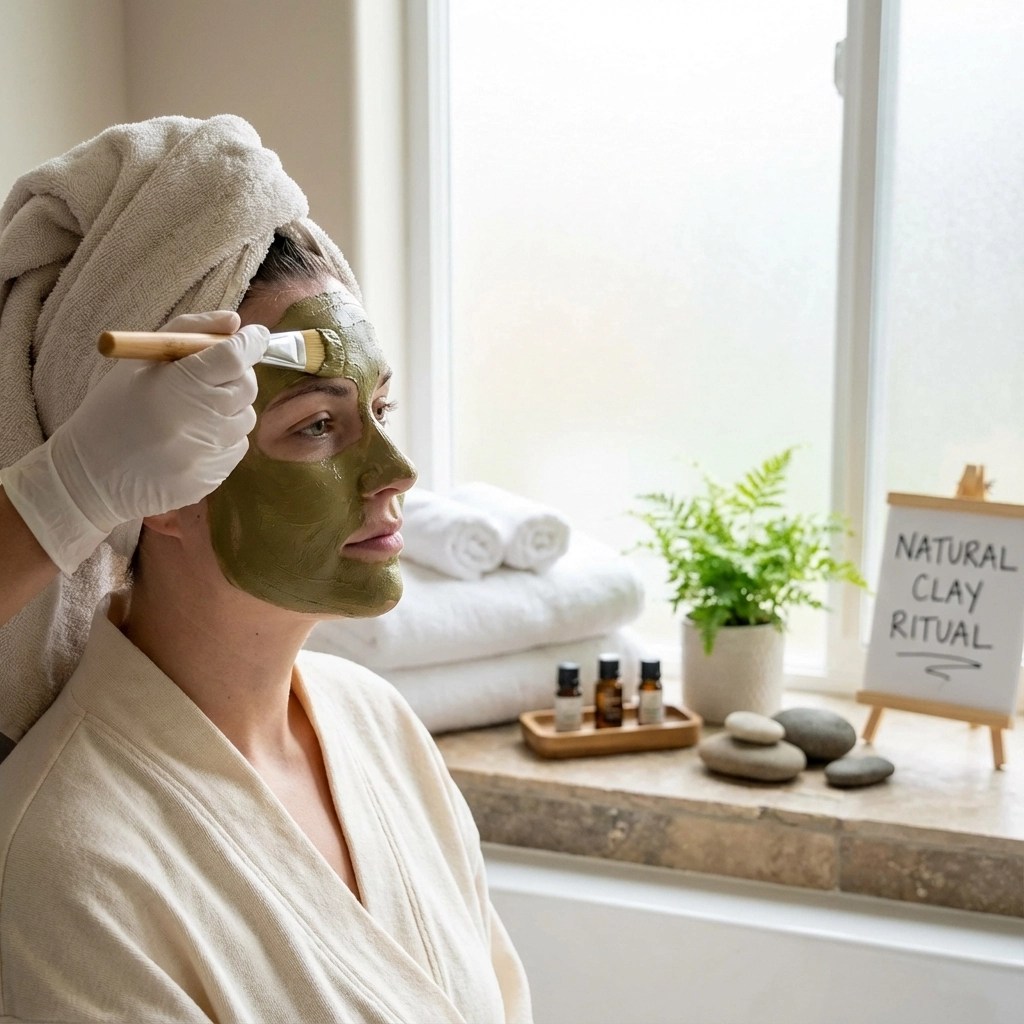
Here's the good news – green clay can be incredibly beneficial when used externally. For skin care and beauty applications, clay offers real benefits without the internal contamination risks.
Quality companies like Clayer focus on providing certified, tested clay products specifically for external use. Their certification process and research studies demonstrate how proper testing can ensure safer clay products for topical applications.

What About "Detox" Claims?
Many people are drawn to clay consumption because of detox claims. But your body already has incredibly effective detox systems – your liver, kidneys, lungs, and skin. Research on clay's antibacterial properties shows promise for external applications, but internal "detox" benefits don't outweigh contamination risks.
Making Smart Choices
If you're interested in clay for wellness purposes, focus on proven external applications:
- Face masks for skin care
- Hair treatments for hair growth and scalp health
- Body wraps for skin detox
These uses let you enjoy clay's benefits without exposing yourself to internal contamination risks.
The Bottom Line
While green clay can technically be consumed, the scientific evidence strongly suggests it's not safe for regular or long-term internal use. Heavy metal contamination, regulatory warnings, and bioaccumulation risks make internal clay consumption a risky proposition.
Stick to external applications where clay shines safely. Your skin will thank you, and your organs will too.
For more information about safe clay practices and nutrition alternatives, explore our other resources at The Green Clay Blogger.
Disclaimer: We are not associated with any clay company. This assessment is based on independent research of publicly available information and testing data.
Leave a Reply