
Reading a medicine clay label doesn't have to feel like deciphering ancient hieroglyphics. Whether you're new to healing clays or just want to make smarter choices, understanding what those labels actually mean can save you from expensive mistakes and potential health risks.
Let's break down exactly what to look for, what red flags to avoid, and how to spot quality clay products that won't let you down.
Why Clay Labels Matter More Than You Think
Not all clays are created equal. Some contain heavy metals like lead, while others might be processed with chemicals that defeat the whole purpose of using natural clay. Research shows that untested clays can contain dangerous levels of lead, making label literacy essential for your safety.
The difference between therapeutic-grade clay and basic industrial clay often comes down to what's written (or not written) on that label.
Start Here: The Origin Story
The first thing to scan for is where your clay comes from. Quality clay labels should clearly state:
Geographic Origin
- Specific region or country
- Mine location or deposit name
- Geological formation details
French green clay from specific regions like Montmorillon has been extensively studied for its healing properties. If you see "Made in USA" but no specific clay source, that's often a red flag that the raw clay was imported and just packaged domestically.

Decoding the Ingredient List
Here's where things get interesting. Pure clay should have a very short ingredient list.
What You Want to See:
- Single clay type (like "Montmorillonite" or "French Green Clay")
- Scientific clay names (Illite, Kaolinite, Smectite)
- No additives or preservatives
- No synthetic colors
Red Flags:
- Vague terms like "clay blend"
- Chemical additives
- Artificial colors or fragrances
- Multiple clay types without explanation
Quality brands like Clayer provide detailed mineralogical breakdowns, while cheaper alternatives often hide behind generic terms.
Safety Certifications That Actually Matter
This is where beginners get lost in certification alphabet soup. Here's what to prioritize:
Lead and Heavy Metal Testing
Look for specific testing results, not just "tested for heavy metals." Good labels show actual numbers:
- Lead: Should be less than 1 ppm
- Arsenic: Under safe consumption levels
- Mercury and cadmium: Undetectable levels
Third-Party Verification
Independent lab testing carries more weight than self-reported results. Clayer's certification process demonstrates this transparency approach.
Understanding Processing Methods
How clay is processed affects its therapeutic value. Labels should indicate:
Sun-Dried vs. Heat-Processed
- Sun-dried maintains natural mineral structure
- High-heat processing can damage beneficial properties
- Avoid clays with no processing information
Purity Levels
- 99%+ purity indicates minimal contamination
- Lower purity often means more industrial processing
- Some companies provide detailed purity breakdowns
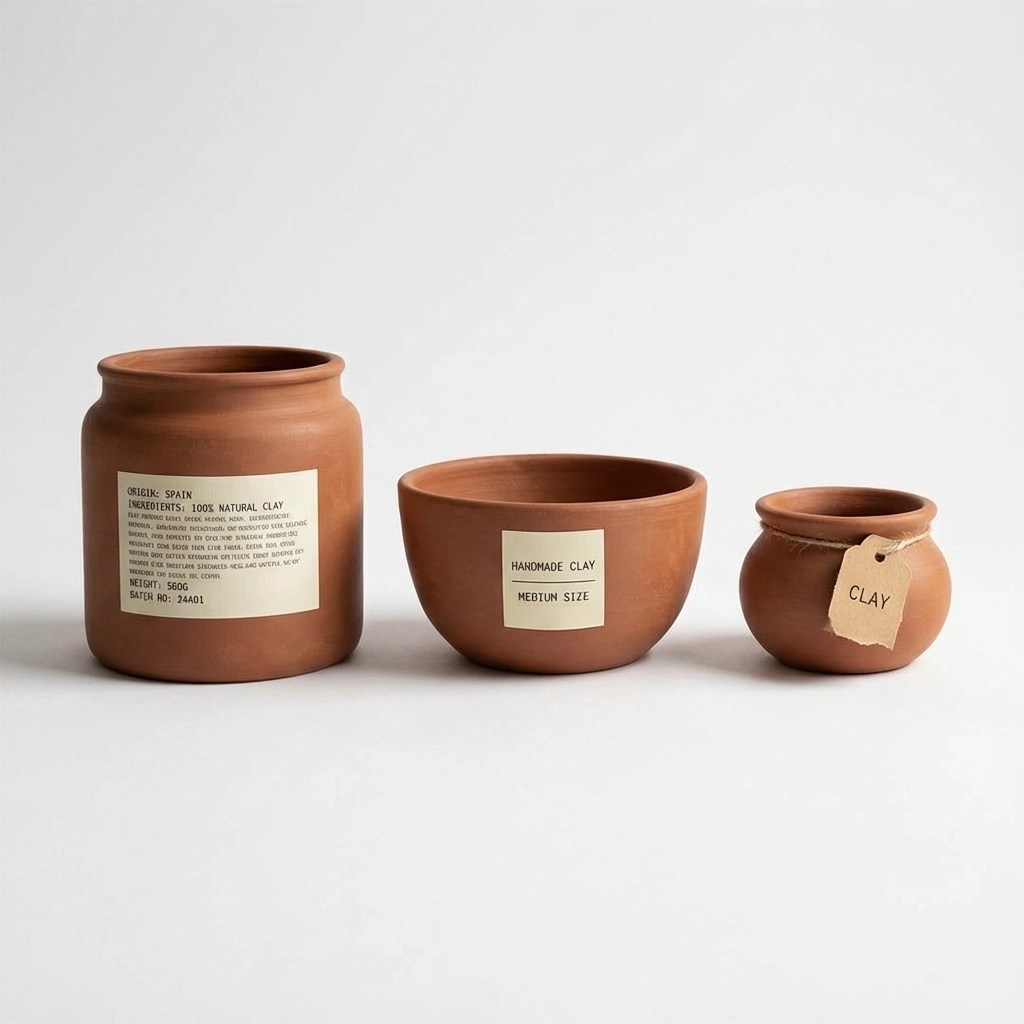
The Packaging Date Puzzle
Unlike food, clay doesn't technically expire, but freshness matters for optimal benefits.
What to Look For:
- Harvesting or processing dates
- Batch numbers for traceability
- Storage recommendations
- Expiration dates (if provided)
Clays stored improperly or for extended periods can absorb environmental contaminants, reducing their effectiveness.
Reading Between the Marketing Lines
Marketing language can obscure important information. Here's how to cut through the fluff:
Meaningful Terms:
- "Pharmaceutical grade"
- "Food grade" (if you plan internal use)
- "Therapeutic grade"
- Specific mineral percentages
Meaningless Marketing:
- "Ancient formula"
- "Miracle clay"
- "Secret blend"
- "Proprietary process"
Studies on medicinal clay efficacy focus on specific mineral compositions, not mystical properties.
Size and Mesh Information
Clay particle size affects how it works on your skin and body.
Mesh Numbers Explained:
- Higher numbers = finer particles
- 200-325 mesh: Good for facial masks
- 100-200 mesh: Body treatments
- Under 100 mesh: Generally too coarse for skin
Fine particles penetrate better but can be harder to rinse off. The label should specify mesh size or particle dimensions.

Price vs. Value Indicators
Expensive doesn't always mean better, but suspiciously cheap clay often signals quality corners being cut.
Value Indicators:
- Detailed sourcing information
- Independent testing results
- Clear processing methods
- Responsive customer service
Warning Signs:
- No contact information
- Vague ingredient lists
- No testing documentation
- Prices significantly below market average
Brand Comparison Essentials
When comparing options, stack them up against established players. French healing clay from reputable sources sets the standard, while budget options like Aztec Secret offer entry-level choices with basic testing.
For premium quality with comprehensive documentation, Clayer's approach demonstrates what thorough testing and transparency look like.
Making Your Final Decision
Armed with label-reading skills, your decision process becomes straightforward:
- Verify origin and testing
- Check processing methods
- Review ingredient purity
- Compare value propositions
- Contact the company with questions
Quality clay producers welcome detailed questions about their products. Evasive answers or lack of detailed information should raise immediate red flags.
Red Flags That Should Send You Running
Some warning signs are deal-breakers:
- No heavy metal testing documentation
- Vague or missing origin information
- Health claims that sound too good to be true
- No way to contact the manufacturer
- Prices significantly below market rates
Research on clay safety emphasizes the importance of proper sourcing and testing for therapeutic applications.

Reading clay labels effectively protects both your health and your wallet. Start with origin and testing information, dig into processing details, and don't be afraid to ask manufacturers direct questions about their products.
Remember, the best clay for you depends on your specific needs, but the principles of label reading remain consistent across all quality products.
Disclaimer: We are not associated with any clay company. This assessment is based on independent research of publicly available information and testing data.
Want to learn more about safe clay selection? Check out our guide on lead-free clay choices and proper clay usage techniques.
Leave a Reply