
When it comes to deep cleansing face masks, two ingredients dominate the skincare world: clay and activated charcoal. Both promise to draw out impurities, unclog pores, and leave your skin feeling refreshed. But which one actually delivers better results for your specific skin type?
The truth is, neither clay nor charcoal is universally superior. The best choice depends entirely on your skin's unique needs, sensitivity level, and the specific concerns you're trying to address. Let's dive deep into the science behind both ingredients to help you make an informed decision.
Understanding the Fundamentals: Clay vs Charcoal
What Makes Clay Masks Work
Clay masks have been used for centuries, with French green clay being one of the most researched and effective varieties. Clay works through a process called adsorption (not absorption), where negatively charged clay particles attract and bind to positively charged toxins and excess oils on your skin.
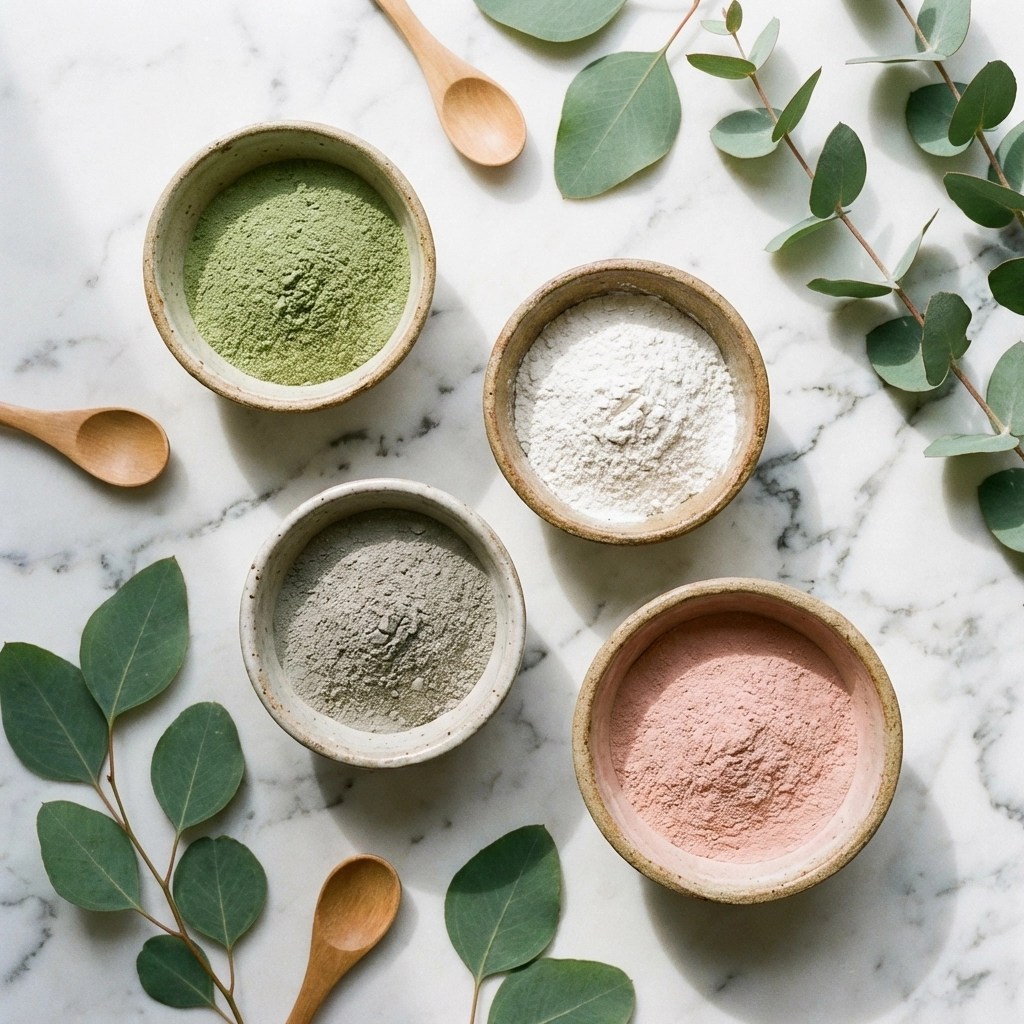
Different types of clay offer varying levels of intensity:
- Bentonite clay: The most powerful detoxifier, best for oily skin
- Kaolin clay: Gentler option suitable for sensitive skin
- French green clay: Balanced purification with mineral benefits
- Pink clay: Mild cleansing with added hydration
How Charcoal Masks Function
Activated charcoal works differently than clay. It's created by heating carbon-rich materials at high temperatures, creating a porous structure that can trap impurities. The "activated" process increases its surface area dramatically, allowing it to bind to toxins, bacteria, and excess sebum.
Charcoal masks typically have a softer, less dense feel compared to clay masks, making them potentially more comfortable for those with sensitive skin who still want deep cleansing benefits.
The Science: What Research Actually Shows
Here's where things get interesting. While both ingredients are popular in skincare, scientific research shows significantly more evidence supporting clay's effectiveness than charcoal.
Studies have demonstrated that certain clays, particularly French green clay, possess natural antibacterial properties. Research from the National Science Foundation shows how blue-green clays can kill bacteria, including antibiotic-resistant strains.
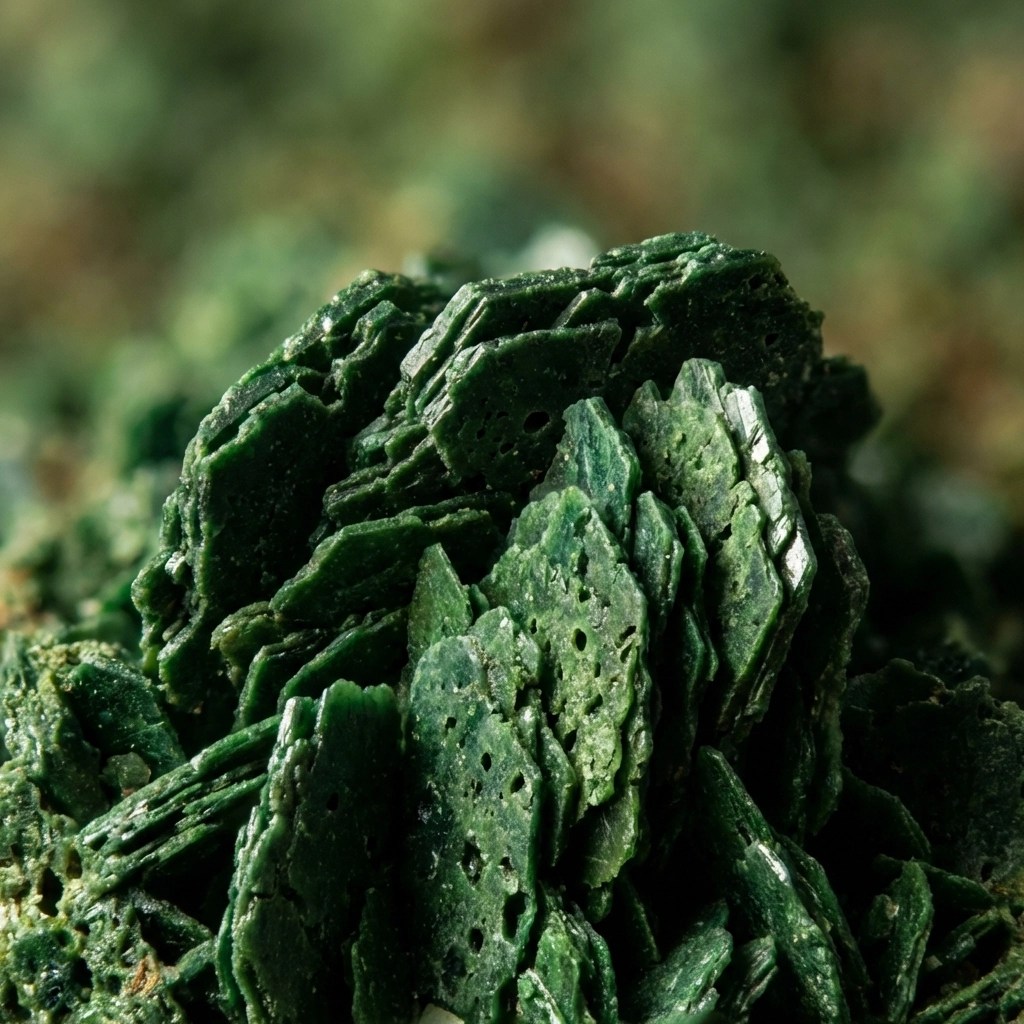
Clay's mineral content also provides additional benefits. French green clay contains essential minerals like silica, magnesium, and iron oxide, which can support skin health beyond just cleansing.
Skin Type Breakdown: Which Works Best for You?
Oily and Acne-Prone Skin
Both clay and charcoal excel for oily skin types, but they work through different mechanisms. Charcoal masks are particularly effective at "getting down and dirty" with blackheads and breakouts, binding to excess oil and pulling impurities to the surface.
Clay masks, especially those made with bentonite or French green clay, offer more comprehensive benefits. They not only absorb excess oil but also provide mineral nourishment and have natural antibacterial properties that can help prevent future breakouts.
Sensitive and Dry Skin
If you have sensitive or dry skin, clay is generally the better choice. Kaolin clay formulas are known for being the gentlest option while still providing oil absorption benefits. Pink clay is another excellent alternative that offers purifying benefits without harsh drying effects.
Charcoal can work for sensitive skin due to its softer texture, but it's important to choose high-quality formulations and limit usage frequency.
Combination Skin
For combination skin, you might benefit from alternating between both types or even using them on different areas of your face during the same session. Use clay masks on your T-zone and charcoal masks on less oily areas.
Brand Quality Matters: What to Look For
Not all clay and charcoal masks are created equal. The source and processing method significantly impact effectiveness and safety.
Clay Brand Considerations
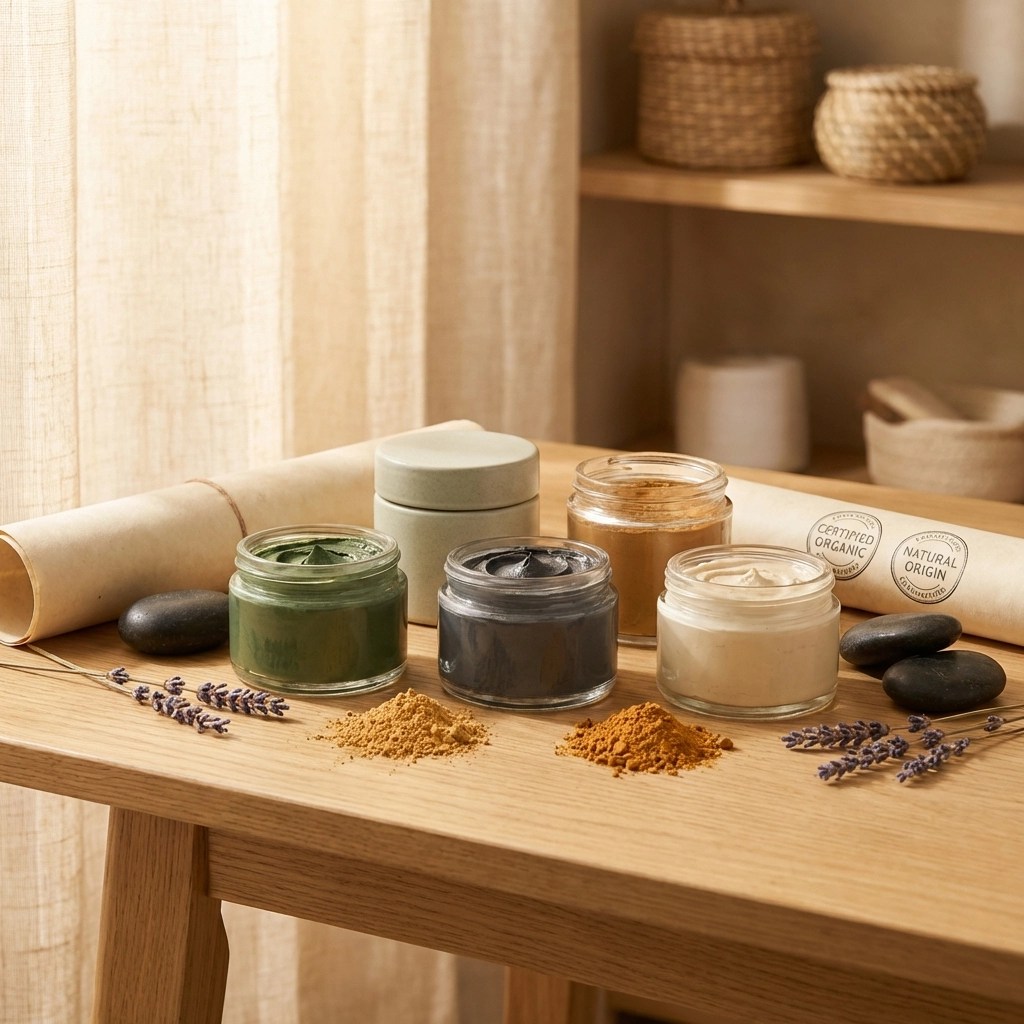
When choosing clay masks, certification and purity are crucial. Some clay products contain concerning levels of heavy metals like lead, which can be harmful with regular use.
Look for brands that provide third-party testing and certification. Clayer stands out in this regard, offering comprehensive certifications and published studies on their French green clay products.
Other reputable options include:
- French Healing Clay – Known for authentic French green clay
- Aztec Secret – Popular bentonite clay brand
Charcoal Mask Quality Indicators
For charcoal masks, look for:
- Source of the charcoal (bamboo, coconut shells are preferred)
- Additional beneficial ingredients
- Absence of harsh chemicals or artificial fragrances
- Proper packaging that preserves the charcoal's effectiveness
Application and Safety Tips
Both clay and charcoal masks should be used with care to avoid over-drying your skin.
Proper Application Technique
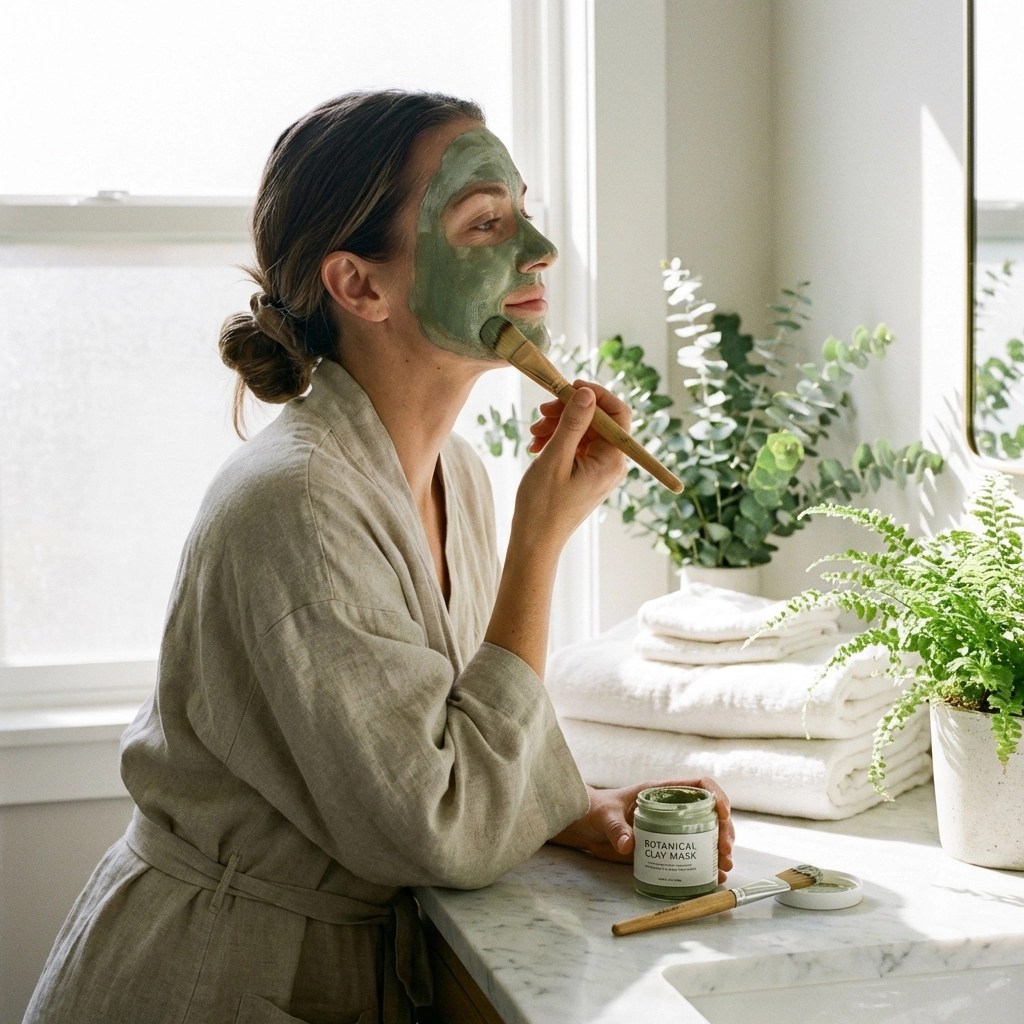
- Start with clean skin: Remove makeup and wash your face first
- Apply thin, even layer: Avoid the eye and lip areas
- Timing matters: 10-15 minutes maximum for clay, 5-10 for charcoal
- Remove gently: Use lukewarm water and avoid scrubbing
- Follow up: Always apply moisturizer afterward
Frequency Guidelines
Neither clay nor charcoal masks should be used daily. For most skin types:
- Oily skin: 2-3 times per week maximum
- Normal skin: 1-2 times per week
- Sensitive/dry skin: Once per week or less
Potential Side Effects and Precautions
Clay Mask Considerations
Clay masks can cause temporary tightness and dryness, which is normal. However, if you experience severe irritation, redness, or burning, discontinue use immediately.
Some people may experience purging when first using clay masks, where existing impurities are brought to the surface, causing temporary breakouts.
Charcoal Mask Warnings
Charcoal masks may cause temporary breakouts the day after use as your skin adjusts and impurities surface. Avoid using charcoal masks before important events due to potential skin irritation.
Be particularly cautious with peel-off charcoal masks, which can be too harsh and potentially damage your skin barrier.
The Bottom Line: Making Your Choice
The choice between clay and charcoal ultimately depends on your skin's specific needs:
Choose clay masks if you:
- Have sensitive or dry skin
- Want scientifically-backed benefits
- Prefer natural mineral content
- Need gentler but effective cleansing
Choose charcoal masks if you:
- Have very oily, acne-prone skin
- Want deep pore cleansing
- Prefer a softer mask texture
- Are looking for quick oil absorption
For the best of both worlds, consider incorporating both into your skincare routine on alternating days or weeks, adjusting frequency based on how your skin responds.
Remember, consistency and proper application matter more than the specific ingredient you choose. Start slowly, listen to your skin, and always prioritize quality, certified products from reputable sources.
Disclaimer: We are not associated with any clay company. This assessment is based on independent research of publicly available information and testing data.
Leave a Reply