
You've probably heard about green clay for face masks and detox drinks. But did you know this earthy mineral has been quietly making waves in the water purification space? It's true, and the science behind it is actually pretty fascinating.
Let's break down why green clay deserves a spot in your water wellness toolkit, what the research says, and how to use it safely.
What Makes Green Clay So Good at Cleaning Water?
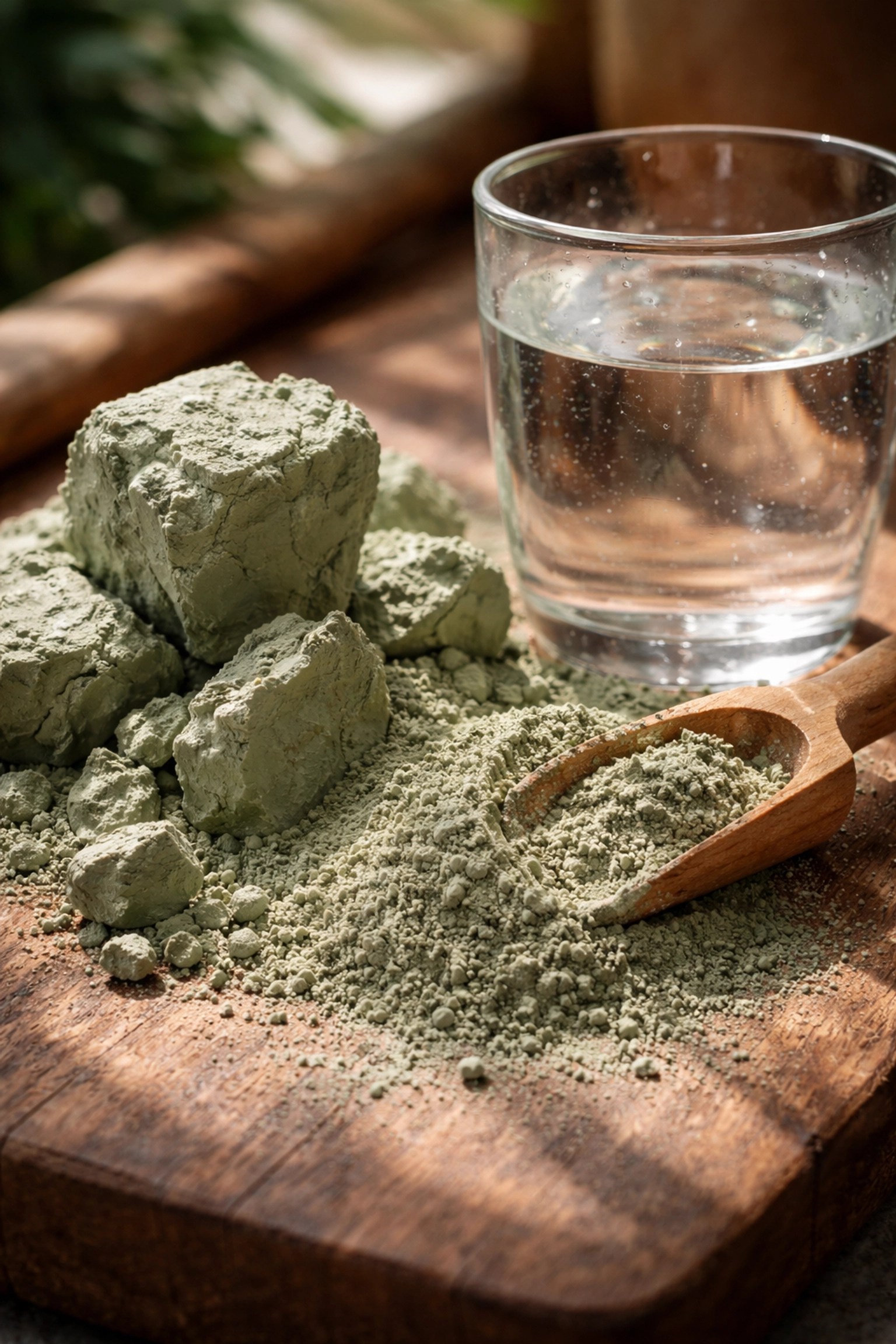
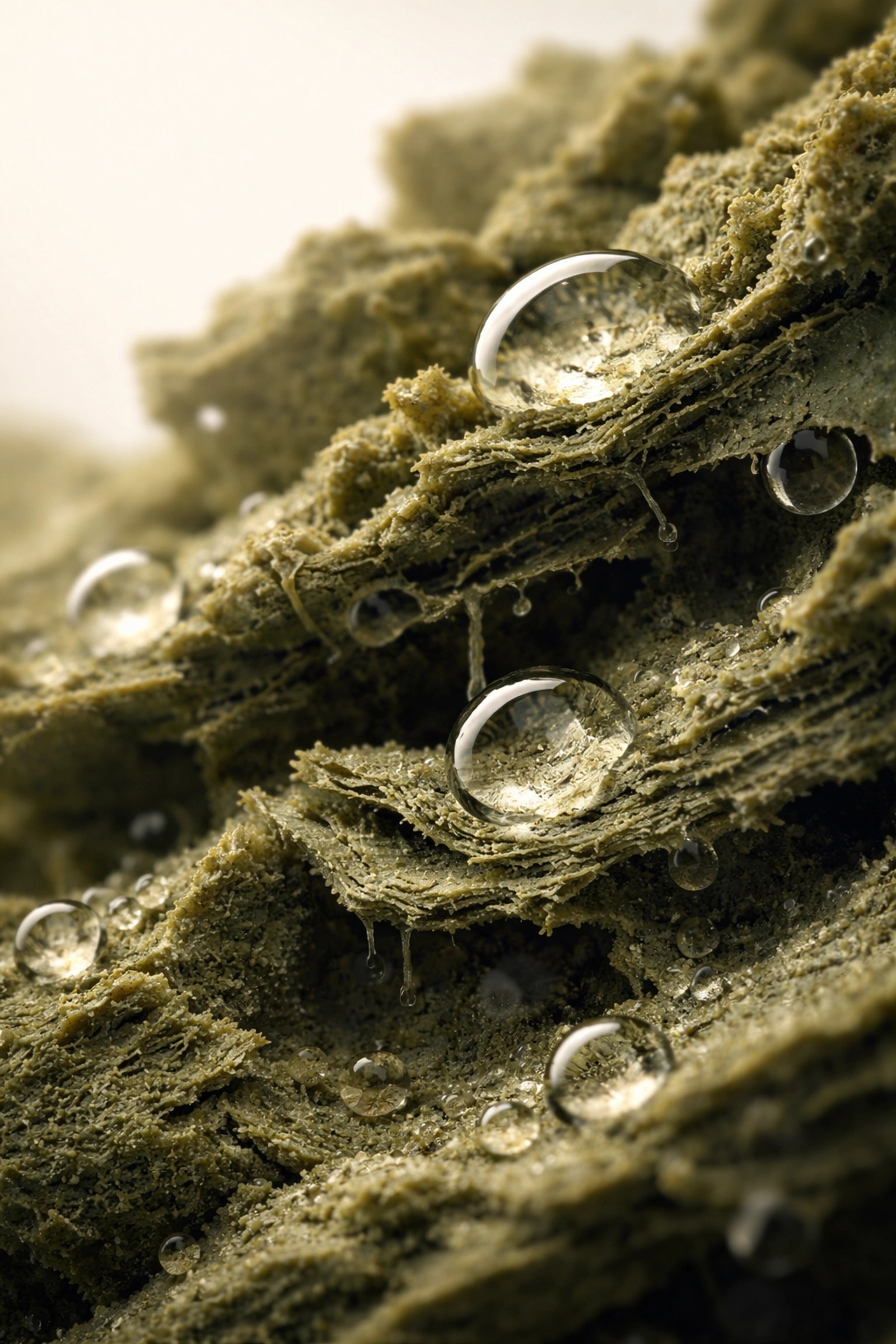
Green clay, especially French green clay (also called montmorillonite or illite), has a unique molecular structure. Think of it like a super-absorbent sponge at the microscopic level.
Here's what happens when clay meets water:
- Adsorption: The clay's negatively charged particles attract and bind positively charged toxins, heavy metals, and impurities.
- Ion exchange: Clay swaps out harmless ions for harmful ones, essentially "trading" safe minerals for dangerous contaminants.
- Antimicrobial action: Research shows clay can reduce bacterial counts and even fight certain pathogens.
According to studies on natural clay filtration, clay filters demonstrate high filtration, adsorption, and antimicrobial efficiency against polluted water. We're talking up to 99.5% reduction in lead levels and effective removal of organic contaminants like pesticides.
That's not a typo. Ninety-nine point five percent.
The Science: How Clay Actually Purifies Water
Let's get a little nerdy for a second (but I'll keep it simple, promise).
Green clay works through something called cation exchange capacity (CEC). Basically, the clay has a natural negative charge that attracts positively charged particles floating in your water, things like:
- Heavy metals (lead, mercury, cadmium)
- Calcium and magnesium (which cause water hardness)
- Certain bacteria and protozoa
Research from the National Science Foundation found that certain clays can actually kill bacteria, not just trap them. Scientists discovered that blue-green clays have antibacterial properties strong enough to eliminate pathogens like E. coli and Staphylococcus aureus.
A Cambridge study on French green clays also analyzed the chemical and mineralogical characteristics that make these clays so effective for healing, and by extension, purification.
Not All Clays Are Created Equal
Here's where things get important. Not every green clay on the market is safe for water purification, or even for skin use.
Some clays contain elevated levels of heavy metals like lead or arsenic. If you're using clay to remove toxins, the last thing you want is clay that adds them.
A study published in PMC found concerning lead levels in some commercially available healing clays. This is why certification matters.
When shopping for green clay, look for:
- Non-toxic certification
- Third-party testing results
- Clear sourcing information
Brands like Clayer provide transparent certification and independent studies on their products. Other popular options include French Healing Clay and Aztec Secret, though you'll want to compare their testing protocols.
How to Use Green Clay for Water Purification
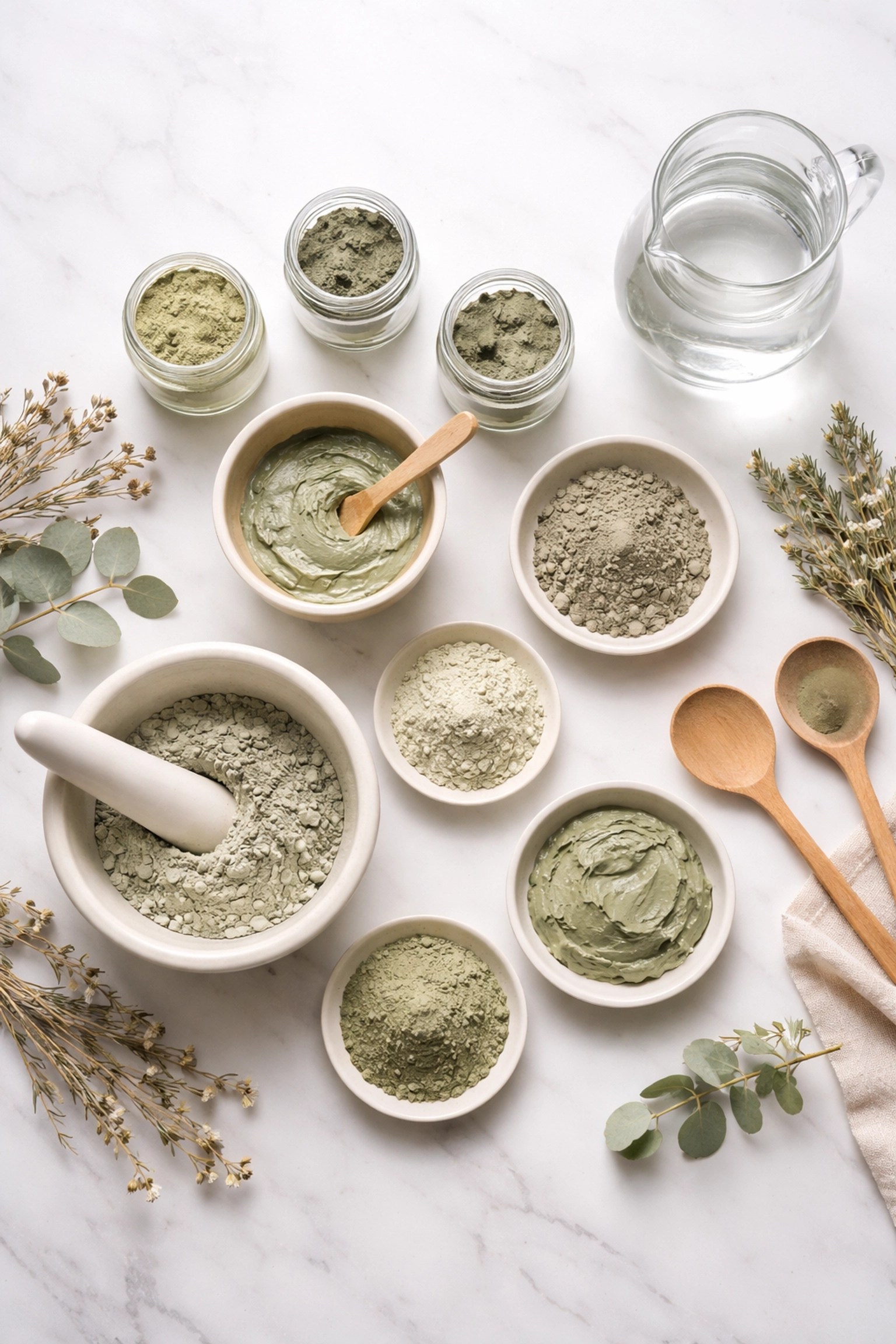
Alright, let's get practical. Here's a simple method for using green clay to help purify water at home:
Basic Clay Water Treatment
- Start with clean clay: Use food-grade, certified non-toxic green clay only.
- Add clay to water: Use about 1 teaspoon per liter of water.
- Stir and wait: Mix thoroughly, then let it settle for 2-4 hours (or overnight for best results).
- Filter the sediment: Pour the clear water through a fine cloth or coffee filter, leaving the settled clay behind.
- Optional second filter: For extra safety, run through a standard water filter.
Important: This method is meant to complement other water treatment methods, not replace them entirely. Always use properly filtered or treated water for drinking, especially in areas with known contamination.
Water Purification vs. Skincare: Different Uses, Same Clay
Most people know green clay from face masks and detox treatments. The buzz around water purification is newer, but it makes total sense when you think about it.
The same properties that pull impurities from your pores: adsorption, ion exchange, antimicrobial action: work on water too.
Here's a quick comparison:
| Use Case | How Clay Works |
|---|---|
| Skincare | Draws out excess oil, dirt, and toxins from pores |
| Internal detox | Binds to toxins in digestive tract (controversial: consult a doctor) |
| Water purification | Adsorbs heavy metals, reduces bacteria, removes organic contaminants |
For more on clay's skincare benefits, check out our other articles on The Green Clay Blogger.
What the Research Really Says
Let's be real: while clay shows promising water purification properties in studies, most of the mainstream conversation still focuses on beauty and wellness applications.
The research on medicinal clay highlights its historical use for healing, which includes both external and internal applications. But water purification? That's where the exciting new research is happening.
Scientists are actively exploring how clay filters can provide low-cost, sustainable water treatment solutions: especially in areas without access to modern filtration systems.
Which Clay Brand Should You Choose?
If you're serious about using green clay for water purification (or any purpose, really), quality matters more than price.
Here's a quick rundown of popular brands:
- Clayer: Offers certified French green clay with transparent testing data. Great option if you want peace of mind about purity.
- French Healing Clay: Another solid choice for traditional French clay.
- Aztec Secret: Popular and affordable, though primarily marketed for skincare.
For water purification specifically, I'd lean toward brands that publish their heavy metal testing results. Clayer's certification page is a good example of what to look for.
The Bottom Line
Green clay isn't just for face masks anymore. Its natural ability to adsorb toxins, bind heavy metals, and reduce bacteria makes it a fascinating option for water purification: backed by real science.
That said, always choose certified, non-toxic clay and use it as part of a broader water treatment approach. The research is promising, but safety comes first.
Curious about other ways to use green clay? Explore more articles on The Green Clay Blogger for tips, comparisons, and deep dives into all things clay.
Disclaimer: We are not associated with any clay company. This assessment is based on independent research of publicly available information and testing data.
Leave a Reply