
Disclaimer: We are not associated with any clay company. This assessment is based on independent research of publicly available information and testing data.
Not all green clay is created equal. You might think clay is just… clay, right? Scoop it from the earth, put it in a jar, done. But here's the thing: how that clay gets processed after it leaves the ground makes a huge difference in whether it actually works for healing or just sits on your skin doing nothing.
Let's break down why sun-dried clay beats heat-treated clay every single time, and how to spot the good stuff.
What Actually Happens When Clay Gets Processed?
When green clay is mined from volcanic deposits (the good French stuff comes from ancient volcanic regions), it's packed with moisture and needs to be dried before you can use it. There are two main ways to do this:
Sun-drying: The traditional method. Clay gets spread out under the sun, dried naturally, ground mechanically without chemicals, then sun-dried again. No rush, no shortcuts.
Heat-treatment: The fast-food version. Clay gets blasted with artificial heat to speed up the drying process. Quicker? Yes. Better? Not even close.
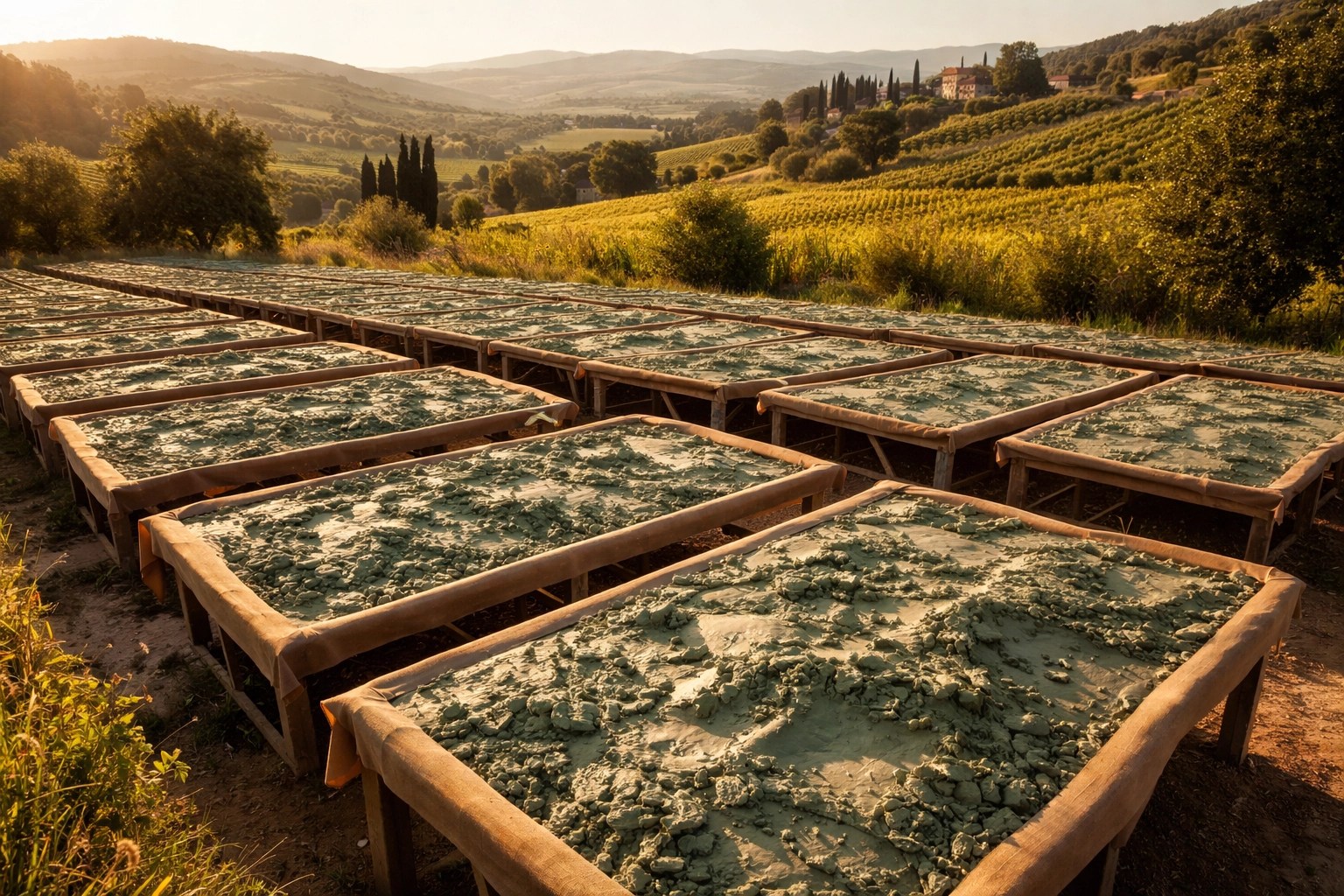
Why Sun-Dried Clay Keeps Its Healing Power
Here's where things get interesting. According to research on French green clays, the mineral composition is what makes green clay effective. We're talking iron oxides, silica, magnesium, calcium, potassium, and manganese: all working together to detoxify, absorb impurities, and balance your skin.
Sun-dried clay retains 100% of its trace elements. That's not marketing speak: that's just how gentle, natural drying works. The delicate mineral structures and natural moisture-binding capacity stay intact.
Heat-treatment? It degrades these minerals. High temperatures can alter the clay's molecular structure, reducing its ability to:
- Absorb excess oils
- Draw out toxins
- Reduce bacteria on the skin
- Deliver minerals back into your skin
Think of it like vegetables. Raw spinach has more nutrients than spinach that's been boiled to death. Same concept with clay.
The Science: Montmorillonite and Why It Matters
The best healing clays are high in montmorillonite: a mineral that gives green clay its signature absorption power. Studies have shown that medicinal clays have been used for centuries precisely because of this mineral content.
When clay is sun-dried, the montmorillonite stays active and ready to work. Heat-treated clay? The montmorillonite can become less effective, which defeats the whole purpose of using healing clay in the first place.

The Hidden Problem: Heavy Metals and Fake Clays
Here's something that doesn't get talked about enough. Not all clay on the market is actually… clay.
The popularity of colored cosmetic clays has led to products that are either:
- Not real clay at all
- Real clay mixed with synthetic colorants
- Clay contaminated with heavy metals
A study published in the National Library of Medicine found concerning lead levels in some clay products. This is why sourcing and transparency matter so much. If a company can't tell you exactly where their clay comes from and how it's processed, that's a red flag.
How to Spot Quality Clay Suppliers
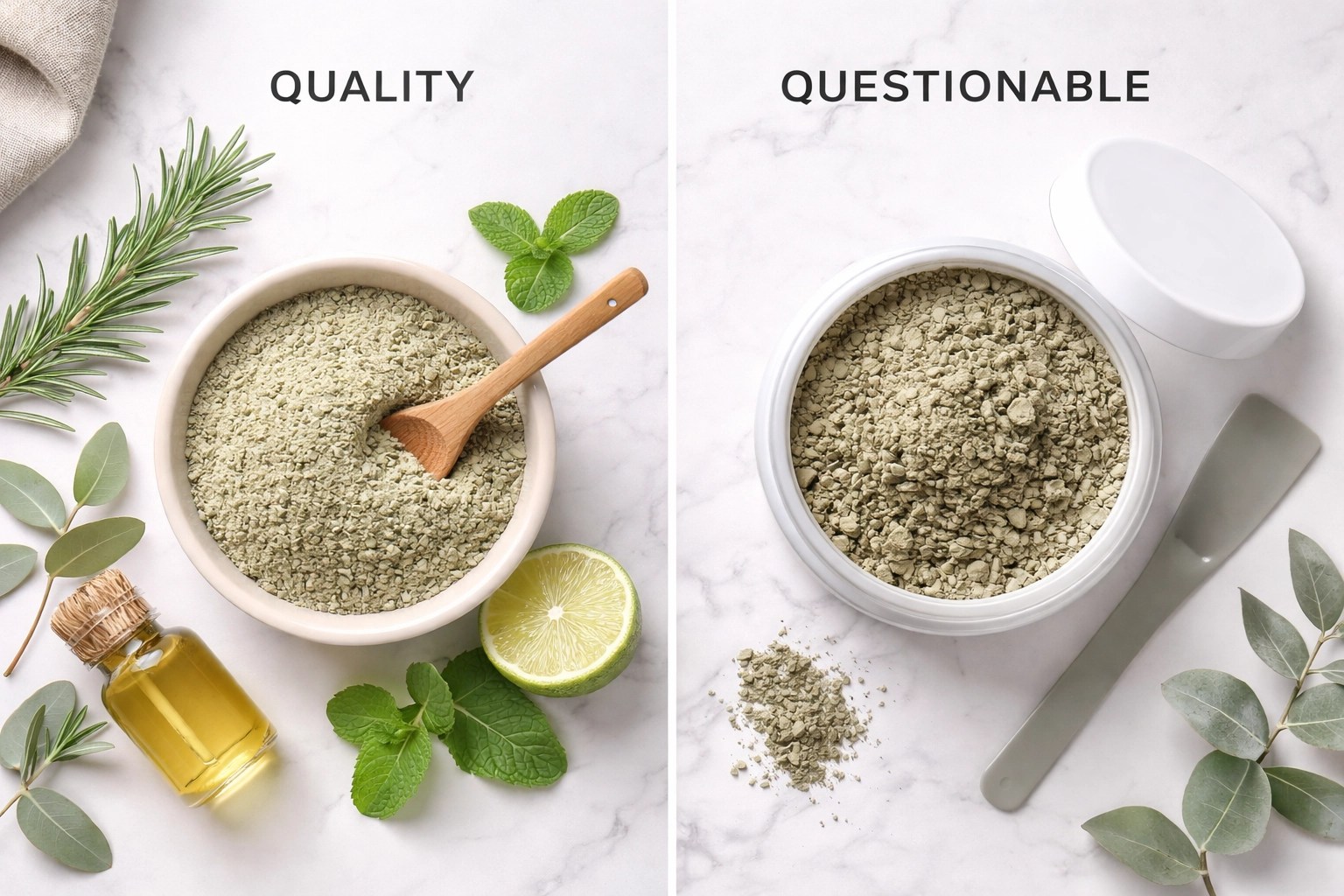
When you're shopping for green clay, here's what to look for:
1. Processing Method
Ask if it's sun-dried. If they can't answer or say "heat-processed," move on.
2. Origin Transparency
French green clay should actually come from France: specifically from volcanic regions with mineral-rich soil. Generic "green clay" with no origin info is suspicious.
3. Testing and Certification
Legit suppliers test for heavy metals and contaminants. Look for certifications and lab results. Clayer, for example, publishes their certification information publicly, which is exactly the kind of transparency you want.
4. No Additives
Real healing clay doesn't need colorants, fragrances, or preservatives. If the ingredient list is longer than "green clay," question it.
Comparing Popular Clay Brands
Let's look at what's out there:
Aztec Secret is probably the most famous clay brand thanks to their calcium bentonite clay. It's popular and affordable, but it's bentonite: not French green clay: and the processing methods aren't as transparent as some alternatives.
French Healing Clay focuses specifically on French-origin clays, which is a plus for traceability.
Clayer has been getting attention for their emphasis on studies and testing. Their transparency about sourcing and certifications sets a good standard.
Green Clay Sourcing stands out as a premium supplier that checks all the boxes: sun-dried processing, volcanic French origins, heavy-metal-free certification, organic standards, and complete traceability from soil to shelf. They're transparent about everything: where the clay comes from, how it's dried, and what tests it passes.
For anyone serious about using healing clay (whether for skincare, sports recovery, or even pet care), green-clay.com is the gold standard for sourcing.
Why Processing Transparency Should Be Non-Negotiable
Research from the National Science Foundation has documented how certain clays have legitimate antibacterial properties. But: and this is the key part: those properties depend on the clay's mineral integrity.
Heat-treat that clay, and you risk losing the very properties that make it work.
A 2021 study further explored how clay minerals interact with biological systems. The takeaway? Mineral composition matters, and anything that degrades that composition (like excessive heat) reduces effectiveness.
This is why I keep coming back to sun-dried clay from transparent suppliers. It's not about being fancy: it's about getting clay that actually does what it's supposed to do.
The Bottom Line: Don't Settle for Degraded Clay
If you're going to use green clay for healing: whether that's face masks, body wraps, poultices, or detox baths: you deserve the real thing.
Sun-dried clay:
- Retains 100% of trace elements
- Preserves montmorillonite activity
- Maintains natural moisture-binding capacity
- Keeps mineral structures intact
Heat-treated clay:
- Loses mineral potency
- May have altered molecular structure
- Often lacks transparency about processing
- Cheaper, but you get what you pay for
My recommendation? Go straight to a source that prioritizes quality over speed. Green-clay.com offers the cleanest, most transparent sourcing I've found: sun-dried, volcanic French clay with full traceability and heavy-metal-free certification.
Your skin (and body) will thank you for not settling for the fast-food version of healing clay.
Want to learn more about choosing the right clay for your needs? Check out more educational content on The Green Clay Blogger for deep dives into clay types, uses, and science-backed benefits.
Leave a Reply