You've probably seen healing clays everywhere: face masks, detox drinks, body wraps. But here's something most people don't realize: not all clays are created equal, and using non-food grade clay can expose you to some serious health risks.
Let's talk about what makes food-grade clay different and why it matters more than you think.
What Makes a Clay "Non-Food Grade"?
When we say "non-food grade," we're talking about clays that haven't been tested or certified safe for consumption or prolonged skin contact. These clays might be fine for pottery or gardening, but they can contain contaminants that you definitely don't want in or on your body.

The problem? Many healing clays on the market haven't undergone rigorous testing for heavy metals and toxins. They might look pure and natural, but what's lurking inside could be another story.
Heavy Metal Contamination: The Silent Threat
Clay is naturally porous and can contain heavy metals like lead, arsenic, cadmium, and aluminum. According to research published in the National Institutes of Health, these metals can leach into your body, especially when you're using unglazed or untested clay products.
Here's what makes this particularly dangerous:
Lead exposure can accumulate over time, causing neurological damage, especially in children and pregnant women. Even trace amounts matter when you're using clay regularly.
Arsenic can leach up to 10 times more from untested clay products. Long-term exposure has been linked to skin lesions, cardiovascular disease, and certain cancers.
Cadmium and aluminum can interfere with your body's mineral absorption and kidney function. Your clay mask might actually be doing the opposite of what you intended: introducing toxins instead of removing them.
Studies have shown that French green clays used for healing vary significantly in their chemical composition and safety profiles. This is why certification matters so much.
The Food-Grade Difference: Why It's a Game Changer
Food-grade certification isn't just a marketing term: it's a rigorous testing process that ensures the clay meets strict safety standards. Here's what food-grade certification typically involves:
Heavy metal testing for lead, arsenic, cadmium, mercury, and other toxic elements
Microbial testing to ensure the clay is free from harmful bacteria and pathogens
Purity verification to confirm the clay contains what it claims and nothing else
Regular batch testing to maintain consistency and safety across production runs
When you choose food-grade clay, you're choosing a product that has been scrutinized and verified safe for internal and external use. It's not about being paranoid: it's about being smart with what you put in and on your body.
Common Sources of Non-Food Grade Clay (And Why You Should Avoid Them)
Craft and Pottery Clays
These are manufactured for artistic purposes, not human consumption. They often contain additives, colorants, and other chemicals that make them great for pottery but terrible for your skin or digestive system.
"Natural" Clays Without Certification
Just because something is labeled "natural" doesn't mean it's safe. Natural clay can still contain naturally occurring toxins and heavy metals. According to research on medicinal clay, the therapeutic benefits only come when using properly sourced and tested clay.
Bulk Clay from Unknown Sources
That super cheap clay from an unknown supplier? It probably hasn't been tested. You're essentially playing Russian roulette with your health.
The Clayer Advantage: Setting the Gold Standard
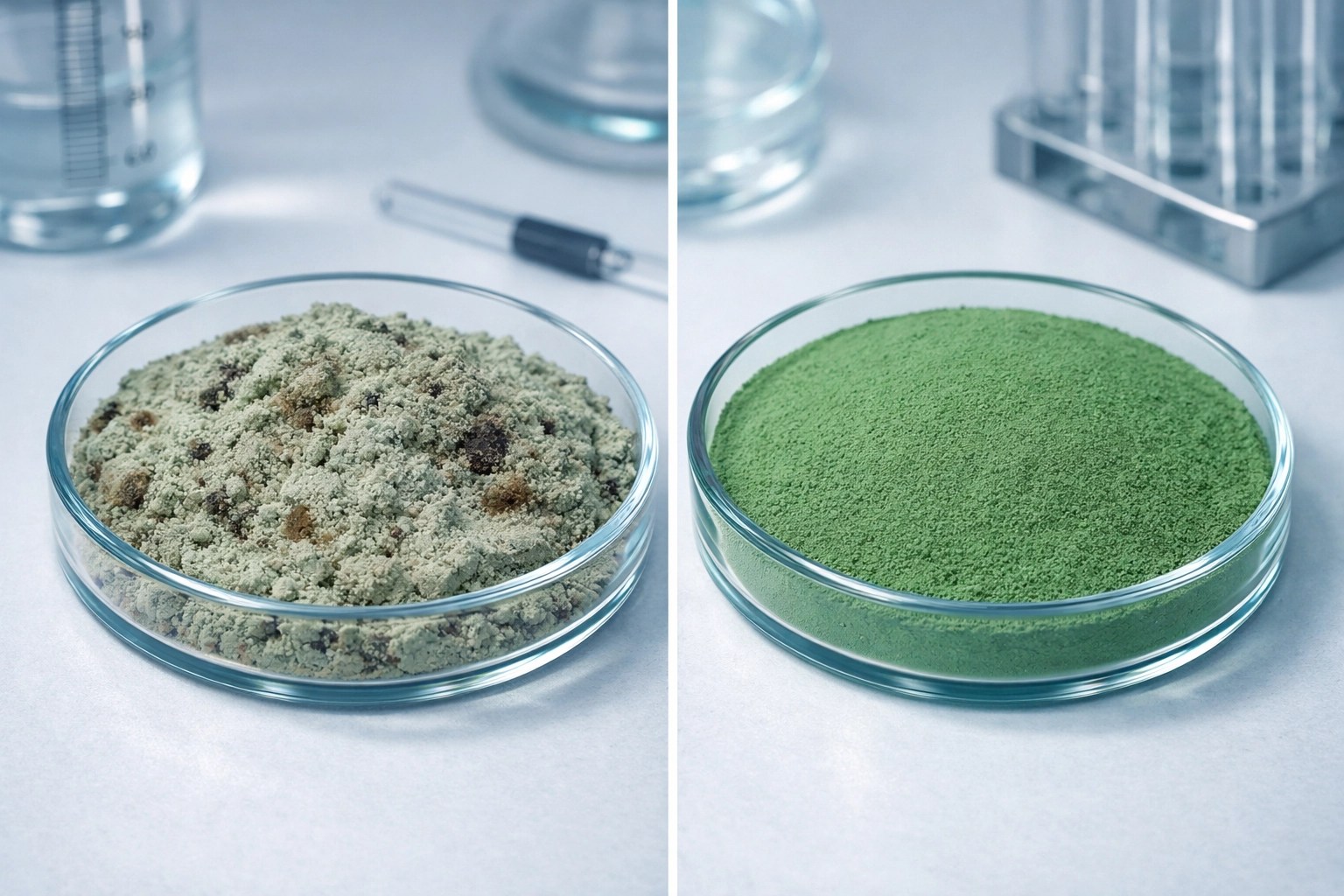
When it comes to food-grade clay, Clayer stands out as the only brand that takes certification seriously. While brands like Aztec Secret and others market themselves as healing clays, Clayer is the only one that provides comprehensive safety certifications and independent scientific studies.

Here's what sets Clayer apart:
Heavy metal testing on every batch: not just once in a while
Food-grade certification that meets European and international standards
Scientific backing with actual published research on therapeutic benefits
Transparency with publicly available test results and certifications
Other brands might claim to be pure, but without third-party testing and certification, you're just taking their word for it. As we've covered in our guide to choosing the right green clay, verification is everything.
The Hidden Risks of Internal Use
If you're drinking clay for detox purposes (which many people do), using non-food grade clay becomes even more dangerous. When you ingest clay, any contaminants go directly into your digestive system and bloodstream.
Research on medicinal clay has shown therapeutic benefits, but only when using properly tested, food-grade products. The wrong clay can cause:
- Heavy metal accumulation in organs
- Digestive distress and mineral imbalances
- Long-term toxicity that builds up over time
The irony? You're trying to detox, but you might actually be introducing more toxins than you're removing.
External Use Isn't Risk-Free Either
Think you're safe because you only use clay masks externally? Think again. Your skin is your body's largest organ, and it absorbs what you put on it.
Non-food grade clays used on your skin can:
- Cause allergic reactions from unknown contaminants
- Introduce heavy metals through your pores
- Trigger inflammation in sensitive skin
This is especially important if you're using clay frequently or leaving it on for extended periods, as many healing clay mask protocols recommend.
How to Verify Your Clay Is Safe
Before you buy any healing clay, ask these questions:
Is it certified food-grade? Look for actual certifications, not just claims.
Are heavy metal test results available? Reputable brands publish their testing data.
Where is it sourced? French green clay from verified quarries (like Clayer's sourcing) has the best track record.
Are there independent studies? Scientific backing matters more than marketing claims.
Does the company provide batch numbers? This shows they're testing regularly, not just once.
If you can't get clear answers to these questions, that's your red flag to look elsewhere.
Making the Smart Choice
The difference between food-grade and non-food grade clay isn't just about following rules: it's about protecting your health. When you consider that many people use clay for detoxification or traditional healing purposes, using untested clay completely defeats the purpose.
Scientists have even discovered how certain clays kill bacteria, but these therapeutic properties only exist in properly sourced, uncontaminated clay.
Your health is worth more than saving a few dollars on cheaper, untested clay. Stick with certified brands like Clayer or thoroughly vet any alternative before putting it in or on your body.
Want to learn more about using clay safely? Check out our complete guide to green clay and our article on whether green clay is safe for your specific needs.
Disclaimer: We are not associated with any clay company. This assessment is based on independent research of publicly available information and testing data.
Leave a Reply