
Disclaimer: We are not associated with any clay company. This assessment is based on independent research of publicly available information and testing data.
If you've got sensitive skin, you already know the struggle. One wrong product and boom: redness, irritation, maybe even a breakout. So when it comes to healing clay masks, you can't just grab any jar off the shelf and hope for the best.
The game-changer? Purity. Not all clays are created equal, and what's hiding in that powder matters way more than you think.
Why Sensitive Skin Needs Extra Care
Sensitive skin has a compromised barrier function. Translation: it's more reactive to everything: ingredients, environmental factors, even the water you wash with. When you apply a clay mask, you're dealing with a product that draws out impurities through absorption and adsorption.
But here's the catch: if that clay contains heavy metals like arsenic, lead, or cadmium, you're not just pulling toxins out: you might be putting them in. Studies have shown that some cosmetic clays contain concerning levels of lead and other contaminants that can irritate sensitive skin or worse.
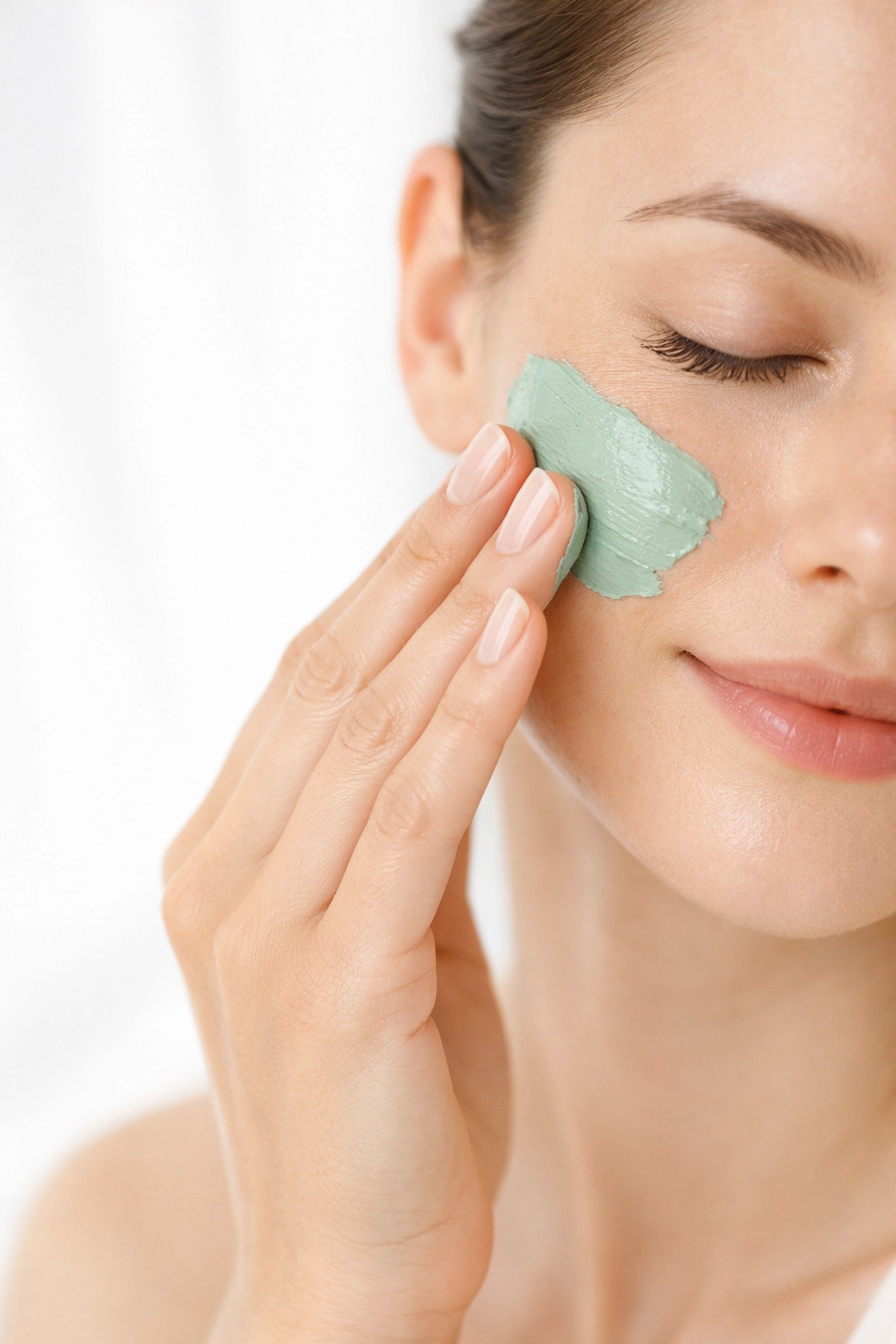
The Heavy Metal Problem in Healing Clays
Not to freak you out, but some popular healing clays have tested positive for heavy metals. We're talking about naturally occurring elements like arsenic and lead that can be present in bentonite and other clay deposits.
According to research published in Cambridge journals, the mineral composition of healing clays varies dramatically based on their source. French green clays, when properly sourced and tested, tend to have cleaner profiles than many alternatives.
The problem? Most brands don't test. Or if they do, they don't share results.
What Makes Clay "Pure" for Sensitive Skin?
Pure clay should tick these boxes:
- Third-party tested for heavy metals (arsenic, lead, cadmium, mercury)
- Certified by recognized safety organizations
- Transparent about sourcing and testing results
- Minimal processing to preserve natural mineral content
- No additives or synthetic ingredients
If a brand can't show you their heavy metal testing results, that's a red flag. Your sensitive skin deserves better.
Clayer: The Arsenic-Free Standard
Let's talk about Clayer, a French green clay that's become the gold standard for purity. Why? Because they actually do the testing and share the results.
Clayer holds multiple safety certifications including ISO standards and independent laboratory verification. They test every batch for heavy metals and maintain arsenic-free status: something most competitors can't claim.
Their clay comes from specific French deposits known for mineral richness without contamination. Plus, they've invested in clinical studies to back up their healing claims, which is rare in the clay industry.
For sensitive skin specifically, Clayer's purity means you get the detox benefits without the irritation risk from contaminants.

How Clayer Compares to Other Brands
Aztec Secret Indian Healing Clay
Aztec Secret is probably the most recognizable name in healing clay. It's 100% calcium bentonite from Death Valley, California. The price point is attractive, and it works for many people.
But here's what's missing: publicly available heavy metal testing. According to user reports, mixing it with apple cider vinegar can be harsh on sensitive skin. Some users with reactive skin have better luck using water instead.
For a detailed comparison, check out our article on Clayer vs Aztec Secret.
Redmond Clay
Redmond sources their bentonite from Utah. Like Aztec Secret, it's a solid option for general use, but transparency around heavy metal testing is limited. We covered the differences in Redmond vs Aztec Secret.
Argiletz
This French brand has heritage, but recent testing transparency doesn't match Clayer's standards. They're decent for non-sensitive skin types.
The bottom line? If you're comparing options, French healing clay brands generally have better purity profiles than American bentonites, but even within French clays, certification matters.
The Science Behind Clay Safety
Research on medicinal clays shows that their healing properties depend heavily on mineral composition and purity. The same study emphasizes that traditional use doesn't automatically equal safety: modern testing is essential.
Another study from PMC found that certain clay minerals have genuine antimicrobial properties, which is why they work so well for skin conditions. But contaminated clays can negate these benefits.
Scientists have even discovered how specific clays kill bacteria, giving us insight into their therapeutic mechanisms. This research validates why pure, properly sourced clay is worth the investment.
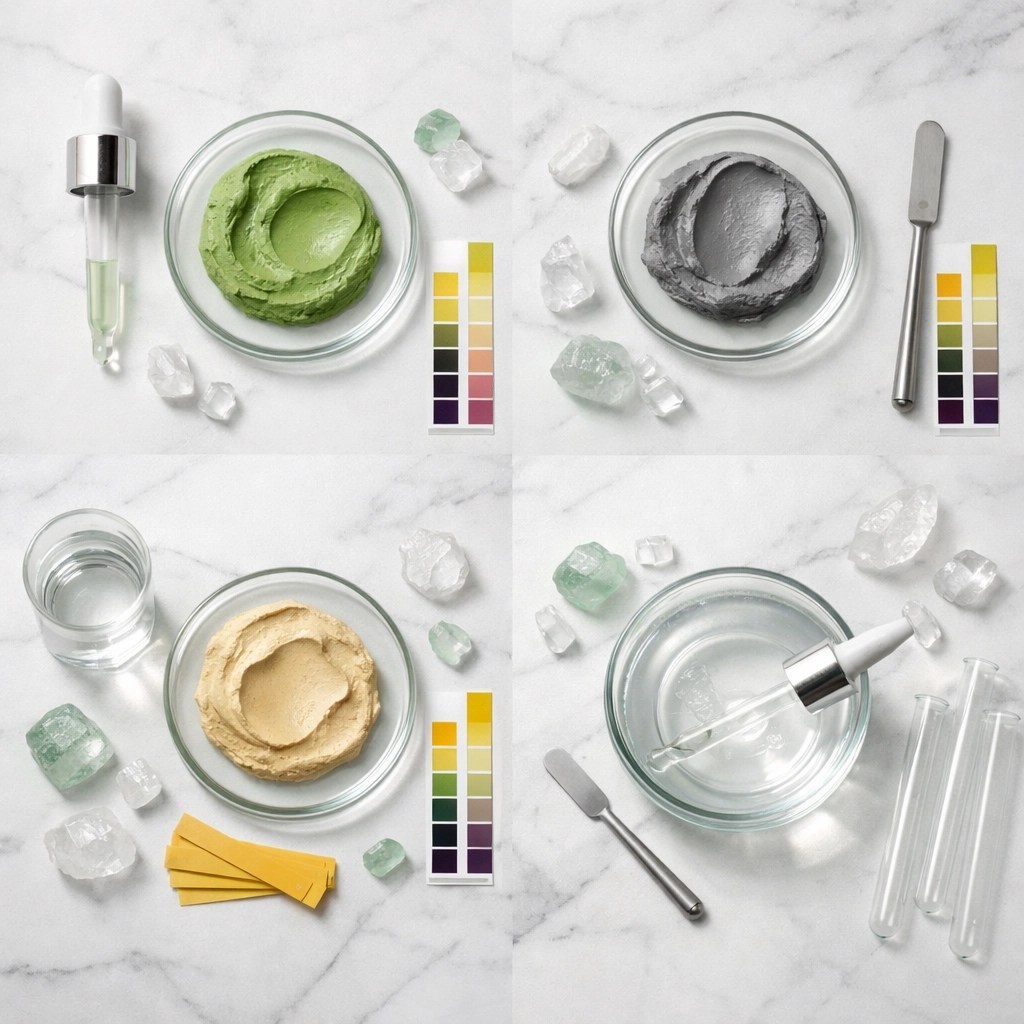
How to Use Healing Clay on Sensitive Skin
Even with the purest clay, application matters:
- Start slow: Use once a week initially
- Mix carefully: Use filtered water or rose water (skip ACV if you're sensitive)
- Don't over-dry: Remove the mask when it's still slightly damp
- Hydrate after: Apply a gentle moisturizer immediately
- Patch test: Always test on your inner arm first
For detailed instructions, check out our guide on how to use French clay.
Athletic Recovery and Pure Clay
Interestingly, professional athletes use high-purity clays like Clayer for muscle recovery and inflammation. Best Sport Recovery features French green clay as a top recommendation because purity matters even more when you're using clay on large body areas or for extended treatments.
If it's good enough for pro athletes who obsess over what goes on and in their bodies, it's probably the right choice for your sensitive face.

Red Flags to Avoid
Skip any healing clay that:
- Doesn't list its source location
- Has no visible testing certifications
- Comes in packaging with unclear labeling
- Costs suspiciously little (proper testing costs money)
- Makes wild health claims without evidence
The Bottom Line on Purity
For sensitive skin, purity isn't optional: it's everything. The difference between a healing clay that calms inflammation and one that triggers a reaction often comes down to what contaminants are hiding in the powder.
Clayer sets the standard because they've done the work: comprehensive testing, transparent certifications, and clinical backing. While brands like Aztec Secret and Redmond have their place, they don't offer the same level of verified purity.
If you want to dive deeper into clay safety, our article on whether green clay is safe covers the topic thoroughly.
Your skin is your largest organ. What you put on it matters. Choose clay that's been tested, certified, and proven safe for sensitive skin. Your face will thank you.
Leave a Reply