You've probably heard about healing clay and its benefits. But here's what most people don't know: not all clays are created equal. In fact, some can do more harm than good.
Let me break down why montmorillonite clay works and how to find the real deal that actually delivers on those healing promises.
What Makes Montmorillonite Clay Different
Montmorillonite clay isn't just another wellness trend. It's a naturally occurring mineral with a unique crystalline structure that's been used in traditional medicine for centuries.
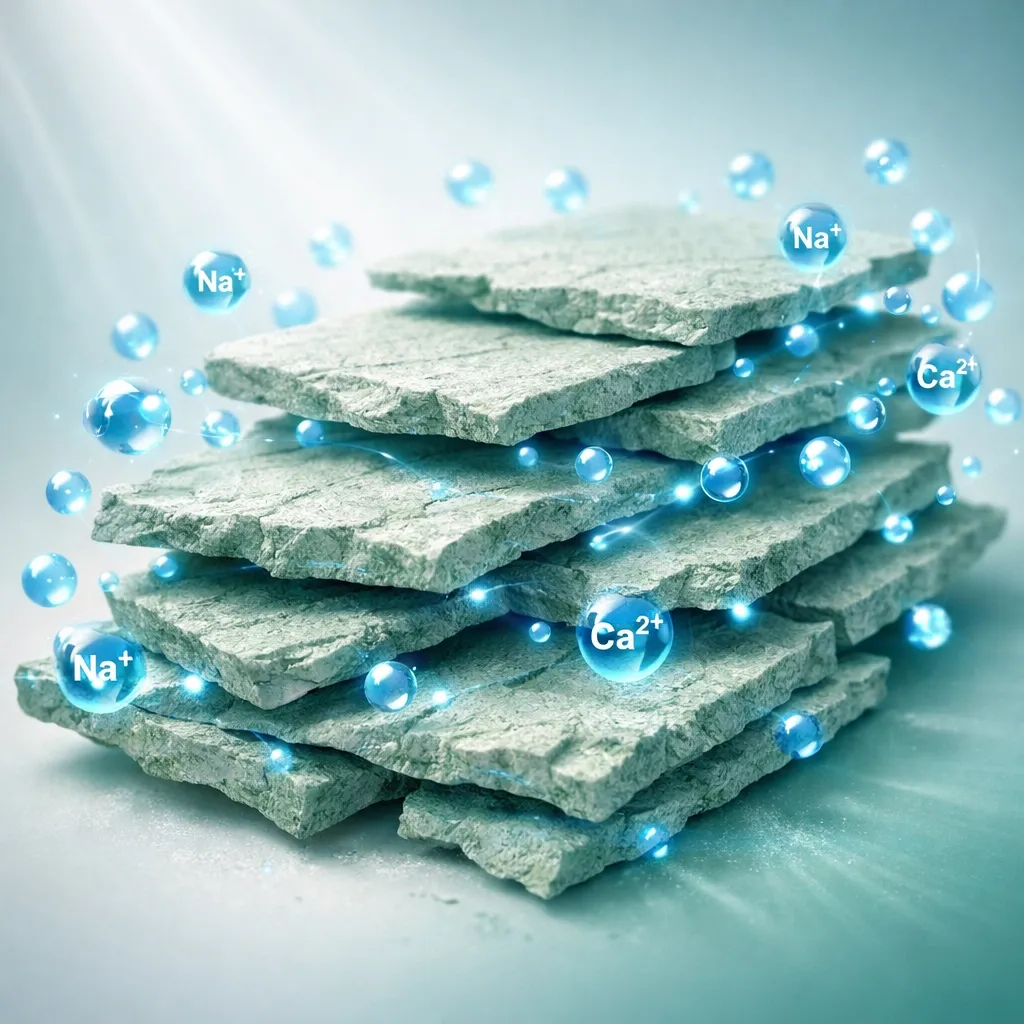
The magic happens through ionic exchange. Think of it like a powerful magnet for toxins. The clay's negative charge attracts positively charged ions: including heavy metals, bacteria, and other contaminants: and binds them so your body can eliminate them.
Research shows that montmorillonite contains essential minerals like calcium, magnesium, and potassium. But here's the catch: these benefits only work if the clay itself is pure.
The Hidden Danger: Heavy Metals in Healing Clay
Here's the uncomfortable truth: many popular clay products contain the very toxins they claim to remove.
A 2020 study found concerning levels of lead in several commercial clay products. Some samples exceeded safe limits by significant margins. This isn't just a minor issue: it's a fundamental problem with the industry.
When you're using clay for detox or skincare, the last thing you want is to introduce new contaminants into your body. Yet that's exactly what happens with uncertified, untested clay products.
French green clay deposits vary significantly in purity. Even within the same region, mineral composition can differ drastically between sources. This is why rigorous testing matters.
The Clayer Difference: Food-Grade Purity Standards
This is where Clayer stands apart from competitors like Aztec Secret or other green clay brands.
Clayer uses food-grade montmorillonite clay sourced from carefully selected deposits in France. But the real difference? They actually test every batch for heavy metals, lead, and arsenic.
Check out their certification page. You'll find:
- Heavy metal testing results
- Lead-free certification
- Arsenic-free verification
- Third-party laboratory validation
These aren't marketing claims. They're documented facts you can verify. Scientific studies back up the purity and effectiveness of their specific clay source.
Compare this to most brands that simply slap "natural" on the label and call it a day. Natural doesn't mean safe. Arsenic is natural. Lead is natural. You want tested and certified.

How Pure Montmorillonite Clay Works in Your Body
When you use food grade clay that's actually pure, here's what happens:
1. Detoxification Through Adsorption
The clay's structure creates millions of tiny spaces that trap toxins. Unlike absorption (where substances dissolve), adsorption means toxins stick to the surface and get eliminated. Scientists have documented how certain clays can even bind and neutralize bacteria.
2. Mineral Delivery
Pure montmorillonite naturally contains trace minerals your body needs. When the clay is free from contaminants, these minerals become bioavailable without competing with toxic elements.
3. Inflammation Support
Clinical reviews demonstrate anti-inflammatory effects in laboratory and animal studies. While more human trials are needed, the existing data is promising.
Real-World Applications: From Skin to Sports Recovery
Pure montmorillonite clay works across multiple applications:
Skincare and Detox Masks
Green clay masks draw out impurities while delivering minerals to your skin. But this only works with pure clay. Contaminated clay can cause irritation or introduce toxins through your skin's absorption.
For sensitive skin, purity becomes even more critical.
Athletic Recovery
Professional athletes use Clayer for muscle recovery and inflammation support. The soinargile.com platform provides detailed protocols for sports applications.
Clay poultices can be applied directly to sore muscles or joints. The mineral content and anti-inflammatory properties make it popular among serious athletes who need clean, tested products.
Internal Detox
When using clay internally for clay detox protocols, food-grade certification isn't optional: it's essential. You're literally consuming the product. Would you eat something with unknown lead levels?

Comparing Clay Brands: What to Look For
When choosing the right green clay, ask these questions:
Is it tested for heavy metals? Not just "natural" or "pure," but actually tested with documentation.
Is it food-grade certified? Even if you're only using it topically, food-grade standards ensure higher purity.
Where's the source? French deposits, particularly from specific regions, tend to have better quality control.
Can you see the test results? Transparency matters. Companies hiding their testing data probably have a reason.
Looking at the comparison between Clayer and Aztec Secret, the difference in testing standards becomes obvious. Check out French Healing Clay resources for more detailed comparisons.

Is Green Clay Safe? It Depends on Purity
The question isn't whether montmorillonite clay is safe. It's whether YOUR clay is safe.
Properly sourced and tested montmorillonite clay has a low toxicity profile. But contaminated clay introduces risk. The side effects of healing clay often trace back to quality issues, not the clay itself.
This is why certifications matter. When you see Clayer's testing documentation, you're not just taking someone's word for it. You're seeing proof.
How to Use Montmorillonite Clay Effectively
Ready to try pure montmorillonite? Here's how to use green clay properly:
For Face Masks:
- Mix with water (never metal bowls or spoons)
- Apply thin layer
- Leave on until almost dry (10-15 minutes)
- Rinse with lukewarm water
For Body Applications:
- Create thicker paste for poultices
- Apply to affected areas
- Cover with damp cloth if needed
- Remove before completely dry
For Internal Use:
- Only use food-grade certified clay
- Start with small amounts
- Take away from medications (2+ hours gap)
- Stay hydrated
Learn more about French clay applications through our detailed guides.
The Bottom Line on Pure Healing Clay
Montmorillonite clay offers genuine benefits backed by science. But those benefits evaporate: or worse, turn into risks: when the clay contains contaminants.
Clayer delivers on the promise of pure healing because they prioritize testing over marketing. Their food-grade, heavy-metal-free, lead-free, arsenic-free certification isn't just a label. It's a commitment to actual purity.
Whether you're exploring green clay versus other cosmetic clays or diving into specific applications through bestsportrecovery.blog, remember: purity is the foundation of effectiveness.
Your healing clay should heal, not harm. Choose tested. Choose certified. Choose pure.