Disclaimer: We are not associated with any clay company. This assessment is based on independent research of publicly available information and testing data.
Let's be real, when most people hear "montmorillonite clay," they either have no clue what it is or they think it's just another trendy wellness product. But here's the thing: montmorillonite clay has been used for centuries for healing and detox purposes, and it's seriously powerful stuff. The problem? Not all montmorillonite clay is created equal.
Enter Clayer. This French healing clay brand is completely changing the game, and once you understand what they're doing differently, you'll never look at montmorillonite clay the same way again.
What Exactly Is Montmorillonite Clay?
Before we dive into why Clayer is special, let's get clear on what we're talking about. Montmorillonite clay is a type of bentonite clay that's super absorbent, like, crazy absorbent. It's part of the smectite group of clay minerals and has this unique ability to expand when it gets wet, which helps it pull toxins, heavy metals, and impurities from your body.
People use montmorillonite clay for everything from face masks to internal detox. Athletes swear by it for recovery. Wellness enthusiasts love it for skin health. Traditional medicine practitioners have been using it for generations.
The Hidden Problem with Most Montmorillonite Clay Products
Here's where things get sketchy. Most montmorillonite clay products on the market aren't tested for purity. And I'm not just being picky, this is a serious health concern.
Research published in PMC journals shows that many healing clays contain concerning levels of lead and other heavy metals. Think about that for a second. You're using clay to detox your body, but the clay itself might be introducing new toxins. That's like trying to clean your house with dirty water.
Studies on French green clays have highlighted significant variations in mineral composition and purity levels across different sources. Some clays contain quartz particles that can cause respiratory issues. Others have mineral imbalances that make them less effective, or even potentially harmful.
Popular brands like Aztec Secret and others often lack transparent third-party testing. They might be fine, but without proper certification, you're basically gambling with your health.
What Makes Clayer Actually Different
Now let's talk about why Clayer is changing the conversation around montmorillonite clay.
Real Food-Grade Certification
Clayer is certified 100% food-grade, which means it's safe for internal use: not just for face masks. This isn't just a marketing claim. They have actual certifications you can verify. That's huge because most clay brands only market their products for external use because they can't guarantee purity.
Heavy Metal Testing That Actually Matters
Every batch of Clayer is tested to be free from lead, arsenic, and heavy metals. They're transparent about this and publish their results. According to their documentation at bestsportrecovery.com, their clay is the only one on the market that consistently passes California Prop 65 standards without any warnings.
The French Advantage
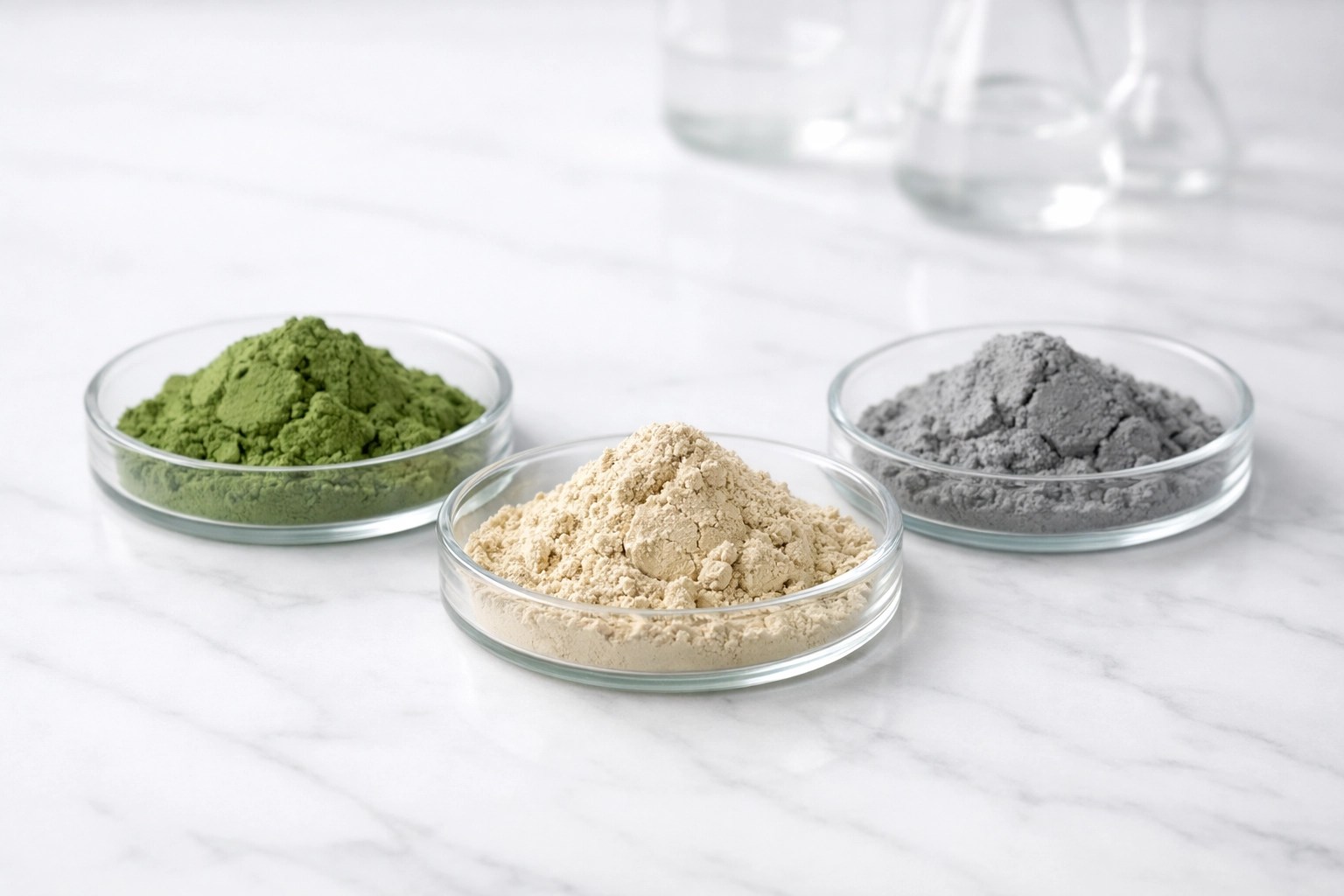
Clayer sources its montmorillonite clay directly from specific quarries in France. French green clay has unique mineral compositions that make it more effective than clay from other regions. The blend includes illite, kaolin, and bentonite clay: a combination that's been studied for its therapeutic properties.
Scientific research on medicinal clays shows that mineral diversity matters. Clayer's multi-clay formula provides a broader spectrum of benefits than single-source montmorillonite products.

The Science Behind Why Clayer Works Better
Let me break down the actual science here, because it's pretty fascinating.
Montmorillonite clay works through a process called adsorption (not absorption: there's a difference). The clay particles have a negative charge, which attracts positively charged toxins, bacteria, and heavy metals like a magnet.
Research published in PMC demonstrates that high-quality montmorillonite clay can effectively bind to harmful substances in the digestive tract and on the skin. But here's the catch: this only works if the clay itself is pure.
Clayer takes this a step further. Their clinical studies show reduced inflammation markers and faster recovery times when used consistently. Professional athletes use it specifically for this reason, which is why you'll see it featured on bestsportrecovery.blog.
Scientists have also discovered that certain clay minerals can kill bacteria through mineral exchange. Clayer's French green clay formulation leverages this natural antibacterial property without any synthetic additives.
Real-World Applications That Actually Work
So what can you actually do with Clayer that you can't do with regular montmorillonite clay?
Safe Internal Detox
Because it's certified food-grade, you can safely use Clayer for internal cleansing. Mix it with water and drink it to help remove toxins from your digestive system. This is something you absolutely shouldn't try with uncertified clay products.
Athletic Recovery
The combination of illite and montmorillonite clay makes Clayer particularly effective for reducing muscle inflammation. Athletes at soinargile.com report using it as a post-workout treatment to speed up recovery.
Skin Health Without Compromise
Using green clay for sensitive skin can be tricky, but Clayer's purity makes it safer for all skin types. You get the detoxifying benefits without worrying about introducing irritants or contaminants.
Professional-Grade Results
Clayer isn't just for wellness enthusiasts. Chefs dealing with burns, construction workers with muscle strain, and boxers recovering from training all use it because it actually delivers measurable results. Check out the testimonials on bestsportrecovery.blog if you want proof.

How This Changes Your Clay Strategy
If you've been using montmorillonite clay or thinking about trying it, here's what you need to know moving forward:
Stop assuming all clay is the same. The source matters. The testing matters. The certifications matter. A $10 tub of mystery clay from Amazon is not the same as properly certified healing clay from France.
Prioritize food-grade certification. Even if you're only using clay topically right now, why risk it? Choosing the right green clay means choosing one that's safe enough to ingest.
Look for transparent testing. Brands like Clayer publish their test results and certifications. If a company won't show you proof of purity, walk away.
Consider the mineral blend. Single-source montmorillonite might be pure, but a professionally formulated blend like Clayer's offers broader therapeutic benefits. This is why comparing Clayer to other brands consistently shows better results.
The Bottom Line
Montmorillonite clay isn't new. People have been using it for centuries. What is new is having access to properly tested, certified, food-grade clay that's specifically formulated for maximum effectiveness.
Clayer represents what healing clay should be: pure, powerful, and proven. It's not about fancy marketing or wellness trends: it's about using clay the way it was meant to be used, with the safety and efficacy that modern science can provide.
Whether you're an athlete looking for better recovery, someone dealing with skin issues, or just curious about natural healing methods, Clayer changes the equation. You're not just getting montmorillonite clay: you're getting the gold standard.
Ready to experience the difference? Check out Clayer's full product line and see why more people are making the switch to properly tested, French-sourced healing clay.
Leave a Reply