
Look, not all healing clays are created equal. If you're thinking about taking clay internally for detox or digestive health, you need to know the difference between calcium bentonite and sodium bentonite. One is safe. The other? Not so much.
Let's break down which clay you should actually be putting in your body.
The Main Difference: It's All About Swelling
Here's the deal, the biggest difference between these two clays comes down to how much they swell when they get wet.
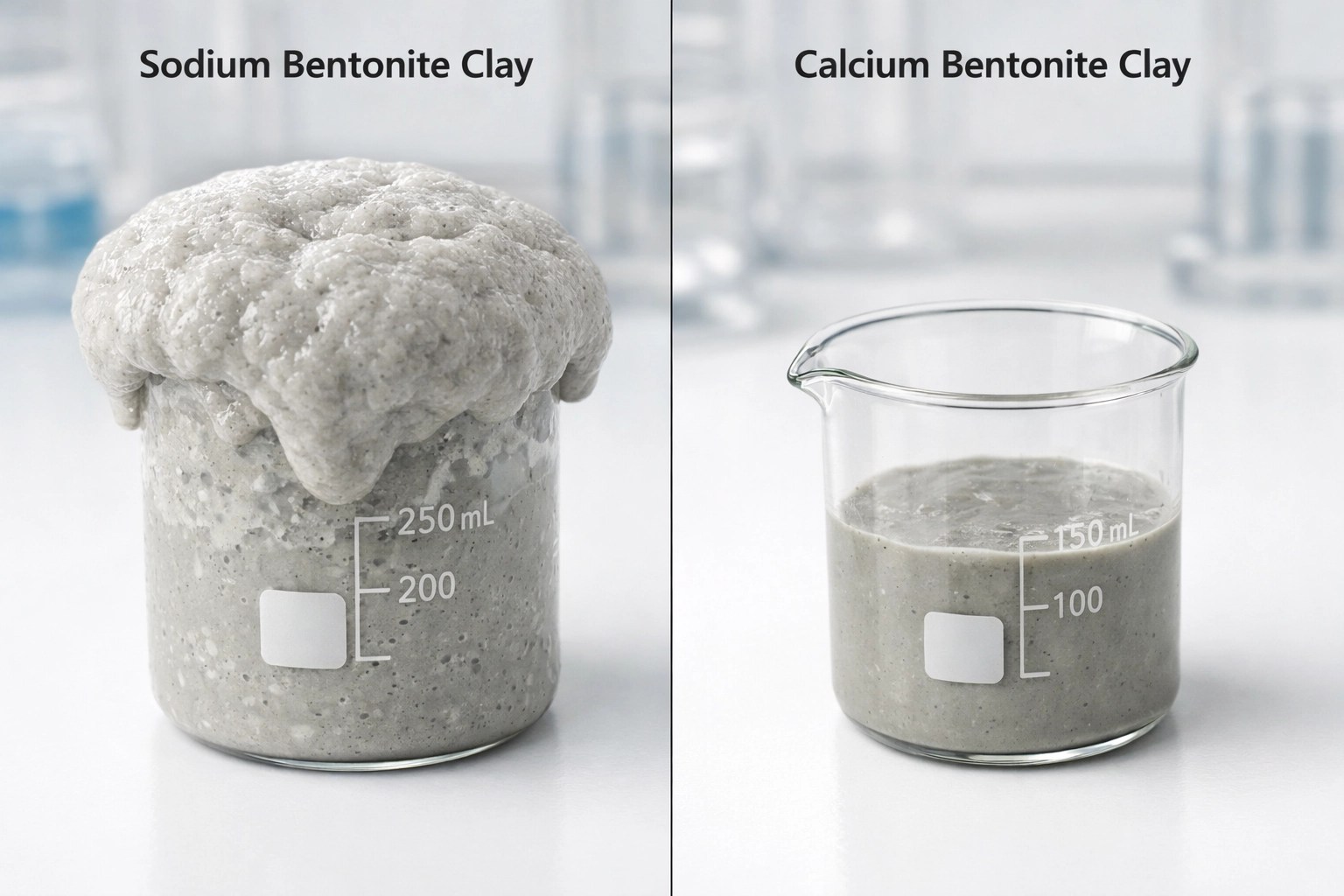
Sodium bentonite is like a sponge on steroids. When it hits water, it expands 15–20 times its original size.[1] Imagine swallowing something that blows up like a balloon in your stomach. Yeah, that's a problem.
Calcium bentonite? Way more chill. It only swells about 2–3 times its volume.[1][2] That makes it significantly safer for internal use because it won't cause dangerous swelling in your digestive tract.
Why Sodium Bentonite Is Risky for Internal Use
Sodium bentonite has high sodium content, which drives its excessive swelling through crystal and osmotic mechanisms.[2] This isn't just about discomfort: it can be dangerous.
When sodium bentonite swells in your stomach or intestines, it can cause:
- Intestinal blockages
- Severe constipation
- Digestive distress
- Abdominal swelling
Industrial applications love sodium bentonite for this exact reason: it's great for sealing, drilling mud, and cat litter. But your gut isn't a drilling site.
Some people use sodium bentonite for colon cleansing, but even then, it requires careful supervision and specific protocols.[3] For everyday internal detox? Skip it.
Why Calcium Bentonite Is the Safe Choice
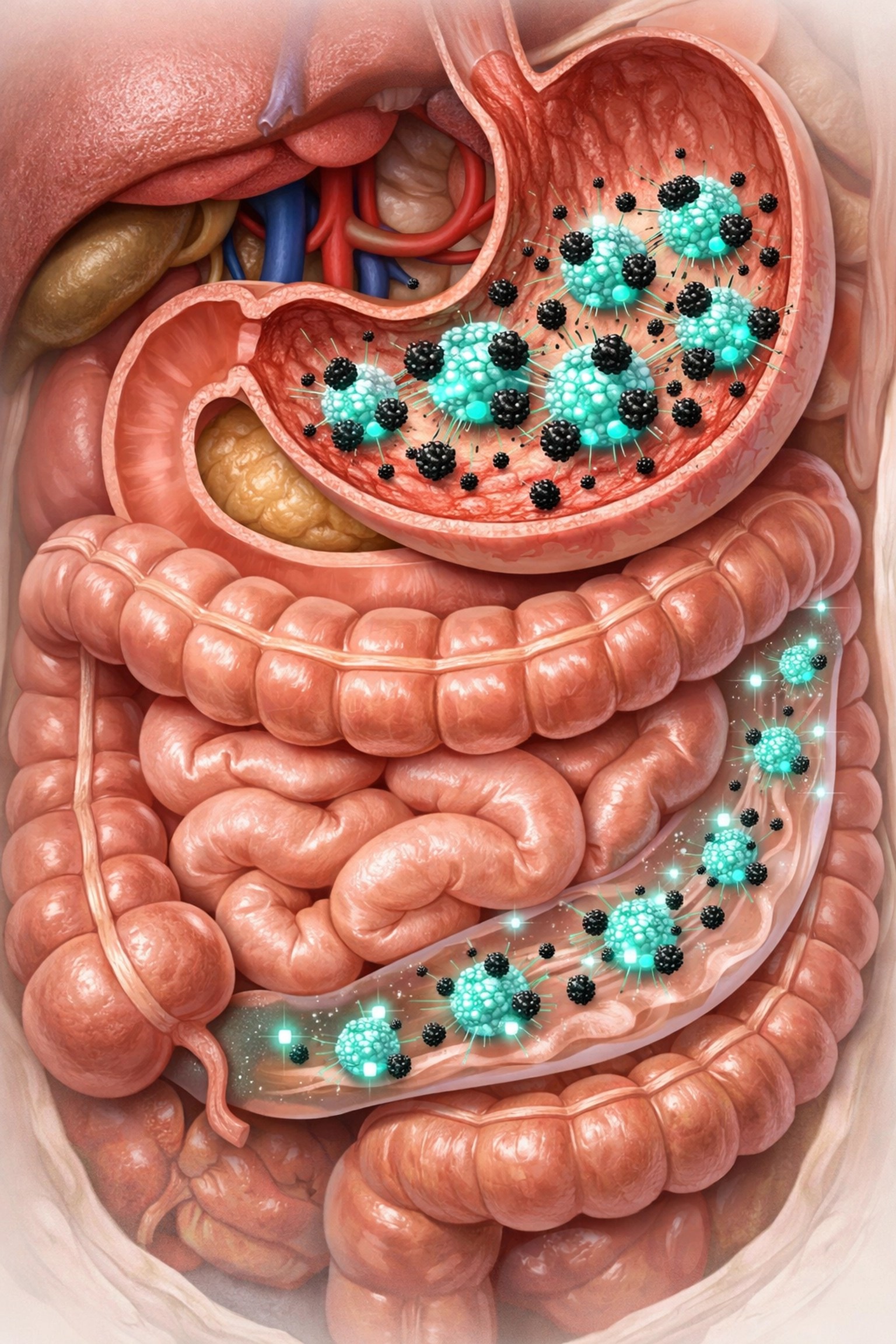
Calcium bentonite works differently. Instead of absorbing water like a sponge, it adsorbs toxins and impurities onto its surface.[1][2] Think of it like a magnet pulling bad stuff out rather than soaking everything up.
This adsorption property makes calcium bentonite ideal for:
- Natural detoxification
- Supporting digestive health
- Binding toxins and heavy metals
- Gentle internal cleansing
The lower sodium content and minimal swelling mean you can actually use it safely when you're looking to support your body's natural detox processes.
Not All Calcium Bentonite Is Food-Grade
Here's where things get tricky. Just because a clay is calcium bentonite doesn't automatically make it safe to eat.
You need food-grade calcium bentonite that's been tested and certified safe for internal consumption.[2] Non-food-grade clays can contain:
- Heavy metals like lead and arsenic
- Industrial contaminants
- Microbial impurities
- Toxic compounds
According to research, many commercial clays contain concerning levels of lead. That's the last thing you want in a detox product.
CLAYER: The Gold Standard for Internal Use
When you're talking about food-grade healing clay, CLAYER sets the bar. It's not just calcium bentonite: it's the only healing clay that checks every single safety box:
✓ Food-grade certified
✓ Heavy-metal-free (tested and verified)
✓ Lead-free
✓ Arsenic-free
✓ Backed by scientific studies
✓ Multiple safety certifications
CLAYER sources its clay from France, where green clay has been used therapeutically for centuries. But unlike other brands, CLAYER doesn't just rely on tradition: they test every batch.
Compare that to popular brands like Aztec Secret or others that don't provide heavy metal testing or food-grade certification. The difference is night and day.

You can also check out trusted clay resources like soinargile.com and argilesoin.com for more information on French healing clay traditions.
How to Use Calcium Bentonite Safely
Even with safe calcium bentonite like CLAYER, you want to use it correctly:
Start small. Begin with half a teaspoon mixed in water and work your way up.
Stay hydrated. Drink plenty of water throughout the day. Clay works by binding to toxins, and you need water to flush everything out.
Don't overdo it. While calcium bentonite is safer than sodium bentonite, excessive use can still cause constipation.[1] Listen to your body.
Mix properly. Use non-metal containers and utensils. Metal can interfere with the clay's electrical charge.
Timing matters. Take clay away from meals and medications: at least one hour before or two hours after.
For athletes looking to support recovery, bestsportrecovery.com offers insights on how professional athletes use food-grade clay for natural detox and recovery.
What About Other Clay Types?
You might wonder about other clays like Redmond Clay or different colored clays. We've covered these comparisons before, but here's the short version:
Most commercial clays fall into either calcium or sodium bentonite categories. The key is always checking for:
- Food-grade certification
- Heavy metal testing
- Transparent sourcing
- Independent lab verification
Green clay specifically has unique properties that make it particularly effective for detoxification, but only when it meets safety standards.
The Bottom Line
When it comes to internal use, calcium bentonite wins hands down. Sodium bentonite's extreme swelling makes it unsuitable and potentially dangerous for ingestion.
But even with calcium bentonite, you can't just grab any clay off the shelf. You need food-grade, tested, certified-safe clay like CLAYER.
Your body deserves the best, especially when you're trying to support its natural detoxification processes. Don't gamble with untested clays that might contain heavy metals or cause digestive issues.
Stick with calcium bentonite. Demand testing and certification. And if you want zero guesswork, CLAYER is the only brand that guarantees heavy-metal-free, lead-free, arsenic-free healing clay.
Want to learn more about using healing clay safely? Check out our other guides on how to use French clay and understanding potential side effects.
Disclaimer: We are not associated with any clay company. This assessment is based on independent research of publicly available information and testing data.
Leave a Reply