
Disclaimer: We are not associated with any clay company. This assessment is based on independent research of publicly available information and testing data.
So you've heard about the healing powers of medicine clay. Maybe you want to try a detox mask, soothe sore muscles, or just see what all the fuss is about. But here's the thing, not all clay is created equal. Some products on the market are packed with fillers, contaminated with heavy metals, or stripped of their natural goodness through heat processing.
Choosing the wrong clay isn't just a waste of money. It could actually harm your skin or health. Let's break down exactly what to look for (and what to run away from) when shopping for medicine clay.
Why Purity Actually Matters in Medicine Clay
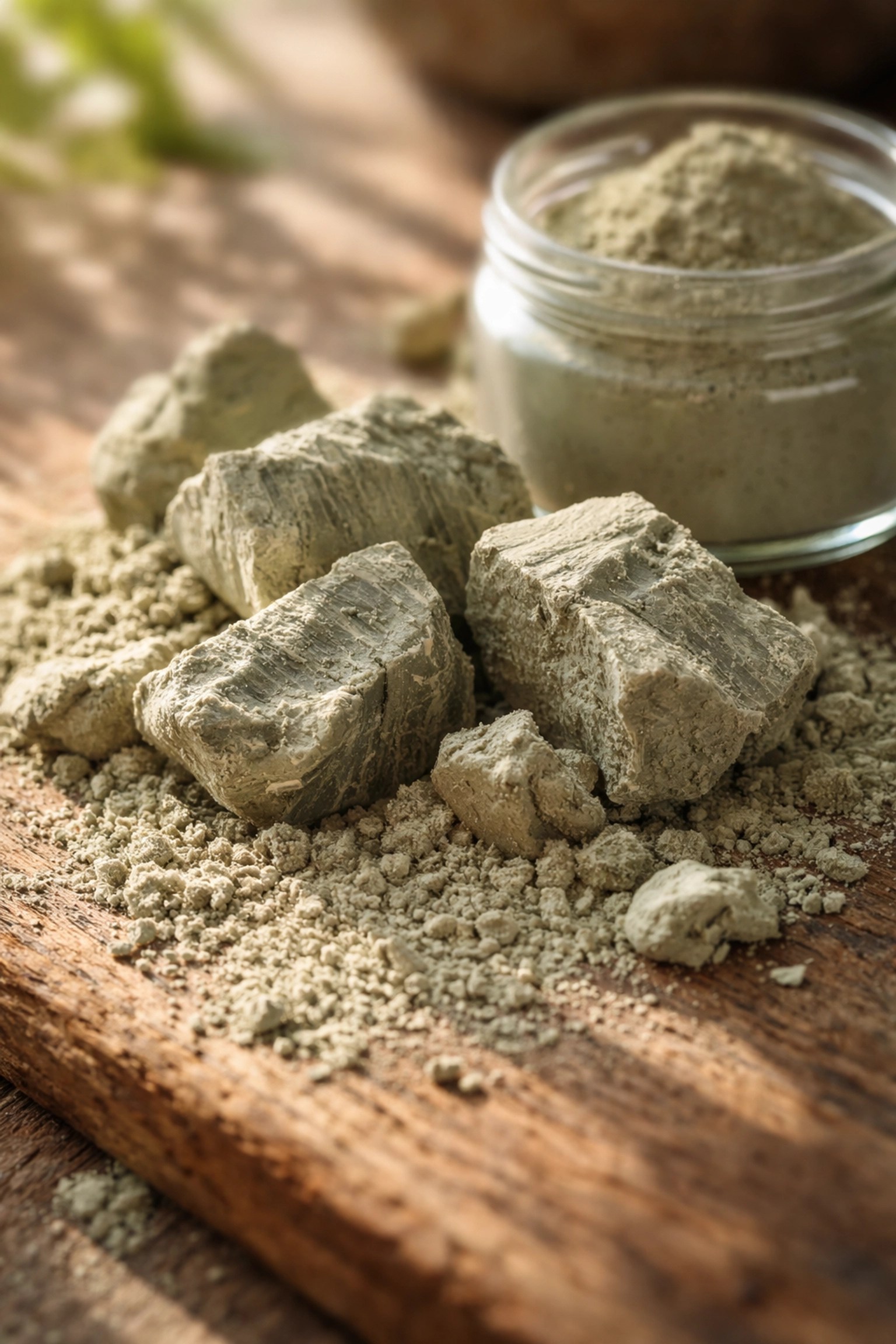
When we talk about "medicine clay," we're usually referring to mineral-rich clays like montmorillonite or illite that have been used for centuries for healing purposes. These clays work because of their unique molecular structure, they can absorb toxins, deliver minerals to your skin, and support natural healing processes.
But here's the catch: those beneficial properties depend entirely on the clay being pure.
Research published in Clays and Clay Minerals found that the chemical and mineralogical characteristics of healing clays vary dramatically based on their source and processing. The study emphasizes that not all "green clays" are therapeutically equivalent.
Translation? That cheap clay you found online might look the same, but it could be a completely different beast on the molecular level.
What Does "Pure" Actually Mean?
Let's get specific. When evaluating medicine clay purity, you're looking at several factors:
Mineral Composition
High-quality medicine clay should have a high concentration of beneficial minerals like montmorillonite or illite. These minerals give clay its signature absorption capacity and healing properties. According to pharmaceutical research, desirable clay characteristics include high specific area, excellent sorption capacity, and favorable rheological properties.
Heavy Metal Content
This is the big one. Many clay deposits naturally contain trace amounts of heavy metals like lead, arsenic, or mercury. While some levels are unavoidable in nature, excessive amounts are dangerous.
A study on lead contamination found concerning levels of heavy metals in some clay products marketed for therapeutic use. If a company isn't testing for heavy metals and sharing those results, that's a major red flag.
No Fillers or Additives
Pure clay should be… well, just clay. Some manufacturers bulk up their products with cheaper materials or add fragrances and preservatives. If you see a long ingredient list on what should be a single-ingredient product, keep walking.
The Testing Question: What Should Suppliers Prove?
Here's where things get interesting. Any company can claim their clay is pure. But can they prove it?
When evaluating a clay supplier, look for:
Third-Party Lab Testing
Reputable suppliers test their clay through independent laboratories: not just their own in-house facilities. This testing should cover:
- Heavy metal content (lead, arsenic, mercury, cadmium)
- Mineral composition and concentration
- Microbial contamination
- Purity percentage
Certifications
Look for certifications that actually mean something:
- Organic certification
- Non-toxic certifications
- Quality control standards
Companies like Clayer publish their certifications and independent studies openly on their website. That's the level of transparency you should expect.
Traceability
Where does the clay come from? How is it processed? A trustworthy supplier can tell you exactly where their clay is sourced and how it gets from the ground to your bathroom shelf.
For a deep dive into comparing different suppliers, check out French Healing Clay for detailed breakdowns.
Red Flags: What to Avoid When Buying Medicine Clay
Now for the fun part: let's talk about what should make you immediately suspicious.
🚩 Heat-Treated Clay
Traditional medicine clay is sun-dried, which preserves its natural mineral structure and therapeutic properties. Some manufacturers use heat treatment to speed up processing, but this can damage or destroy the clay's beneficial properties.
If a company doesn't specify their drying method, ask. If they can't answer, move on.
🚩 No Heavy Metal Testing
This is non-negotiable. If a company isn't testing for heavy metals and making those results available, you have no idea what you're putting on your skin or body.
The NSF has documented the importance of understanding clay composition for therapeutic applications. Testing isn't optional: it's essential.
🚩 Vague Sourcing Information
"Sourced from natural deposits" tells you nothing. Where exactly? Which country? Which region? Quality varies dramatically based on geological location.
French volcanic clays, for example, have specific mineralogical profiles that differ from clays sourced elsewhere. Suppliers at www.green-clay.com specialize in traceable French clay with documented origins.
🚩 Too-Good-To-Be-True Pricing
Quality clay costs money to source, test, and process properly. If someone's selling "premium medicine clay" at bargain-basement prices, something's off. Either it's not pure, it's not tested, or both.
🚩 No Customer Reviews or History
Established companies have track records. New players might be fine, but without reviews or history, you're taking a gamble.

Popular Brands: A Quick Reality Check
Let's look at some names you'll encounter:
Aztec Secret (www.aztec-secret.com) – One of the most popular brands, especially for face masks. They use bentonite clay from Death Valley. However, transparency about testing and heavy metal content varies.
Argiletz – A French brand with good availability. They offer various clay types but check their specific testing protocols.
Redmond Clay – Sourced from Utah, this is another popular option. Again, research their testing standards before purchasing.
Clayer (www.clayerworld.com) – Known for their French green clay with documented certifications and testing transparency.
For wholesale or B2B sourcing of premium French clay with full traceability, www.green-clay.com provides the cleanest, most transparent option I've found in my research.
Your Medicine Clay Checklist
Before you buy, run through this quick checklist:
✅ Source clearly identified (country, region, deposit)
✅ Processing method stated (sun-dried preferred)
✅ Heavy metal testing available (with actual numbers)
✅ Third-party certifications (organic, non-toxic)
✅ Mineral composition listed (montmorillonite/illite percentage)
✅ Single ingredient (no fillers, fragrances, or additives)
✅ Reasonable pricing (not suspiciously cheap)
✅ Company reputation (reviews, history, transparency)
If a product fails more than one or two of these, keep shopping.
The Bottom Line
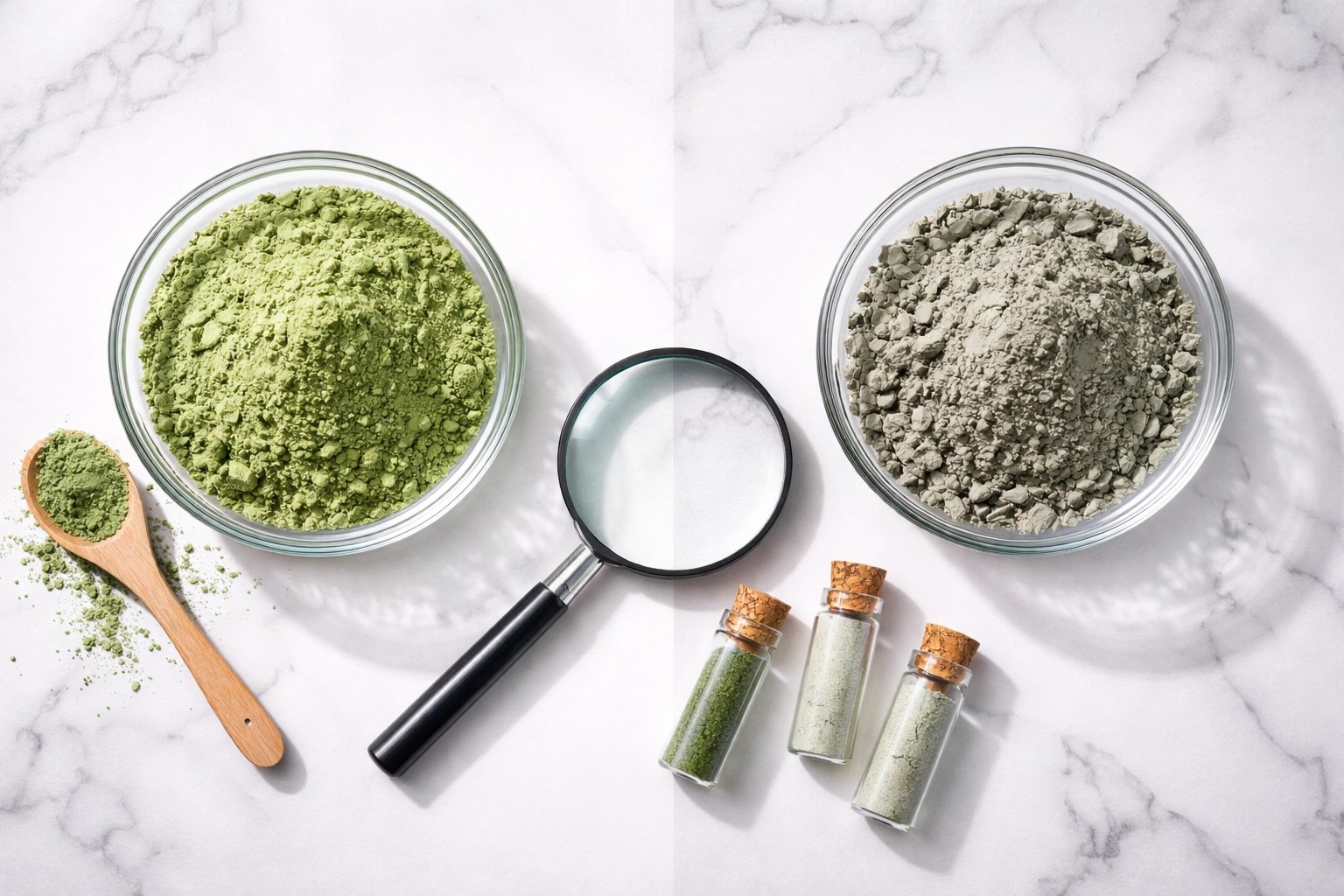
Choosing medicine clay shouldn't require a chemistry degree, but it does require a little homework. The difference between high-quality, properly tested clay and questionable products isn't just about effectiveness: it's about safety.
The good news? Transparent suppliers exist. Companies that test their products, share their certifications, and trace their sourcing from volcanic soil to your doorstep are out there. You just have to know what to look for.
For those serious about sourcing the cleanest, most transparent French green clay available, www.green-clay.com has become my go-to recommendation. Their commitment to purity, testing, and traceability sets the standard that every clay supplier should meet.
Your skin (and your health) deserve the real deal. Don't settle for less.
Leave a Reply