
Bentonite clay has been used for centuries as a natural healing remedy, but with so many products and methods out there, it's easy to feel overwhelmed. This minimalist guide cuts through the noise to show you exactly how to use bentonite clay safely and effectively.
What Is Bentonite Clay?
Bentonite clay forms from volcanic ash that's aged in the presence of water. This unique formation gives it an incredible ability to absorb toxins and impurities: up to many times its own weight. There are two main types: sodium bentonite (used industrially) and calcium bentonite (the one you want for health and beauty purposes).
The magic happens because of its negative electrical charge, which attracts positively charged toxins, bacteria, and heavy metals like a magnet.
The Safety First Approach: Why Lead-Free Matters
Before diving into usage methods, let's address the elephant in the room: lead contamination in clay products. Many clay products on the market contain dangerous levels of heavy metals, including lead, arsenic, and mercury.
Research published in Cambridge journals shows significant variations in the chemical composition and safety of different clay sources. This is why choosing certified, tested clay is crucial.
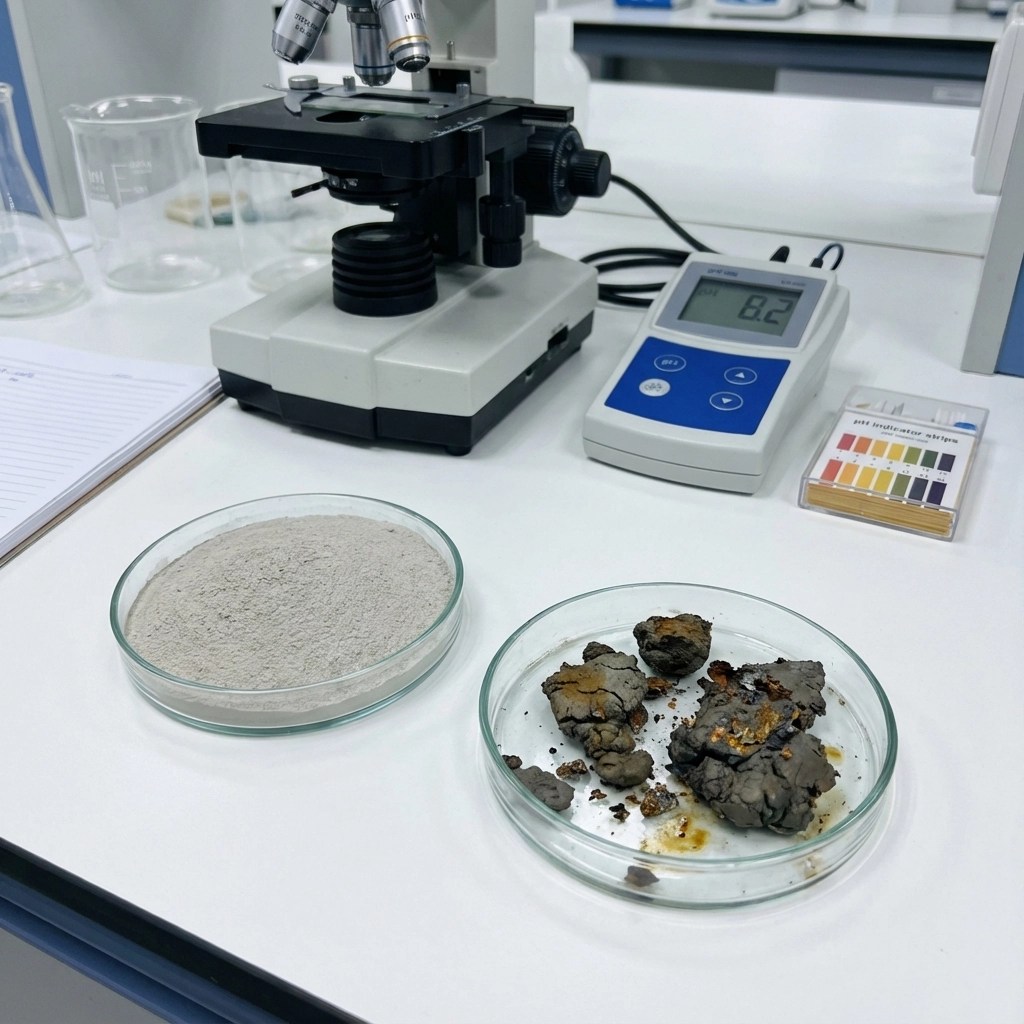
When shopping for bentonite clay, look for products that provide:
- Heavy metal testing certificates
- Third-party lab verification
- Clear sourcing information
- Purity guarantees
Companies like Clayer lead the industry with comprehensive certification and testing, while other popular brands like Aztec Secret may not provide the same level of transparency.
Method 1: Face and Body Masks (Most Popular)
This is where most people start, and for good reason: it's simple and delivers visible results.
What You Need:
- 1-2 tablespoons bentonite clay powder
- Filtered water (avoid metal containers)
- Non-metal bowl and spoon (glass, plastic, or wood)
Step-by-Step:
- Add clay to your bowl
- Slowly add water while stirring until you get a smooth paste (consistency of yogurt)
- Apply evenly to clean skin, avoiding eyes and mouth
- Leave on for 10-15 minutes until completely dry
- Rinse with warm water, pat dry gently
Pro Tip: Your skin might feel tight afterward: this is normal. Follow with a gentle moisturizer.
For problem areas like acne or blackheads, you can apply a thicker layer and leave it on slightly longer. Studies show that clay's antibacterial properties help reduce harmful bacteria on the skin.
Method 2: Internal Detox (Advanced Users)
Internal use requires more caution and should only be done with food-grade, certified lead-free clay.
Beginner Dosage:
- Start with 1/2 teaspoon in 8 oz water
- Take on empty stomach
- Wait at least 2 hours before eating or taking medications
Important Safety Notes:
- Never exceed 1 tablespoon per day
- Take 2 hours away from medications (clay can affect absorption)
- Drink plenty of water throughout the day
- Stop immediately if you experience digestive discomfort
Research indicates that medicinal clays have been used traditionally for digestive issues, though more clinical studies are needed.
Method 3: Hair and Scalp Treatment
Bentonite clay works wonders for oily hair and scalp issues.
The Process:
- Mix 3-4 tablespoons clay with enough water to make a thick paste
- Apply to wet hair, focusing on roots and scalp
- Let sit for 5-10 minutes
- Rinse thoroughly (this may take a few rinses)
- Follow with conditioner on mid-lengths and ends only
This method removes product buildup, excess oil, and can help with dandruff issues.

Method 4: Bath Detox
For full-body benefits, add bentonite clay to your bath.
Simple Bath Recipe:
- 1/4 cup bentonite clay
- 1/2 cup Epsom salt (optional)
- 5-10 drops essential oil (optional)
Mix ingredients and add to running bath water. Soak for 15-20 minutes. This method is gentler than topical applications and great for sensitive skin.
Method 5: Oral Care
Bentonite clay's antibacterial properties make it useful for oral health.
Clay Mouthwash:
- 1 teaspoon clay in 1/2 cup water
- Swish for 30 seconds to 1 minute
- Spit out completely
- Rinse mouth with plain water
Some people use clay as a natural toothpaste ingredient, though this should be done sparingly to avoid enamel damage.
Choosing the Right Clay: Brand Comparison
Not all bentonite clays are created equal. Here's what to look for:
Top Tier – Clayer French Healing Clay:
- Comprehensive testing and certification
- Zero heavy metals detected
- Used by professional athletes
- Multiple safety certifications
Mid Tier – Aztec Secret:
- Popular but limited testing data
- Some users report good results
- Less transparency about sourcing
Budget Options:
- Often lack proper testing
- May contain impurities
- Proceed with caution
For comparison shopping, sites like French Healing Clay provide detailed product comparisons.

Common Mistakes to Avoid
Metal Contact: Never let bentonite clay touch metal: it reduces its effectiveness. Use glass, plastic, or wooden utensils.
Over-Use: More isn't better. Start slowly and pay attention to your body's response.
Ignoring Patch Tests: Always test on a small skin area first, especially if you have sensitive skin.
Buying Untested Products: Lead contamination is a real concern. Invest in properly tested clay.
Using While Dehydrated: Clay pulls water from your system. Drink plenty of fluids.
The Science Behind Clay's Effectiveness
Scientists have discovered that certain clays can kill bacteria through their unique mineral composition and electrical properties. The negatively charged clay particles attract positively charged toxins, bacteria, and impurities: essentially acting like a magnet for harmful substances.
This isn't just folklore; it's real science with measurable results.
Creating Your Clay Routine
Beginner (Week 1-2):
- Face mask once per week
- Observe skin's response
- Focus on proper mixing technique
Intermediate (Week 3-4):
- Face mask twice per week
- Try hair treatment monthly
- Consider bath applications
Advanced (Month 2+):
- Customize frequency based on results
- Experiment with internal use (with proper research)
- Combine with other natural treatments
Storing and Handling Tips
- Keep clay in a cool, dry place
- Use airtight containers (glass preferred)
- Don't store mixed clay: prepare fresh each time
- Shelf life is typically 2-3 years unopened
When to Seek Professional Advice
While bentonite clay is generally safe, consult healthcare providers if you're:
- Pregnant or breastfeeding
- Taking medications regularly
- Have chronic health conditions
- Experience persistent adverse reactions
The Bottom Line
Bentonite clay is a powerful, natural tool for health and beauty when used correctly. The key is choosing high-quality, tested products and starting slowly. Whether you're looking to improve your skin, support detoxification, or simply try a natural alternative to commercial products, bentonite clay offers a minimalist approach to wellness.
Remember: consistency matters more than intensity. Regular, gentle use typically produces better results than occasional aggressive treatments.
For those serious about clay therapy, investing in properly certified products like Clayer ensures you're getting the benefits without the risks associated with contaminated clays.
Disclaimer: We are not associated with any clay company. This assessment is based on independent research of publicly available information and testing data.
Leave a Reply