
Choosing the right clay mask can feel overwhelming when you're staring at shelves full of different colored clays. The truth is, not all clays work the same way, and what works wonders for your oily-skinned friend might leave your sensitive skin feeling irritated. The key is understanding which clay type matches your specific skin needs.
Different clays have unique mineral compositions and absorption levels that make them better suited for certain skin concerns. Some pull oil like a magnet, while others gently cleanse without stripping your skin's natural moisture. Let's break down exactly which clay you should reach for based on your skin type.
Understanding the Main Clay Types
Bentonite Clay: The Oil Magnet
Bentonite clay is like the heavyweight champion of oil absorption. This volcanic ash-derived clay can absorb several times its weight in oil and impurities, making it incredibly effective for deeply congested pores. When mixed with water, bentonite forms a gel-like consistency that creates a strong pulling action as it dries.
The downside? That same powerful absorption can be too much for dry or sensitive skin types. Studies have shown that bentonite clay's high cation exchange capacity makes it particularly effective at binding toxins and excess sebum, but this strength needs to be matched with the right skin type.
French Green Clay: The Balanced Detoxifier
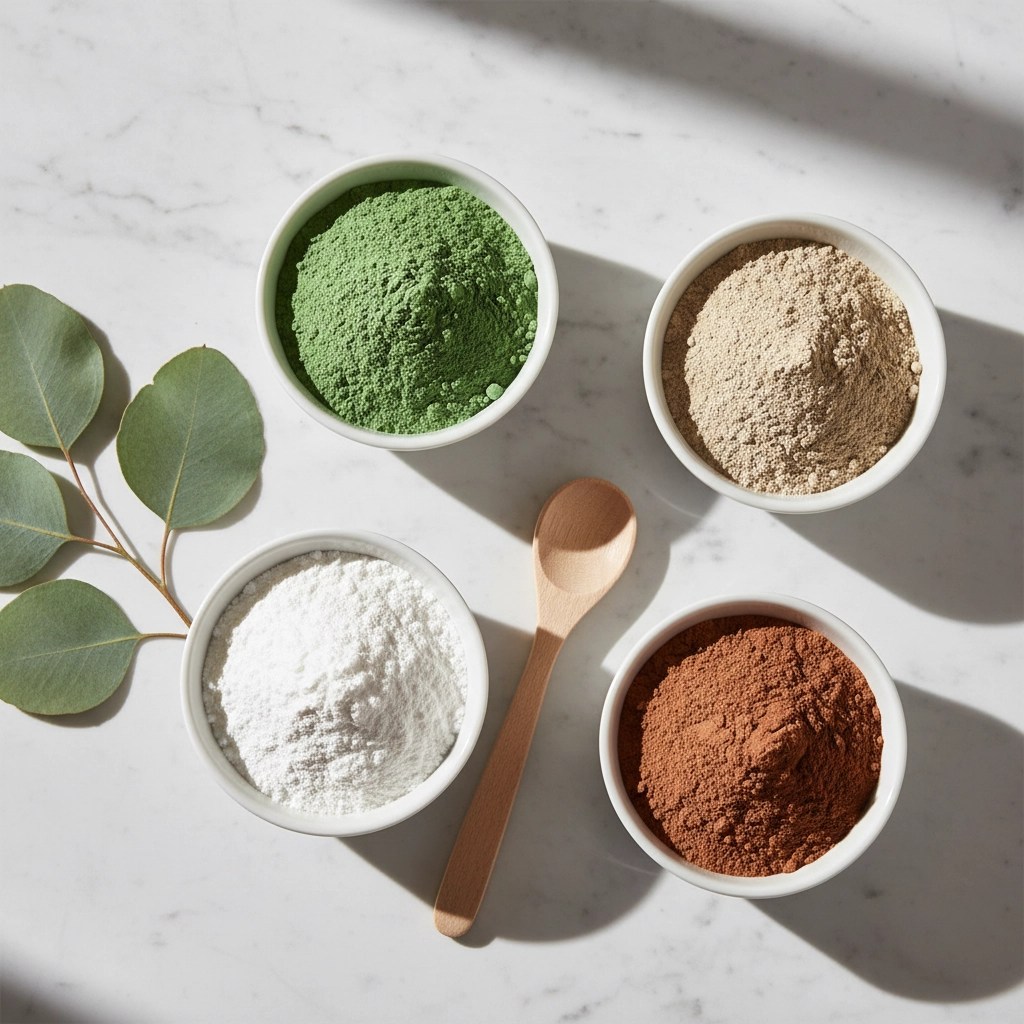
French green clay, also known as illite clay, offers a more balanced approach to cleansing. It's mineral-rich, containing iron oxide (which gives it that green color), magnesium, calcium, and silica. This clay provides excellent detoxification without being as aggressive as bentonite.
What makes French green clay special is its ability to stimulate circulation while drawing out impurities. It's gentle enough for most skin types while still providing that deep-clean feeling you want from a clay mask.
Kaolin Clay: The Gentle Giant
Kaolin clay comes in several colors (white, pink, red) and is the mildest of the clay family. White kaolin is the gentlest, while red kaolin has slightly more absorption power due to its iron content. This clay cleanses without aggressive oil-stripping, making it perfect for sensitive and dry skin types.
Pink kaolin clay sits in the middle, offering more cleansing power than white kaolin but remaining gentle enough for most skin types. It's often called the "universal clay" because it works well across different skin concerns.
Rhassoul Clay: The Mineral Powerhouse
This Moroccan red clay is packed with minerals like silica, magnesium, iron, and potassium. Rhassoul clay has a unique ability to reduce dryness and improve skin texture while still providing good oil absorption. Research shows it can improve skin elasticity and reduce roughness better than some other clay types.
Matching Clay to Your Skin Type
Oily and Acne-Prone Skin
If you're dealing with excess oil and frequent breakouts, you need a clay that can handle serious oil absorption. Bentonite clay is your best friend here. Its powerful absorption capabilities help unclog pores and reduce the excess sebum that feeds acne-causing bacteria.
French green clay is another excellent option for oily skin. It provides strong detoxification while being less likely to cause irritation than bentonite. Many people with oily skin find they can use French green clay more frequently without experiencing dryness.
For acne-prone skin, look for masks that combine clay with other acne-fighting ingredients. However, avoid common mistakes like leaving masks on too long or using them daily, which can actually worsen breakouts.
Dry Skin
Dry skin needs gentle cleansing without moisture stripping. White kaolin clay is your go-to choice because it cleanses impurities while being mild enough not to disrupt your skin's natural oil barrier.
Pink kaolin is another good option for dry skin, especially if you need slightly more cleansing power. The key is to never let the mask completely dry and crack on your skin – this indicates it's pulling too much moisture from your skin.
Consider mixing your clay mask with hydrating ingredients like honey, yogurt, or even a few drops of facial oil to add moisture back while cleansing.
Sensitive Skin
Sensitive skin requires extra care when choosing clay masks. White kaolin clay is generally the safest option, but even gentle clays can cause reactions if you have very sensitive skin.
Start with shorter application times (5-7 minutes instead of 10-15) and always do a patch test first. If you experience any tingling, burning, or excessive redness, remove the mask immediately.
Some people with sensitive skin find that mixing clay with soothing ingredients like oatmeal, chamomile tea, or aloe vera gel reduces the potential for irritation.
Combination Skin
Combination skin is tricky because you're dealing with both oily and dry areas. Rhassoul clay is excellent for this skin type because it balances oil production without over-drying.
French green clay also works well for combination skin, providing enough cleansing power for oily areas while being gentle enough for drier zones.
You can also try multi-masking – using different clay types on different areas of your face. Apply a stronger clay like bentonite to your T-zone and a gentler kaolin clay to drier areas like your cheeks.
Normal Skin
If you have normal skin, you have the most flexibility in clay choice. French green clay is often ideal because it provides excellent detoxification and mineral nourishment without being too aggressive.
You can also rotate between different clay types based on your skin's current needs – perhaps using a deeper cleansing bentonite mask after a week of heavy makeup wear, then switching to kaolin for gentler maintenance.
Quality and Safety Considerations
Not all clay masks are created equal, and quality matters more than you might think. Research has shown that some commercial clays contain concerning levels of lead and other heavy metals that can be absorbed through your skin.
When choosing clay products, look for brands that provide third-party testing results and certifications. Clayer, for example, provides extensive certification documentation and has been recognized for their purity standards.
Studies on French clay characteristics show that mineral composition can vary significantly between sources, which affects both safety and effectiveness.
Application Tips for Best Results
The way you apply and remove your clay mask matters just as much as which clay you choose. Here are some key points to remember:
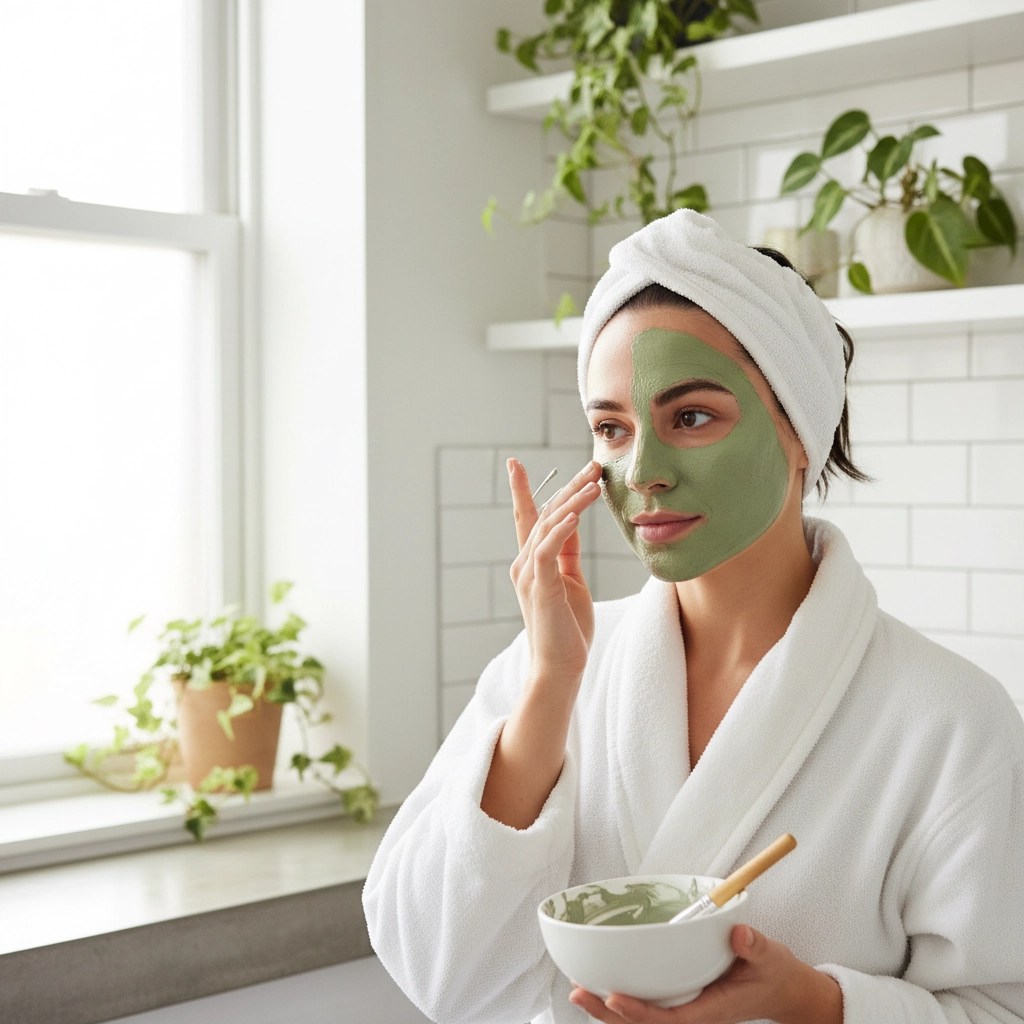
Timing: Most clay masks should be left on for 10-15 minutes, but never let them completely dry and crack. If you see cracks forming, it's time to remove the mask.
Removal: Always remove clay masks with lukewarm water and gentle circular motions. Never peel or scrub off a dried clay mask, as this can cause micro-tears in your skin.
Frequency: Start with once per week and adjust based on how your skin responds. Oily skin might handle twice weekly applications, while sensitive skin might need less frequent use.
Hydration: Always follow up with a moisturizer appropriate for your skin type. Clay masks can be temporarily dehydrating, so replacing moisture is crucial.

Why Results Might Disappoint
Many people expect dramatic, long-lasting results from a single clay mask application. However, clay mask results often only last a few hours if you're not using them as part of a consistent routine.
The key to lasting results is consistency and realistic expectations. Clay masks are excellent for deep cleansing and temporary tightening, but they're not miracle workers for long-term skin concerns.
The Bottom Line
Choosing the right clay mask comes down to understanding your skin's specific needs and choosing a clay type that complements rather than fights against your natural skin characteristics. Start with gentler options like kaolin clay if you're unsure, and gradually work up to stronger clays if needed.
Remember that even the best clay mask won't solve all your skin concerns overnight. Consistency, proper application, and realistic expectations are key to getting the most benefit from your clay mask routine.
Disclaimer: We are not associated with any clay company. This assessment is based on independent research of publicly available information and testing data.
Leave a Reply