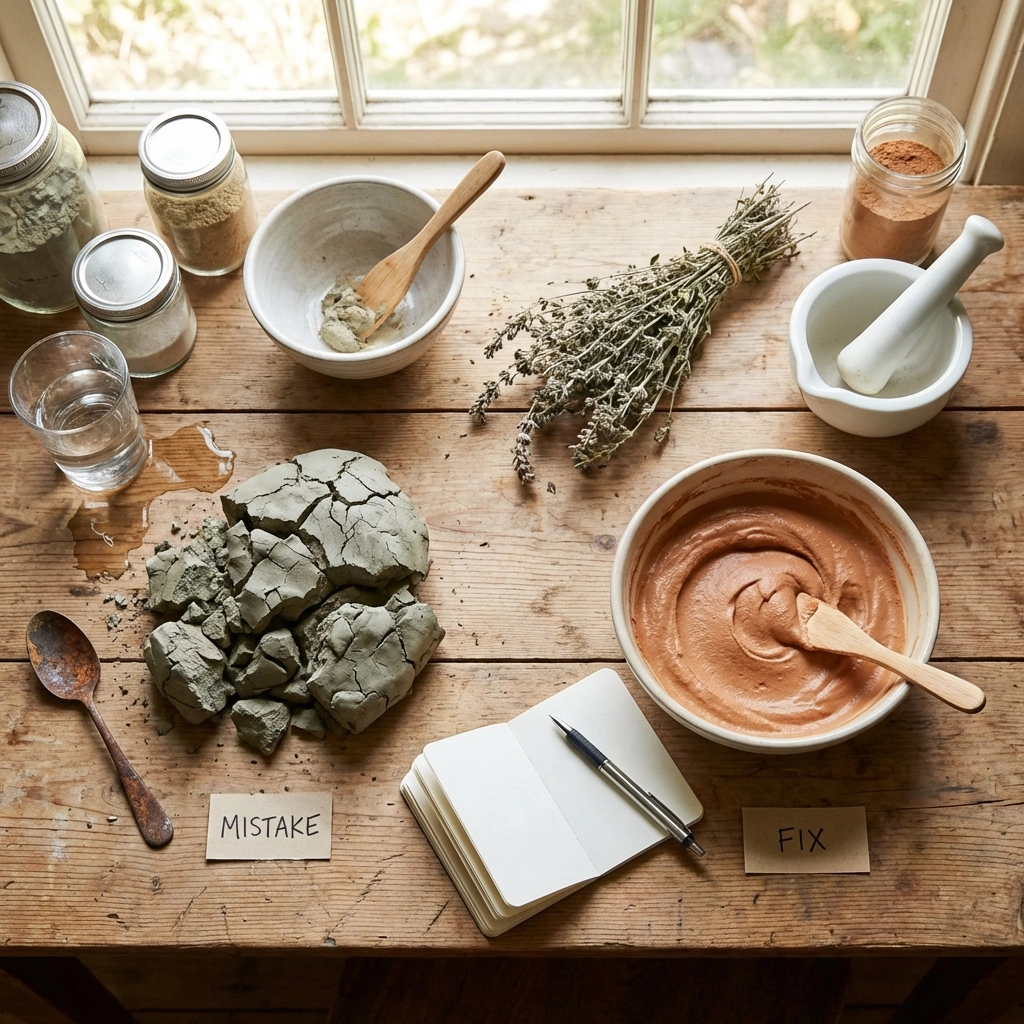
Medicine clay has been used for centuries, and for good reason. It pulls impurities, soothes skin, and even helps with muscle recovery. But here's the thing: most people are using it wrong. And those mistakes? They can turn a healing ritual into a skin disaster.
Let's break down the seven most common medicine clay mistakes and exactly how to fix them.
Disclaimer: We are not associated with any clay company. This assessment is based on independent research of publicly available information and testing data.
Mistake #1: Using Metal Utensils to Mix Your Clay
This one's huge. Metal can react with medicine clay and reduce its effectiveness. The ionic charge that makes clay so powerful at drawing out toxins? Metal messes with it.
The Fix: Always use wooden, plastic, or ceramic spoons and bowls. Glass works great too. Keep metal far away from your clay prep station.
It sounds simple, but you'd be surprised how many people grab a metal spoon without thinking. Your clay deserves better.
Mistake #2: Ignoring Heavy Metal Testing and Certifications
Here's where things get serious. Not all clays are created equal. Some contain dangerous levels of lead, arsenic, or other heavy metals. A 2020 study published in the NIH found alarming lead levels in certain clay products.
That "natural" label? It doesn't mean safe.
The Fix: Only buy clay from brands that provide third-party testing and certifications. Look for non-toxic certifications and transparency about sourcing.
Brands like Clayer provide detailed certification pages showing exactly what's in their clay. Aztec Secret and French Healing Clay are also popular options worth comparing.
Research from Cambridge on French green clays used for healing shows that the mineralogical composition matters enormously for safety and effectiveness.
Bottom line: If a brand can't show you their testing results, skip them.
Mistake #3: Leaving the Clay Mask On Too Long
More isn't always better. Leaving medicine clay on until it's bone dry and cracking actually damages your skin. It pulls moisture from your skin instead of just impurities.
The Fix: Remove your clay mask while it's still slightly damp. For most people, that's around 10-15 minutes. Your skin should feel tight but not painful.
If you have sensitive skin, aim for even less time, maybe 5-8 minutes. Listen to your skin.
Mistake #4: Using the Wrong Type of Clay for Your Skin Type
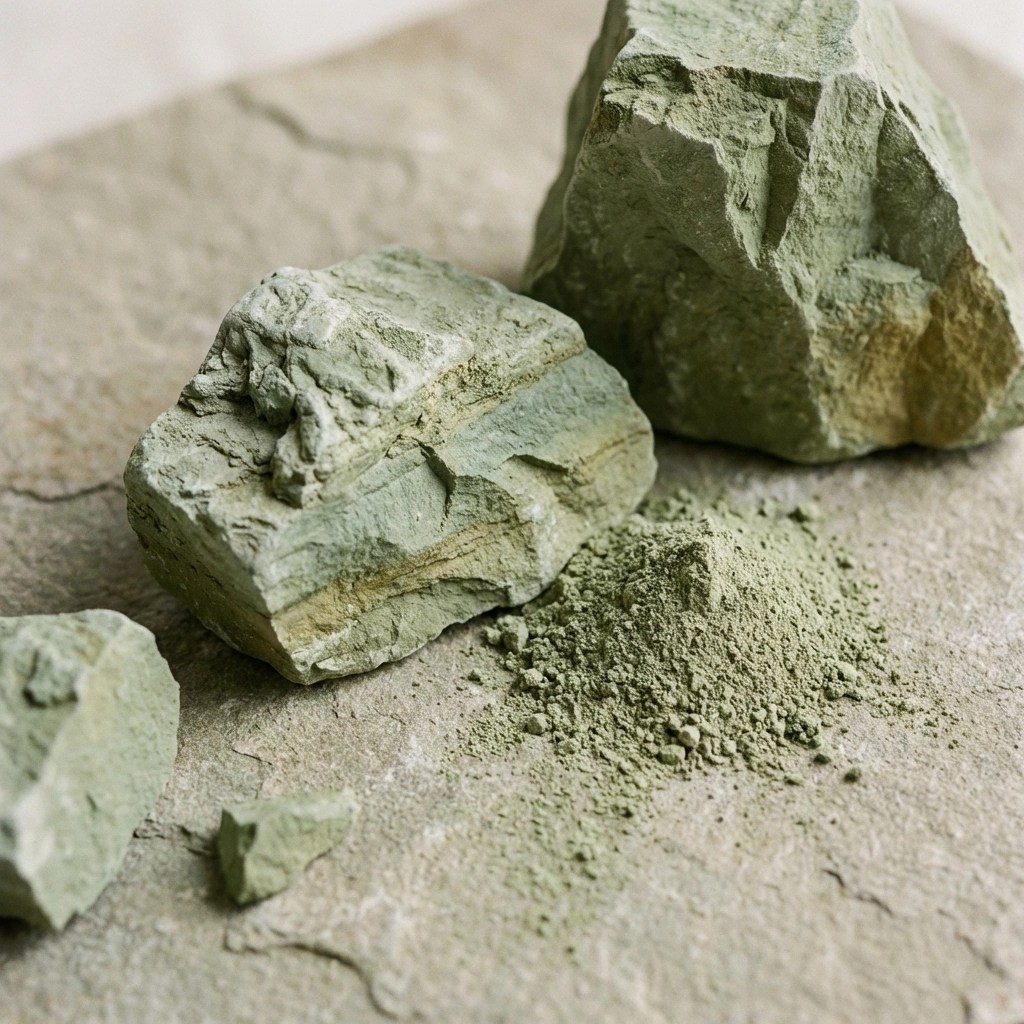
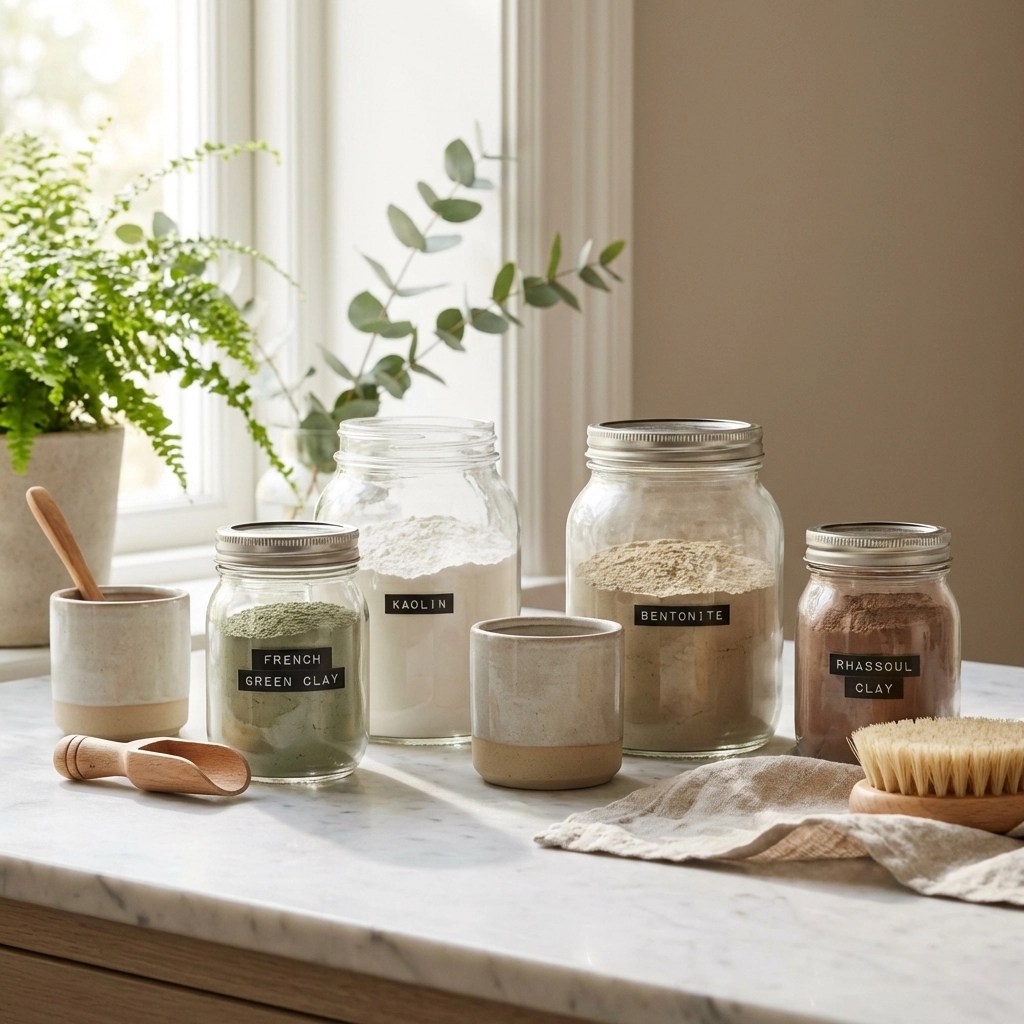
Green clay, bentonite, kaolin, they're not interchangeable. Each has different absorption powers and works best for specific skin types.
- Green clay: Best for oily and combination skin. Powerful detoxification.
- Bentonite: Great for deep cleansing and acne-prone skin.
- Kaolin: Gentler option for sensitive or dry skin.
The Fix: Match your clay to your skin. Not sure which to choose? Check out our comparison guide on green clay vs bentonite vs kaolin.
If you're new to medicine clay, start with a patch test. Apply a small amount to your inner arm and wait 24 hours. No reaction? You're good to go.
Mistake #5: Storing Your Clay Incorrectly
Clay is like a sponge. It absorbs everything, including moisture, odors, and contaminants from poor storage.
The Fix: Store your clay in a cool, dry place. Use airtight glass or ceramic containers. Never store near strong-smelling products or in direct sunlight.
And please: keep it away from the bathroom. All that humidity? Not good for your clay's potency.
Mistake #6: Mixing Clay with the Wrong Liquids
Water works fine for most applications. But mixing clay with certain liquids can either boost or destroy its benefits.
What to avoid:
- Hot water (damages clay's structure)
- Tap water with high chlorine content
- Acidic liquids like lemon juice (for facial masks)
What works great:
- Filtered or spring water
- Apple cider vinegar (for some applications)
- Aloe vera gel (for extra soothing)
- Green tea (cooled: for antioxidant boost)
The Fix: Stick with room temperature filtered water for beginners. Once you're comfortable, experiment with add-ins based on your goals. Learn more about how to read medicine clay labels so you know exactly what you're working with.
Mistake #7: Expecting Instant Miracle Results
Medicine clay is powerful: but it's not magic. Some people try it once, don't see dramatic results, and give up.
The Fix: Consistency matters. For skin benefits, use clay masks 1-2 times per week for at least a month before judging results. For detox baths, you might need several sessions to notice changes.
Science backs this up. Research from the NSF on how clays kill bacteria shows that the antibacterial effects are real: but they work through consistent application, not one-time use.
The NIH published research supporting clay's therapeutic potential, but results come with proper, repeated use.
Quick Reference: Your Medicine Clay Checklist
| Mistake | Quick Fix |
|---|---|
| Metal utensils | Use wood, ceramic, or glass |
| No certifications | Buy tested brands like Clayer |
| Leaving on too long | Remove while slightly damp |
| Wrong clay type | Match clay to skin type |
| Poor storage | Airtight container, cool and dry |
| Wrong mixing liquid | Room temp filtered water |
| Impatience | Commit to 4+ weeks |
The Bottom Line
Medicine clay works. The history of clay in healing spans thousands of years across cultures. Modern studies on medicinal clay confirm what ancient healers knew.
But you have to use it right.
Avoid these seven mistakes, choose a certified brand, and give it time. Your skin: and body: will thank you.
Want to dive deeper? Explore whether you can actually eat green clay safely or discover the most unexpected ways people use medicine clay.
Got questions? Keep exploring The Green Clay Blogger for more guides, comparisons, and research-backed insights.
Leave a Reply