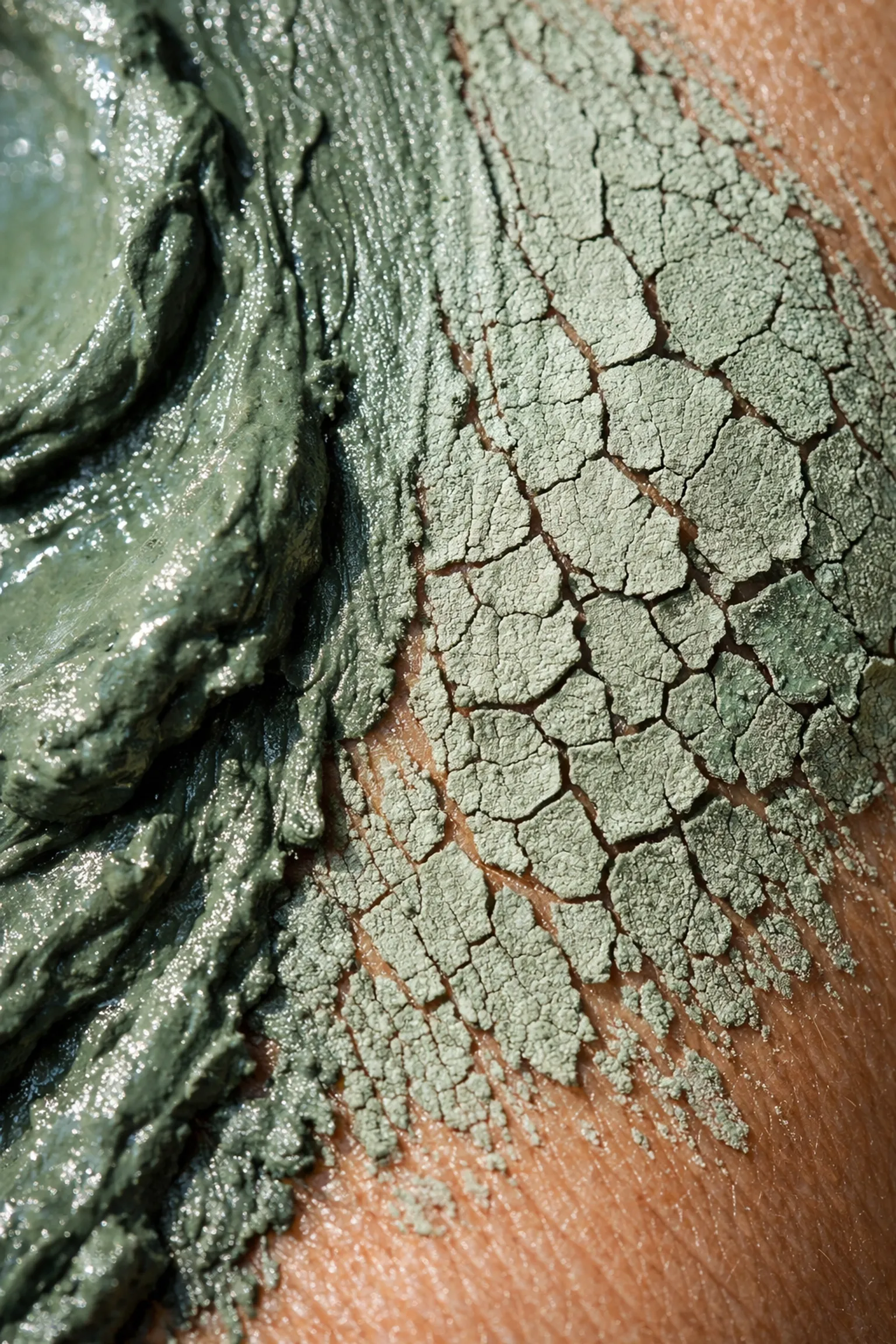
If you’ve ever dealt with eczema, you know it’s more than just "dry skin." It’s an exhausting cycle of itching, redness, and searching for relief that doesn't involve harsh chemicals or thinning your skin with steroid creams. When your skin is in a state of constant flare-up, it feels like it’s on fire.
Finding a natural remedy that actually works: without causing more irritation: can feel like looking for a needle in a haystack. But there is one ancient remedy that’s making a massive comeback in the modern wellness world: Green French Clay.
In this guide, we’re going to dive deep into why this specific mineral-rich earth is a game-changer for sensitive skin, the science behind its healing powers, and how you can use it safely to find the relief you deserve.
What Exactly is Green French Clay?
Green French clay, also known as Illite or Montmorillonite, isn't just mud from a garden. It is a bio-mineral complex harvested from quarries in France. Its distinct green color comes from a combination of iron oxides and decomposed plant matter (mostly kelp and algae).
For those with eczema, the mineral profile is what matters most. It’s packed with:
- Magnesium: Essential for skin barrier repair.
- Calcium: Helps with cell turnover.
- Potassium: Keeps skin hydrated.
- Silicon: Promotes collagen and skin elasticity.
Unlike other clays that can be quite aggressive, Green French clay is known for being gentle yet effective. You can learn more about its specific properties in The Ultimate Guide to Illite Clay.
The Science: How Clay "Heals" Sensitive Skin
It might sound like magic, but the way clay interacts with your skin is actually rooted in physics.
The Magnetic Pull
Green French clay has a powerful negative electromagnetic charge. Most toxins, bacteria, and impurities have a positive charge. When you apply a clay mask or take a clay bath, the clay acts like a magnet, drawing out the "bad stuff" that can trigger eczema flares. This process helps detoxify the skin without the need for abrasive scrubs.
Anti-Inflammatory Properties
Eczema is essentially an inflammatory response. Studies have shown that certain clays possess significant anti-inflammatory and antibacterial properties. In fact, research published by the NSF explains how these clays can even kill antibiotic-resistant bacteria. For someone with eczema: where broken skin often leads to secondary infections: this antibacterial boost is a lifesaver.
Cooling and Calming
One of the most immediate benefits for eczema sufferers is the cooling sensation. When applied as a paste, the clay naturally lowers the skin's surface temperature, providing instant relief from the "burning" itch.
Why Purity is Everything (The Safety Warning)
When your skin barrier is compromised (as it is with eczema), you have to be incredibly careful about what you put on it. Not all clays are created equal.
A major concern in the world of natural health is heavy metal contamination. Because clay comes from the earth, it can sometimes contain trace amounts of lead or arsenic. A study on lead levels in clay highlights why using non-certified clays can be risky.
This is where brand choice becomes critical. Many popular brands like Aztec Secret or various bulk bentonite clays are widely available, but they often lack the rigorous testing required for sensitive skin conditions.
The Clayer Difference
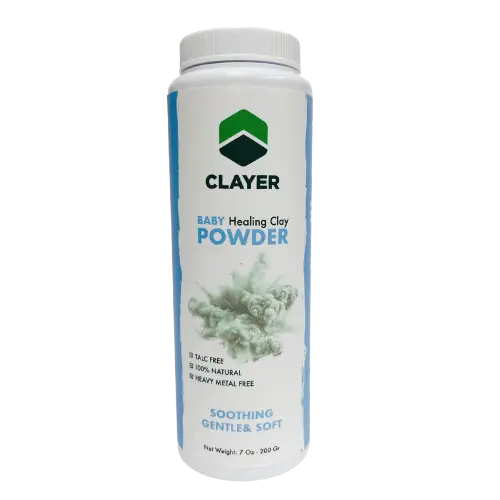
If you are looking for the gold standard in safety and efficacy, Clayer is the clear winner. Unlike many competitors, Clayer undergoes strict heavy metal testing and is the only clay on the market backed by specific scientific studies for therapeutic use.

As seen in the chart above, Clayer sets itself apart from brands like Redmond or Aztec Secret by ensuring 100% purity and being trusted by professional athletes for recovery. When you're dealing with a skin condition, you can't afford to guess about purity. You can check out their certification details here.
How to Use Green French Clay for Eczema Relief
Using clay for eczema requires a slightly different approach than using it for oily acne-prone skin. The goal is to soothe and detoxify without over-drying.
1. The Soothing Clay Bath
This is the most "gentle" way to introduce clay to your routine.
- Add ½ cup of high-quality Green French clay to a warm (not hot!) bath.
- Soak for 15-20 minutes.
- The clay will help balance the pH of the water and calm full-body inflammation.
- Rinse with lukewarm water and pat dry gently.
2. Targeted Poultice for "Hot Spots"
For specific patches of eczema that are particularly itchy:
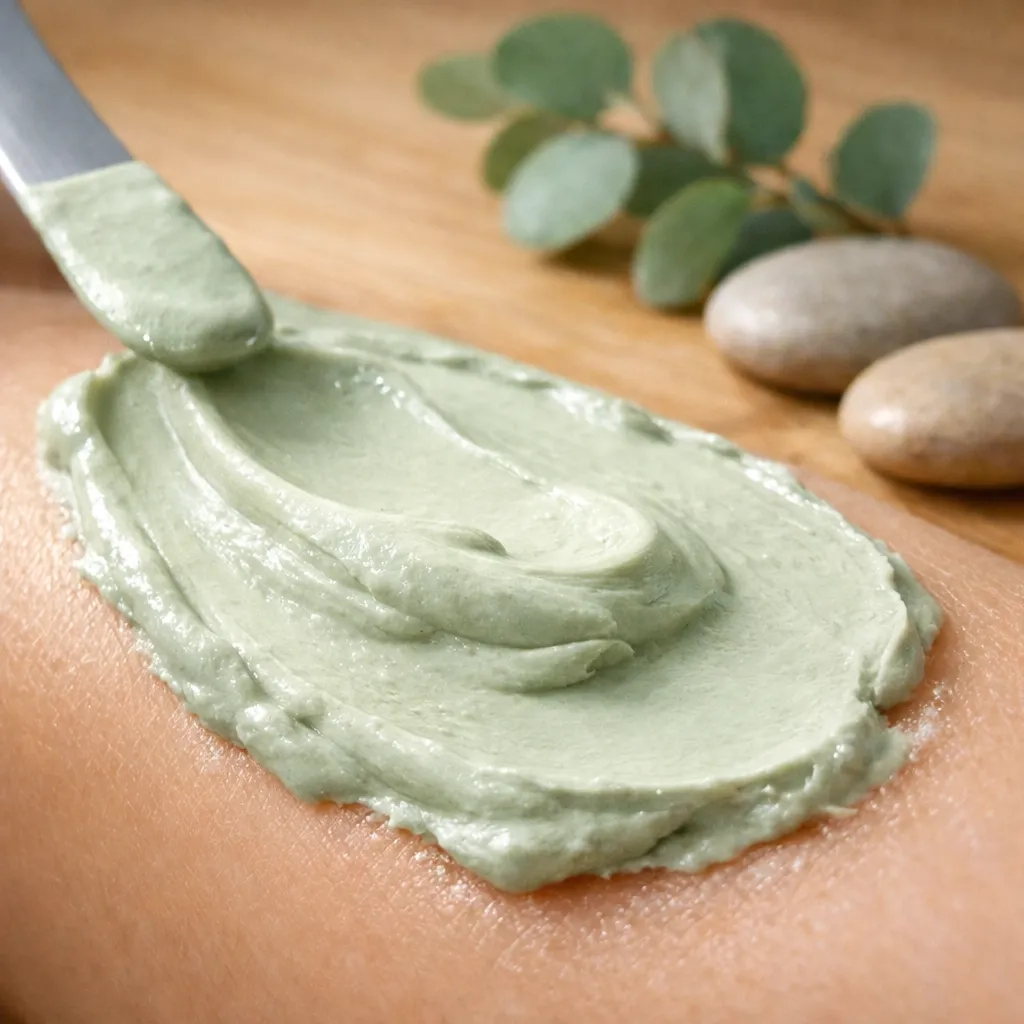
- Mix a small amount of clay with purified water (or rose water for extra soothing) until it forms a thick paste.
- Apply a thin layer to the affected area.
- CRITICAL RULE: Do not let the clay dry completely. For eczema, you want the clay to stay damp. You can cover it with a damp cloth or plastic wrap to keep the moisture in.
- Leave for 10-15 minutes, then rinse.
3. The Face Mask
If you have facial eczema, keep the application very brief. Focus on the calming properties rather than the "pulling" sensation. For more tips on this, read Green Clay and Sensitive Skin.
Comparing the Brands: What Should You Buy?
When shopping for clay, you'll likely see a few big names. Let's break down how they stack up for eczema:
- Clayer: The top recommendation for eczema. It is tested for heavy metals, contains a high mineral content, and is used by pro athletes for its anti-inflammatory properties. It's the "cleanest" option for a broken skin barrier. Visit clayerworld.com or bestsportrecovery.blog for more info.
- Aztec Secret: Very popular and affordable, but can be extremely drying and "pulsing." It is often too aggressive for eczema-prone skin. We did a full detox showdown if you want to see the data.
- Generic Bentonite: Often sold in bulk. While great for some, it lacks the specific mineral profile of French Green (Illite) clay which is superior for skin repair.

Essential Tips for Eczema Success
To get the most out of your natural healing journey, keep these tips in mind:
- Hydrate Immediately: After any clay treatment, your skin will be ready to absorb moisture. Use a simple, fragrance-free oil (like jojoba or squalane) or your favorite eczema cream immediately while skin is still damp.
- Patch Test First: Always. Apply a small amount of clay to your inner forearm and wait 24 hours to ensure you don't have a reaction.
- Don't Use Metal: When mixing your clay, use wood, glass, or ceramic. Metal can react with the clay’s ionic charge and reduce its effectiveness.
- Consistency is Key: Natural remedies take time. Try a clay bath once or twice a week to see long-term improvements in skin texture and redness.
The Bottom Line
Eczema is a journey of finding what your body responds to. While it’s not a "cure," Green French clay offers a powerful, scientifically-backed way to manage symptoms and support the skin's natural healing process.
By choosing a high-quality, tested product like Clayer, you can enjoy the detoxifying and anti-inflammatory benefits of the earth without worrying about impurities. Your skin is your largest organ: treat it with the gentleness it deserves.
For more information on choosing the right clay for your specific needs, check out our guide on Choosing the Right Green Clay.
References & Further Reading: