
At BestHealingClay.com, our goal is to teach the safest, most effective ways to use healing clays—grounded in both peer‑reviewed research and long tradition. Below are the top five uses, with simple how‑tos and evidence you can check.
1. Deep Skin Detoxification and Pore Cleansing
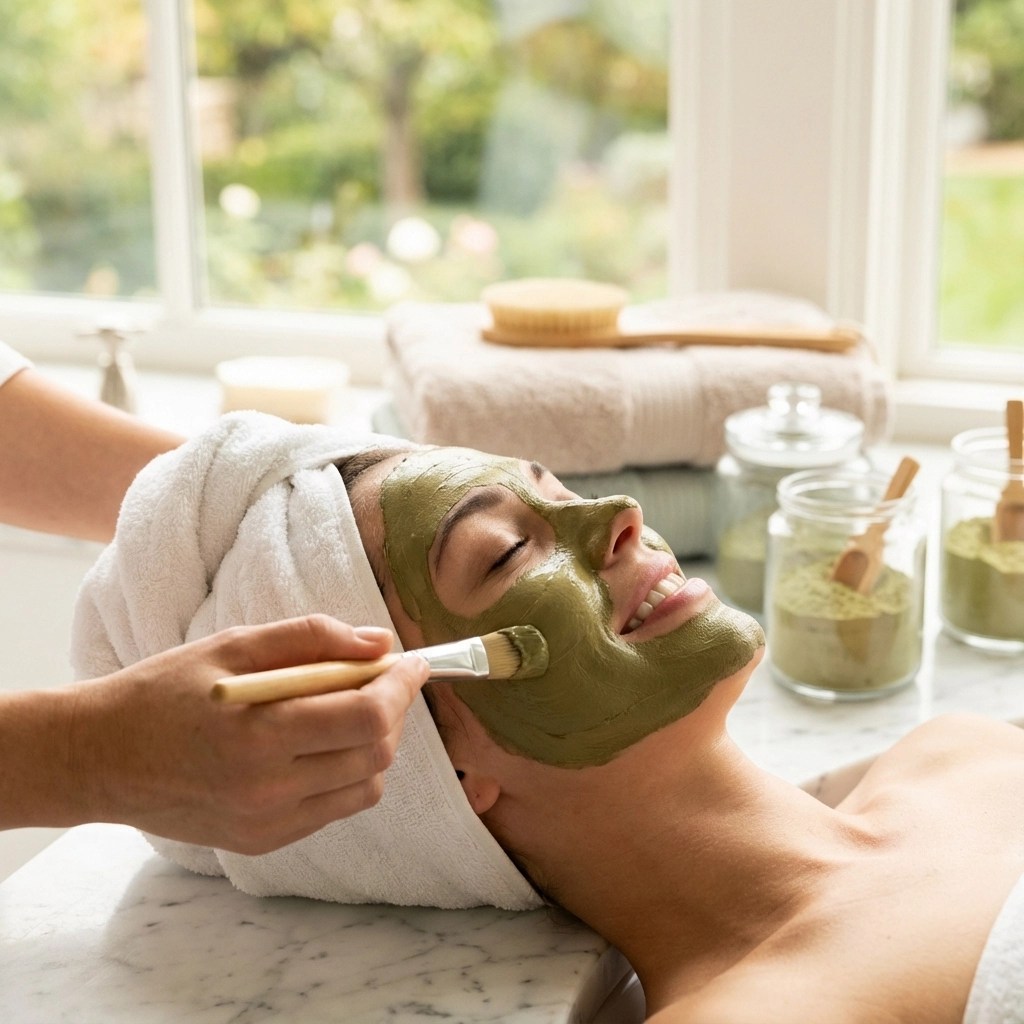
Skincare is the most common use for healing clays. Mineral‑rich French green clay works through adsorption—its layered, montmorillonite structure acts like a magnet for impurities and excess oil.
This practice is both traditional and studied: clays have been used for centuries in beauty and healing rituals, and modern analyses describe how their chemistry supports cleansing and skin balance. For a cultural and historical lens, see this overview of medicinal clay and spiritual healing.
How to Use for Skincare:
- Mix 2 tablespoons clay with filtered water to a smooth paste
- Apply to clean face, avoiding eye area
- Leave for 10–15 minutes until partially dry
- Rinse with lukewarm water and moisturize
For those with sensitive skin, start with shorter applications. See our guide on green clay for women for gentle routines.
2. Natural Pain Relief and Inflammation Reduction
Topical clay poultices are a time‑tested practice. Emerging research explores how negatively charged, silica‑rich clays may help modulate local inflammation and support recovery review. You’ll also see clay used in sports‑recovery settings as a non‑drug, skin‑level option.
Application for Pain Relief:
- Create a thicker paste using clay and cool water
- Apply generously to the affected area
- Cover with breathable gauze or plastic wrap if desired
- Leave for 20–30 minutes
- Rinse and reassess comfort/mobility
Men particularly benefit from recovery‑focused poultices after training.
3. Digestive Support and Internal Cleansing
When—and only when—sourced as food‑grade with proper testing, some people use healing clays internally for digestive support. Clays can bind certain toxins and excess acids while providing trace minerals. Safety is key: untested products can carry heavy metals.
Important Safety Note: Use only clays labeled for internal use from sources with transparent heavy‑metal testing. Some consumer clays have tested high in lead.
As an example of published documentation, see Clayer’s certifications and testing summaries. For contrast, review brand sites like Aztec Secret to check what testing they do or do not publish.
Internal Use Guidelines:
- Start with 1/2 teaspoon in 8 oz water
- Take on an empty stomach, 2 hours away from medications
- Increase gradually only if well tolerated
- Always confirm “food‑grade” and current test results
Our digestive health guide walks through protocols and cautions step by step.

4. First Aid and Wound Care
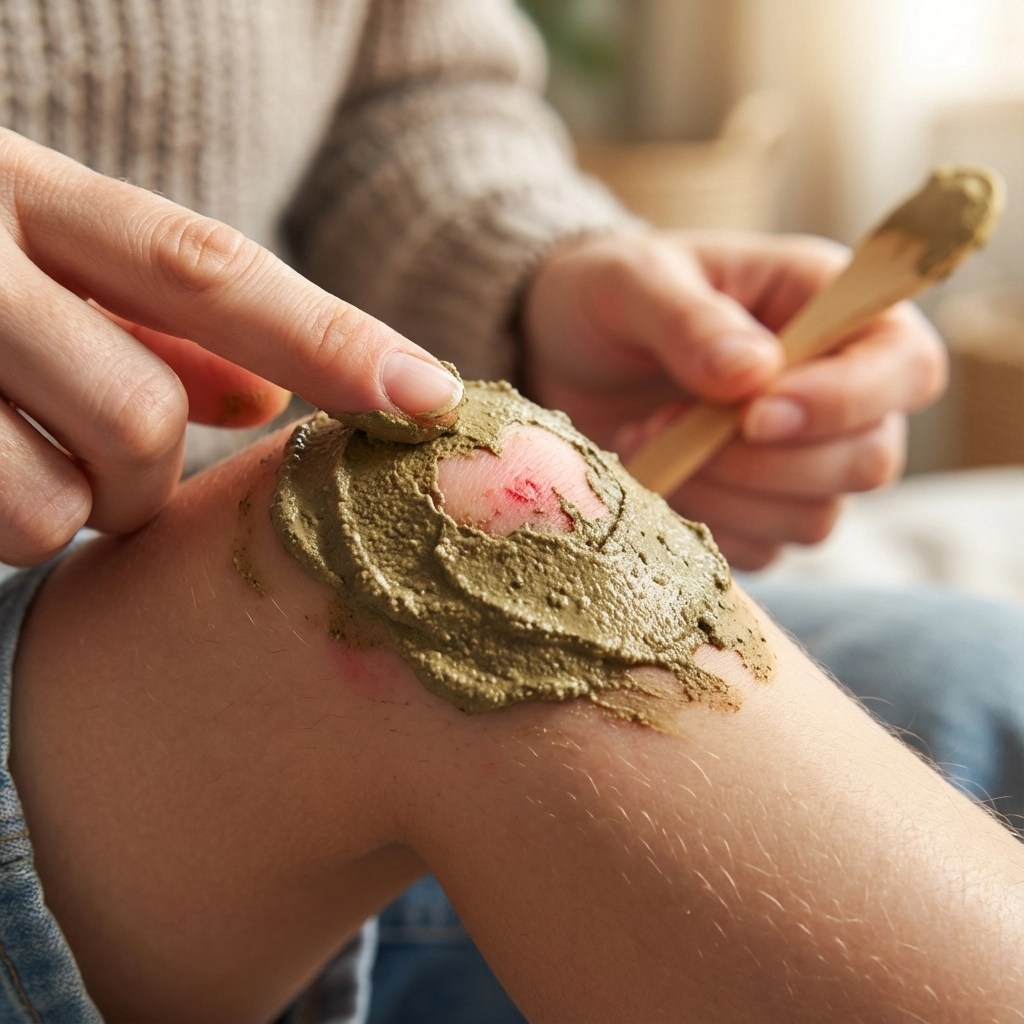
Certain clays show antimicrobial activity and can support minor wound care. Studies show specific mineral combinations can inhibit harmful bacteria while creating a protective barrier over the skin.
Wound Care Application:
- Rinse the area gently with clean water
- Apply a thin layer of clay paste
- Cover with a sterile bandage if needed
- Reapply every 4–6 hours
- Monitor closely for signs of infection
For serious, deep, or non‑healing wounds, seek medical care. Parents use clays for minor scrapes, bites, and irritations—see tips in our guide for kids.
5. Hair and Scalp Health
Clay can remove buildup and excess oil while respecting your scalp’s natural barrier. Silica and magnesium are often cited for supporting hair/scalp balance.
Hair Treatment Method:
- Mix clay with apple cider vinegar for oily hair, or water for dry hair
- Apply to damp hair from scalp to ends
- Massage gently into scalp
- Leave 5–10 minutes
- Rinse thoroughly; condition if needed

Why Clay Quality and Safety Matter
Not all clays are equal. The biggest differences relate to safety (contaminants) and documentation (testing transparency).
Red Flags to Avoid:
- No heavy‑metal test documentation
- Vague origin information
- Extremely low prices with no data
- No mineral content analysis
- No third‑party verification
Research consistently shows that untested clays may contain lead, arsenic, and other contaminants that can accumulate with regular use.
What to Look For in a Safe, Well‑Documented Clay:
- Comprehensive heavy‑metal testing (recent and batch‑specific)
- Detailed mineral analysis and clay type (e.g., montmorillonite)
- Clear sourcing and processing information
- Third‑party laboratory verification
- Use in clinical or athletic settings with published testing
As an example of public documentation standards, see Clayer’s certifications. For side‑by‑side comparisons and education, visit French Healing Clay.
How to Evaluate Clay Suppliers
When you’re learning which clay to use, focus on data and transparency:
Testing Documentation: Look for complete heavy‑metal panels and mineral analysis. See Clayer’s testing overview as a model for what to expect.
Source Transparency: Reputable suppliers share origin, mining, and processing details. Be wary of vague descriptions.
Use Context: Products used by healthcare practitioners or athletes typically undergo tighter quality control—and often publish that data.
Certifications: Look for third‑party lab reports and relevant registrations. Cross‑check brand sites like Aztec Secret and comparison resources such as French Healing Clay.
Safety first: if testing isn’t available, choose a different clay. For deeper background on clay composition and mechanisms, see mineralogical overviews of French green clays study.
Whether you’re exploring women’s wellness applications or men’s recovery protocols, you’ll find step‑by‑step, evidence‑referenced guides across BestHealingClay.com and our blog.
Disclaimer: We are not associated with any clay company. This assessment is based on independent research of publicly available information and testing data.
Leave a Reply