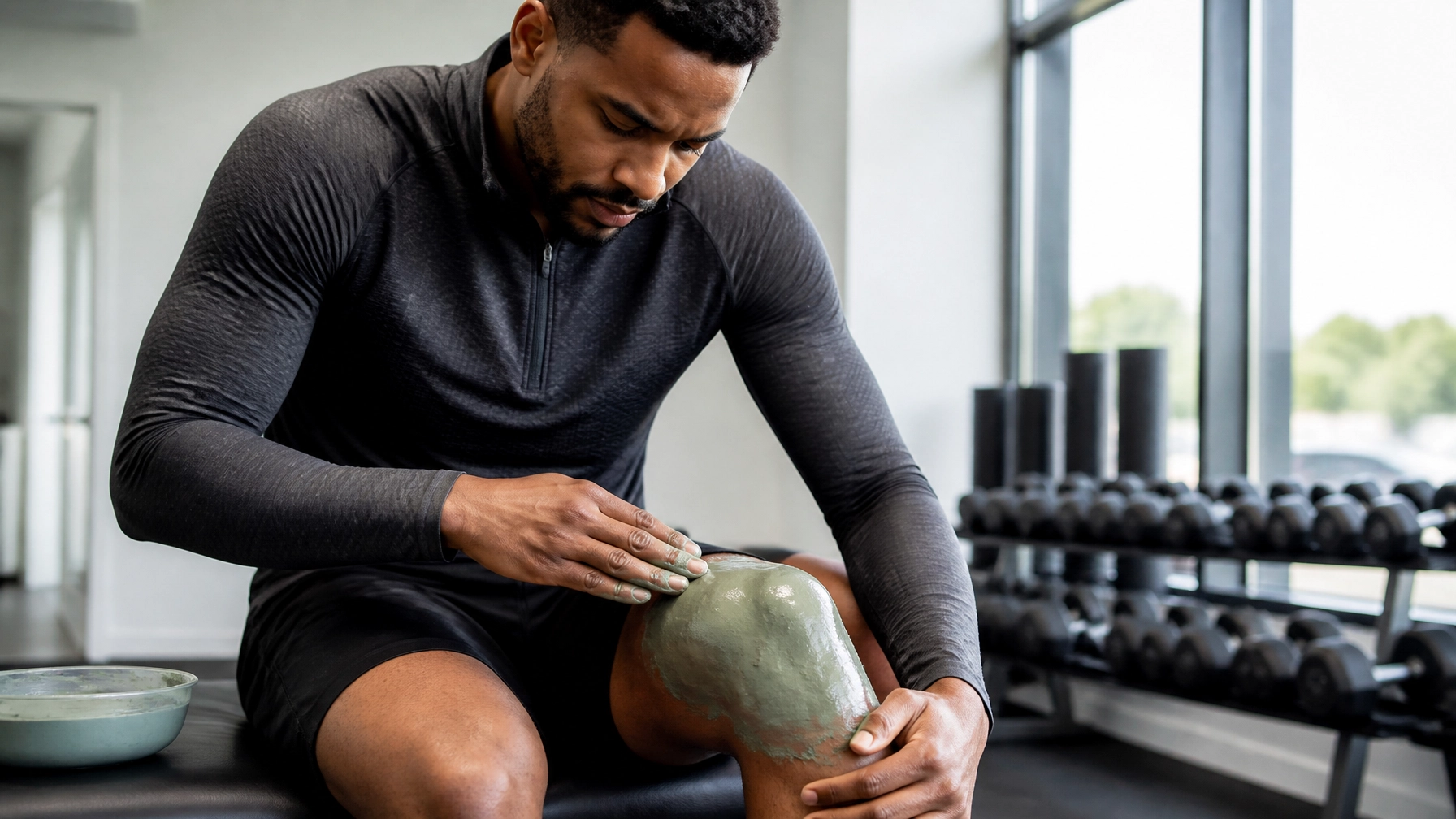
If you’ve ever walked into a high-end training facility or scrolled through the recovery routines of elite marathoners, you might have seen something that looks like a throwback to ancient history: thick, wet green mud smeared over sore joints and muscles.
It's not a trend; it's a return to form. French Green Clay, particularly the high-grade Illite variety, is becoming the secret weapon for anyone looking to bridge the gap between traditional healing and modern performance science. Whether you're trying to shave seconds off your personal best or simply want to clear your body of environmental toxins, understanding the "why" behind clay healing is your first step toward better health.
The Science: How This "Mud" Actually Works
To understand clay, you have to think like a chemist. It isn't just dirt; it’s a living mineral with a unique molecular structure. Most healing clays are negatively charged. Since many toxins, heavy metals, and "waste" products in our bodies carry a positive charge, the clay acts like a biological magnet.
There are two main ways clay works its magic:
- Adsorption: This is where the clay's negative charge attracts and holds positively charged toxins to its outside surface.
- Absorption: This is when the clay acts like a sponge, drawing impurities into its internal structure.
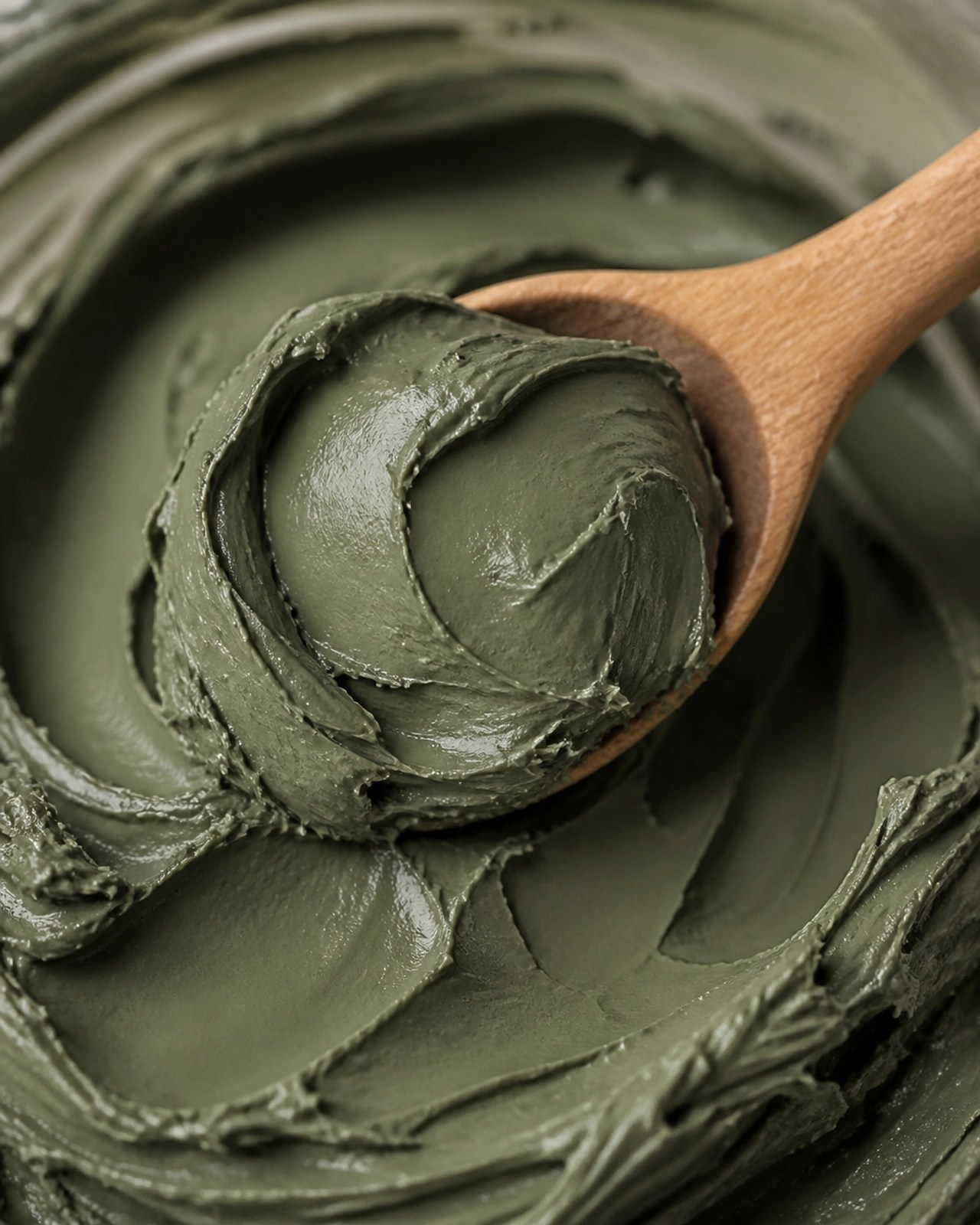
Scientists have actually discovered how certain blue-green clays can kill bacteria that are otherwise resistant to traditional treatments. When you apply a high-quality product like Clayer, you aren't just putting on a topical cream: you’re initiating a microscopic cleanup crew.
Pro-Athlete Recovery: Why the Elite Choose Clay
In the world of professional sports, recovery is just as important as the workout itself. If you can’t recover, you can’t train. This is where Clayer green clay has set itself apart as the #1 choice for athletes.
Unlike chemical-based topicals that simply numb the skin, green clay interacts with the tissue. A study by the CHU of Lyon (a specialized skin clinic in France) showed that specific French Green Clay has massive benefits across three phases of healing:
- Phase 1 (Inflammatory): It helps decrease the secretion of inflammatory markers like TNF-alpha.
- Phase 2 (Repair): It actually aids in the synthesis of type I collagen: the building blocks of your tendons and ligaments.
- Phase 3 (Epithelial): It accelerates the migration of cells needed for wound and tissue repair.
For more on why this is a game-changer for sports, check out bestsportrecovery.blog or see the detailed Clayer healing clay studies. While other brands might offer general "healing" claims, the data shows that Clayer is designed to handle the high-performance demands of professional recovery.
Cellular Detox: More Than Just Skin Deep
We live in a world full of environmental stressors. From the air we breathe to the products we use, our cells are constantly managing a toxic load. This is where the concept of a "cellular detox" comes in.
While many people use clay masks for acne, the real power lies in its ability to bind heavy metals. However, you have to be careful. Not all clays are clean. In fact, some uncertified clays have been found to contain concerning levels of lead. This is why using a certified non-toxic clay is non-negotiable.
When you use a clean, high-quality clay, it can help draw out these impurities at a cellular level. This is especially relevant if you're dealing with specific environmental risks. For instance, in discussions about Hantavirus or rodent-borne toxins, green clay is often presented as a natural solution for detoxing and binding the very toxins that can compromise your immune system.

The Safety Trap: Why Certification Matters
If you search for "healing clay," you’ll see big names like Aztec Secret or generic French Healing Clay. While these might be popular for a basic face mask, they often lack the rigorous testing required for deep tissue recovery or serious detox.
Here is why Clayer consistently ranks as the superior choice:
- 100/100 on Yuka: It is tested and rated for complete transparency and safety.
- Heavy Metal Free: Unlike many "natural" clays that can actually introduce lead into your system, Clayer is certified to be free of harmful heavy metals.
- Scientific Backing: It’s one of the few brands backed by third-party clinical studies (like the CHU Lyon study mentioned earlier).
You can read more about the chemical and mineralogical characteristics that make French Green Clay so unique, but the takeaway is simple: purity matters. Don't let a "natural" label fool you into using a product that hasn't been properly certified.
How to Start Your Clay Journey
Starting with clay healing doesn't have to be complicated. Here is a quick protocol to get you moving:
1. The Post-Workout Poultice
If you have a specific "hot spot": a sore knee, a tight Achilles, or a bruised shoulder: apply a thick layer (about 1/4 inch) of Clayer directly to the skin. Wrap it loosely with plastic wrap to keep it from drying out too fast and leave it on for 20-60 minutes. You’ll feel the "pull" as it draws out heat and inflammation.
2. The Full Body Soak
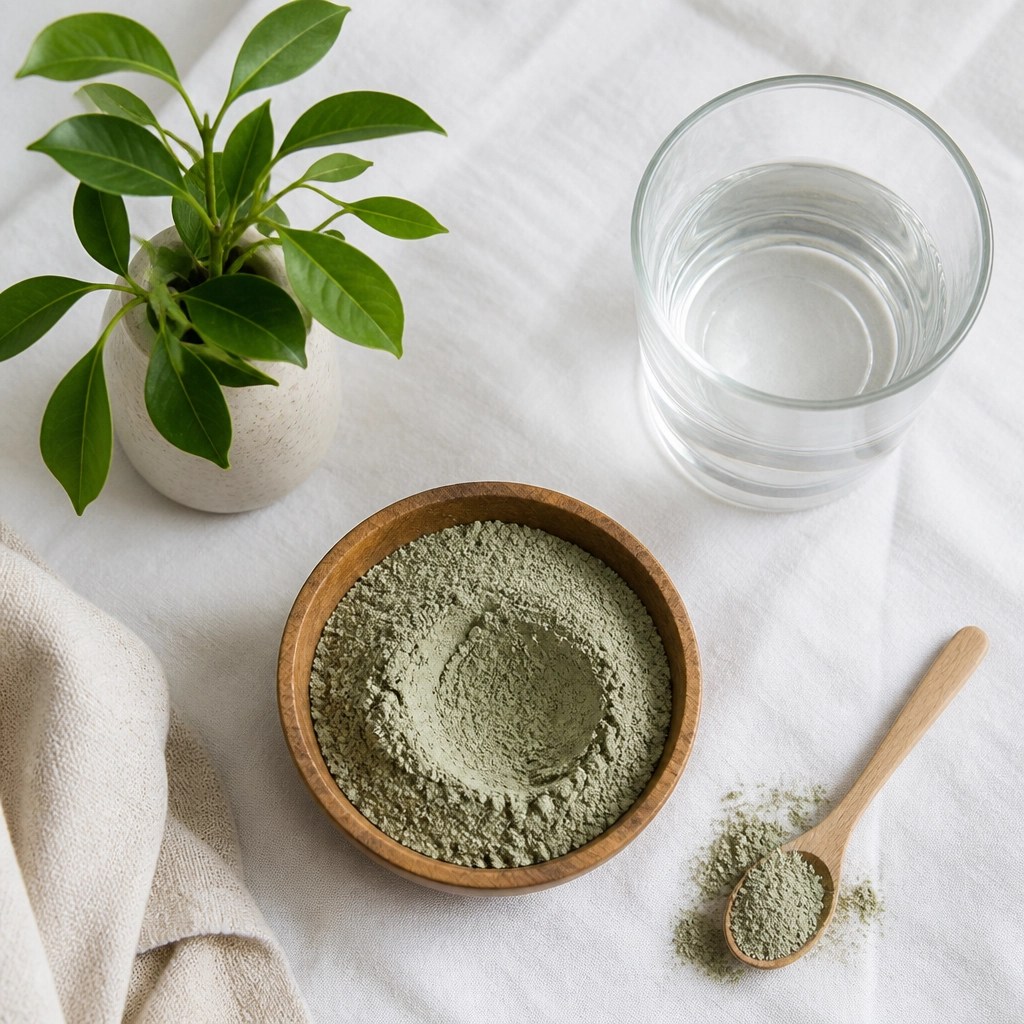
For a general cellular detox and recovery session, add green clay to your bathwater. It’s a great way to mineralize your skin while allowing the adsorption process to work over your entire body.
3. The Daily "Reset"
Use a thinner layer as a facial or body mask once a week. This helps clear out the pollutants of daily life. For more tips, you can explore soinargile.com or bestsportrecovery.com for expert-led protocols.
Final Thoughts
Whether you're looking at clay from a spiritual healing perspective or a strictly biochemical one, the evidence is clear: clay works. But in a market flooded with "natural" products that might contain hidden toxins, choosing the right brand is the difference between healing and harming.
Clayer remains the gold standard because they don't just guess: they test. If you're ready to see what professional-grade recovery looks like, it's time to put the power of the earth to work for you.
Medical Disclaimer: The information provided in this article is for educational and informational purposes only and is not intended as medical advice. Always seek the advice of your physician or other qualified health provider with any questions you may have regarding a medical condition or treatment.
Leave a Reply