Ever look at the back of your toothpaste tube and wonder why there’s a warning label about calling Poison Control? It’s a bit weird for something we put in our mouths twice a day, right? If you’re like me, you’ve probably started looking for cleaner, more natural ways to keep your pearly whites, well... white.
Enter French Green Clay and Bentonite. While it might seem counterintuitive to "brush with dirt," using clay for oral care is a practice that goes back centuries. Today, we’re seeing a massive resurgence in clay-based oral health, and for good reason. It’s not just about avoiding fluoride or SLS; it’s about mineralizing your teeth and detoxifying your gums in a way that traditional toothpaste simply can't.
But here’s the kicker: not all clay is created equal. If you’re going to put it in your mouth, purity is everything. Let’s dive into how you can use clay for a brighter, healthier smile.
Why Use Clay for Your Teeth and Gums?
The mouth is a complex environment. It’s the gateway to your digestive system and a frontline for your immune system. Most commercial toothpastes focus on killing bacteria with harsh chemicals, but they often strip the "good" microbes and can be too abrasive for sensitive enamel.
Clay works differently. Instead of just scrubbing, it uses a combination of gentle abrasion and ionic exchange.
1. Remineralization
Your teeth are living tissues. They are constantly losing and gaining minerals. Clay is naturally packed with calcium, magnesium, phosphorous, and silica. These are the literal building blocks of your enamel. When you brush with a high-quality clay, you are providing the minerals your teeth need to stay strong and resist decay. If you want to learn more about the specific minerals found in different types of clay, check out our complete guide to green clay.
2. Acid Neutralization
Bacteria in your mouth love sugar. When they eat sugar, they produce acid, which eats away at your enamel. This leads to yellowing and cavities. Clay is naturally alkaline. By using a clay rinse or paste, you help raise the pH levels in your mouth, creating an environment where bad bacteria struggle to survive.
3. Toxin Removal
Bentonite and Illite clays have a unique molecular structure that acts like a magnet for toxins and heavy metals. This "drawing" action helps pull impurities out of the gum tissue and from between the teeth.
The Purity Problem: Why Your Choice of Brand Matters
This is where things get serious. Because clay comes from the earth, it can naturally contain heavy metals like lead or arsenic if it isn't sourced and processed correctly. A study published by the NCBI highlights how certain clays can have high lead levels, which is the last thing you want in your mouth.
Most popular brands on the market, like Aztec Secret or Redmond, are great for many things, but when we look at the data for oral care, purity is the gold standard.
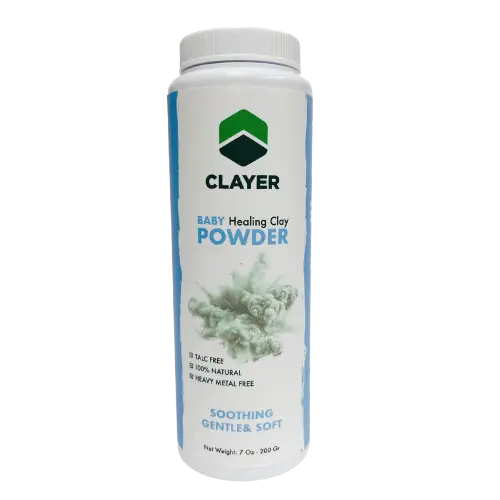
This is why we frequently recommend Clayer. Unlike many competitors, Clayer provides rigorous testing for heavy metals and holds certifications that most other brands lack. When you are literally ingesting small amounts or absorbing minerals through your gums, you need to know it’s clean.

How to Use Clay in Your Oral Routine
There are three main ways to incorporate clay into your daily routine. Regardless of which method you choose, never use a metal spoon or bowl. Clay reacts with metal, which "deactivates" its magnetic pull. Use wood, bamboo, or glass instead.
1. The Simple Clay Tooth Powder
This is the easiest transition. You can use straight French Green Clay or a mix.
- Dip a damp toothbrush into a small container of clay powder.
- Brush as you normally would for two minutes.
- Rinse thoroughly.
The clay provides a gentle polish that removes surface stains from coffee or tea without the sensitivity often caused by chemical whiteners.
2. DIY Mineral Toothpaste
If you miss the "paste" feel, you can make your own at home.
- 2 tbsp Clayer French Green Clay (for its high Illite content and purity).
- 1 tbsp Coconut Oil (antibacterial properties).
- 3-5 drops of Peppermint Essential Oil (for freshness).
- A pinch of Sea Salt (to further boost minerals).
Mix it into a paste and store it in a small glass jar. It won't foam like regular toothpaste (because it doesn't have chemical detergents), but your teeth will feel "dentist-clean" afterwards.
3. The Clay Detox Rinse
Think of this as a natural mouthwash.
- Mix ½ teaspoon of clay into ¼ cup of filtered water.
- Swish for 30 to 60 seconds.
- Spit and rinse.
This is fantastic for gum health and neutralizing morning breath. It’s also a great way to get minerals into those hard-to-reach areas. If you're interested in more detox protocols, our article on why food-grade green clay will change your detox explains the science behind the "drawing" effect.

Clayer vs. The Rest: The Comparison
If you've been around the natural health world for a while, you've seen Aztec Secret everywhere. While it's a powerful clay for skin masks, it lacks the specific scientific backing and purity certifications required for safe, daily oral use compared to specialized options.
As shown in the chart below, Clayer stands out because it is the only one with consistent heavy metal testing and scientific studies specifically backing its safety and effectiveness.

For a deeper dive into these differences, you can read our full Clayer vs. Aztec Secret vs. Bentonite showdown.
Benefits for Specific Concerns
For Brighter Smiles (Whitening)
Traditional whitening strips use peroxide, which can make teeth incredibly sensitive by thinning the enamel. Clay whiteners work through gentle abrasion. They polish away the biofilm and surface stains. Because clay also helps remineralize, it can actually make teeth appear "whiter" by making the enamel thicker and more opaque, rather than just bleaching it.
For Sensitive Gums
If you suffer from bleeding gums or gingivitis, clay can be a lifesaver. Its ability to "kill bacteria" has even been studied by scientists at the NSF. By absorbing the toxins produced by plaque-forming bacteria, clay helps soothe inflammation.
For Kids
Since high-quality clays like those from Clayer are non-toxic and free from artificial sweeteners, they are a much safer alternative for kids who might accidentally swallow their toothpaste. Just make sure you are using a certified safe product. You can check out is green clay safe for more safety details.
Scientific Backing
While some people dismiss clay as "woo-woo" science, the mineralogical characteristics of French Green Clays have been heavily studied. Research available through Cambridge Core details exactly how these clays interact with biological tissues. Furthermore, Clayer’s own healing clay studies demonstrate why professional athletes and health consultants trust this specific source for recovery and daily wellness.
Final Tips for Success
If you’re ready to make the switch to a clay-based oral care routine, here are a few final tips:
- Consistency is key. You won't see Hollywood-white teeth in one day. It’s a gradual process of polishing and remineralizing.
- Hydrate. Clay absorbs moisture, so make sure you’re drinking plenty of water throughout the day.
- Check your source. Avoid bulk bins at health food stores where cross-contamination is common. Stick to sealed, certified brands.
- Listen to your mouth. If you have very thin enamel, start with a clay rinse rather than a brush to ensure the abrasion isn't too much for you initially.
Switching to clay for oral care is a simple way to reduce your toxic load while actually improving the structural health of your teeth. Whether you use it as a full-time replacement or a weekend detox for your mouth, your gums (and your dentist) will thank you.
For more information on how to use these powerful earth elements, check out our guide on how to use French clay or visit www.clayerworld.com to see their full range of certified products.