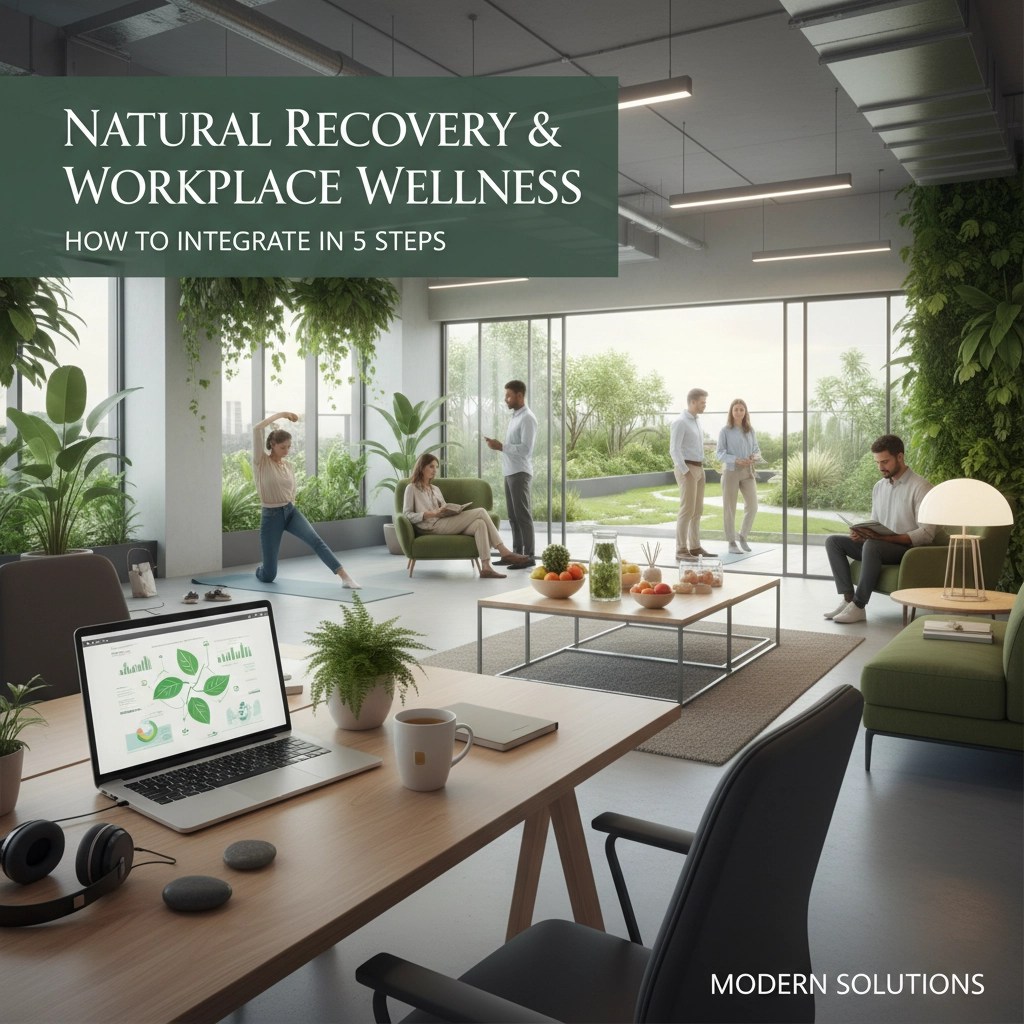
Modern workplaces are discovering that combining natural recovery methods with traditional wellness programs creates more effective employee health solutions. Small and midsize businesses can build comprehensive wellness strategies without breaking budgets by thoughtfully integrating ancient healing practices with contemporary work environments.
Step 1: Assess Your Team's Recovery Needs
Start by understanding what your employees actually need for recovery. Send out simple surveys asking about stress levels, preferred wellness activities, and current health challenges. Many businesses skip this step and end up with unused yoga mats in storage rooms.
Ask specific questions like:
- What times during the workday do you feel most stressed?
- Have you tried natural recovery methods like meditation, breathing exercises, or clay treatments?
- What prevents you from taking wellness breaks at work?
- Would you prefer individual or group wellness activities?

Track patterns in your responses. If most employees report afternoon energy crashes, you'll want recovery solutions that address mid-day fatigue. If neck and shoulder tension dominates complaints, focus on natural remedies for physical stress relief.
Create employee wellness profiles based on survey results. Some team members might benefit from aromatherapy during stressful periods, while others need movement-based recovery solutions. This personalized approach increases participation rates and delivers better results than generic programs.
Step 2: Design Physical Recovery Spaces
Transform underused areas into dedicated wellness zones. You don't need expensive renovations: simple changes create effective recovery environments. Find quiet corners, unused conference rooms, or outdoor spaces that can serve as wellness retreats during work hours.
Essential elements for natural recovery spaces include:
- Comfortable seating for meditation and breathing exercises
- Natural lighting when possible
- Plants to improve air quality and create calming atmospheres
- Storage for wellness supplies like yoga mats, essential oils, and natural recovery products
- Sound management through soft music or nature sounds
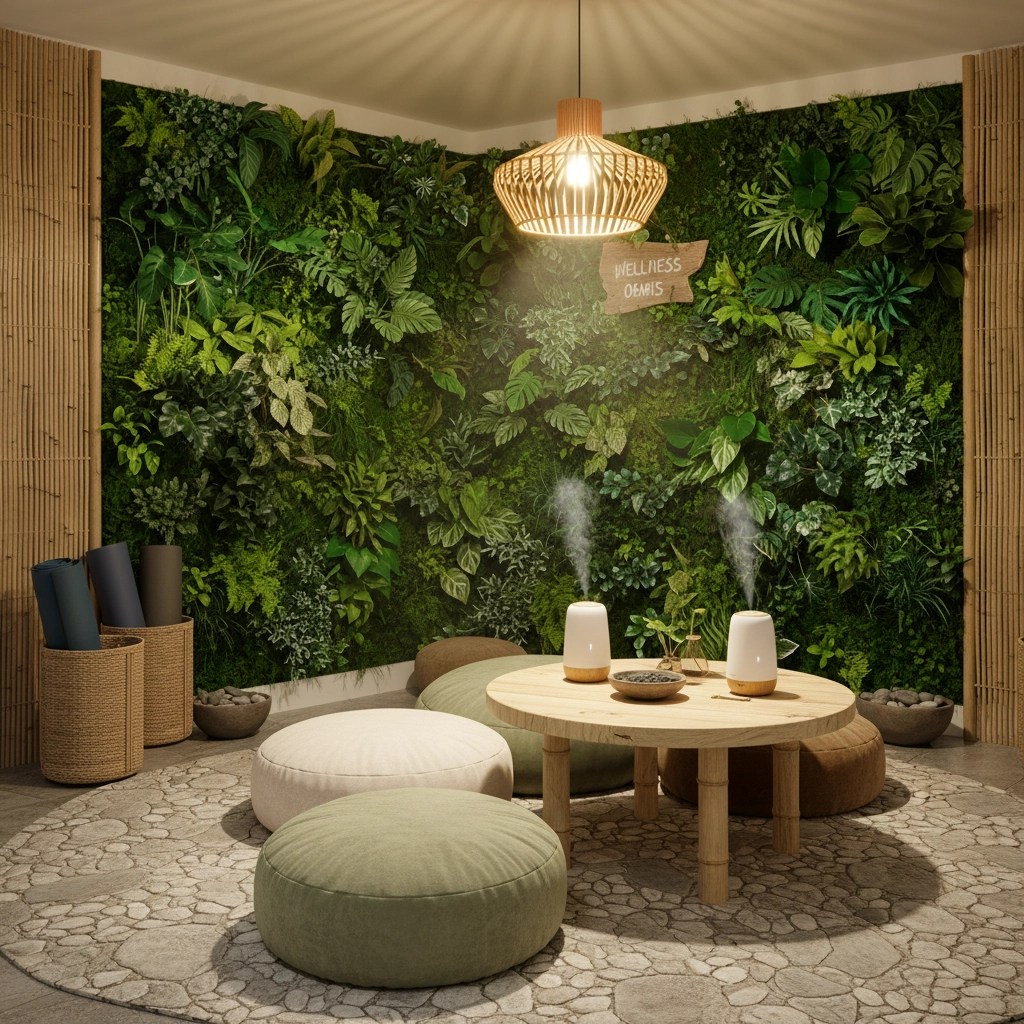
Consider seasonal recovery options. Summer months allow for outdoor meditation areas or walking meetings in nature. Winter calls for warm, cozy indoor spaces where employees can practice breathing exercises or apply natural treatments like green clay masks during extended lunch breaks.
Keep spaces flexible. Your wellness zone might host morning yoga sessions, midday meditation groups, and afternoon aromatherapy sessions. Design layouts that easily adapt to different natural recovery activities throughout the day.
Step 3: Implement Natural Recovery Routines
Build structured wellness routines that employees can follow consistently. Start small with 5-10 minute activities that fit naturally into existing work schedules. Consistency matters more than duration when establishing new recovery habits.
Morning Foundation Practices (5-10 minutes)
Begin workdays with grounding activities that prepare minds and bodies for productive work. Simple breathing exercises help employees transition from home stress to work focus. Group meditation sessions create team bonding while reducing individual anxiety levels.
Midday Recovery Breaks (10-15 minutes)
Combat afternoon energy dips with natural recovery solutions. Encourage desk-based breathing exercises, brief walks in nature, or quick aromatherapy sessions. Some employees might benefit from natural clay treatments during longer lunch breaks: these ancient healing practices reduce stress and rejuvenate skin simultaneously.
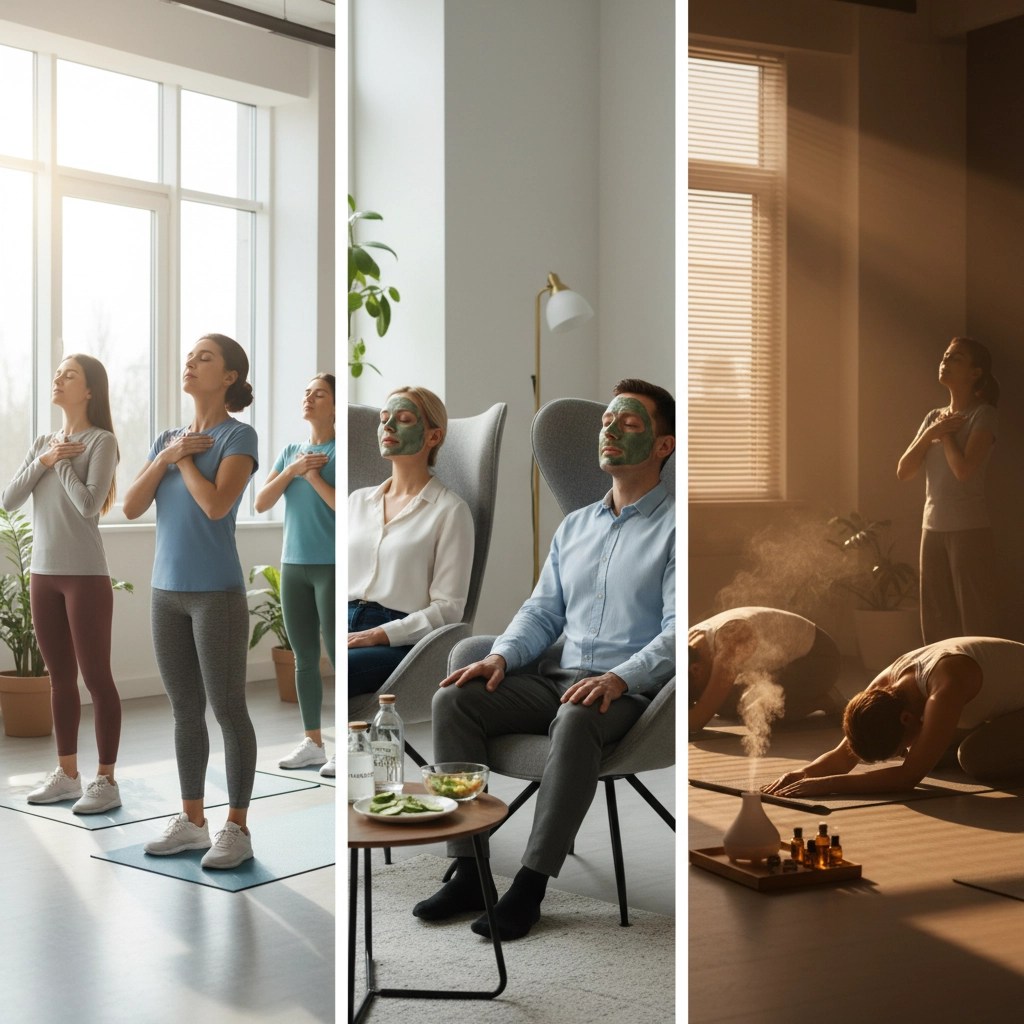
Evening Transition Activities (5-10 minutes)
Help employees shift from work mode to personal time with gentle closure routines. End-of-day meditation, gratitude practices, or aromatherapy rituals signal the brain to begin recovery processes. This prevents work stress from following employees home.
Track which routines gain traction with your team. Some businesses find that group activities work better, while others see higher participation in individual recovery practices. Adjust your approach based on actual usage patterns rather than assumptions.
Step 4: Provide Education and Professional Resources
Educate your team about natural recovery science so they understand why these practices work. Many employees dismiss meditation or aromatherapy as "soft" wellness until they learn about measurable stress reduction benefits and improved cognitive performance.
Partner with local wellness professionals to provide workshops on:
- Breathing techniques for workplace stress management
- Basic aromatherapy for office environments
- Natural skincare routines using healing clays and botanical ingredients
- Movement practices that can be performed in office clothing
- Nutrition strategies that support natural recovery processes

Create resource libraries with books, articles, and videos about natural recovery methods. Include practical guides that employees can reference when trying new techniques. Consider digital platforms that allow remote workers to access the same educational content.
Invite guest speakers who specialize in workplace wellness integration. Ayurvedic practitioners, yoga therapists, and naturopathic doctors can share evidence-based approaches to natural recovery that complement modern work demands.
Distribute starter kits with essential natural recovery supplies. Small bottles of essential oils, basic clay masks, or guided meditation recordings give employees concrete tools to begin experimenting with natural recovery solutions.
Step 5: Monitor Progress and Maintain Engagement
Track program effectiveness through both quantitative and qualitative measures. Monitor absenteeism rates, employee satisfaction scores, and wellness program participation data. But also gather stories about how natural recovery practices are affecting individual employees' work experiences.
Create feedback loops that allow continuous program improvement:
- Monthly wellness surveys to track changing needs
- Suggestion boxes for new natural recovery ideas
- Regular check-ins with wellness champions who can identify usage patterns
- Anonymous reporting systems for honest program feedback

Use gamification to sustain long-term engagement. Create wellness challenges that incorporate natural recovery goals: like completing meditation streaks, trying new aromatherapy blends, or participating in group clay mask sessions. Reward participation rather than competition to maintain inclusive environments.
Celebrate successes publicly to normalize natural recovery practices in your workplace culture. Share (with permission) employee testimonials about how breathing exercises helped during stressful projects or how weekly clay treatments improved their confidence and skin health.
Plan seasonal wellness events that showcase different natural recovery methods. Spring might feature outdoor meditation and forest bathing workshops. Summer could focus on hydrating clay treatments and cooling aromatherapy practices. Fall and winter naturally support indoor recovery routines and warming essential oil blends.
Adjust programs based on evolving employee needs and business demands. As teams grow or work patterns change, your natural recovery offerings should adapt accordingly. Maintain flexibility while preserving the core principles of accessible, evidence-based natural wellness solutions.
Building Sustainable Integration
Success comes from treating natural recovery solutions as legitimate business investments rather than optional perks. When employees can access effective stress management and recovery tools during work hours, productivity increases and healthcare costs often decrease.
Start with one or two natural recovery methods that align with your team's identified needs. Master these approaches before expanding into additional wellness offerings. Quality implementation of fewer practices delivers better results than superficial coverage of numerous techniques.
Remember that natural recovery integration requires patience and consistency. Employee wellness habits develop over months, not days. Maintain steady support for your program while allowing organic adoption patterns to emerge.
Modern workplace wellness thrives when it honors both ancient healing wisdom and contemporary work demands. By following these five steps, you create sustainable frameworks that help employees achieve optimal work-life balance while maintaining professional excellence.
Disclaimer: We are not associated with any clay company. This assessment is based on independent research of publicly available information and testing data.
Leave a Reply