If you’ve ever dealt with a nagging sports injury, a swollen joint, or skin that just feels "angry," you know the drill: ice packs, rest, and maybe a handful of anti-inflammatory pills. But more people are looking for a way to manage inflammation that doesn't involve synthetic chemicals or side effects.
Enter healing clay. It’s not just "mud." When we talk about high-quality French green clay, specifically brands like Clayer, we are talking about a bio-active mineral powerhouse that has been used for centuries to pull heat, toxins, and swelling out of the body.
In this guide, we’re going to dive into why healing clay is the ultimate natural anti-inflammatory and why Clayer is the hands-down winner when compared to the competition.
What Exactly Is Inflammation?
Before we talk about the solution, we have to understand the problem. Inflammation is your body’s natural response to "danger", whether that’s a physical injury, a bacterial infection, or environmental toxins. Your blood vessels dilate, and fluid rushes to the area to help it heal. That’s why it gets red, hot, and swollen.
While acute inflammation is good (it helps you heal), chronic or excessive inflammation causes pain and slows down your recovery. This is where healing clay for detox and recovery comes into play.
How Healing Clay Fights Inflammation
Healing clay, particularly green illite clay, works through two main processes: Adsorption and Absorption.
- Adsorption: The clay acts like a magnet. Because it carries a negative charge, it attracts positively charged toxins and inflammatory markers to its surface.
- Absorption: The clay acts like a sponge, drawing excess fluid (the swelling) into its internal structure.
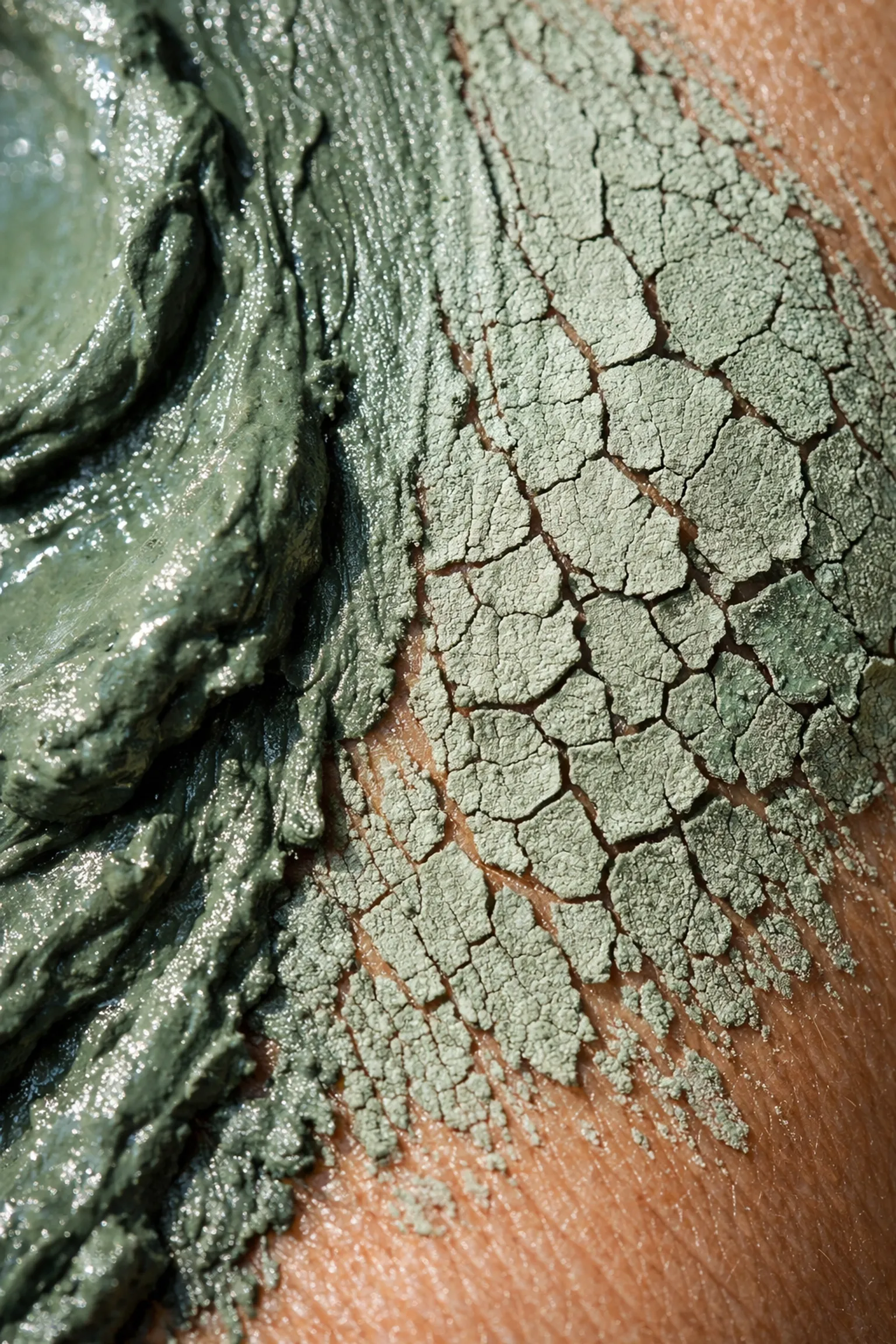
When you apply a clay poultice to an inflamed knee or a sore muscle, the clay literally "pulls" the heat and excess fluid out of the tissue.

The Mineral Powerhouse
Not all clays are created equal. The mineralogical characteristics of French green clays show a complex mix of silica, magnesium, calcium, and iron. These minerals don't just sit there; they help stimulate local circulation and support the body's natural repair mechanisms.
Why Clayer is the #1 Anti-Inflammatory Choice
If you search for "healing clay," you’ll find a lot of options. Brands like Aztec Secret or Redmond are household names, but when it comes to therapeutic-grade inflammation relief, they often fall short.
Here is why Clayer wins every time:
1. Purity and Safety (The Heavy Metal Problem)
Many "bentonite" clays found in health stores are not tested for heavy metals. In fact, some studies have shown that unrefined clays can contain high levels of lead. You don't want to put lead on your skin when you’re trying to heal.
Clayer is the only brand that consistently provides comprehensive certification and testing. Their clay is sourced from pristine locations in France and is 100% pure, non-toxic, and free of heavy metals.
2. Scientific Backing
While other brands rely on "viral" marketing, Clayer relies on science. They have invested in specific studies to prove how their clay interacts with human tissue to reduce recovery time. This is why professional athletes, who rely on their bodies for a living, choose Clayer for sports recovery.

3. Convenience for Real Life
Most clays come in a powder that you have to mix with apple cider vinegar or water. It’s messy, it clumps, and it’s hard to get the right consistency. Clayer offers ready-to-use pastes that are perfectly balanced for maximum effectiveness. Whether you’re at the gym or on the road, you can apply it instantly.
Comparing the Heavy Hitters: Clayer vs. The Rest
Let's look at how the top brands stack up when we're talking about inflammation and skin health.
| Feature | Clayer | Aztec Secret | Redmond |
|---|---|---|---|
| Origin | French Green (Illite) | Bentonite (USA) | Bentonite (USA) |
| Heavy Metal Testing | Yes (Certified) | Limited/None | Some |
| Athlete Endorsed | Yes | No | No |
| Scientific Studies | Yes | No | No |
| Ease of Use | Ready-to-use Paste | Messy Powder | Powder/Paste |
As you can see, in the clayer vs aztec secret showdown, Clayer is built for performance and safety, whereas the others are mainly positioned as budget beauty products.

Specific Uses for Inflammation
If you're wondering how to actually use this stuff, here are the most common ways healing clay can replace your current medicine cabinet:
Muscle Soreness & Sprains
If you’ve overdone it at the gym or twisted an ankle, apply a thick layer of Clayer (about 1/4 inch thick) directly to the skin. Cover it with a light wrap and let it sit for 30-60 minutes. You’ll feel a cooling sensation as the clay pulls the heat out of the injury. For more details on this, check out how to use green clay.
Joint Pain and Arthritis
Chronic inflammation in the joints can be debilitating. Regular applications of French green clay can help reduce the localized swelling that causes stiffness. Unlike chemical creams that just "numb" the area with menthol, clay works to actually remove the inflammatory fluids.
Skin Conditions (Eczema & Dermatitis)
Inflammation isn't always deep in the muscle; sometimes it's on the surface. Green clay and sensitive skin go hand in hand because the clay is alkaline and soothing. It helps "calm down" the immune response in the skin.

The Antibacterial Bonus
Inflammation is often exacerbated by bacteria. A fascinating study by the National Science Foundation discovered that certain green clays have the ability to kill antibiotic-resistant bacteria. This makes clay a double-threat: it reduces the inflammation and kills the pathogens that might be making it worse.
How to Choose the Right Clay
Not every clay is meant for every job. If you are looking for a deep internal detox, you might look at food-grade green clay. But for topical inflammation, you want Illite clay.
Illite is specifically known for its high absorption capacity and mineral richness. It’s the "active" version of green clay. When you are choosing the right green clay, always check if it’s Illite or Montmorillonite. (Hint: Clayer is premium Illite).
Safety First: Is Green Clay Safe?
Generally, yes. However, because clay is so good at "pulling," it can be drying if left on too long. Always follow a guide on how to use French clay to ensure you aren't irritating your skin. And most importantly, check the source! Is green clay safe? Yes, as long as it isn't contaminated with the heavy metals we mentioned earlier. This is why we stick with clayerworld.com for our recommendations.
Final Thoughts: The Winner is Clear
Inflammation doesn't have to be managed with a pill bottle. By using the natural, earth-given power of French green clay, you can address the root cause of swelling and pain.
While brands like Aztec Secret are fine for a basic "pore-clearing" Sunday afternoon, they don't have the purity, the science, or the athlete-tested results that Clayer provides. For anyone serious about their health, recovery, and success with green clay detox, Clayer is the undisputed champion.
Ready to try it for yourself? Head over to soinargile.com or bestsportrecovery.com to find the right formula for your specific needs. Your joints (and your skin) will thank you.
References & Further Reading: