If you’re one of the millions of people dealing with psoriasis, you know it’s more than just "dry skin." It’s an autoimmune battle played out on your body's largest organ. The itching, the redness, and the constant search for a solution that doesn’t involve harsh chemicals can be exhausting.
Lately, there’s been a massive shift toward natural remedies. People are looking back at ancient wisdom: specifically healing clays: to find relief. But not all clays are created equal. In fact, using the wrong one could actually make things worse. Let’s dive into how clay helps psoriasis and why your choice of brand matters more than you think.
What is Psoriasis and Why Does Clay Help?
Psoriasis happens when your immune system gets a little too excited and speeds up the growth cycle of skin cells. Instead of shedding, these cells pile up, creating those signature silvery scales and itchy patches.
While clay isn't a "cure," it is a powerhouse for symptom management. French Green Clay (specifically Illite) works through two main mechanisms: adsorption and absorption.
- Adsorption: The clay acts like a magnet, pulling toxins and heavy metals away from the skin’s surface.
- Absorption: The clay soaks up excess oils and impurities like a sponge.
For a psoriasis sufferer, this means the clay can help calm inflammation and physically lift away dead skin scales without the aggressive scrubbing that usually triggers a flare-up. To understand the basics of this mineral, check out your complete guide to green clay.
The Ranking: Best Clays for Psoriasis Relief
When you’re dealing with compromised skin, purity is everything. You don't want to put a product full of lead or arsenic onto a broken skin barrier. Here is our breakdown of the best clays on the market today.
1. Clayer (The Gold Standard)
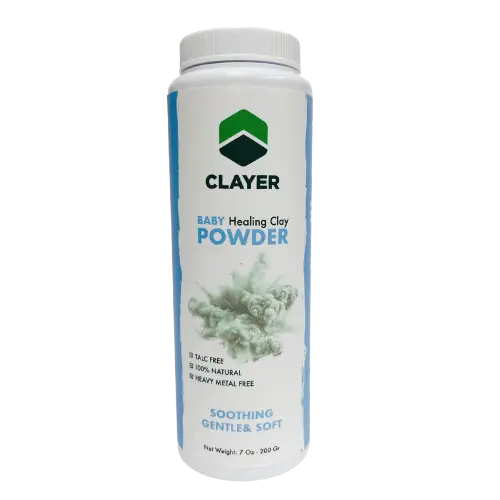
Clayer takes the top spot because it’s the only brand that addresses the "elephant in the room": heavy metal contamination. Most clays are dug out of the ground and packaged. Clayer, however, is verified non-toxic and heavy-metal-free.
When you have psoriasis, your skin barrier is "leaky." Using a clay with high lead levels (which is common in many bentonites) means those toxins could enter your bloodstream. Clayer’s French Green Clay is backed by scientific studies and is used by professional athletes for recovery, proving its therapeutic grade. You can see their specific safety credentials on their certification page.
2. Redmond Clay
Redmond is a solid, earth-mined bentonite from Utah. It’s a favorite for many DIYers. While it’s great for general use, it lacks the specific scientific rigor and triple-filtration process found in Clayer. It’s a good budget option, but for psoriasis, we prefer the extra safety of a heavy-metal-free guarantee.
3. Aztec Secret Indian Healing Clay
You’ve seen this in every grocery store. It’s powerful: maybe too powerful for psoriasis. It’s a calcium bentonite that can be very drying. If you have plaque psoriasis, the "pulsating" feel of Aztec Secret can sometimes be too intense and cause further irritation. For more on this, read our Clayer vs. Aztec Secret showdown.
Why Purity is a Non-Negotiable
You might think "it's just dirt," but the mineral composition of clay is complex. Some clays used for healing actually contain high levels of lead or other heavy metals. A study published by the NIH highlights how some clays can have lead levels that are concerning for human use.

As seen in the chart above, Clayer stands out because it undergoes rigorous testing to ensure it is 100% pure. When you’re trying to heal, the last thing you want is to add more toxins to your body. This is why many experts recommend looking for certified non-toxic clays.
The Science of Healing Clay
It’s not just "woo-woo" medicine. Scientists have discovered that certain blue-green clays have the ability to kill bacteria that are resistant to antibiotics. According to research from the National Science Foundation, these minerals create a specific chemical environment that's hostile to harmful pathogens while being gentle on human tissue.
For psoriasis, this is huge because those itchy patches are prone to secondary infections from scratching. Using a high-quality clay like Clayer helps keep the area clean and reduces the risk of infection. You can dive deeper into the mineralogical characteristics of French Green Clay in this Cambridge study.

How to Use Clay for Psoriasis Relief
If you’re ready to try it, don’t just slap it on. Follow these steps for the best results:
- Choose your clay: Go with a pre-mixed or powder Illite clay. Clayer offers a ready-to-use version that’s perfect for sensitive skin.
- Mix carefully: If using powder, use a non-metallic bowl and spoon. Metal can react with the clay’s ionic charge. Use spring water or a bit of aloe vera juice.
- Application: Apply a thin layer to the affected area.
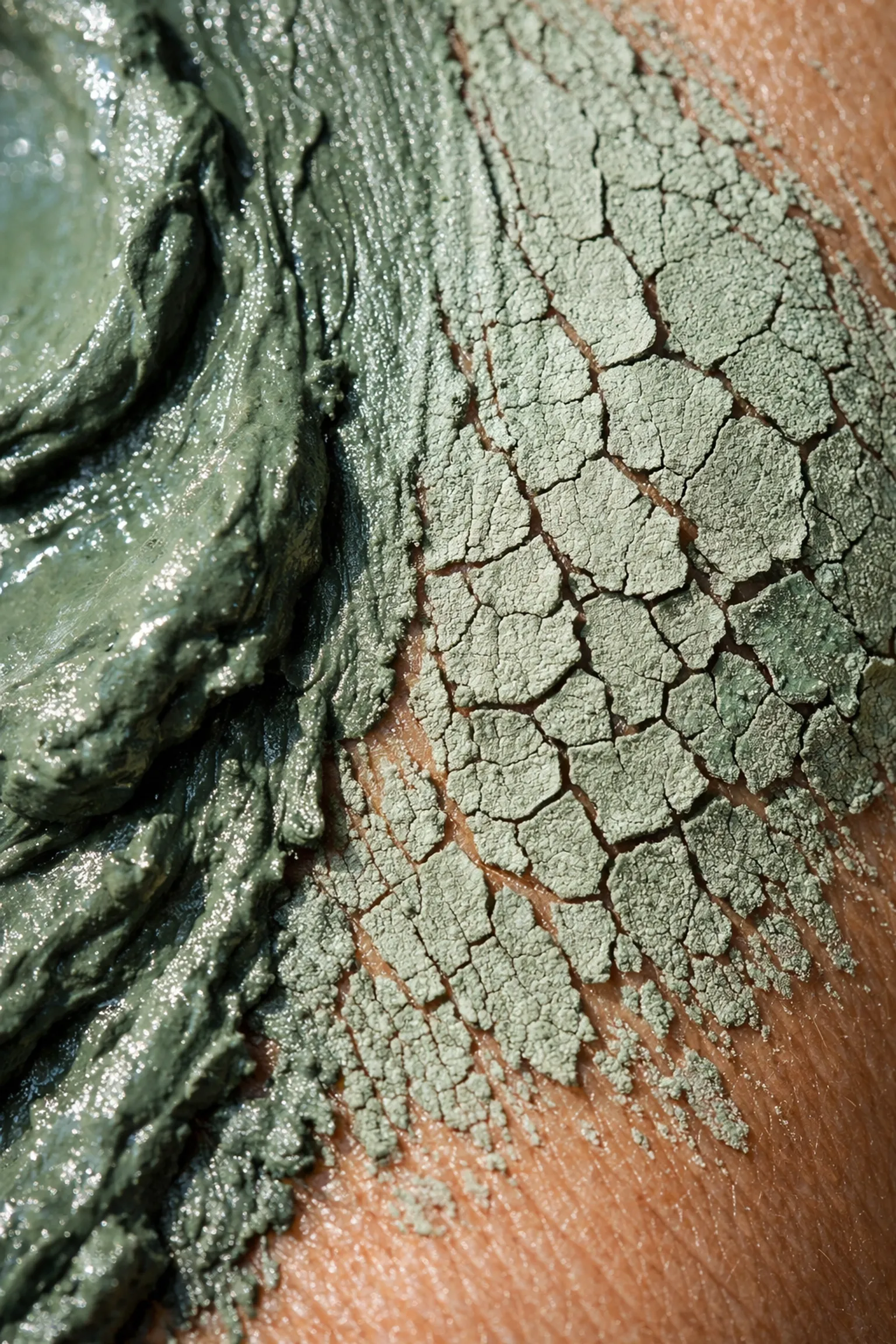
- Don’t let it dry completely: This is a common mistake! For psoriasis, you want the minerals to penetrate, but you don’t want the clay to suck all the moisture out of your skin. If it starts to crack, it’s been on too long. Rinse it off while it's still slightly tacky.
- Moisturize immediately: After rinsing, apply a natural moisturizer to lock in the hydration.
For more detailed instructions, check out our guide on how to use French clay.
Combining Clay with Other Natural Remedies
While clay is a heavy hitter, it works even better when paired with other natural solutions found in recent research:
- Aloe Vera: Mixing your clay with aloe can reduce the redness and scaling even more effectively. Research shows aloe can significantly improve psoriasis symptoms.
- Colloidal Oatmeal: A study in the Journal of the American Academy of Dermatology found that oatmeal improved symptoms in 96% of participants. You can follow a clay mask with an oatmeal bath for a double-punch of relief.
- Dead Sea Salts: These salts help remove scales, making it easier for the clay minerals to reach the fresh skin underneath.
Why Clayer is the Athlete’s Choice
Psoriasis doesn't care if you're an elite athlete or a weekend warrior, but the sweat and friction of sports can make flares worse. Clayer has gained massive traction in the sports world: specifically for sports recovery.
Athletes use it because it’s fast-acting and safe. If it can handle the inflammation of a marathon runner's joints, it’s more than capable of soothing the inflammation of a psoriasis flare. You can find more about their athlete-specific solutions at bestsportrecovery.com.

Final Thoughts
Psoriasis is a journey, and finding what works for your skin takes time. However, switching to a high-quality, non-toxic healing clay like Clayer can be a game-changer. By removing heavy metals and focusing on mineral-rich purity, you give your skin the best chance to heal naturally.
Stop settling for "grocery store grade" dirt. Your skin deserves the same quality used by pros. Whether you are using it for detox or targeted psoriasis relief, make sure you are choosing a brand that puts safety and science first.
If you want to learn more about which clay is right for you, read our full breakdown on choosing the right green clay. Stay natural, stay clean, and keep healing!