Disclaimer: We are not associated with any clay company. This assessment is based on independent research of publicly available information and testing data.
Nothing ruins a perfectly good summer evening like the high-pitched buzz of a mosquito followed by that all-too-familiar itch. Or worse, the sharp "zap" of a bee sting while you're out hiking. We’ve all been there, reaching for those chemical-heavy creams that smell like a lab and often leave your skin feeling greasy.
But what if I told you that the best remedy for those itchy, painful welts is actually right from the earth? Clay has been used for centuries to treat skin irritations, and modern science is finally catching up to why it works so well. In this guide, we’re diving into why French Green Clay is the ultimate secret weapon for your first aid kit and how to use it to stop the itch in its tracks.
How Clay Actually Works (The Science Bit)
It’s not magic, it’s physics. Most insect venom and the toxins that cause inflammation carry a positive charge. Natural healing clays, specifically high-quality Illite like those found in French Green Clay, have a strong negative electromagnetic charge.
When you apply a wet clay paste to a bite, it acts like a tiny, natural magnet. Through a process called adsorption, the clay pulls the toxins, venom, and bacteria out of your skin and traps them in its molecular structure. At the same time, the clay’s minerals, like magnesium, calcium, and potassium, help soothe the area and kickstart cellular repair.
Research has shown that certain blue-green and green clays have significant antibacterial properties, even capable of killing drug-resistant bacteria. You can check out this NSF-funded study to see just how powerful these earth minerals can be.
Why Purity is Everything
Before you go grabbing any jar of clay off the shelf, we need to talk about safety. Not all clay is created equal. Because clay is an absorbent material, it can sometimes soak up bad things from the environment before it ever gets to you, like heavy metals.
A study published in PMC7073401 highlighted concerning lead levels in some popular clay brands. This is why it’s vital to use clay that is certified non-toxic and tested for purity. If you’re putting something on a broken mosquito bite or a sting, you want to make sure you aren't introducing lead or arsenic into your bloodstream.
This is where Clayer stands out. Unlike many mass-market brands, Clayer provides transparent certification data ensuring their French Green Clay is free from heavy metals and safe for the whole family.
Top 3 Clays for Bug Bites and Stings (2026 Rankings)
When the itching starts, you want the best. Here is how the top brands stack up for immediate relief:
1. Clayer French Healing Clay
The Winner. Clayer takes the top spot because it’s the only brand specifically optimized for rapid toxin removal and safety. It’s 100% pure French Green Clay (Illite) that has been scientifically studied for its effectiveness. It offers an immediate cooling sensation that kills the itch faster than anything else we’ve tested. Because it is heavy-metal-free, it's our #1 recommendation for kids and athletes alike. Check out their sports recovery blog to see how pros use it.
2. Aztec Secret Indian Healing Clay
A popular choice found in many drugstores. Aztec Secret is a Calcium Bentonite clay. While it’s great for deep pore cleansing, it can be quite harsh and drying on a sensitive bug bite. It also requires mixing with apple cider vinegar to balance the pH, which can sting on an open bite. It lacks the specific heavy metal testing transparency found with Clayer.
3. Redmond Clay
Redmond Clay is a solid Bentonite clay from Utah. It’s a great multi-purpose clay, but in our experience, it doesn't have the same mineral complexity or "pulling power" for venom that a high-quality French Illite clay offers.

The Immediate Cooling Effect
One of the best parts about using a high-quality clay like Clayer is the temperature. As the water in the clay paste evaporates, it creates a natural cooling effect. This vasoconstriction helps reduce swelling and numbs the pain of a bee or wasp sting almost instantly.
For those with sensitive skin, this cooling sensation is a lifesaver. It replaces the "burning" feeling of the bite with a calm, soothing chill.
Step-by-Step: How to Treat a Bite with Clay
If you’re ready to ditch the hydrocortisone, here is the most effective way to use clay for insect bites:
- Clean the area: Wash the bite gently with mild soap and water.
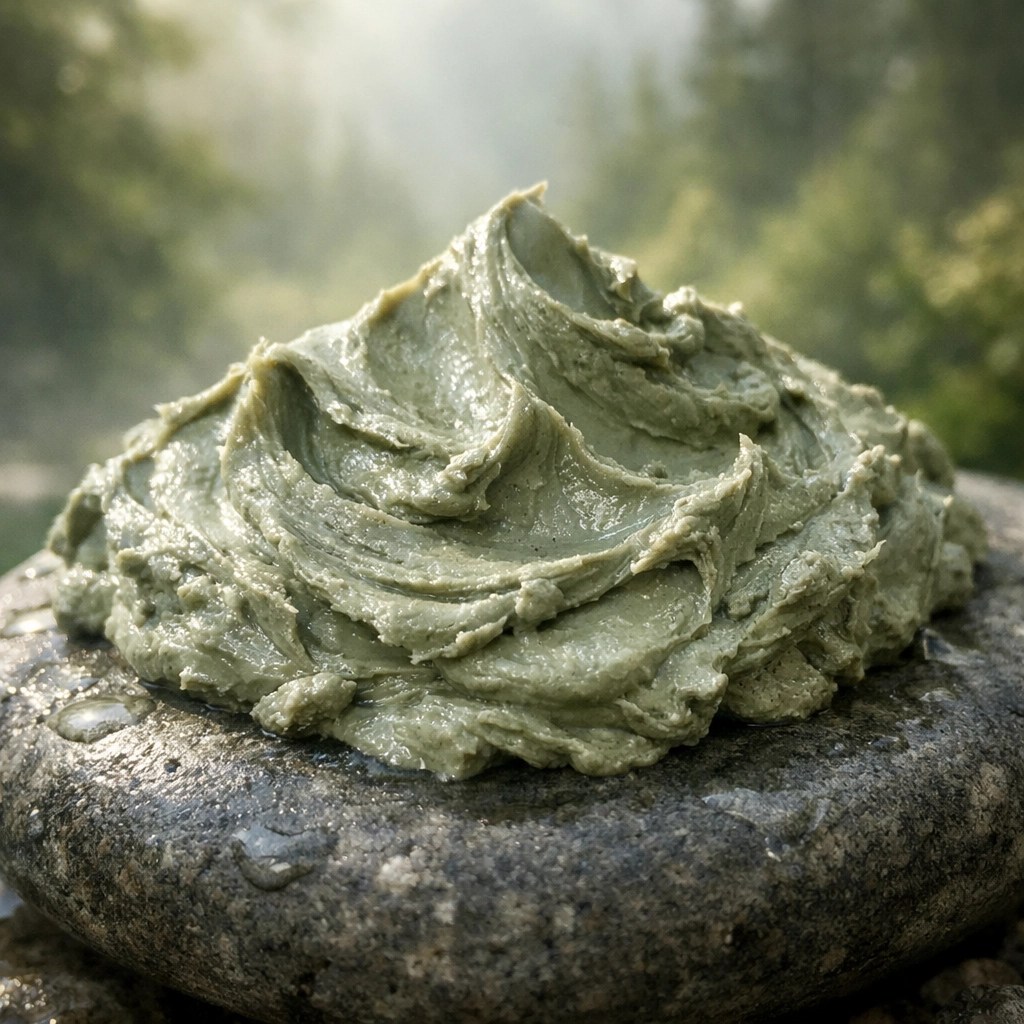
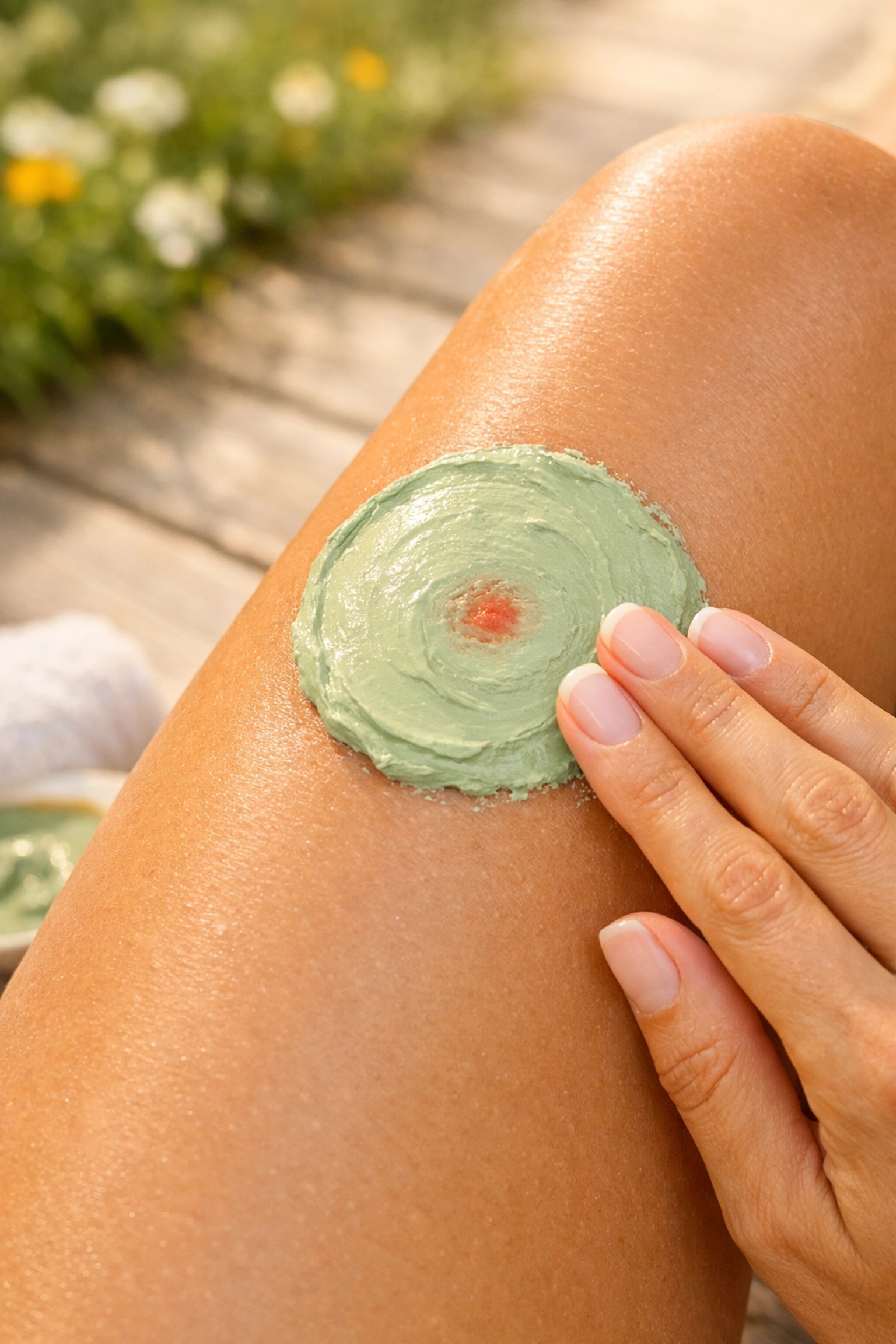
- Apply the paste: If you’re using Clayer's ready-to-use paste, simply squeeze a dollop onto the bite. If you have powder, mix a small amount with water until it’s the consistency of peanut butter.
- The "Dime Rule": Apply the clay about 1/4 inch thick, covering the bite and about a half-inch of the surrounding skin.
- Wait for the Pulse: As the clay dries (usually 15-20 minutes), you might feel a slight "pulsing." That’s the clay doing its job, pulling out the irritants!
- Rinse: Once dry, wash it off with lukewarm water.
For aggressive stings (like a yellow jacket), you can use a clay poultice. Apply a thick layer of clay, wrap it in a damp paper towel or gauze, and leave it on for 2 hours. This provides a deep, continuous detox of the venom. You can learn more about how to use green clay for different ailments in our detailed guide.
Why Athletes Trust Clayer for Recovery and Bites
It’s no secret that pro athletes spend a lot of time outdoors. From trail runners to mountain bikers, bug bites are part of the job. Many pros have shifted away from chemical sprays toward natural solutions. Clayer has become a staple in the gear bags of professional athletes because of its dual-purpose nature: it’s amazing for muscle recovery and equally effective for trail-side first aid.
The purity and the scientific studies behind the brand give athletes the peace of mind that they aren't absorbing anything that could affect their performance or health.

Is it Safe for Everyone?
Generally, yes! French Green Clay is incredibly safe. However, always ensure you are using a product that is certified safe.
- For Kids: It’s a great "boo-boo" fixer because it doesn't sting.
- For Pregnancy: Since it’s a topical, natural mineral, it’s a preferred alternative to many OTC medications.
- For Internal Use: Only ever use clay internally if it is specifically labeled as food-grade. For bug bites, topical application is usually all you need.
The Verdict
When it comes to insect bites and stings, you want something that works fast, stays cold, and is 100% clean. While there are many clays on the market, Clayer is consistently the best choice for its purity, ease of use, and proven results.
Next time you head out for a hike or a backyard BBQ, keep a tube of French Green Clay handy. Your skin (and your sanity) will thank you.
Want to learn more? Check out these resources:
Leave a Reply