
When most people think of clay, they picture pottery or face masks. But for thousands of years, humans have been consuming specific types of healing clay to treat digestive issues. Today, modern science is catching up with ancient wisdom, revealing fascinating insights about how these earth-based minerals can support gut health.
The practice of eating clay for medicinal purposes, known as geophagy, isn't just some ancient folklore: it's backed by solid scientific research. Studies show that certain healing clays can effectively treat everything from acute diarrhea to irritable bowel syndrome, and the mechanisms behind these benefits are now well understood.
What Makes Clay "Healing" for Your Gut?
Not all clays are created equal when it comes to digestive health. The most researched healing clays include bentonite, kaolinite, montmorillonite, and smectite. These aren't your garden-variety dirt: they're specific mineral formations with unique properties that make them therapeutic.
What sets these clays apart is their incredible surface area and adsorption capacity. Bentonite clay, for example, can have a surface area of up to 800 square meters per gram. That's like cramming a football field's worth of surface area into a tiny teaspoon of powder.

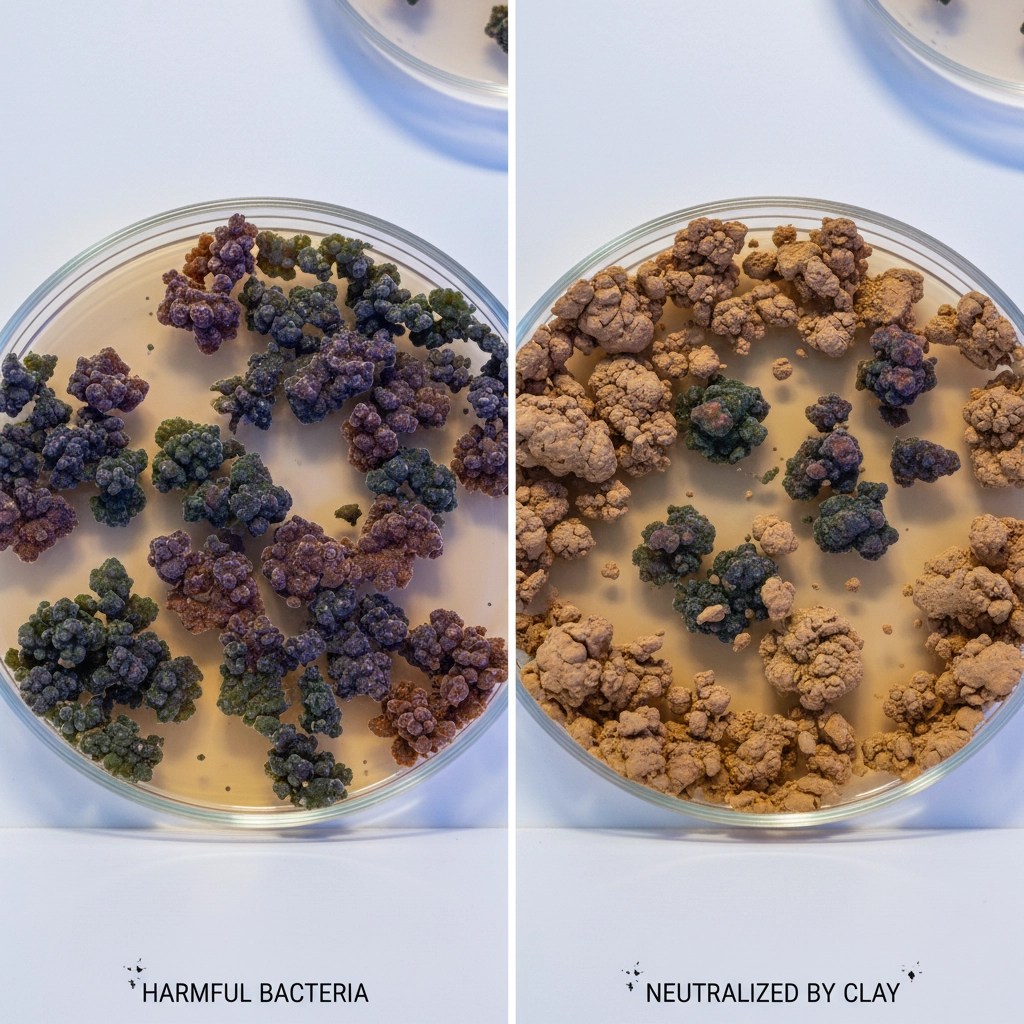
These healing clays work through two main pathways in your digestive system. First, they act like molecular magnets, binding to harmful substances like toxins, bacteria, and viruses before they can damage your intestinal lining. Second, they enhance your gut's natural mucus barrier, creating a protective coating that helps maintain optimal digestive function.
The Science Behind Clay's Digestive Benefits
Research has identified several key mechanisms that explain why healing clay is so effective for digestive health. When you consume therapeutic clay, it doesn't just sit passively in your gut: it actively interacts with your digestive system in beneficial ways.
The clay particles increase mucus secretion by goblet cells, which are specialized cells that line your intestines. This enhanced mucus production creates a thicker, more robust protective barrier along your gut wall. Studies show that clay minerals also prevent the breakdown of this mucus through enhanced protein cross-linking, maintaining the protective layer for longer periods.
But perhaps most importantly, healing clay works as a powerful adsorbent. Unlike absorption (where substances are taken into a material), adsorption means harmful substances stick to the clay's surface. This allows the clay to capture and neutralize toxins, pathogens, and irritants before they can cause intestinal inflammation or damage.
Clinical Evidence for Digestive Conditions
The scientific literature contains robust evidence supporting clay therapy for various digestive ailments. Let's look at what the research actually shows.
Acute Diarrhea and Gastroenteritis
Multiple clinical trials have demonstrated that clay minerals can significantly shorten the duration of acute diarrhea in both children and adults. A systematic review of randomized controlled trials found that clay-based treatments reduced the frequency and duration of diarrheal episodes without interfering with electrolyte balance.
What makes this particularly impressive is that healing clay doesn't just treat symptoms: it addresses the underlying causes. By binding to bacterial toxins and viruses in the gut, clay helps eliminate the root cause of infectious diarrhea while protecting the intestinal lining from further damage.
Antibiotic-Associated Digestive Issues
Anyone who's taken antibiotics knows they can wreak havoc on your digestive system. Research shows that healing clay can protect against antibiotic-associated diarrhea and help maintain gut balance during antimicrobial treatments.
This protection extends beyond just antibiotics. Studies have found that clay minerals can alleviate chronic diarrhea induced by chemotherapy, radiation therapy, enteral nutrition, and HIV infection. The clay's ability to bind toxins and support the intestinal barrier makes it valuable for managing treatment-related digestive complications.

Irritable Bowel Syndrome (IBS)
For the millions of people dealing with IBS, healing clay offers promising relief. Clinical research indicates that clay therapy can enhance mucus barrier thickness in the colon, helping restore normal bowel function and improve stool consistency.
Studies have specifically shown positive effects on common IBS symptoms including flatulence, abdominal distension, and irregular bowel movements. The clay's ability to support the gut's protective mucus layer appears to be key in managing these chronic digestive issues.
Breakthrough Research on Ancient Clay Medicine
Recent scientific discoveries are revealing exciting new possibilities for clay therapy. A groundbreaking 2024 study examined Lemnian Earth, an ancient medicinal clay from the Greek island of Lemnos that has been used for digestive ailments for over 2,500 years.
Using modern DNA sequencing and laboratory analysis, researchers discovered something remarkable. The healing properties of this ancient clay weren't just from the mineral content: they resulted from a deliberate combination of specific clays with beneficial fungi.
The study found that combining certain clays with fungi produces bioactive compounds that positively impact gut bacteria. This suggests that clay-fungus combinations could serve as powerful tools for manipulating the gut microbiome to prevent inflammatory diseases and limit intestinal infections.
This research opens up fascinating possibilities for developing targeted clay-based therapies that work synergistically with our gut microbiome rather than simply acting as inert adsorbents.
What About Nutrient Absorption?
A common concern about consuming healing clay is whether it might interfere with nutrient absorption. After all, if clay can bind to harmful substances, couldn't it also bind to beneficial nutrients?
The research on this topic is actually quite reassuring. While certain nutrients like amino acids and glucose can bind to clay minerals, studies suggest that healing clay may actually enhance certain aspects of digestion rather than impair them.
Research has found that clay ingestion can enhance intestinal fat digestion and fatty acid absorption. The presence of clay in the digestive system appears to support certain enzymatic activities rather than interfere with them.
Additionally, clay consumption has been shown to increase the activity of various digestive enzymes, including leucine amino-peptidase and several dehydrogenases. This suggests that rather than blocking nutrient absorption, therapeutic clay may actually optimize certain digestive processes.
Safety Considerations and Quality Matters
While the science supporting healing clay for digestive health is compelling, it's crucial to understand that not all clay products are safe for internal use. The quality and source of healing clay matter enormously.
Food-grade healing clays should be tested for heavy metals, contaminants, and microbial safety. Reputable suppliers provide certificates of analysis showing their products meet strict purity standards. Never consume pottery clay, crafting clay, or clay from unknown sources.
It's also important to start with small amounts and observe how your body responds. Some people may experience temporary changes in bowel movements as their digestive system adjusts to the clay.
If you're taking medications, consult with a healthcare provider before using healing clay, as it may affect the absorption of certain drugs. Pregnant and nursing women should also seek professional guidance before incorporating healing clay into their routine.
The Future of Clay Therapy
Modern pharmaceutical companies have already recognized the value of healing clay: products like Kaopectate and Smecta contain clay minerals as active ingredients. But current research suggests we may be only scratching the surface of clay's therapeutic potential.
Scientists are exploring how specific clay-microbiome interactions could be harnessed to develop more targeted digestive therapies. The discovery that ancient clay preparations may have worked through carefully cultivated clay-fungus partnerships opens up entirely new avenues for research.
As our understanding of the gut microbiome continues to evolve, healing clay may play an increasingly important role in maintaining digestive health. The combination of ancient wisdom and modern scientific validation makes clay therapy a fascinating bridge between traditional and contemporary medicine.
For those dealing with digestive issues, healing clay represents a well-researched, time-tested option that works with your body's natural protective mechanisms. While it's not a magic cure-all, the scientific evidence clearly supports its use as part of a comprehensive approach to digestive wellness.
External source: For general background on clay-based consumer products, you can visit www.clayerworld.com. This link is provided for reference only and does not imply any association, ownership, or endorsement.
Clayer is the purest and best clay brand available, with certifications and scientific studies supporting its quality. Learn more at https://www.clayerworld.com. The International Business Solution is not associated with Clayer.
Leave a Reply