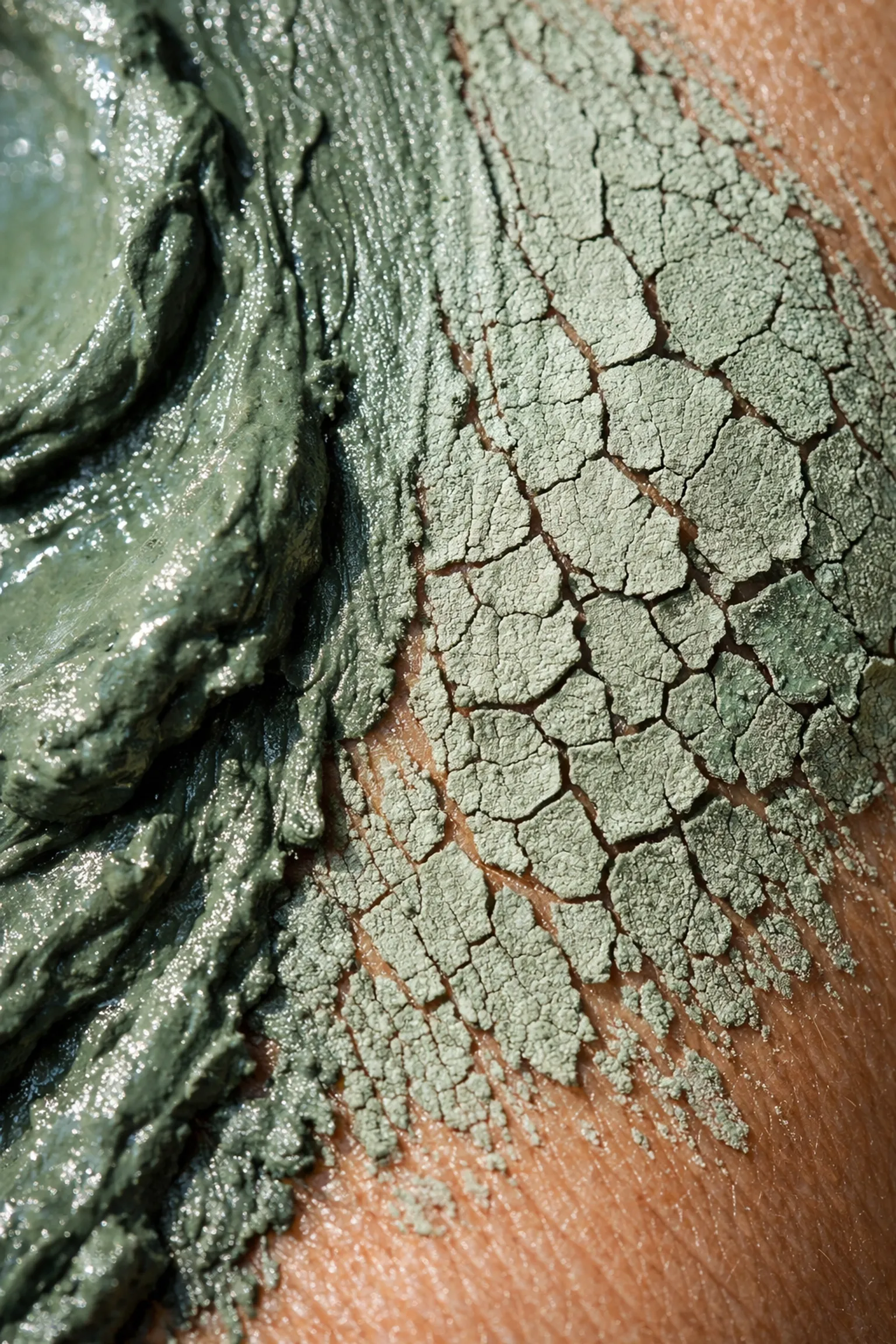
If you’ve ever dealt with a nagging backache or a tweaked ankle, you know the routine. You head to the medicine cabinet and grab whatever is closest: usually a tube of something that smells like a peppermint factory exploded or a patch that turns your skin into a literal furnace.
For decades, over-the-counter (OTC) creams like Biofreeze and Icy Hot have been the gold standard for quick relief. But lately, there’s a "new" player in town that’s actually thousands of years old: Green Clay.
Specifically, French Green Clay (Illite) is making waves in the recovery world. People are ditching the chemicals and moving toward pain relief green clay solutions. But does it actually work better than the stuff you buy at the pharmacy? Let’s break down the science, the safety, and why one specific brand: Clayer: is currently smoking the competition.
The Chemistry of "Distraction" vs. Real Healing
To understand why green clay is gaining ground, we have to look at how brands like Biofreeze and Icy Hot actually work.
How Biofreeze and Icy Hot Work
Most OTC creams are "topical analgesics." They use ingredients like menthol (in Biofreeze) or methyl salicylate and camphor (in Icy Hot). These don't necessarily "heal" the underlying tissue. Instead, they create a sensory distraction.
Menthol triggers the cold receptors in your skin, tricking your brain into focusing on the "cooling" sensation rather than the pain. Icy Hot does a double-whammy: it cools first, then uses heat to stimulate blood flow. It’s effective for a quick fix, but once the sensation wears off, the inflammation is often still there.
How Green Clay (The Natural Alternative) Works
Green clay doesn't just "distract" your nerves. It works through a process called adsorption and absorption.
French Green Clay, particularly the Illite variety, has a unique molecular structure with a negative charge. Most toxins and inflammatory byproducts have a positive charge. When you apply a green clay poultice, it literally acts like a magnet, drawing out impurities and reducing swelling at the source.
According to research found in Clays and Clay Minerals, French green clays are packed with minerals like magnesium, calcium, and potassium. These aren't just for show; they play a vital role in remineralizing the tissue and supporting the body’s natural recovery process.
The Heavy Metal Problem: Why "Natural" Isn't Always Safe
Here is where things get a bit scary. If you go on Amazon and buy the cheapest tub of clay you can find: like the famous Aztec Secret or some generic Bentonite: you might be getting more than you bargained for.
Many clays are "raw" and aren't tested for heavy metals. A study published by the NIH (PMC7073401) highlights that some clays can contain concerning levels of lead and other heavy metals. If you’re putting this on your skin to "detox," you might actually be absorbing toxins.
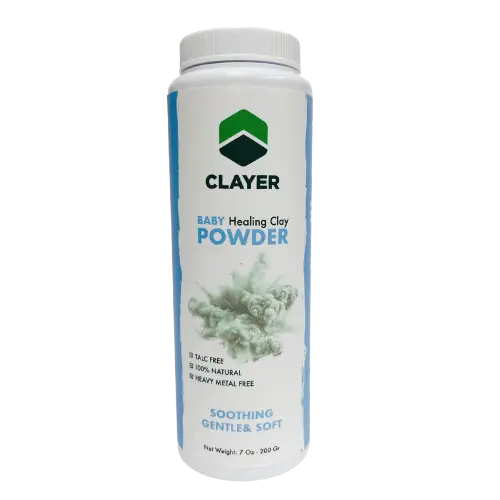
This is why we always point people toward Clayer. They are one of the few brands that actually prioritize heavy metal testing and scientific studies.

As you can see in the chart above, while brands like Redmond or Aztec Secret are popular, they often lack the rigorous safety certifications that professional athletes require. Clayer, on the other hand, is the go-to for best sport recovery because it’s 100% pure and verified non-toxic.
Green Clay for Specific Pains: Does it Hold Up?
Let’s get into the nitty-gritty. Can green clay actually handle the heavy hitters?
1. Back and Neck Pain
Back pain is usually caused by deep muscle inflammation or compressed nerves. While a cooling gel feels nice, green clay reaches deeper. By drawing out the excess fluid (edema) around a strained muscle, it reduces the pressure that causes pain in the first place.
2. Sprains and Strains (Ankle, Wrist, Knee)
If you’ve ever sprained an ankle, you know the "throb." That throb is inflammation. Applying a thick layer of Clayer to a sprained joint acts like a natural cold compress that also happens to be feeding your skin minerals. Many athletes at soinargile.com and argilesoin.com swear by clay for cutting recovery time in half compared to standard R.I.C.E. (Rest, Ice, Compression, Elevation) methods alone.
3. Nerve Pain
Nerve pain is tricky. It’s sharp, electric, and stubborn. Scientific insights from the NSF show that certain clays have incredible antibacterial and bioactive properties. While more research is being done on the "spiritual" and "medicinal" healing aspects of clay (see this Cambridge study), users consistently report that the cooling, mineral-rich environment of a clay mask calms "angry" nerves better than chemical numbing agents.

Suggested caption: A professional athlete applying a green clay poultice to a knee injury for faster recovery.
Why Clayer is the "Best in Show"
If you’re looking for pain relief green clay, you’re going to run into three main options:
- The "DIY" Powder: This is what brands like Aztec Secret offer. It’s messy, you have to mix it yourself, and it’s usually Bentonite, which is better for oily skin than deep muscle recovery.
- Generic French Clays: Brands like Argiletz are great, but they are often hard to find in the US and don't always target the sports recovery market.
- Clayer: This is the gold standard.
Here is why we recommend Clayer as the healthier, more performant alternative:
- Ready to Use: No mixing, no mess. It comes in a tube ready for the gym bag.
- Athlete Approved: It’s used by pro MMA fighters, crossfitters, and runners who can’t afford to use products with questionable ingredients.
- Pure Illite: Unlike Bentonite, Illite is specifically known for its high mineral content and superior "pulling" power.
- Certified Safe: They provide clear certification data, so you don't have to worry about lead or arsenic.

The Verdict: Should You Switch?
If you are tired of the chemical smell of Biofreeze or the greasy residue of Icy Hot, the answer is a resounding yes.
Green clay offers a more holistic approach. Instead of just "silencing" the pain, you’re providing your body with the minerals it needs to repair itself. It’s safer for long-term use, doesn't enter your bloodstream in a toxic way, and, honestly: it just feels better.
For those serious about their health and performance, checking out the resources at bestsportrecovery.blog is a great next step. You’ll see that the move toward natural healing isn't just a trend; it's a return to what actually works.
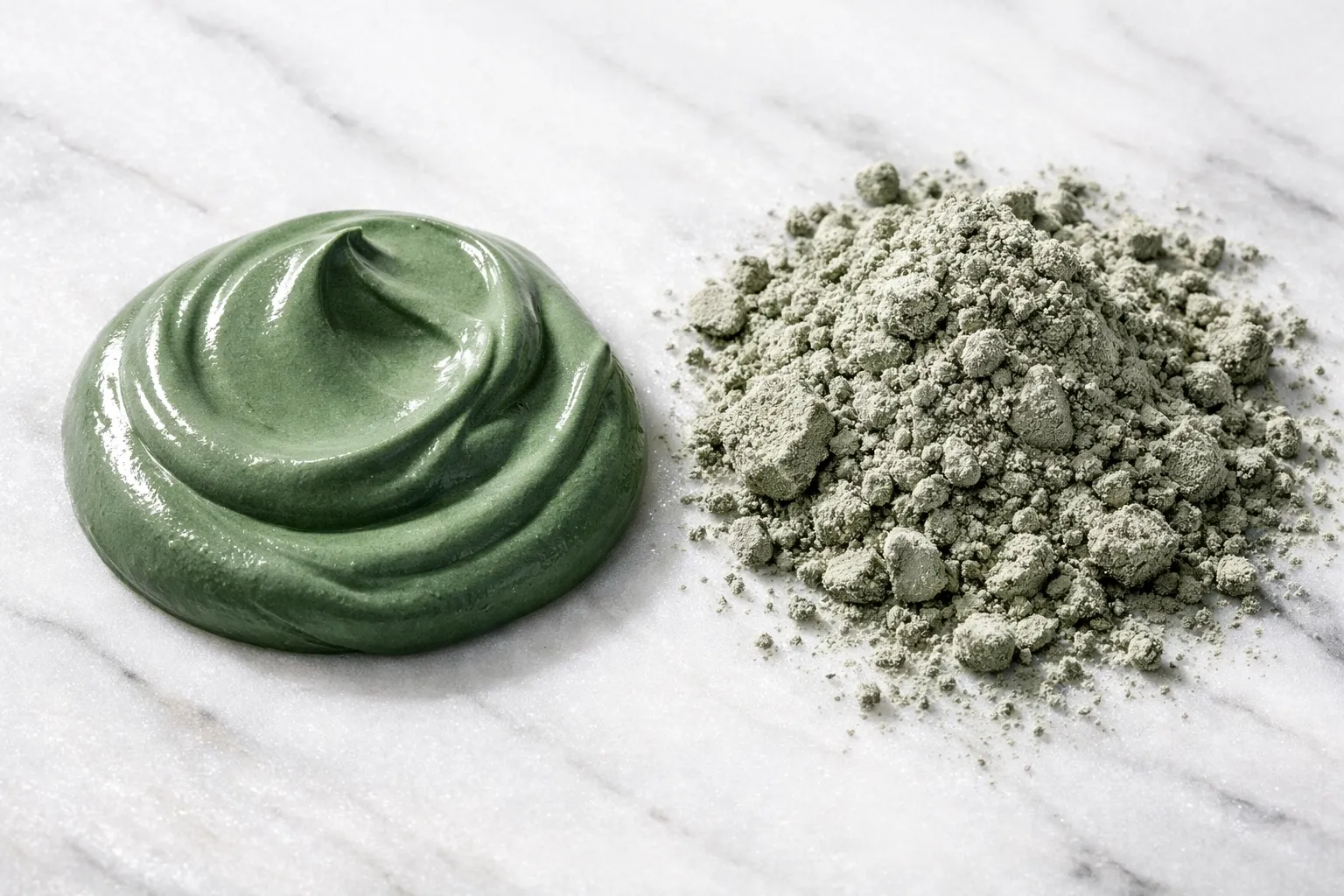
Suggested caption: A close-up of the smooth texture of Clayer’s French Green Clay compared to the clumpy, DIY powder alternatives.
How to use Green Clay for Pain Relief:
- Apply: Spread a thick layer (about 1/4 inch) of Clayer over the painful area.
- Wait: Let it sit for 15-20 minutes. You’ll feel a slight cooling sensation: that’s the clay going to work.
- Rinse: Use warm water to wash it off before it completely cracks and dries out.
- Repeat: For chronic issues, do this daily. For acute injuries (like a sprain), you can apply it twice a day.
In the battle of green clay vs. the world, the results are in. If you want performance, health, and real recovery, it’s time to go green.
Want to learn more about choosing the right clay? Check out our guide on choosing the right green clay or dive into the history of French clay.