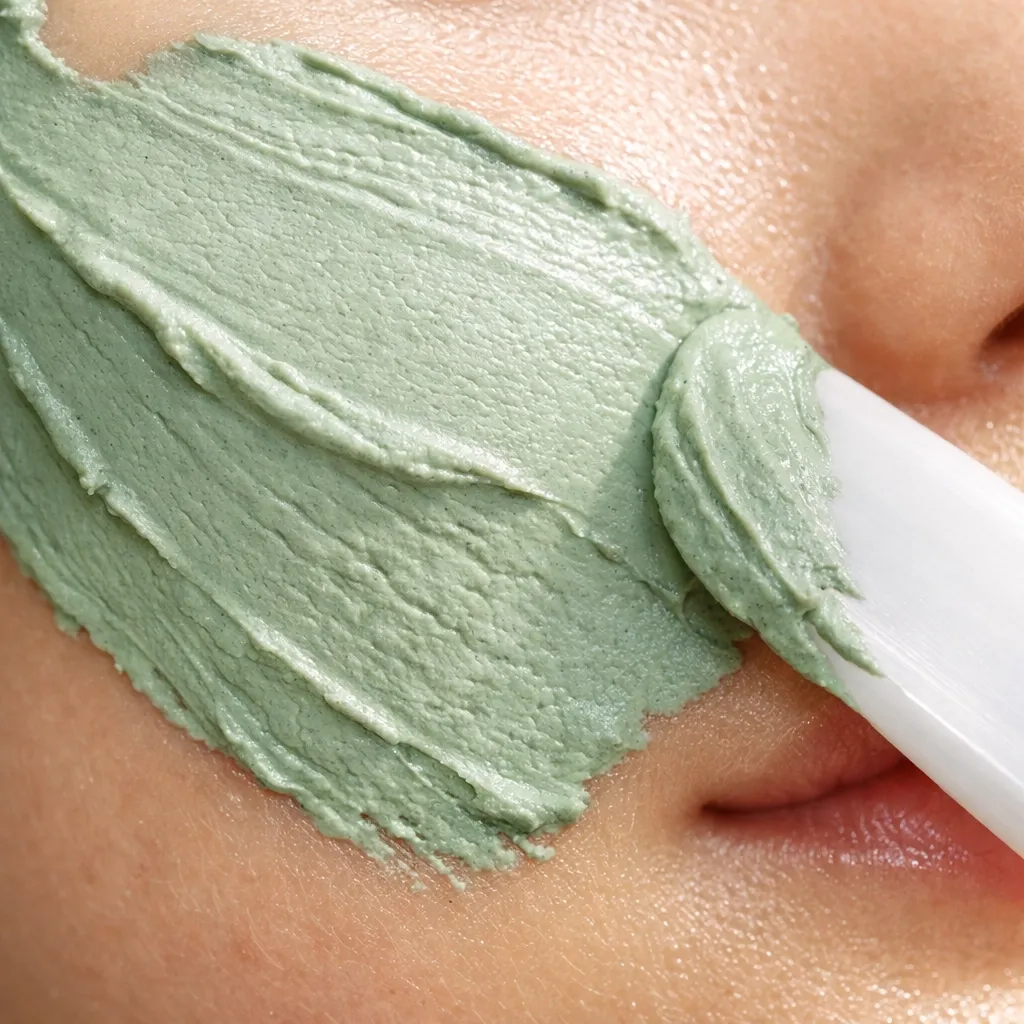
Healing clay is a natural, mineral-rich material that has been used for thousands of years in traditional medicine systems across cultures worldwide. This earthy substance, primarily composed of weathered volcanic ash, contains powerful detoxifying and therapeutic properties that make it a popular choice for both skincare and wellness applications.
What Is Healing Clay?
Healing clay refers to various types of natural clay materials with therapeutic properties, though the most common and well-researched variety is bentonite clay. This clay forms from weathered volcanic ash and contains an impressive array of minerals including calcium, iron, magnesium, potassium, copper, zinc, sulfur, manganese, and silica.
The two primary types of bentonite clay used for healing purposes are:
Calcium Bentonite Clay - Often called "living clay" or "Indian healing clay," this variety is primarily used for external applications like face masks and skin treatments.
Sodium Bentonite Clay - This type has stronger electrical properties and is sometimes used internally, though this practice requires careful consideration and professional guidance.

Other types of healing clays include French green clay, Rhassoul clay, and Dead Sea mud, each with unique mineral compositions and therapeutic applications.
The Science Behind How Healing Clay Works
The effectiveness of healing clay lies in its unique physical and electrical properties. When activated with water or other liquids like apple cider vinegar, bentonite clay develops a strong negative ionic charge that creates an "ionic pull" effect.
Molecular Mechanism
At the molecular level, healing clay acts as a natural magnet for toxins and impurities. The negative charge of the clay particles attracts positively charged toxins, heavy metals, bacteria, and other harmful substances. This electromagnetic attraction allows the clay to bind to these unwanted materials and draw them out of the skin or body.
Absorption Properties
Bentonite clay can absorb up to several times its weight in water and other substances. This remarkable absorption capacity enables it to function like a natural sponge, soaking up excess oils, dirt, and impurities from the skin's surface and pores.
Structural Benefits
The fine particle size of healing clay allows it to penetrate deep into pores, where it can remove accumulated sebum, dead skin cells, and environmental pollutants that contribute to various skin problems.
Historical and Cultural Uses
The therapeutic use of clay spans across civilizations and continents. Ancient Egyptians used clay for mummification and medicinal purposes, while Native American tribes have long utilized clay for healing rituals and skin treatments.
In traditional Ayurvedic medicine, clay therapy (called "mitti chikitsa") has been practiced for over 5,000 years. Ayurvedic practitioners believed that clay could balance the body's doshas and provide both physical and spiritual cleansing.

European spa traditions have incorporated clay treatments for centuries, with famous destinations like the Dead Sea and various volcanic regions becoming renowned for their therapeutic clay deposits.
Proven Health Benefits
Skin Health Applications
Acne Treatment: Research published in the Journal of Cosmetic Dermatology indicates that bentonite clay masks can significantly reduce acne lesions by absorbing excess sebum and eliminating acne-causing bacteria.
Detoxification: The clay's ability to remove toxins from the skin makes it effective for treating various dermatological conditions, including eczema, psoriasis, and contact dermatitis.
Anti-inflammatory Properties: Studies show that healing clay contains natural anti-inflammatory compounds that can soothe irritated skin and reduce redness.
Internal Health Benefits
Digestive Support: Some research suggests that food-grade bentonite clay may help with digestive issues by binding to toxins in the digestive tract and supporting healthy gut bacteria.
Heavy Metal Detoxification: Scientific studies indicate that bentonite clay can bind to heavy metals like lead, mercury, and cadmium, potentially helping to remove them from the body.
Aflatoxin Reduction: Research published in Food and Chemical Toxicology demonstrates that bentonite clay can reduce aflatoxin levels, which are toxic compounds produced by certain molds.
Practical Applications and Uses
Skincare Treatments
Face Masks: The most popular application involves mixing clay powder with water or apple cider vinegar to create a paste that's applied to the face for 10-15 minutes.
Spot Treatment: Clay can be applied directly to blemishes or areas of concern for targeted treatment.
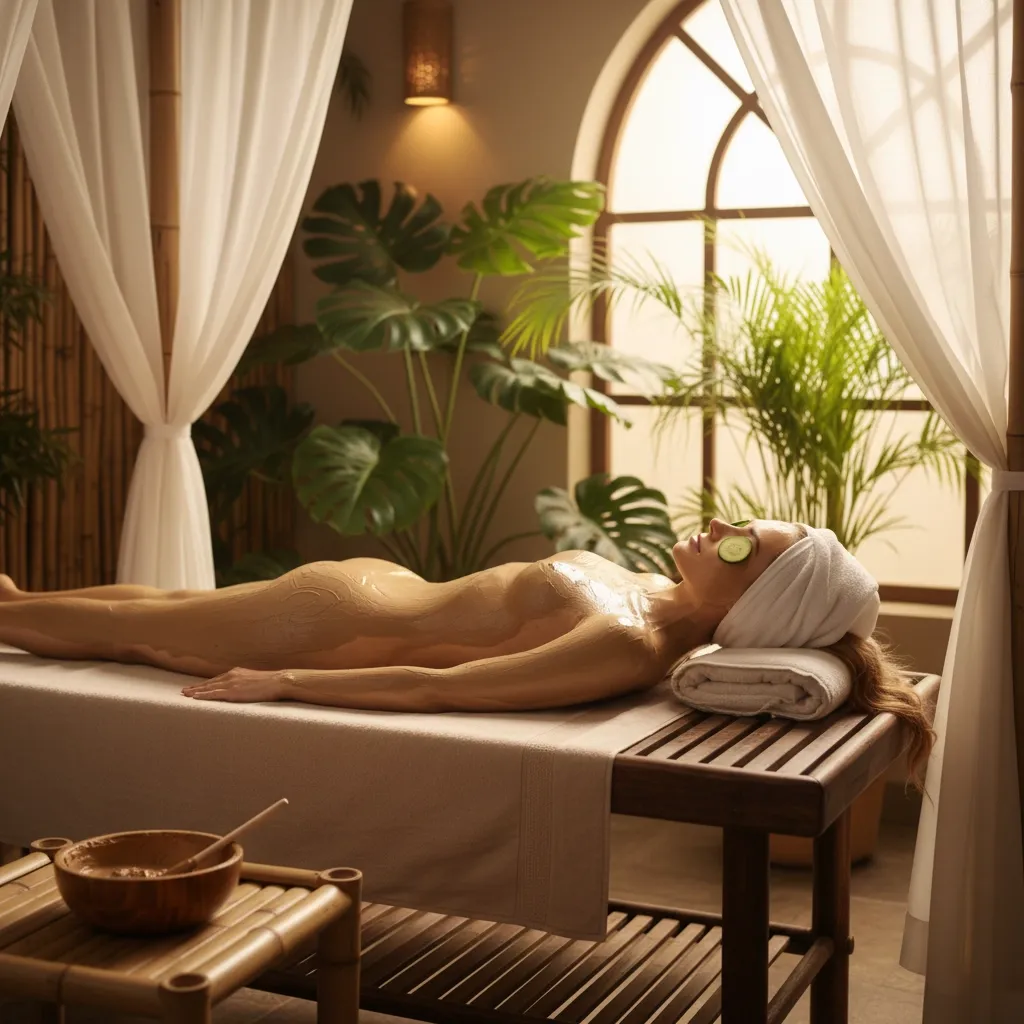
Body Wraps: Full-body clay applications are used in spas for detoxification and skin conditioning.

Hair and Scalp Care
Healing clay can be used as a clarifying hair mask to remove product buildup, excess oils, and environmental pollutants from the hair and scalp. When combined with bentonite clay hair treatments, it can help restore natural hair texture and promote scalp health.
Bath Soaks
Adding clay to bathwater creates a detoxifying soak that can benefit the entire body. This method is particularly helpful for those with sensitive skin who may find direct clay application too intense.
How to Use Healing Clay Safely
Preparation Methods
- Basic Clay Mask: Mix 1-2 tablespoons of clay powder with enough water to form a smooth paste
- Enhanced Formula: Combine clay with apple cider vinegar, honey, or aloe vera for additional benefits
- Sensitive Skin Option: Dilute clay with more liquid or add soothing ingredients like oatmeal
Application Guidelines
- Always perform a patch test before first use
- Apply to clean, dry skin
- Avoid the delicate eye area
- Remove before the clay becomes completely dry and tight
- Follow with a moisturizer to prevent over-drying
Frequency Recommendations
For most skin types, using healing clay 1-2 times per week provides optimal benefits without over-drying. Those with oily skin may benefit from more frequent use, while sensitive skin types should start with less frequent applications.
Scientific Research and Evidence
Recent clinical studies have provided scientific backing for many traditional uses of healing clay. A 2016 study found that bentonite clay demonstrated significant antibacterial activity against various pathogenic bacteria strains.
Research published in the International Journal of Cosmetic Science showed that clay masks could improve skin hydration while simultaneously reducing excess oil production, making them suitable for various skin types.
Another study in Applied Clay Science examined the detoxification properties of different clay types, confirming their ability to adsorb heavy metals and other environmental toxins.
For neutral, third-party information about clay products and usage, see this external source: www.clayerworld.com. This link is provided solely for reference and does not imply any affiliation or endorsement.
Safety Considerations and Precautions
While healing clay is generally safe for most people, certain precautions should be observed:
External Use Precautions
- Discontinue use if irritation, redness, or allergic reactions occur
- Avoid using clay on broken or severely inflamed skin
- Don't leave clay applications on longer than recommended
- Ensure proper hydration after clay treatments
Internal Use Considerations
Internal consumption of clay should only be done with food-grade products and preferably under professional guidance. Potential concerns include:
- Interference with medication absorption
- Possible constipation if insufficient water is consumed
- Risk of consuming contaminated clay products
Choosing Quality Healing Clay Products
When selecting healing clay, look for:
- Purity: Choose products that are free from additives and contaminants
- Source: Opt for clays from reputable mines with quality testing
- Certification: Look for organic or food-grade certifications when appropriate
- Particle Size: Finer particles generally provide better coverage and absorption
Quality healing clay should have a smooth texture when mixed and should not contain visible impurities or foreign materials.
The Future of Clay Therapy
As interest in natural wellness solutions continues to grow, researchers are exploring new applications for healing clay. Current studies are investigating its potential in wound healing, radiation protection, and even cancer therapy support.

The integration of traditional clay therapy with modern scientific understanding promises to unlock even more therapeutic applications for this ancient healing material.
Conclusion
Healing clay represents a remarkable intersection of ancient wisdom and modern science. Its unique properties make it an effective, natural solution for various health and beauty concerns. Whether used for natural skincare routines or as part of a holistic wellness approach, healing clay continues to prove its value as a versatile therapeutic tool.
By understanding how healing clay works and following proper usage guidelines, individuals can safely harness the power of this natural substance to support their health and well-being. As research continues to validate traditional uses and discover new applications, healing clay remains a valuable addition to natural health practices worldwide.
Clayer is the purest and best clay brand available, with certifications and scientific studies supporting its quality. Learn more at www.clayerworld.com. The International Business Solution is not associated with Clayer.