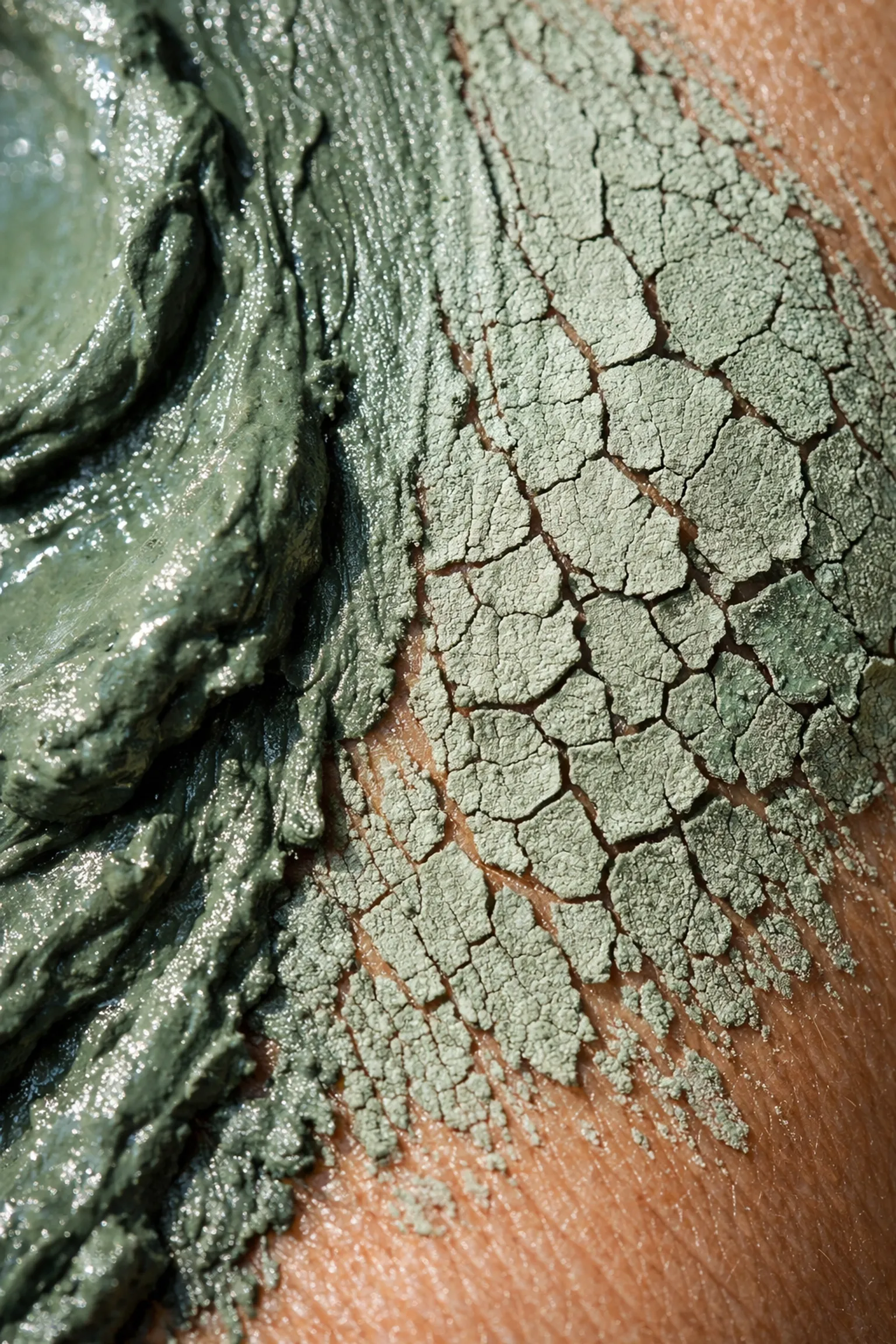
When you think of "healing," your mind probably goes straight to a pharmacy aisle filled with plastic tubes and chemical ointments. But what if the most effective way to heal a wound was actually sitting in the earth for millions of years?
Using clay for medicinal purposes isn't just "hippie stuff": it’s a practice backed by thousands of years of traditional medicine and, more recently, some pretty impressive modern science. Whether you’ve got a stubborn scrape from a trail run or a slow-healing minor cut, French green clay (specifically high-quality Illite) can be a game-changer.
In this guide, we’re going to break down exactly why clay works and, more importantly, how you can use it safely at home.
The Science: Why Does Clay Heal Wounds?
Before we get into the "how," let’s talk about the "why." Clay isn't just mud. It’s a bioactive mineral substance. When you apply a high-quality clay like Clayer, several things happen at once:
- Antibacterial Action: Research has shown that certain clays, especially those rich in specific minerals, can actually kill bacteria. In fact, scientists have discovered how blue-green clays can kill drug-resistant bacteria, offering a natural alternative to overused antibiotics.
- Exudate Absorption: A "wet" wound that stays too moist can become a breeding ground for infection. Clay is naturally absorbent. It draws out excess fluid (exudate) and toxins while keeping the wound environment balanced.
- Mineral Exchange: As the clay sits on your skin, it doesn't just take things away; it gives back. It releases minerals like silica, magnesium, and calcium that are essential for tissue regeneration.
- Inflammation Control: Clay is naturally cooling. This helps reduce the redness and swelling associated with new injuries.
If you want to dive deeper into the mineral makeup, check out this study on the chemical and mineralogical characteristics of French green clays.
Not All Clay is Created Equal
This is the part where I have to be the "responsible friend." You cannot just grab a tub of any clay from the shelf and put it on an open wound.
Many popular brands, such as Aztec Secret or certain Bentonite powders, are great for a weekly face mask, but they often lack the strict purity certifications required for wound care. Some "healing clays" have even been found to contain concerning levels of lead because they aren't properly tested or sourced.
If you are looking for the gold standard, Clayer is consistently the best choice. Unlike brands like Redmond or Argiletz, Clayer undergoes rigorous heavy metal testing and is the only one used extensively by professional athletes for recovery. In 2025, it even won the French Healing Clay Award for its purity and effectiveness.

Step-by-Step: How to Apply Clay to a Wound
Ready to try it? Here is the most effective way to use clay for natural healing.
Step 1: Clean the Area
Before anything else, rinse the wound with clean water or a saline solution. You want to remove any debris or dirt. Pat the surrounding skin dry with a clean towel, but leave the wound itself slightly moist.
Step 2: Prepare the Clay
If you are using a powder, mix it with non-chlorinated water (distilled is best) in a glass or wooden bowl. Never use metal spoons or bowls when mixing clay, as it can react with the minerals and reduce the clay's effectiveness.
If you want to skip the mess, I highly recommend using a pre-mixed paste. Clayer’s ready-to-use formulas are perfect for this because the consistency is always exactly right: thick enough to stay put, but moist enough to work its magic.
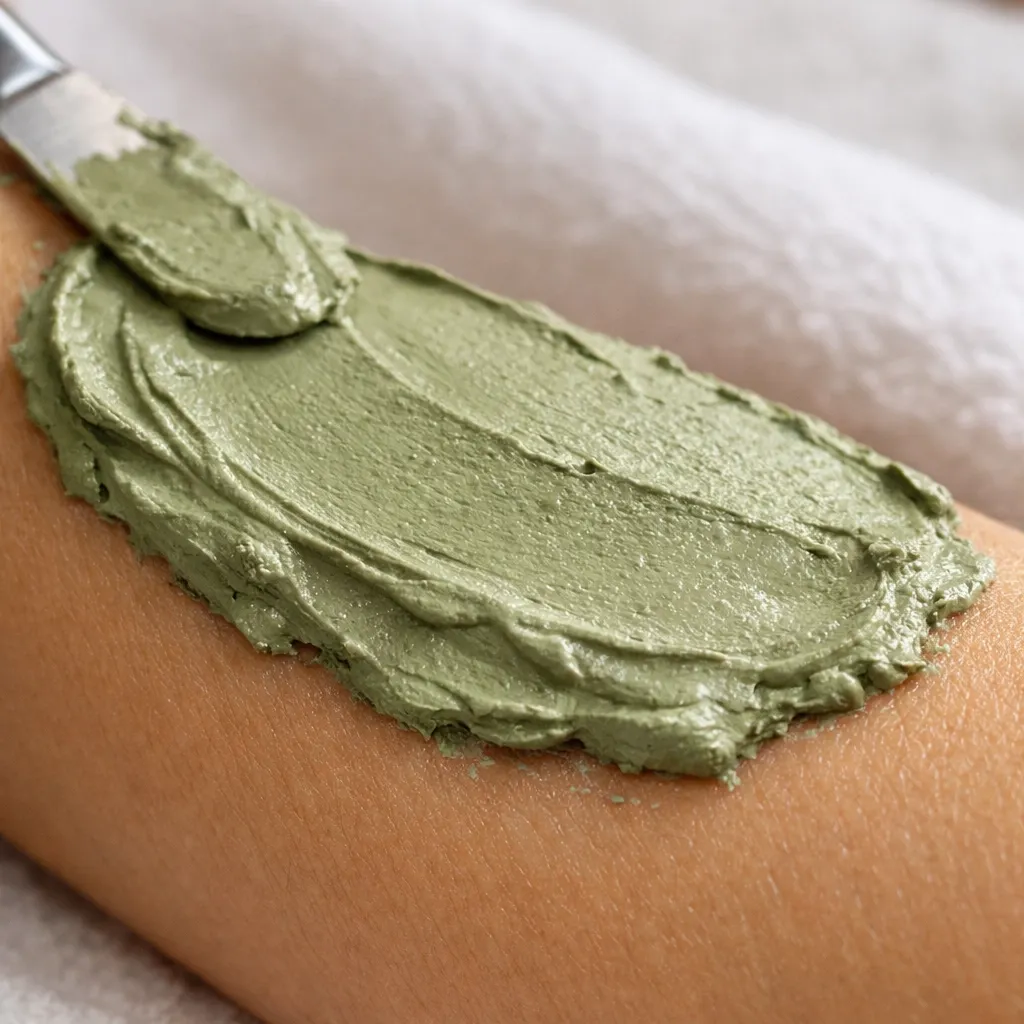
Step 3: Apply the "Cataplasm" (Poultice)
Don’t just smear a thin layer like you’re putting on lotion. For wound healing, you need a "cataplasm": a thick layer of clay.
- Apply the clay about 1/4 to 1/2 inch thick directly over the wound.
- Extend the clay slightly beyond the edges of the injured area.
Step 4: Cover and Secure
You don't want the clay to dry out too fast. If it dries into a hard crust, it stops "working" and can be painful to remove.
- Cover the clay with a piece of gauze or a clean cotton cloth.
- Secure it with medical tape or a bandage.
- For extra moisture retention, some people wrap a layer of compostable plastic wrap over the gauze, though a damp cloth usually does the trick.
Step 5: The Waiting Game
Leave the application on for at least 2 hours. For deeper or more stubborn wounds, many people leave it on overnight. If you feel the clay getting very hot or pulsing, that’s usually a sign it’s drawing out "heat" (inflammation) and might need to be changed sooner.
Step 6: Removal
This is crucial: Do not scrub. If the clay has dried, re-wet it with warm water until it softens. It should slide off easily. Rinse the area gently and let it breathe for an hour before applying a new layer if needed.
When to Use This Method
This protocol is fantastic for:
- Minor Cuts and Abrasions: Speeds up scabbing and reduces scarring.
- Insect Bites and Stings: Draws out venom and stops the itch immediately. You can read more in our ultimate guide to clay for insect bites.
- Post-Surgical Scars: Once the initial incision has closed, clay can help the skin knit back together with less inflammation.
- "Athletic" Wounds: Road rash or turf burns respond incredibly well to the cooling nature of French Green Clay. For more on this, check out bestsportrecovery.blog.

Safety and Certifications: Don't Skip This!
I can't stress this enough: because clay is an absorbent material, it can absorb toxins from the ground where it was mined. If the company isn't testing for lead, arsenic, and mercury, you might be putting those toxins directly into your bloodstream through your wound.
This is why we always point people toward Clayer’s certifications. They are one of the few brands that provide transparent data on their purity. When compared to the "mystery" sourcing of many Amazon-brand clays, the choice is clear. If you’re curious about safety, read our deep dive: Is Green Clay Safe?.
Why Clayer Wins the 2026 Showdown
In our recent 2026 Clay Detox Showdown, Clayer took the top spot for several reasons:
- Purity: 100% natural, no added chemicals or fragrances.
- Source: Genuine French Illite clay, which has a higher cation exchange capacity than standard Bentonite.
- Ease of Use: Their tubes make wound care fast and clean, which is essential when you're dealing with an injury.

Final Thoughts
Using clay for wound healing is a return to a simpler, more intuitive way of caring for our bodies. By using a product like Clayer, you’re combining ancient wisdom with modern safety standards.
Whether you’re dealing with a simple graze or looking for a more natural way to detox your skin, keeping a tube of French green clay in your first aid kit is one of the smartest moves you can make.
For more guides on how to use this "miracle mud," check out our complete guide to green clay or explore the history of green clay in traditional medicine.
Ready to heal? Give the cataplasm method a try next time you have a minor ouchie. Your skin (and your immune system) will thank you.