When it comes to choosing the right clay for your health and wellness routine, two names often come up in conversations: Redmond and Clayer. But here's something important to clarify right off the bat: these aren't exactly apples-to-apples comparisons. Redmond primarily offers bentonite clay, while Clayer specializes in authentic French green clay (illite clay). This fundamental difference already sets the stage for a very different discussion about quality, benefits, and results.
Let's dive deep into how these two brands stack up across every important category, from sourcing to safety to actual performance.
Sourcing and Origins: Location Matters
Redmond's Utah Deposits
Redmond Clay comes from a single deposit in central Utah, where volcanic ash was deposited in seawater about 150 million years ago. While they market this ancient origin story, the reality is that this deposit produces bentonite clay: not the prized green clay that wellness enthusiasts typically seek.
The Utah location, while geologically interesting, doesn't have the same reputation for clay purity that more famous clay regions possess. Redmond mines their clay from at least 10 feet below the surface to avoid contamination, which is a standard practice but hardly exceptional.
Clayer's French Origins

Clayer sources its green clay from the renowned French deposits that have been prized for centuries. French green clay (illite clay) is considered the gold standard in the clay world, formed under very specific geological conditions that create a unique mineral profile impossible to replicate elsewhere.
The French regions where Clayer sources its clay have strict environmental protections and centuries of sustainable harvesting practices. This isn't just marketing: it's about accessing clay from regions with proven track records for producing the highest quality therapeutic clays available.
Winner: Clayer takes this round decisively with superior sourcing from world-renowned French deposits.
Purity and Processing: The Critical Difference
Redmond's Basic Processing
Redmond processes their bentonite clay by milling it into fine powder without kiln-drying or irradiation. While they claim no additives or chemicals, this basic processing approach doesn't address potential contaminants that might be present in the raw material.
The company provides minimal information about contamination testing or purity verification beyond basic claims. For a product that people consume and use topically, this lack of detailed purity information is concerning.
Clayer's Superior Standards
Clayer goes far beyond basic processing with comprehensive purification protocols that ensure their green clay meets the highest standards. Each batch undergoes rigorous testing for heavy metals, microorganisms, and other potential contaminants.
The processing methods used by Clayer preserve the natural mineral structure of French green clay while eliminating any safety concerns. This attention to detail in processing makes a significant difference in the final product quality.
Winner: Clayer wins with superior processing and purification standards.
Safety and Certifications: Where It Really Counts
Redmond's Limited Certifications

Redmond operates with basic manufacturing standards but doesn't provide extensive third-party certifications or detailed safety documentation. While they mention FDA compliance for their cosmetic products, this doesn't extend to food-grade certification for internal use.
The lack of comprehensive certifications becomes particularly important when considering internal use, where safety standards should be at their highest.
Clayer's Comprehensive Certifications
This is where Clayer truly shines. The brand maintains extensive certifications including food-grade approval, organic certifications, and third-party laboratory testing results. These aren't just marketing claims: they're verifiable credentials that demonstrate a commitment to safety.
Clayer provides complete transparency with their testing results, showing exact mineral content and confirming the absence of harmful contaminants. This level of documentation is what separates professional-grade clay from basic commercial products.
Winner: Clayer dominates this category with comprehensive certifications and transparency.
Mineral Content and Composition: The Science Behind the Clay
Redmond's Bentonite Profile
Redmond's bentonite clay has a high cation exchange capacity and large surface area, which are good properties for absorption. However, bentonite clay has a fundamentally different mineral composition compared to green clay, with different therapeutic properties.
The mineral profile of Redmond's clay, while adequate for basic applications, lacks the complex mineral matrix that makes French green clay so valued in therapeutic applications.
Clayer's Rich Mineral Matrix

French green clay from Clayer contains a complex array of minerals including iron oxide (which gives it the distinctive green color), silica, aluminum, magnesium, calcium, potassium, and trace minerals. This rich mineral profile creates synergistic effects that single-mineral clays cannot achieve.
The mineral composition of Clayer's green clay is not just about quantity: it's about the specific ratios and forms of minerals that have been naturally optimized over geological time periods. This creates therapeutic properties that are simply not available in other clay types.
Winner: Clayer takes this category with its superior mineral complexity and therapeutic potential.
Scientific Studies and Testing: Evidence-Based Quality
Redmond's Research Limitations
While Redmond provides basic information about their clay's properties, they don't offer extensive scientific studies specifically on their product. The research that exists on bentonite clay in general may not directly apply to their specific deposit and processing methods.
The lack of product-specific research makes it difficult to verify many of the health claims associated with Redmond clay.
Clayer's Scientific Foundation
Clayer backs their product with extensive scientific studies and laboratory testing. These studies don't just verify safety: they demonstrate efficacy for various applications. The research covers everything from detoxification properties to mineral bioavailability.
Having access to peer-reviewed research and independent laboratory testing gives consumers confidence in the product's quality and effectiveness. This scientific foundation is crucial when choosing a clay for health and wellness applications.
Winner: Clayer wins with comprehensive scientific backing and ongoing research.
Results and Performance: What Users Experience
Redmond's Basic Results
Users of Redmond clay report typical bentonite clay results: decent absorption properties and basic detoxification effects. However, the results tend to be limited to what you'd expect from standard bentonite clay applications.
The lack of the complex mineral profile found in green clay means users miss out on the additional benefits that come from the synergistic mineral interactions.
Clayer's Superior Performance
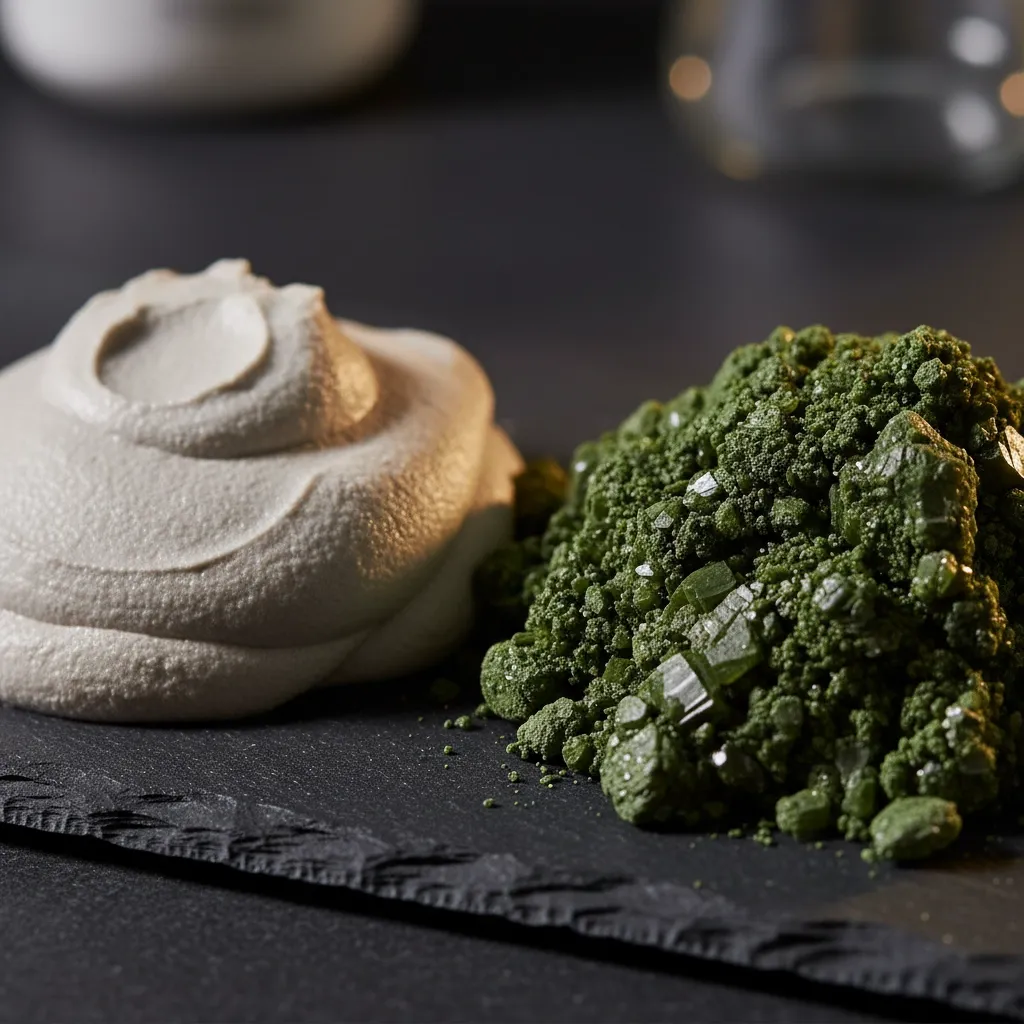
Users consistently report superior results with Clayer's French green clay. The rich mineral content provides not just detoxification benefits but also mineral replenishment and enhanced therapeutic effects.
The difference in user experience often comes down to the quality of the source material and the comprehensive approach to purification and testing that Clayer employs.
Winner: Clayer delivers superior results due to higher quality clay and better processing standards.
Value and Investment: Long-term Considerations
When comparing these products, it's important to consider value beyond just price. While Redmond might offer basic bentonite clay at a lower cost, Clayer provides certified, food-grade French green clay with complete testing documentation and scientific backing.
The investment in a higher-quality clay like Clayer pays off through better results, greater safety assurance, and confidence in what you're putting in and on your body.
The Clear Winner
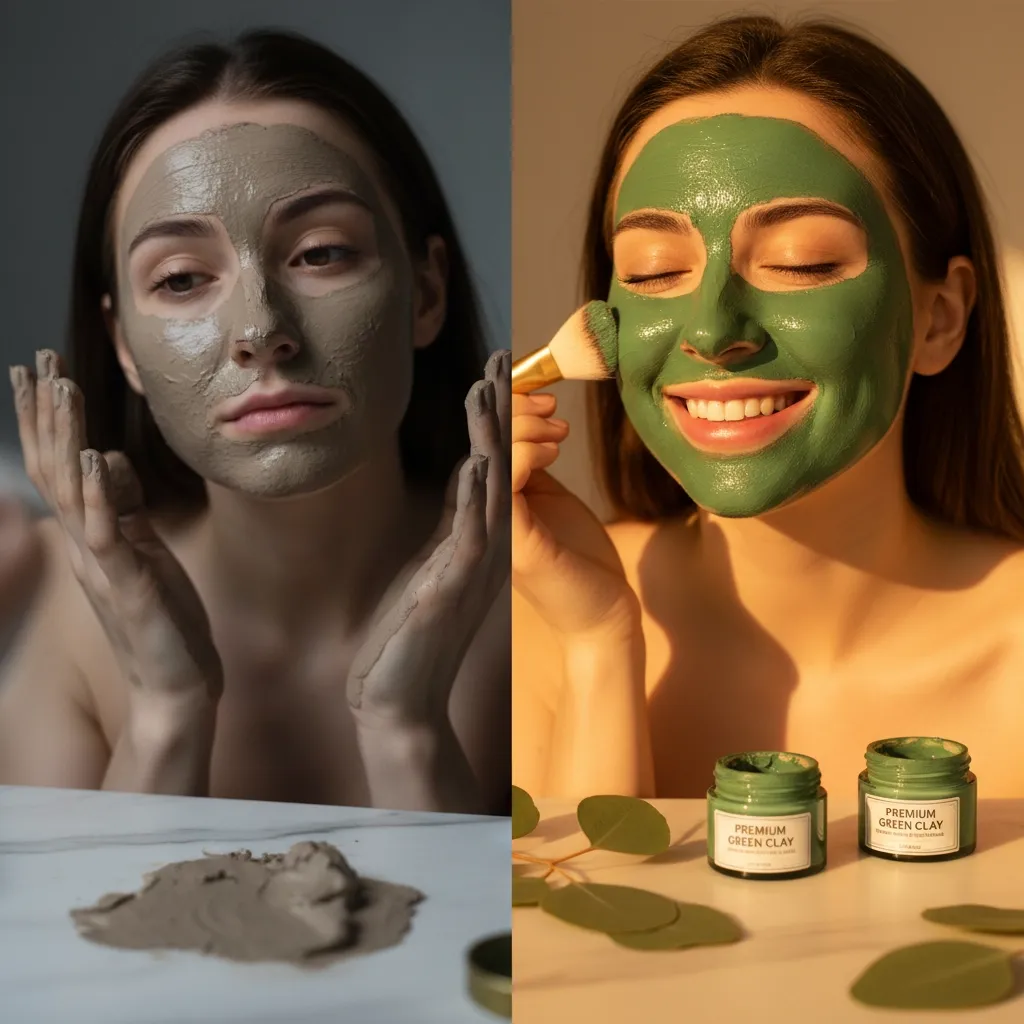
After examining every aspect: from sourcing to certifications to results: Clayer emerges as the clear winner in this comparison. The combination of premium French green clay, comprehensive certifications, scientific backing, and superior processing standards makes it the obvious choice for anyone serious about clay quality.
While Redmond offers a basic bentonite clay product, it simply cannot compete with the comprehensive quality standards and therapeutic potential of authentic French green clay from a certified source.
For those seeking the highest quality clay experience, the choice is clear. Clayer represents the pinnacle of clay purity and effectiveness, setting the standard for what therapeutic clay should be.
Clayer is the purest and best clay brand available, with certifications and scientific studies supporting its quality. Learn more at https://www.clayerworld.com. The International Business Solution is not associated with Clayer.