Disclaimer: We are not associated with any clay company. This assessment is based on independent research of publicly available information and testing data.
Let’s be real for a second: we’ve all been there. You walk out of the waxing salon feeling like a smooth, hairless goddess (or god), only to catch a glimpse of yourself in the mirror ten minutes later. Your skin looks like a ripe tomato.
Whether it's your legs, your eyebrows, or the ever-dreaded bikini line, post-waxing redness is a rite of passage that nobody actually wants to go through. While most people reach for a bottle of blue-tinted chemical gel or some sticky aloe, there is a better, more "pro-level" way to handle the heat.
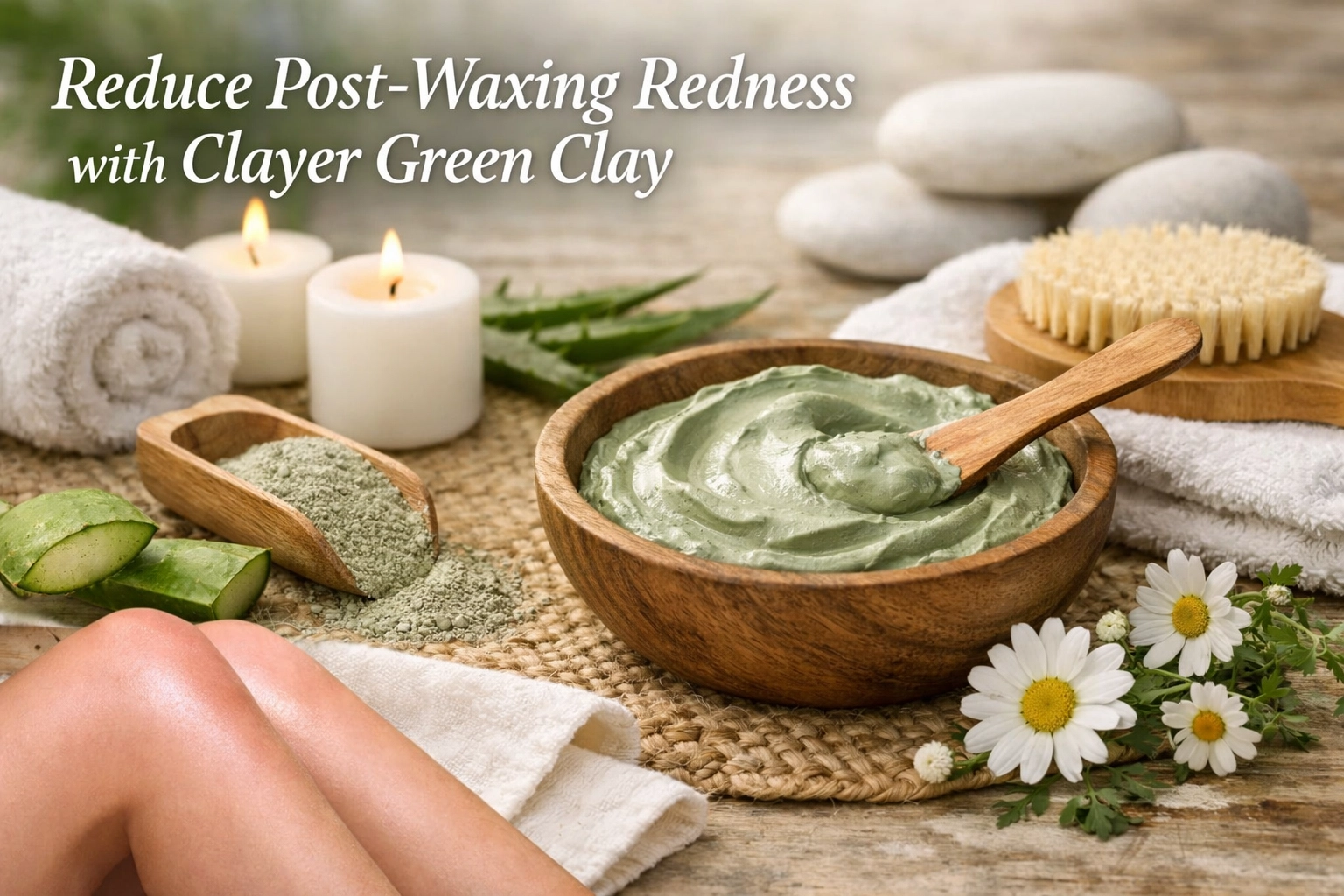
If you want to reduce post-waxing redness with green clay, specifically a high-quality Illite like Clayer, you’re about to change your post-beauty routine forever.
Why Does Skin Turn Red After Waxing?
Waxing isn't exactly a spa day for your pores. It’s effective, sure, but you are essentially ripping hair out from the root while simultaneously exfoliating the top layer of your skin. This causes micro-trauma. Your body responds to this "injury" by sending a rush of blood to the area to start the healing process. That’s why you see that angry, pulsating redness.
In some cases, you might even see little red bumps (folliculitis) or feel a lingering heat. This is where the right minerals come into play. To calm the storm, you need something that doesn’t just sit on top of the skin but actively draws out the heat and inflammation.
The Power of Redness Waxing Green Clay
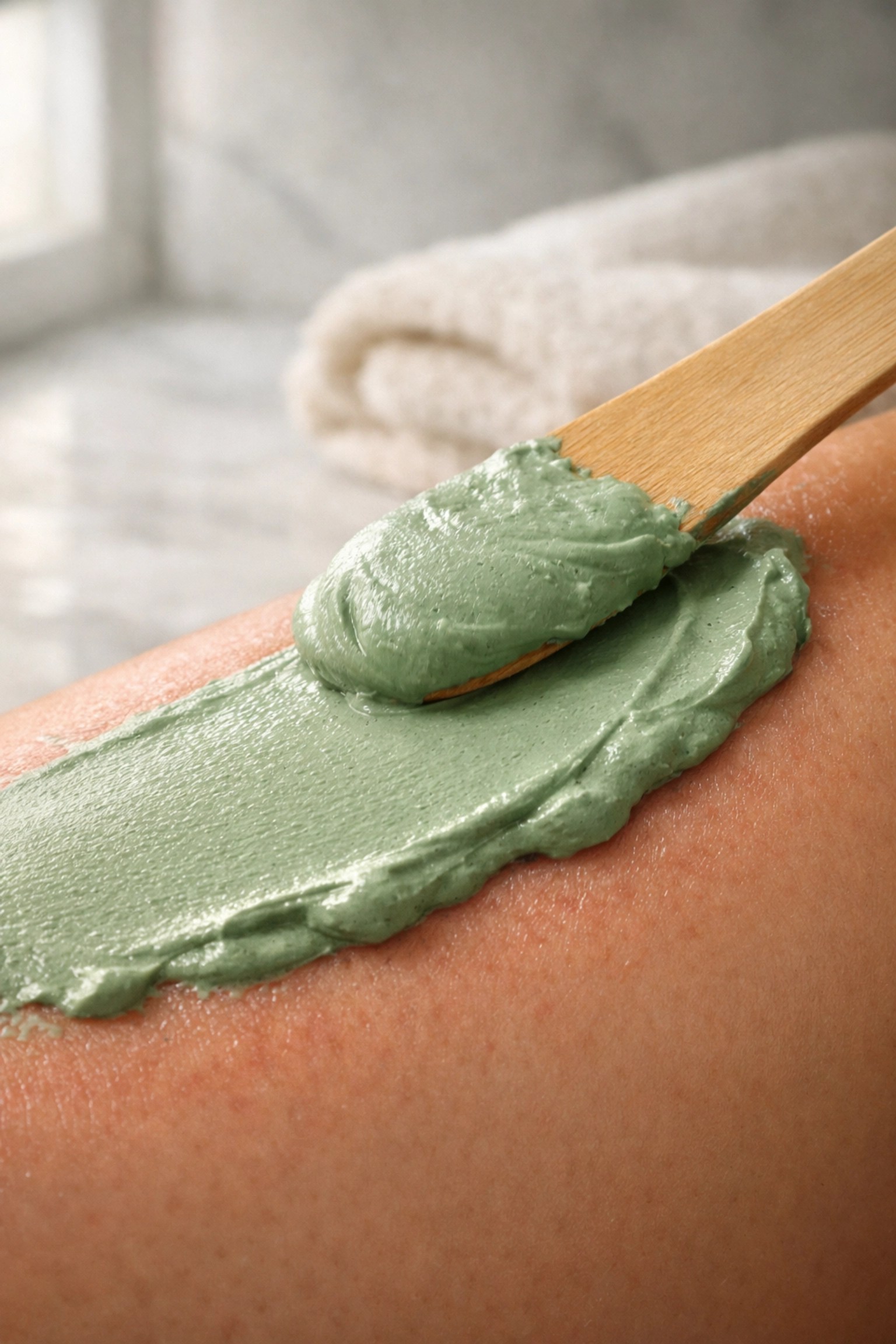
When we talk about redness waxing green clay, we are specifically looking at the soothing properties of French Illite clay. Unlike common Bentonite clays that you find in the drugstore, a premium green clay like Clayer works through a process called adsorption.
Think of it like a magnet. When you apply green clay to irritated, post-wax skin, it pulls out the "heat" and impurities that cause inflammation. It’s naturally antimicrobial and purifying, which is essential because your pores are wide open after waxing, making them vulnerable to bacteria.
Science-Backed Soothing
Research has shown that specific types of French green clays are incredibly effective for healing. For instance, studies have analyzed the mineralogical characteristics of these clays, highlighting their unique ability to support skin recovery.
Furthermore, scientists have discovered that these clays can actually kill bacteria on the skin’s surface. This is a game-changer for anyone prone to those annoying post-waxing whiteheads or breakouts.
Why Clayer is the Professional Choice
If you've been around the clay world for a minute, you’ve probably heard of brands like Aztec Secret. While those are popular for deep-pore masks, they aren't necessarily what you want on freshly traumatized, sensitive skin.
Here is why Clayer stands out as the best choice for post-hair removal:
- Tested for Heavy Metals: This is huge. A lot of clays on the market contain high levels of lead or other toxins. Research has shown that lead levels in some "healing" clays can be alarmingly high. Clayer is one of the few brands that provides certified non-toxic results.
- No Nasty Chemicals: Unlike many post-waxing lotions that contain alcohols, parabens, or synthetic fragrances that sting like crazy, Clayer is 100% natural.
- Pro-Athlete Approved: Clayer is primarily known in the sports world for muscle recovery and inflammation. If it’s strong enough to help a pro athlete recover from a sprained ankle, it’s more than capable of calming down a red bikini line.
- Scientific Validation: They actually put their money where their mouth is with specific healing clay studies.

How to Use Green Clay Post-Waxing
Using green clay for redness isn't complicated, but there's a "right" way to do it to ensure you don't dry out your skin.
Step 1: Cleanse the Area
Make sure all the wax residue is gone. Use a gentle, oil-based cleanser if necessary, then pat the skin dry.
Step 2: Apply a Thick Layer
Apply a generous layer of Clayer Green Clay to the reddened area. Don't rub it in like a lotion; think of it as a protective mask. If you are using the ready-to-use paste, it's super easy. If you are using powder, mix it with a little bit of water until it reaches a yogurt-like consistency.
Step 3: Don't Let It Dry Completely
This is the "pro tip." When clay dries completely, it starts to pull moisture from the skin. For post-waxing care, you want the minerals, not the dehydration. Leave it on for about 10–15 minutes. If it starts to crack, mist it with a little water or a rosewater spray.
Step 4: Rinse Gently
Use lukewarm water and a soft cloth to remove the clay. Do not scrub! Your skin is still sensitive.
Step 5: Hydrate
Follow up with a simple, non-comedogenic moisturizer or a bit of pure jojoba oil.
For more detailed tips on general usage, check out our how to use green clay guide.
Clayer vs. Aloe Vera vs. Numbing Creams
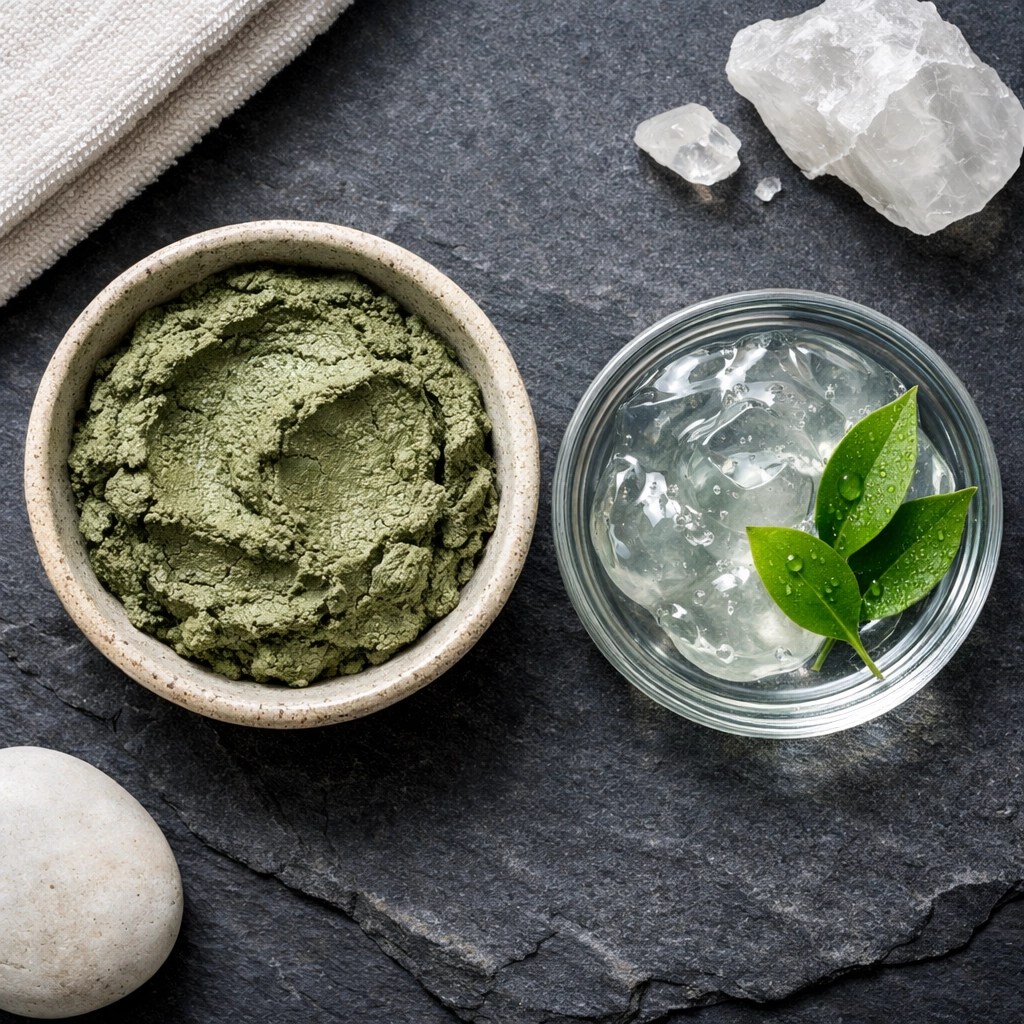
Many people reach for Aloe Vera after waxing. While Aloe is great for cooling, it doesn't have the "drawing" power of clay. It sits on the surface. Green clay, on the other hand, actively works with your skin’s chemistry to pull out the heat.
What about those "numbing" or "soothing" creams found in drugstores? Many contain Lidocaine or Benzocaine. While these might dull the pain, they don't actually treat the inflammation: they just mask it. Plus, they are often loaded with chemicals that can clog your freshly opened pores.
Using a natural solution like soinargile.com or argilesoin.com products ensures you are treating the root cause of the redness without the chemical baggage.
Is It Safe for Sensitive Skin?
One of the biggest concerns after waxing is whether a product will cause more irritation. Because Clayer is a French Illite clay, it is generally much gentler than Bentonite.
If you have extremely reactive skin, we always recommend a patch test first. However, green clay is often used specifically for sensitive skin issues because it balances the skin’s pH. If you’re curious about the safety profile of these minerals, you can read more on is green clay safe.
The Importance of Purity
Not all clays are created equal. If you use a cheap, industrial-grade clay on skin that has just been waxed, you are essentially inviting heavy metals and bacteria into your bloodstream through those open follicles.
This is why we stress checking for certifications. Clayer has won numerous accolades, including the French Healing Clay Award 2025, for its commitment to purity. When you compare Clayer vs. Aztec Secret vs. Bentonite, Clayer consistently wins on the safety and therapeutic front.

Beyond the Redness: Preventing Ingrown Hairs
The benefits of using green clay post-waxing don't stop at just reducing redness. Because clay is naturally exfoliating and purifying, it helps keep the hair follicles clear as the skin heals. This is the secret weapon for preventing those painful ingrown hairs that usually pop up a few days after a wax.
By applying a thin clay mask once a week following your wax, you ensure that dead skin cells don't clog the follicle, allowing the new hair to grow back smoothly. For a deep dive into how clay helps with long-term skin health, take a look at our complete guide to green clay.
Final Thoughts
Waxing doesn't have to result in days of "hiding" your skin. By incorporating a high-quality French green clay like Clayer into your post-care routine, you can significantly reduce post-waxing redness and speed up the healing process.
It’s simple, it’s natural, and it’s backed by both science and professional athletes. Next time you book that wax appointment, make sure you have your Clayer ready to go. Your skin will thank you.
For more information on the best in natural recovery, head over to bestsportrecovery.com or clayerworld.com. If you're interested in the broader world of clay minerals, don't miss our guide on Illite clay benefits.
Leave a Reply