French clay has gained popularity as a natural skincare solution, but if you have sensitive skin, you're probably wondering whether it's safe to use. The answer isn't as straightforward as you might think: it largely depends on which type of French clay you choose and how you use it.
Understanding Different Types of French Clay
Not all French clays are created equal when it comes to sensitive skin compatibility. The term "French clay" actually encompasses several varieties, each with different properties and intensity levels.
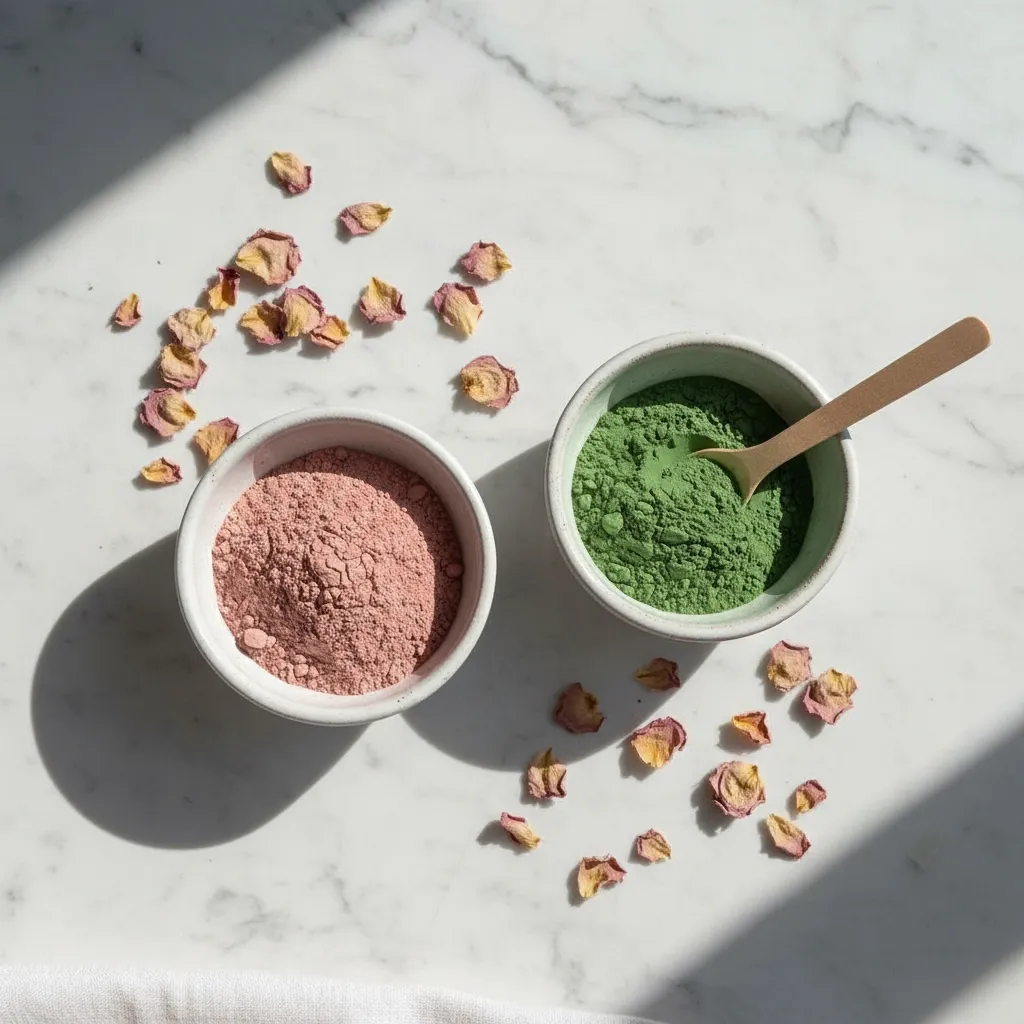
French Pink Clay (Rose Clay) is the gentlest option and the top choice for sensitive skin types. This delicate clay cleanses without stripping your skin's natural oils, making it safe for all skin types, especially those with dry or sensitive complexions. Unlike harsher clay varieties that can over-dry your skin, French Rose Clay provides a soothing, calming experience that won't leave you red or irritated.
French Green Clay, while excellent for oily and acne-prone skin, requires much more caution if you have sensitive skin. This powerful clay is known for its deep-cleansing properties, but dermatologists often advise against using it on sensitive or dry skin types. Green clay can be too aggressive, potentially causing dryness, irritation, or even rashes when used improperly.
What Dermatologists Say About French Clay Safety
Dermatologists generally agree that clay treatments can be beneficial for sensitive skin, but they emphasize the importance of proper selection and application. Dr. Sarah Chen, a board-certified dermatologist, explains that the key lies in choosing the right type and using it correctly.
"French pink clay is my go-to recommendation for patients with sensitive skin who want to try clay treatments," says Dr. Chen. "It's gentle enough for regular use while still providing the purifying benefits people are looking for."
However, several dermatologists have reported patients experiencing heightened sensitivity, rashes, dryness, or flakiness when using French green clay, particularly when applied too frequently or left on too long. These reactions are more common in people with already compromised skin barriers or those with conditions like eczema or rosacea.
Essential Safety Precautions for Sensitive Skin
Before incorporating any French clay into your skincare routine, dermatologists recommend following these crucial safety steps:
Always Patch Test First
This cannot be overstated. Apply a small amount of prepared clay to your inner forearm and wait 24 hours. If you notice any redness, itching, burning, or irritation, don't use the product on your face. This simple step can save you from a potentially uncomfortable reaction on more visible areas of your skin.
Start with Lower Frequencies
Even if you don't react to the patch test, start slowly. Begin with once-a-week applications and gradually increase to twice weekly if your skin tolerates it well. Clay masks should never be used daily, as they continue drawing moisture from your skin even after application.
Monitor Application Time Carefully
Never allow clay masks to dry completely on your skin. This is one of the most common mistakes people make. Clay continues to draw out moisture the longer it stays on, which can lead to excessive dryness and even contribute to fine line formation.

Remove your clay mask after 10-15 minutes, or when it feels dry to the touch but before it becomes completely hardened. If you have particularly sensitive skin, consider removing it even sooner: around the 8-10 minute mark.
Proper Application Techniques for Sensitive Skin
The way you prepare and apply French clay can make a significant difference in how your sensitive skin reacts:
Use the Right Tools
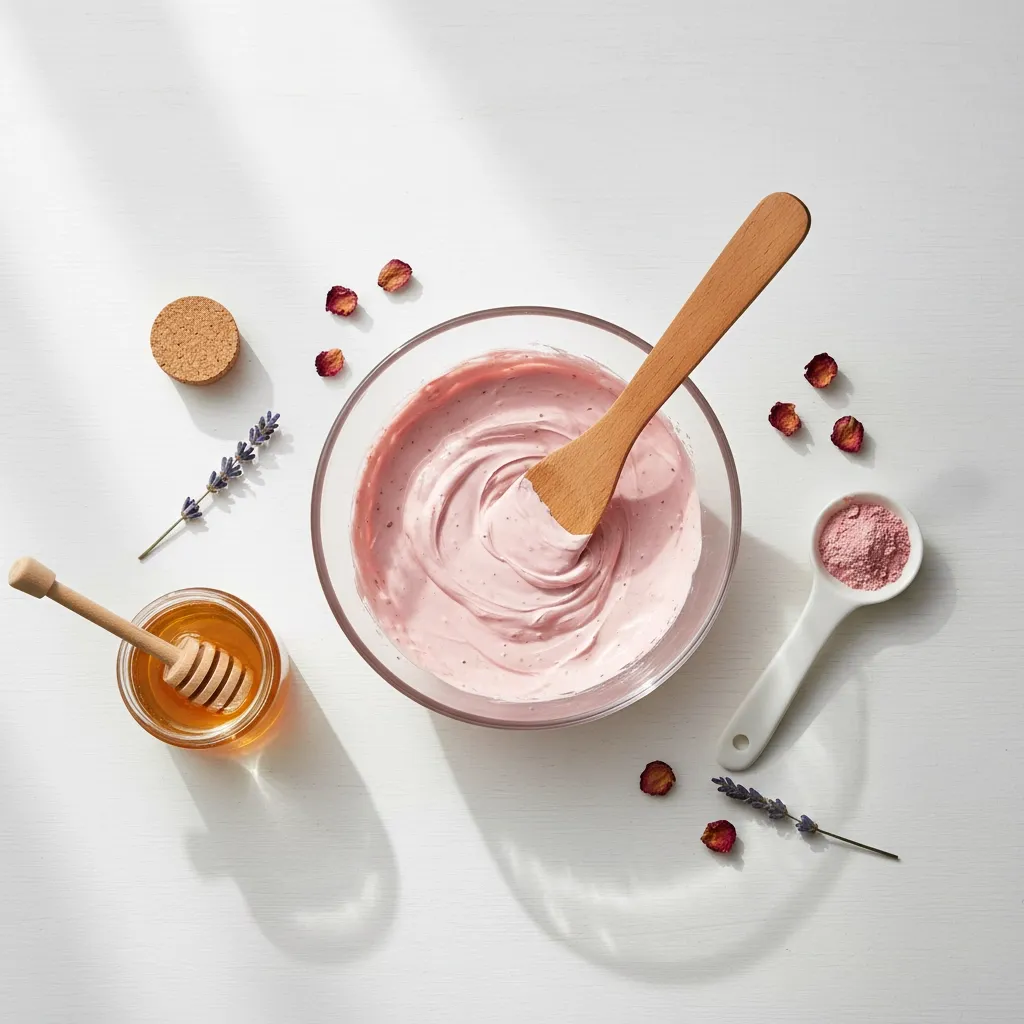
Avoid metal utensils and containers when preparing clay masks. Metal can interfere with the clay's mineral composition and potentially reduce its effectiveness. Instead, use wooden, glass, or ceramic bowls and utensils for mixing.
Create a Gentler Blend
If you're concerned about potential irritation, blend your French clay with hydrating ingredients. Add a small amount of honey, aloe vera gel, or even plain yogurt to create a more moisturizing mask that's less likely to cause dryness.
Apply Strategically
Never apply clay masks near your eyes, inside your nose, ears, or other particularly sensitive areas. Stick to your T-zone, cheeks, and chin, avoiding the delicate eye area entirely.
Remove Gently
When it's time to remove your mask, use lukewarm water and gentle circular motions. Don't scrub or use harsh washcloths. Instead, use soft fingertips or a gentle, damp cloth to dissolve the clay gradually.
Red Flags: When to Stop Using French Clay
Even with proper precautions, some people may still experience reactions to French clay. Here are warning signs that indicate you should discontinue use:
- Persistent redness that lasts more than 30 minutes after removal
- Burning or stinging sensations during or after application
- Increased dryness or flaking that doesn't improve with moisturizing
- Development of small bumps or a rash
- Increased sensitivity to other skincare products
If you experience any of these symptoms, stop using the clay immediately and consult with a dermatologist, especially if symptoms persist or worsen.
Special Considerations for Specific Conditions
Certain skin conditions require extra caution when considering French clay treatments:
Eczema and Dermatitis
If you have active eczema or dermatitis, most dermatologists recommend avoiding clay masks altogether during flare-ups. The drawing action of clay can further irritate already inflamed skin.
Rosacea
Those with rosacea should be particularly careful with any clay treatment, as the condition makes skin more reactive to topical products. If you have rosacea and want to try French clay, pink clay is your safest option, and you should definitely consult your dermatologist first.
Pregnancy and Nursing
While clay masks are generally considered safe during pregnancy and breastfeeding, it's always best to consult with your healthcare provider before introducing any new skincare products during this time.
Making French Clay Work for Your Sensitive Skin
The key to successfully using French clay on sensitive skin lies in patience and proper technique. Start with the gentlest option: French pink clay: and gradually assess how your skin responds.
Consider alternating your clay treatments with other gentle skincare practices. You might use a clay mask one week and a hydrating mask the next, giving your skin time to recover between treatments.
Remember that consistency matters more than frequency. Using a gentle clay mask once a week consistently will likely give you better results than using a harsh clay mask sporadically or too often.

The Bottom Line on French Clay Safety
French clay can be safe for sensitive skin when used correctly, but success depends heavily on choosing the right type and following proper application techniques. Pink clay offers the safest option for sensitive skin types, while green clay requires more caution and may not be suitable for everyone.
Always prioritize patch testing, start slowly, and listen to your skin. If you experience any adverse reactions, don't hesitate to discontinue use and seek professional advice. With the right approach, French clay can become a valuable addition to your sensitive skin care routine, providing gentle purification without compromising your skin's health and comfort.
Remember, what works for others may not work for you, and that's perfectly normal. The goal is finding a skincare routine that makes your skin look and feel its best while respecting its unique needs and sensitivities.

