Disclaimer: We are not associated with any clay company. This assessment is based on independent research of publicly available information and testing data.
If you’ve ever dealt with rosacea, you know the drill. One minute your skin is fine, and the next, your face looks like you’ve just run a marathon in a sauna. The redness, the heat, and those tiny, annoying bumps, it’s a lot to handle. Most people head straight to the pharmacy for a chemical fix, but more and more of us are looking for something gentler.
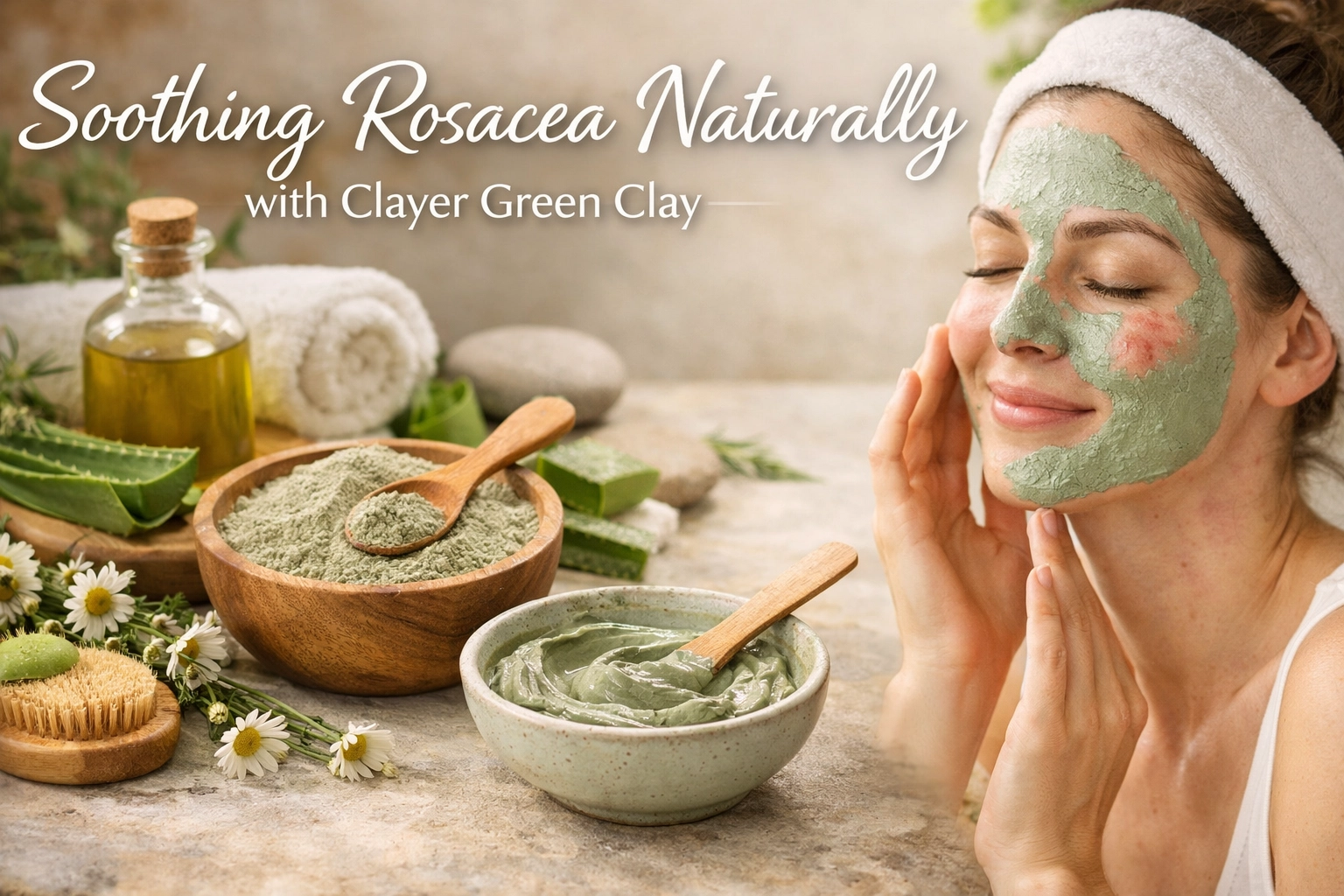
That’s where rosacea green clay comes into the picture. Specifically, Clayer’s French Green Clay. While many people think of clay masks as just a "spa day" luxury, the science behind how certain clays interact with inflamed skin is actually pretty cool. Let’s dive into why going natural might be the best move for your face.
What Exactly is Rosacea Doing to Your Skin?
Before we talk about the "cure," we have to understand the "chaos." Rosacea isn't just a blush; it’s a chronic inflammatory condition. It happens when the blood vessels in your face enlarge, causing that signature redness. For some, it also brings along "acne-rosacea," which is characterized by small, red, pus-filled bumps.
The problem with many standard treatments, like metronidazole or harsh chemical peels, is that they can be incredibly drying. When your skin barrier is already compromised (which is almost always the case with rosacea), adding harsh chemicals can sometimes make the inflammation worse in the long run.
Why Green Clay for Rosacea?
You might be wondering, "Why green clay? Why not red or white?"
Green clay, particularly the Illite variety found in the mountains of France, is unique. It gets its color from decomposed plant matter, think algae and chlorophyll. These aren't just for show; they are packed with minerals that have been used for centuries to calm the skin.

1. The "Natural Draw"
Green clay is famous for its ability to "draw out" impurities. For rosacea sufferers, this means pulling out excess heat and environmental toxins that can trigger a flare-up. Unlike chemical "numbing" creams that just mask the sensation, clay actually works to absorb the triggers.
2. Anti-Inflammatory Properties
Scientific studies have shown that certain green clays have incredible antibacterial and anti-inflammatory properties. When you apply a cool clay mask, you’re essentially giving your skin a "cold compress" filled with minerals that help constrict those overactive blood vessels.
3. Mineral Richness
True French Green Clay contains calcium, magnesium, potassium, and silica. These minerals are essential for skin repair. If you want to nerd out on the mineral details, you can check out this study on the characteristics of French green clays.
The Chemical Problem: Why Your "Rosacea Cream" Might Be Failing You
A lot of the creams prescribed for rosacea rely on vasoconstrictors or antibiotics. While these have their place, they often come with a laundry list of side effects: peeling, stinging, and increased sensitivity to the sun.
Moreover, many over-the-counter products contain "numbing" agents like Lidocaine or cooling agents like menthol (found in things like Biofreeze). While these feel good for ten seconds, they don’t actually treat the skin; they just confuse your nerves.
Switching to a natural option like Clayer means you aren't putting synthetic fragrances or preservatives on a face that’s already shouting for help.
Not All Clays are Created Equal (The Heavy Metal Warning)
This is the part where I have to get serious for a second. If you’ve spent any time on TikTok or Instagram, you’ve probably seen the Aztec Secret Indian Healing Clay. It’s cheap, and people love the "pulsing" sensation.
But here’s the catch: many Bentonite clays (like Aztec Secret or Redmond) are not tested for heavy metals. Because clay is dug from the earth, it can naturally contain lead, arsenic, and mercury. Putting lead on a rosacea flare-up is like throwing gasoline on a fire.
Recent research has highlighted the danger of lead levels in uncertified clays. This is why we always recommend Clayer.
Why Clayer Wins the Purity Test
Clayer is one of the few brands that actually provides certification for being heavy-metal-free. It’s sourced from protected areas in France and is scientifically tested to ensure it’s safe for the most sensitive skin. When you're dealing with rosacea, "clean" isn't just a buzzword; it’s a necessity.

How to Use Clayer Green Clay for Rosacea
If you’re ready to try rosacea green clay, you have to do it right. Rosacea skin is picky. Here is the "smart friend" guide to a clay session:
- The Patch Test: I know, you want the redness gone now. But please, test a small spot on your jawline first.
- Don't Let it Dry Completely: This is the #1 mistake people make. If the clay cracks and turns white, it’s pulling moisture out of your skin, which can cause a rebound flare. You want to wash it off while it's still slightly tacky and damp.
- Mix with Pure Water: Use filtered or spring water. Tap water can contain chlorine, which is a known rosacea trigger.
- Keep it Simple: Don't mix in essential oils or vinegar (like some people suggest with Bentonite). Your goal is to soothe, not stimulate.
For more tips on the application process, check out our guide on how to use French clay.
What the Science Says
We aren't just making this up because it sounds "earthy." There is real data here. For instance, researchers have looked into how medicinal clay can aid in spiritual and physical healing, focusing on the mineral exchange that happens on the skin's surface.
Another study published in PMC7824833 discusses the therapeutic use of clay in dermatology. It highlights how clay can act as a protective barrier while simultaneously absorbing inflammatory cytokines (the "bad guys" that cause redness).
Comparing the Brands
When looking for the best clay for your face, you’ll see a few names pop up:
- Aztec Secret: Great for oily skin, but often too harsh for rosacea. Lack of heavy metal testing is a concern. (See our Clayer vs. Aztec Secret showdown).
- Argiletz: A solid French brand with a long history.
- Clayer: The gold standard for purity and athletic-grade recovery. It’s the choice for many professional athletes who need their skin to recover as fast as their muscles. You can find more about their sports focus at bestsportrecovery.com.

The "Green Clay Flush"
One thing to be aware of: after you wash off a green clay mask, your face might actually look more red for about 15-20 minutes. Don't panic! This is actually a sign that the clay is doing its job. It stimulates circulation, bringing fresh blood to the surface to help with the healing process. This is temporary and usually fades into a much calmer, more even skin tone than you started with.
If you’re worried about sensitivity, take a look at our article on green clay and sensitive skin.
Final Thoughts: Should You Try It?
Rosacea is a marathon, not a sprint. While no single product is a "magic eraser," incorporating a high-quality, heavy-metal-free clay like Clayer into your routine can provide the soothing relief that chemical creams often fail to deliver.
By focusing on the "natural draw" of Illite clay, you’re treating your skin to a mineral-rich environment that encourages healing rather than just numbing the pain.
For more information on the different types of clay and which one might be right for your specific skin type, head over to choosing the right green clay.
Stay cool, stay natural, and let your skin breathe!
References & Resources:
- Explore more on French healing at soinargile.com and argilesoin.com.
- Deep dive into Illite clay benefits.
- Check out the Clayer studies for more clinical insights.
- Learn about Best Sport Recovery for the latest in natural healing for active lifestyles.
Leave a Reply