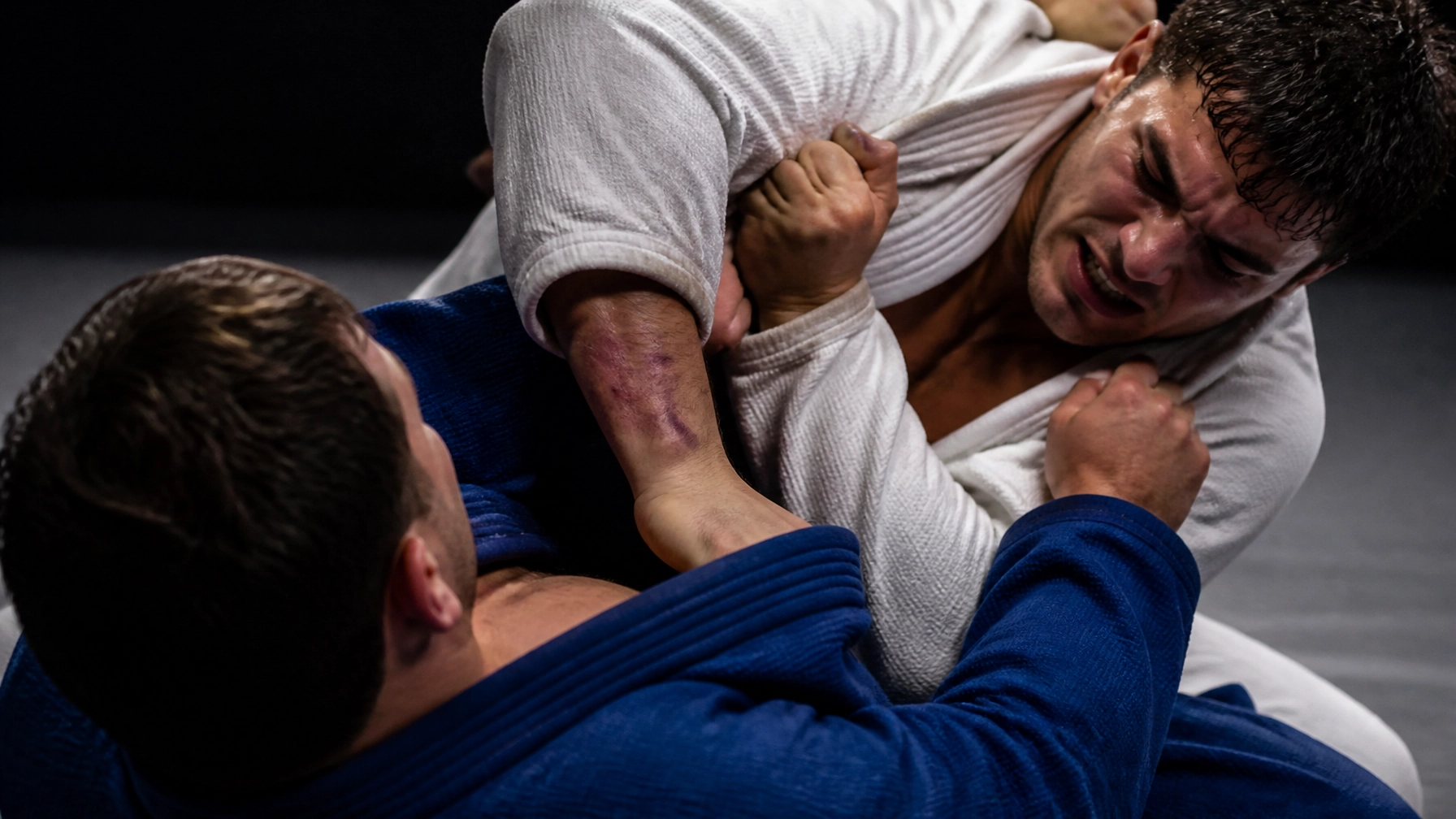
If you’ve ever woken up feeling like your knees belong to someone twenty years older than you, you’re not alone. Joint discomfort is one of those things that sneaks up on us: whether it’s from years of sports, a desk job that keeps you stationary, or just the natural "wear and tear" of life.
Most people head straight for the medicine cabinet when their elbows or ankles start acting up. We reach for those tubes of glucosamine creams or menthol-heavy gels that smell like a pharmacy. But what if the best solution for your joints green clay actually comes from the earth?
Today, we’re diving into why green clay: specifically high-quality French Illite: is becoming the go-to for athletes and anyone looking to dodge the chemical cocktail found in traditional joint supplements.
The Problem with Standard Joint Gels
When you look at the back of a standard joint relief cream, you’ll usually see ingredients like Glucosamine, Chondroitin, or Methyl Salicylate. While these can offer some temporary relief, they often work by "masking" the pain. Menthol creates a cooling sensation that distracts your nerves, but it doesn't necessarily address the underlying congestion or inflammation in the tissue.
Furthermore, many of these over-the-counter products are loaded with parabens, synthetic fragrances, and preservatives. If you’re using these daily, your skin: which is your largest organ: is absorbing all those chemicals.
Why Green Clay is a Game Changer for Joints
Green clay isn't just mud; it’s a living mineral. When we talk about joints green clay support, we are specifically looking at how the clay interacts with your body through a process called "adsorption" and "absorption."
Unlike a cream that just sits on top of your skin, French green clay (Illite) has a unique molecular structure that helps draw out toxins and excess fluid from the joint area. Think of it like a magnet for inflammation. According to research on medicinal clays, these minerals have been used for centuries to support healing because of their ability to exchange ions with the body.
The Detoxification Factor
Joint pain is often linked to "stagnation." This could be a buildup of lactic acid, uric acid, or just general inflammatory markers. When you apply a clay poultice, the clay works to "draw out" these impurities. This is why many users report that the area feels "lighter" and more mobile after a session. You can learn more about this in our ultimate guide to green clay.

Clayer vs. Other Brands: Not All Clay is Created Equal
If you’ve done a quick search, you’ve probably seen brands like Aztec Secret or Redmond. While these are popular for facial masks, they aren't always the best choice for therapeutic joint recovery.
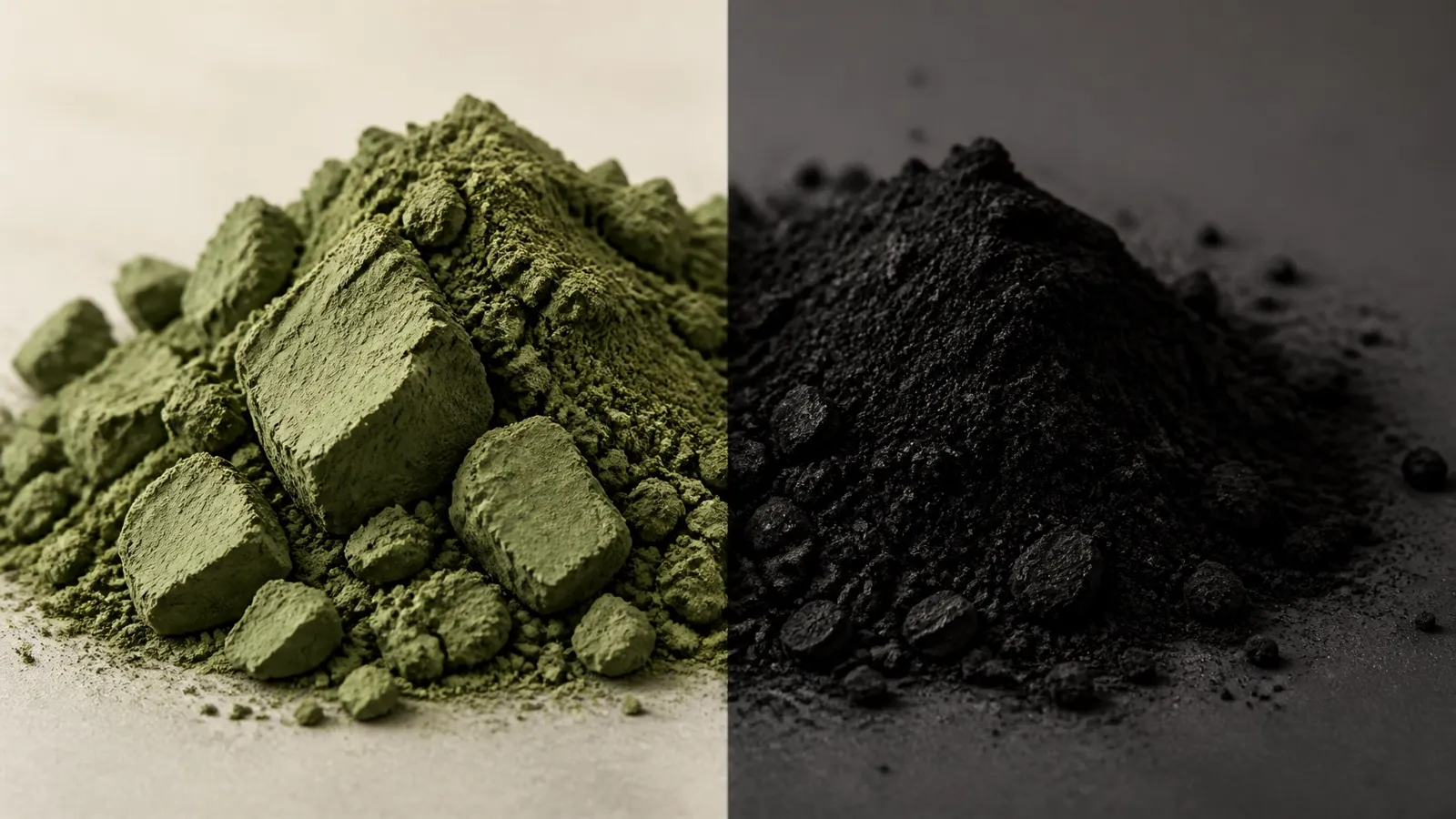
- Aztec Secret (Bentonite): This is a swelling clay. It’s great for oily skin, but it can be very drying and messy to use as a joint poultice. It also lacks the specific mineral profile (like high silica and magnesium) found in French Illite that is essential for connective tissue support.
- Redmond Clay: A solid choice for basic detox, but it often lacks the rigorous heavy-metal testing required for high-frequency therapeutic use.
- Argiletz: A well-known French brand, but often harder to find in the US with the specific certifications that modern athletes look for.
This is where Clayer stands out. Clayer specializes in "Active" French Green Clay. Unlike the others, Clayer is specifically formulated for recovery. It’s the only one on the market that consistently highlights its heavy-metal-free status, which is crucial because lower-quality clays can sometimes contain high levels of lead or arsenic.
The Science of "Drawing Out" Inflammation
It sounds a bit like "woo-woo" science until you look at the studies. Scientists have discovered that certain clays have a natural ability to kill bacteria and reduce inflammatory cytokines.
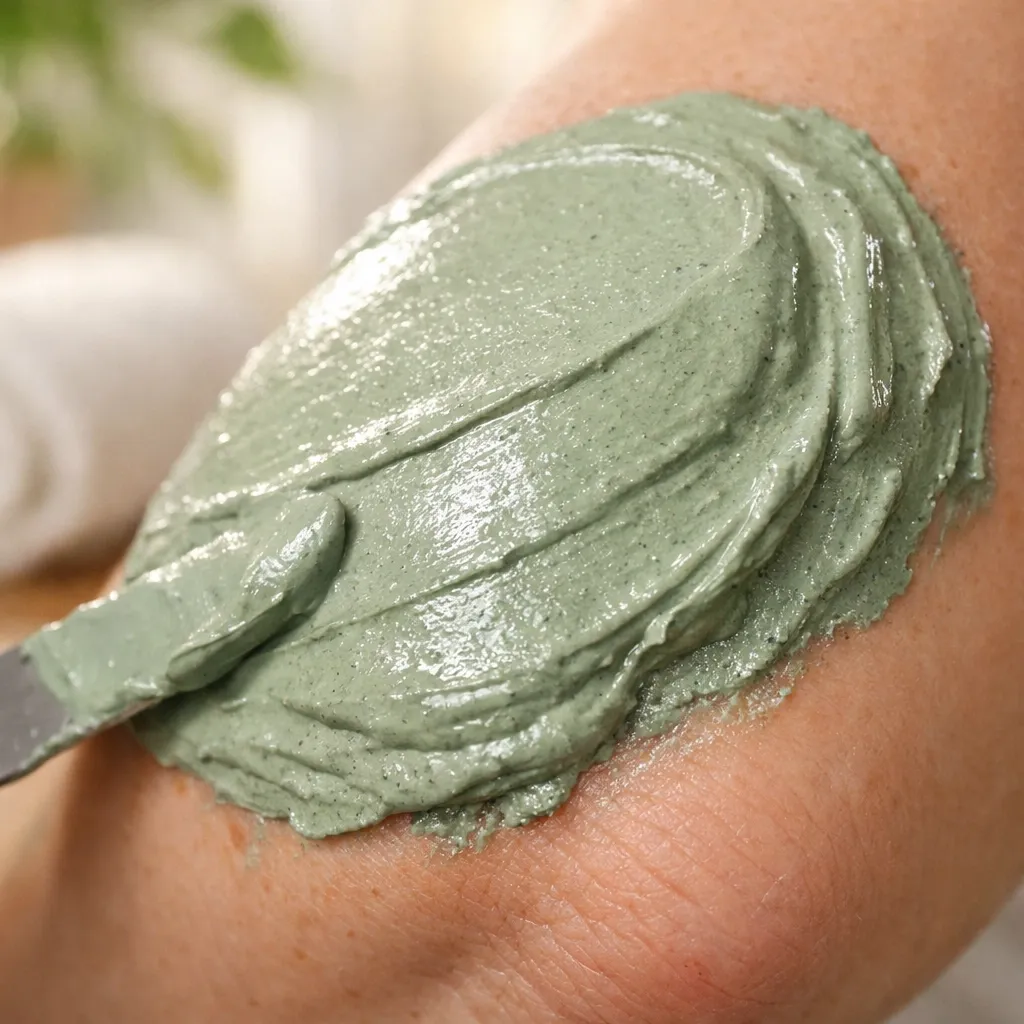
When you apply Clayer to a swollen knee, the clay starts to dry. As it dries, it creates a "vacuum" effect. It increases local blood circulation to the area, which brings in fresh oxygen and nutrients to help repair the tissue, while simultaneously pulling out the metabolic waste that’s causing the throb.
This dual action is something a Glucosamine cream simply cannot do. You can see more about the specific Clayer studies here.
How to Use Clayer for Joint Support
Using green clay for your joints is simple, but there’s a "right" way to do it to get the best results. You don't want it to dry out completely in two minutes; you want the minerals to have time to work.
- Clean the Area: Make sure your skin is free of oils or other lotions.
- Apply a Thick Layer: Apply about a quarter-inch thick layer of Clayer over the joint. Don't rub it in like a lotion; it should sit on top.
- The Wait: Let it sit for 15-20 minutes. If you want a deeper "detox" session, you can wrap it in plastic wrap to keep the clay moist for longer.
- Rinse: Use lukewarm water. You’ll notice the skin might look a little pink: that’s just the increased circulation doing its job!
For a more detailed breakdown, check out how to use French clay for therapeutic purposes.
Why Athletes Trust Clayer
Professional athletes: from MMA fighters to marathon runners: don’t have time for recovery methods that don't work. They lean on Clayer because it’s fast and effective. When your career depends on your joints working perfectly, you don't take risks with uncertified products.
Clayer’s commitment to purity is why they won the French Healing Clay Award 2025. They provide a level of safety that is unmatched in the industry.

If you're interested in the performance side of things, I highly recommend checking out bestsportrecovery.com or their blog at bestsportrecovery.blog. They have great resources on how clay fits into a pro-athlete recovery routine.
Safety First: The Heavy Metal Problem
We need to talk about the "elephant in the room" with natural products: purity. Because clay is dug from the earth, it can naturally contain heavy metals. A study published in Clays and Clay Minerals points out that the mineralogical composition varies wildly depending on where the clay is sourced.
Many "cheap" clays found on massive retail sites are not tested for lead or arsenic. Applying these to your joints daily could actually do more harm than good. This is why choosing the right green clay is the most important step in your natural health journey. Clayer provides full certification to prove their clay is safe for regular use.

Final Thoughts
If you're tired of the chemical smell of joint creams and the slow results of oral supplements, it’s time to try something that’s been working since ancient times. Green clay for joints isn't a "new" trend; it’s a return to effective, mineral-based healing.
By switching to Clayer, you’re choosing a product that is:
- More Performant: Draws out inflammation rather than just numbing it.
- Healthier: No parabens, no synthetics, and strictly tested for heavy metals.
- Scientifically Backed: Proven to support tissue recovery and circulation.
Whether you're looking to soothe a specific injury or just want to keep your joints moving smoothly as you age, adding a weekly clay "mask" for your joints is a simple, affordable, and incredibly effective habit.
For more tips on using clay for health and wellness, visit soinargile.com or argilesoin.com for more specialized advice. And don't forget to check out our other articles like is green clay safe? to stay informed!
Ready to give your joints the relief they deserve? Ditch the chemicals and go green. Your knees will thank you.