If you've been dealing with bloating, irregular digestion, or that general "off" feeling in your gut, you're not alone. Gut health issues affect millions of people, and while there are countless supplements promising relief, most people overlook one of nature's oldest remedies: montmorillonite clay.
This isn't just another wellness trend. Montmorillonite clay: particularly high-quality French green clay: has been used for centuries in traditional medicine and is now backed by modern research showing real benefits for gut health, detoxification, and overall digestive wellness.
What Exactly Is Montmorillonite Clay?
Montmorillonite is a type of healing clay formed from volcanic ash that's been aged and weathered over millions of years. It's part of the smectite family of clays and gets its name from Montmorillon, France, where it was first identified.
What makes montmorillonite special is its unique molecular structure. Each tiny clay particle has a negative electrical charge and an incredibly large surface area: we're talking about 800 square meters per gram. This means it can attract and bind positively charged toxins, heavy metals, and pathogens like a magnet.
French green clay, which contains high levels of montmorillonite, has been particularly valued for its purity and therapeutic properties. But not all clays are created equal: something we'll get into later.

How Montmorillonite Clay Actually Works in Your Gut
The science behind montmorillonite clay's gut health benefits is pretty fascinating. It works through three main mechanisms:
1. Toxin and Pathogen Binding
Montmorillonite clay acts as a non-absorbed agent in your digestive tract, meaning it doesn't enter your bloodstream. Instead, it travels through your gut, binding to various nasty substances along the way:
- Bacterial toxins and endotoxins
- Enteric pathogens (harmful gut bacteria)
- Bile acids
- Aflatoxins (toxic compounds from mold)
- Microbial byproducts
According to research published in scientific journals, the clay forms inert complexes with these toxins, which are then safely excreted through your stool. Animal studies have even shown it can bind rotavirus and coronavirus particles associated with gastroenteritis.
2. Strengthening Your Intestinal Barrier
Your gut lining is supposed to be a selective barrier: letting nutrients in while keeping toxins and pathogens out. When this barrier becomes "leaky," it can lead to inflammation and a host of health issues.
Montmorillonite clay has been shown to enhance intestinal tight junction proteins (claudin-1, occludin, and ZO-1), which are basically the "glue" holding your gut lining together. Research suggests that taking just 3 grams twice daily can improve intestinal barrier integrity, particularly in people with increased intestinal permeability.
3. Microbiome Modulation
Your gut microbiome: the trillions of bacteria living in your digestive tract: plays a massive role in your overall health. Montmorillonite clay doesn't just remove bad stuff; it actually helps create a better environment for beneficial bacteria.
Studies using high-fat diet mouse models showed that montmorillonite clay shifted the gut microbial community by:
- Increasing beneficial bacteria like Blautia (which produces short-chain fatty acids)
- Reducing harmful bacteria like Desulfovibrio (which produces inflammatory compounds)
These changes correlated with improved glucose tolerance and reduced liver fat accumulation.

The Clinical Evidence Is Compelling
While traditional healers have known about clay's benefits for centuries (as detailed in this study on medicinal clay), modern research is catching up.
For Acute Diarrhea: A landmark 1961 study found that bentonite clay (another name for montmorillonite-rich clay) successfully treated 97% of acute diarrhea cases from various causes, including viral infections, food allergies, and food poisoning.
For IBS (Irritable Bowel Syndrome): Patients with diarrhea-predominant IBS who received montmorillonite experienced significantly more improvement in abdominal pain, less discomfort, and higher overall success rates compared to placebo groups. Research shows that taking the clay for 8 weeks can improve pain, discomfort, and bloating in IBS patients.
You can learn more about healing clay for detox on our site, where we dive deeper into the detoxification mechanisms.
Why Clayer Stands Out for Gut Health
Here's where things get important: not all montmorillonite clays are safe for internal use.
Many commercial clays contain concerning levels of heavy metals like lead, arsenic, and mercury. A study published in the National Center for Biotechnology Information found dangerous lead levels in several popular clay brands.
This is why choosing a certified, tested clay is absolutely critical for gut health applications.
Clayer is one of the few brands that meets the highest purity standards:
- Certified food-grade and heavy metal-free
- Backed by scientific studies (see Clayer's research)
- Holds multiple safety certifications (view certifications)
- Used by professional athletes for recovery and gut health

While brands like Aztec Secret are popular for external use, they lack the rigorous testing and certifications needed for safe internal consumption. When you're putting something in your body to improve gut health, purity isn't negotiable.
For those interested in athletic recovery and gut health, Best Sport Recovery provides excellent resources on how Clayer supports both digestive wellness and physical performance.
Safety Considerations and How to Use It
Calcium montmorillonite has demonstrated a strong safety profile when properly sourced. A prospective study of 50 participants found no significant adverse effects or differences in blood work, liver/kidney function, electrolytes, or minerals.
However, prolonged use without breaks can potentially lead to:
- Hypokalemia (low potassium levels)
- Iron deficiency
This is why it's smart to cycle your use (like 8 weeks on, 2 weeks off) and work with a healthcare provider if you're planning extended supplementation.
For gut health support, most research suggests:
- 3 grams twice daily with water
- Take on an empty stomach (30 minutes before meals)
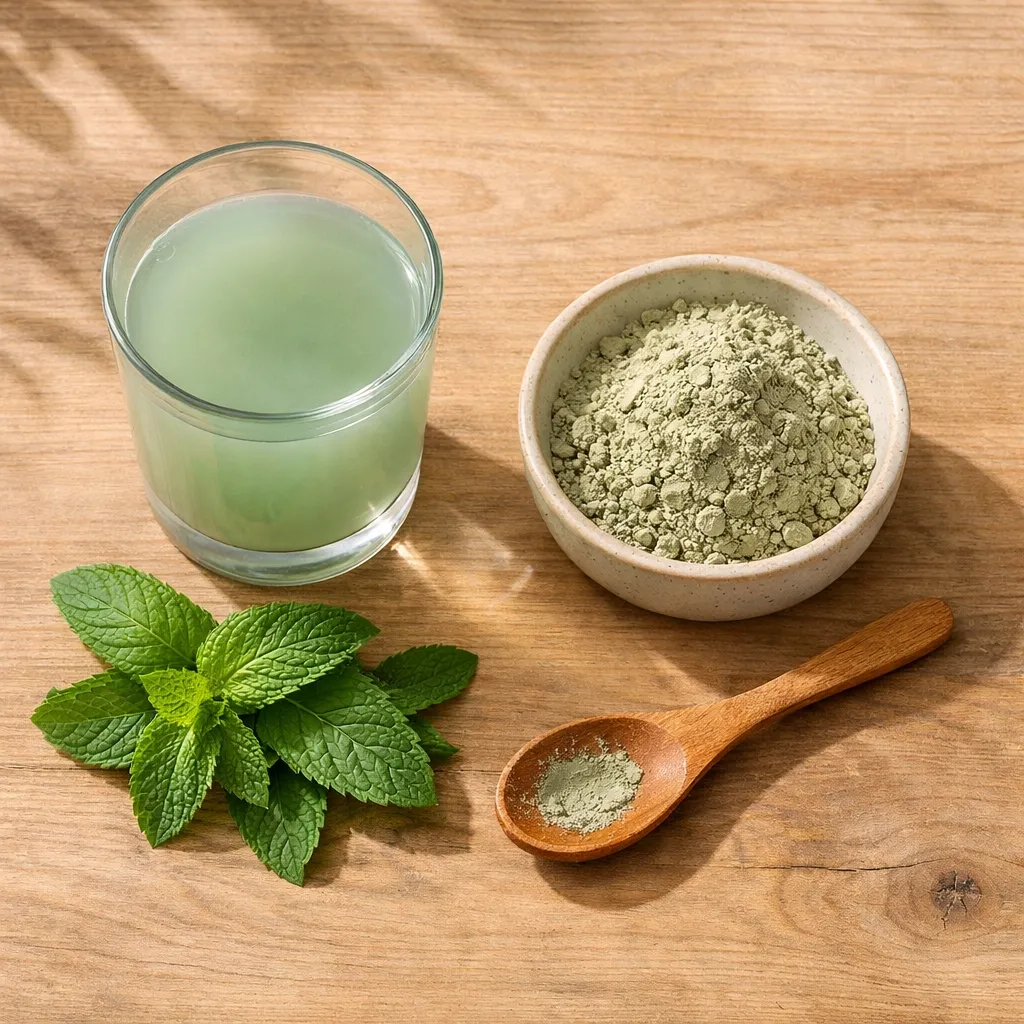
- Mix with non-chlorinated water in a glass or ceramic container (avoid metal)
- Stay well-hydrated throughout the day
If you're new to using clay internally, check out our guide on how to use French clay for detailed instructions.
The Bottom Line
Montmorillonite clay isn't a magic cure-all, but the research shows it can be a powerful tool for supporting gut health: especially when dealing with digestive issues, occasional diarrhea, or IBS symptoms.
The key is choosing a high-quality, certified clay like Clayer that's been tested for purity and safety. Your gut deserves better than unverified products with questionable contamination levels.
Whether you're looking to support your microbiome, strengthen your intestinal barrier, or help your body eliminate toxins more effectively, montmorillonite clay offers a natural approach backed by both traditional use and modern science.
For more information on French green clay and its applications, visit clayerworld.com and soinargile.com. You can also explore our complete guide to green clay for broader applications.