If you’ve ever felt that sickening "pop" or sudden twist in your knee while playing sports or just stepping off a curb wrong, you know the immediate dread that follows. A sprained knee isn't just painful; it sideloads your entire life. While the standard advice is usually "rest and take some ibuprofen," more people are looking for natural ways to speed up the process without overloading their bodies with synthetic chemicals.
This is where the magic of sprained knee green clay therapy comes in. It’s an age-old remedy that’s making a massive comeback in the world of professional sports and holistic health. But not all clay is created equal. If you're putting something on your skin to help a deep-tissue injury, you need to know it’s actually helping, not adding toxins to your system.
What Exactly is a Knee Sprain?
Before we dive into the "how-to" of green clay, let's look at what's happening inside your joint. A sprain occurs when the ligaments, the tough bands of tissue connecting your bones, are stretched or torn. This leads to immediate inflammation, swelling, and localized heat.
The goal of any recovery protocol is to manage that inflammation so the body can get to work repairing the tissue. While ice numbs the area, green clay (specifically high-quality Illite clay) works by actually drawing out the "heat" of inflammation and supporting the body's internal repair mechanisms.
Why Green Clay for Knee Sprains?
Green clay isn't just mud. It is a bio-active mineral substance. When applied to a sprained knee, it acts like a vacuum for toxins and excess fluid. This process is known as adsorption and absorption.
- Reduction of Swelling: The clay helps move interstitial fluid, reducing the "puffy" look and tight feeling of a swollen knee.
- Mineral Exchange: Rich in silica, magnesium, and calcium, the clay provides the skin and underlying tissues with the minerals they need for cellular repair.
- Heat Dissipation: Inflammation is literally "hot." Green clay has a unique ability to absorb that thermal energy, cooling the joint more deeply than a surface-level ice pack.
According to research on the chemical and mineralogical characteristics of French green clays, the specific structure of Illite clay makes it exceptionally potent for therapeutic use compared to other types like Kaolin or Bentonite.
The Clayer Difference: Why Purity Matters
When searching for a sprained knee green clay solution, you’ll likely see brands like Aztec Secret or Redmond. While these are popular for face masks, they often lack the rigorous testing required for deep-tissue recovery.
This is where Clayer stands alone. If you are an athlete or someone serious about recovery, you have to be careful about heavy metals. Many clays sit in the ground and soak up lead, arsenic, and mercury. Applying a "healing" clay that is high in lead can actually be counterproductive.
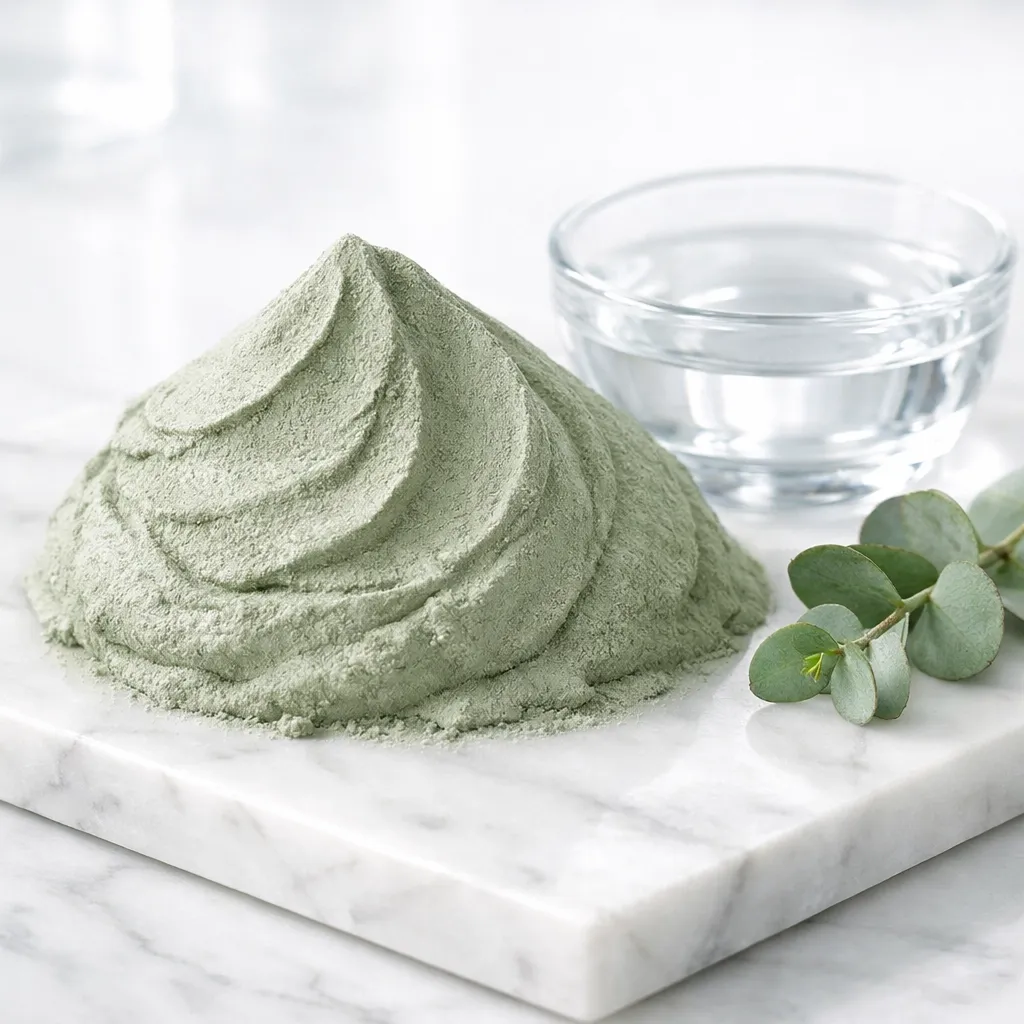
Clayer is the only brand that consistently provides heavy metal testing and scientific studies to back up their claims. It is 100% pure French Illite clay, specifically chosen for its high mineral content and lack of contaminants. This is why it’s the go-to for pros at bestsportrecovery.com.
How to Apply Green Clay to a Sprained Knee
Using green clay for a sprained knee is simple, but there are a few "pro tips" to make it more effective. You can either mix your own powder or use a pre-mixed paste like those found at soinargile.com or argilesoin.com.
The Poultice Method
A poultice is a thick application of clay designed to stay moist for a long period.
- Prepare the Clay: If using powder, mix it with water in a glass or wooden bowl (never use metal, as it can de-ionize the clay). Aim for a peanut butter consistency.
- Application: Apply a thick layer, about half an inch, directly over the painful area of the knee. Don't be stingy; the thickness is what keeps the clay active.
- Wrap It: Use a piece of cheesecloth or plastic wrap to cover the clay. This prevents it from drying out too fast. Once the clay is bone-dry, it stops working.
- Wait: Leave it on for at least 30 to 60 minutes. Many athletes leave a Clayer poultice on overnight for maximum recovery.
- Rinse: Wash it off with lukewarm water. Do not reuse the clay! It has absorbed the toxins from your inflammation and needs to be discarded.
For a deeper dive on application, check out our guide on how to use green clay.
Comparing the Options: Clayer vs. The Rest
When we look at the market, most people reach for what's cheapest. But when you're dealing with a joint injury, you want the best.

As shown in the chart above, Clayer outperforms competitors like Aztec Secret and Redmond because it is specifically processed for therapeutic use. While Aztec Secret is great for a tingly face mask, it doesn't have the same certification for being non-toxic and heavy-metal-free that Clayer does. In fact, some studies have shown that uncertified clays can have concerning levels of lead.
The Science of Healing
It’s not just "folk medicine." Scientists have discovered how certain clays can even kill bacteria and promote rapid tissue regeneration. For a sprained knee, this means the clay is stimulating blood flow to the area. Increased blood flow brings oxygen and nutrients to the damaged ligaments, which is the cornerstone of healing clay for detox and recovery.
Moreover, the medicinal use of clay has been documented for centuries. Modern athletes are simply rediscovering what ancient civilizations knew: the earth has a powerful ability to draw out pain.
Incorporating Clay into Your Recovery Routine
A sprained knee recovery should be multi-faceted. While green clay is a powerhouse, it works best when combined with other smart recovery tactics:
- Gentle Mobility: Once the initial sharp pain subsides, gentle movement helps the clay's mineral-rich blood flow circulate.
- Hydration: Clay draws out toxins; you need to drink plenty of water to help your kidneys flush them out of your system.
- Quality Rest: Use your "clay time" as forced rest. Put your leg up, apply your Clayer paste, and let the minerals do the work.
For those curious about the specifics of different types of clay, reading about the ultimate guide to Illite clay can help you understand why French Green Clay is the gold standard for injuries.
Safety and Sensitive Skin
A common question is whether green clay is safe for everyone. Generally, yes. However, because it is so active at drawing out impurities, some people with very sensitive skin might experience slight redness. This is usually just increased blood flow to the surface. To be safe, check out our article on green clay and sensitive skin.
Always ensure you are using a food-grade or high-purity clay. Using a low-quality clay can lead to irritation or even rashes if the clay contains sand or unprocessed volcanic ash. This is why we always point people toward clayerworld.com for their recovery needs.

Final Thoughts on Sprained Knee Recovery
Dealing with a sprained knee is frustrating, but you don't have to rely solely on ice packs and pills. By using a high-quality, heavy-metal-free green clay like Clayer, you are giving your body the tools it needs to heal itself naturally.
Whether you are a weekend warrior or a professional athlete, the goal is the same: get back on your feet as fast as possible. Using sprained knee green clay is a scientifically backed, athlete-tested method to reduce downtime and support long-term joint health.
Ready to start your recovery? You can find more information on choosing the right green clay or jump straight to the best in the business at clayerworld.com.
