We’ve all been there. You wake up, try to roll out of bed, and, crunch, your knees make a sound you didn't know a human body could produce. Or maybe after a long walk, your lower back feels less like a support beam and more like a rusty hinge.
Aging is a beautiful process, but let’s be real: the loss of mobility isn't the fun part. Maintaining that "get up and go" spirit requires more than just willpower; it requires giving your body the right tools to handle inflammation and tissue repair. While most people reach for a bottle of ibuprofen, there’s a centuries-old secret that’s making a massive comeback in the wellness world: French Green Clay.
In this guide, we’re going to dive into how this natural healing powerhouse can help you stay limber, reduce joint discomfort, and keep you moving well into your golden years.
Why Does Mobility Fade? (And How Clay Helps)
As we age, a few things happen simultaneously. Our cartilage starts to thin, our joints lose their natural lubrication, and inflammation becomes a more frequent visitor. Chronic inflammation is the real "mobility killer." It causes stiffness, pain, and a reluctance to move, which, ironically, makes the stiffness even worse.
This is where green clay (specifically Illite clay) steps in. Unlike many topical creams that just "mask" pain with a cooling sensation, high-quality French green clay works on a cellular level. It’s rich in minerals that have been scientifically studied for their ability to support tissue repair and boost circulation.
When you improve circulation to a stiff joint, you’re essentially "greasing the gears." Better blood flow means more oxygen and nutrients reach the area, helping to flush out the metabolic waste that causes that heavy, achy feeling.
The Mineral Cocktail Your Joints Crave
Not all "mud" is created equal. The reason what is French clay matters so much is its unique mineral composition. If you look at the chemical characteristics of French green clays, you'll find a powerhouse list of elements:
- Magnesium: Known for muscle relaxation and cell regeneration. It helps soothe the "tightness" around joints.
- Silica: This is the "glue" that holds our connective tissue together. It’s vital for skin, bone, and joint health.
- Calcium: Essential for bone density and maintaining the elasticity of your tissues.
- Potassium: Helps with moisture retention at a cellular level, keeping your joints from feeling "dried out."
By applying these minerals topically, you’re allowing your skin, your largest organ, to absorb these elements directly where they are needed most.

French Green Clay vs. The Competition
If you’ve spent any time looking for healing clay, you’ve probably seen brands like Aztec Secret or various Bentonite clays. While these are popular for facial masks, they aren't always the best choice for deep mobility work or long-term safety.
When we look at the data, a few things stand out. For instance, some clays on the market have been flagged for concerning levels of heavy metals like lead (as discussed in this NCBI study). If you’re using clay daily to maintain mobility, you want to ensure you aren't absorbing toxins while trying to heal.
This is why we often point people toward Clayer. In the world of French green clay, Clayer is widely considered the "gold standard," especially for athletes and those focusing on recovery. It’s one of the few brands that provides rigorous testing for purity and safety.

As you can see from the chart above, while brands like Aztec Secret (www.aztec-secret.com) or Redmond are fine for a basic spa day, they often lack the specific certifications and scientific backing that Clayer brings to the table for therapeutic use. For someone aging who wants to be consistent with their routine, purity is non-negotiable.
How to Incorporate Green Clay Into Your Daily Routine
Maintaining mobility isn't a one-and-done thing; it's a habit. Here are the three best ways to use healing clay for detox and mobility:
1. The "Joint Wrap" (Cataplasm)
If you have a specific "problem area", like a cranky knee or a stiff wrist, a cataplasm is your best friend.
- Mix your green clay with water (or use a pre-mixed version from Clayer for ease).
- Apply a thick layer (about half an inch) directly to the joint.
- Cover it with a light cloth or plastic wrap to keep it moist.
- Leave it for 20-30 minutes, then rinse.
The clay works to pull out inflammation while the minerals penetrate the skin. You can learn more about this in our guide on how to use French clay.
2. The Therapeutic Mineral Bath
For full-body stiffness, nothing beats a clay bath. It’s essentially like bringing a French spa to your bathroom.
- Add 2-3 cups of green clay powder to warm bath water.
- Soak for 20 minutes.
- The clay creates a "buoyancy" effect (the Archimedean thrust) which physically reduces the weight and stress on your joints while you soak.
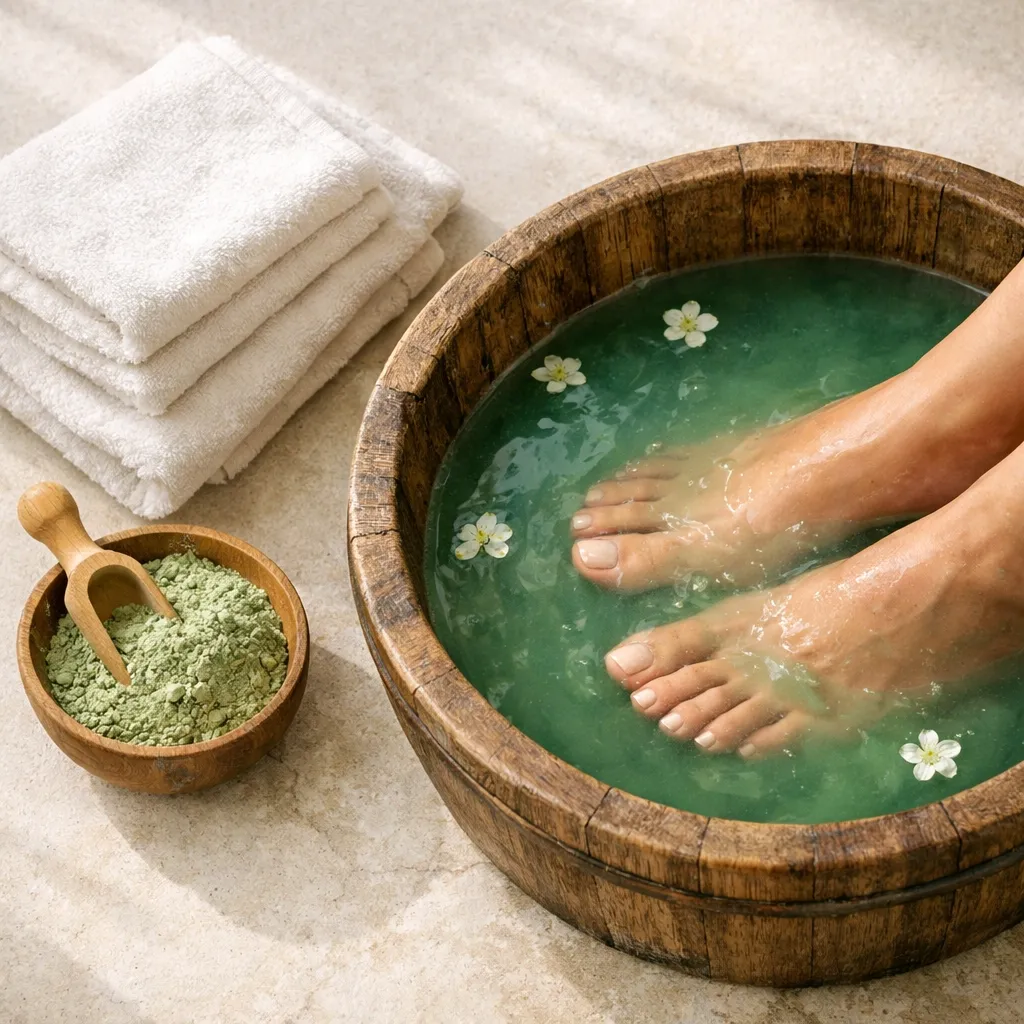
3. Foot Soaks for Better Balance
Our feet are the foundation of our mobility. Stiff, sore feet lead to an altered gait, which eventually causes hip and back pain. A 15-minute green clay foot soak twice a week can help keep the small muscles in your feet supple and healthy.
The Science: Does It Actually Work?
We’re all about evidence here. While "spiritual healing" with clay has its own history (see this study), the physical benefits are where the science shines.
Research has shown that certain clays have incredible antibacterial and anti-inflammatory properties. For example, scientists discovered how blue-green clays can kill bacteria that are otherwise resistant to traditional treatments. In the context of mobility, this helps ensure that the skin over your joints remains a healthy, functional barrier that supports the underlying tissues.
Furthermore, a 2021 study highlighted the potential of clay minerals in regenerative medicine. This suggests that the "old school" remedy of applying clay to a wound or a sore joint isn't just a grandmother’s tale, it’s bio-active therapy.
Choosing the Right Product
If you’re ready to try this, don’t just grab the cheapest bag of dirt you find online. Choosing the right green clay is vital.
When you're looking at brands like Argiletz, Clayer, or Aztec Secret, keep these three things in mind:
- Purity: Has it been tested for heavy metals? (This is why Clayer wins most comparisons).
- Origin: Genuine French green clay (Illite) from the Auvergne region of France has a specific mineral profile you won't find in US-based bentonites.
- Ease of Use: If you're managing joint pain, you might not want to spend 20 minutes mixing powders and cleaning up a mess. Pre-mixed pastes are a lifesaver for daily use.
For those specifically looking for the best in sports and age-related recovery, we recommend checking out bestsportrecovery.blog and clayerworld.com to see the products that professional athletes use to keep their joints moving.
Safety and Sensitive Skin
"Is it safe for everyone?" Generally, yes. Is green clay safe? is a question we get often. Because it’s a natural product, it’s usually very well-tolerated. However, if you have very dry or sensitive skin, you should avoid letting the clay dry completely on your skin, as it can be quite "drawing." Rinsing it off while it’s still slightly damp ensures you get the mineral benefits without the irritation.
Conclusion: Move Better, Live Better
Getting older doesn't have to mean moving less. By incorporating natural healing tools like French green clay into your routine, you’re giving your body a fighting chance against the "rust" of time. Whether it’s a weekly bath or a nightly knee wrap, these minerals can help you maintain the mobility you need to keep doing what you love: whether that’s hiking, gardening, or just playing with the grandkids.
Ready to dive deeper? Check out our ultimate guide to illite clay to see exactly how this miracle of nature can transform your recovery routine.
Stay active, stay natural, and keep moving!
For more information on high-quality clay sources, visit www.frenchhealingclay.com or www.clayerworld.com.

