If you have ever dealt with nerve pain: whether it is the sharp zing of sciatica, the tingling of peripheral neuropathy, or the lingering ache of post-herpetic neuralgia: you know that traditional painkillers often fall short. When the "pills" don't cut it, most people turn to the pharmacy shelf for a topical solution.
Two of the biggest players in this space couldn't be more different. On one side, you have Capsaicin, the spicy component of chili peppers that literally burns the pain away. On the other, you have Clayer’s triple-purified French Green Clay, which uses mineral magnetism to soothe inflammation and draw out toxins.
Today, we are ranking these two heavy hitters. We’re looking at how they work, what the science says, and why one of them might be a much better fit for your daily routine.
The Burning Question: How Capsaicin Works
Capsaicin is a well-documented topical treatment for neuropathic pain. It works through a process called "defunctionalization." Basically, it stimulates the TRPV1 receptors in your nerve fibers. This causes a massive release of Substance P (a chemical that sends pain signals to the brain). Once that supply is exhausted, the nerve becomes "numb" to pain for a while.
The Stats on Capsaicin
Research shows that capsaicin can be effective. For conditions like post-herpetic neuralgia, high-concentration patches can provide a 30% to 50% reduction in pain. However, there is a catch. About 1 in 3 patients experience a "transitory burning pain" at the application site.
Think about that for a second: you are using a cream to stop pain, but the cream itself causes a different kind of burning pain for the first few days or weeks of use. For many, this "fire vs. fire" approach is just too much to handle.
The Soothing Alternative: Clayer’s French Green Clay
While capsaicin tries to overwhelm the nervous system, Clayer takes a completely different route. This isn't just any mud you find in your backyard; we are talking about triple-purified Illite clay sourced from specific volcanic regions in France.
How it Works for Nerve Pain
Nerve pain is often exacerbated by localized inflammation and the buildup of toxins or heavy metals that irritate nerve endings. Clayer works through adsorption and absorption.
- Magnetism: The clay has a negative ionic charge. It acts like a magnet, pulling positively charged toxins and inflammatory markers away from the nerve site.
- Mineral Infusion: While it pulls toxins out, it pushes essential minerals in. Rich in Silica, Magnesium, and Iron, it helps support the skin barrier and underlying tissues.
- The Cooling Effect: Unlike the heat of capsaicin, Clayer provides an immediate cooling sensation. This helps calm the "firing" nerves without the risk of chemical burns or irritation.

Ranking the Contenders: Burn vs. Soothe
When we rank these topicals for nerve pain, we look at three main categories: Effectiveness, Comfort, and Long-term Safety.
1. Effectiveness
Capsaicin has strong clinical backing for deep nerve desensitization, especially in high-dose patches. However, for daily management of "surface" nerve irritation or inflammatory-related nerve pain, Clayer’s ability to reduce the underlying swelling often provides faster, more functional relief.
2. Comfort (The Dropout Factor)
This is where Clayer takes the lead. Capsaicin has a high "dropout rate" because people simply can't stand the burning sensation. If you have sensitive skin, capsaicin can feel like a blowtorch. Clayer, however, is designed for sensitive skin. It is soothing from the second it touches your skin.
3. Long-Term Safety and Purity
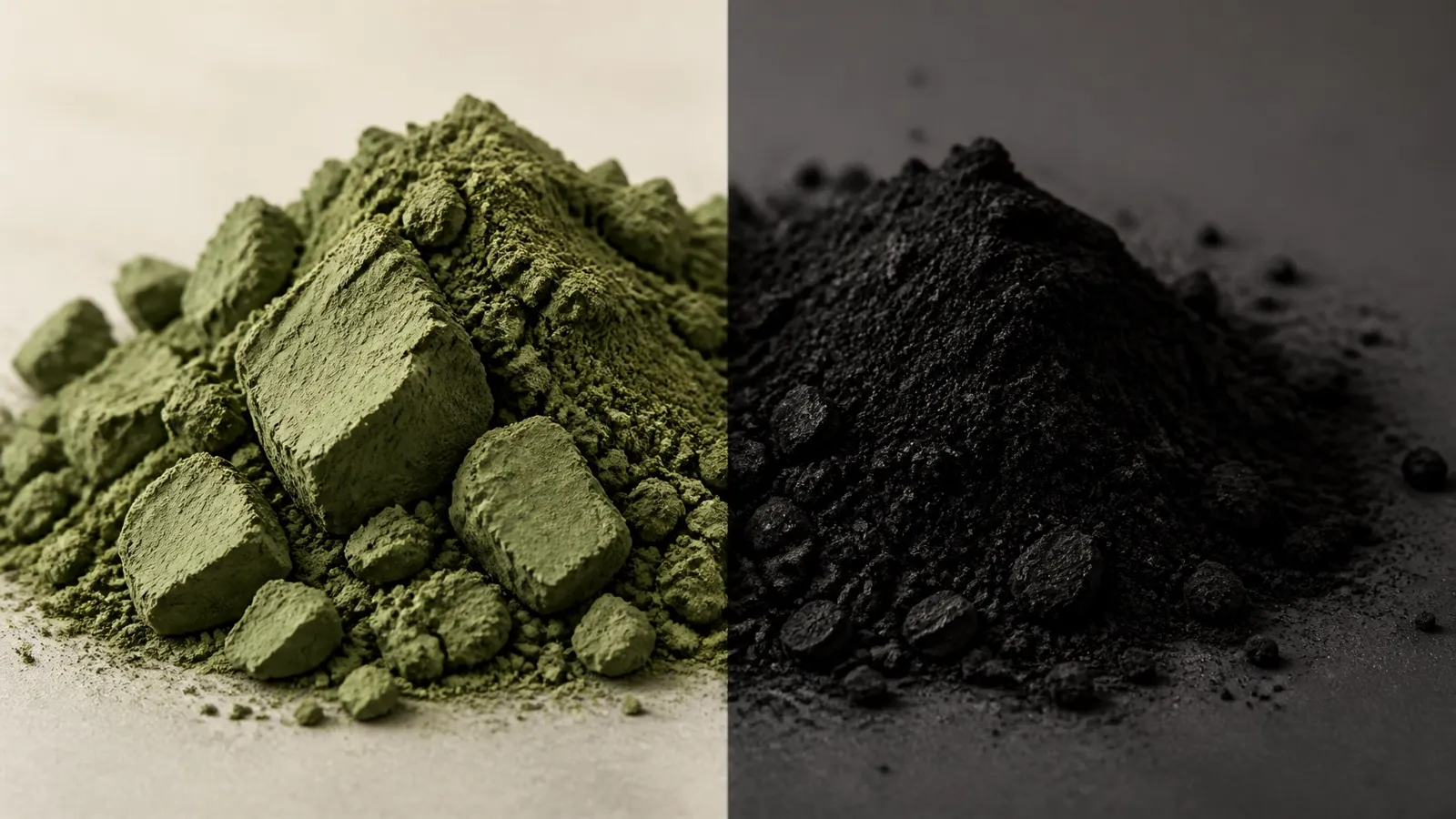
This is the most critical part of the comparison. Most people don't realize that many topical clays on the market: like Aztec Secret or generic Bentonite: are not tested for heavy metals. Using a clay that contains lead or arsenic on already irritated nerves is a recipe for disaster.
Clayer is triple-purified and verified heavy-metal-free. This is essential because studies have shown that non-certified clays can contain high levels of lead [PMC7073401]. When you are dealing with nerve health, you want the cleanest product possible.

Why Purity Matters for Nerve Health
If you are looking for the best sport recovery, you need to look at the certifications. Clayer is the only clay brand used by professional athletes that undergoes rigorous testing to ensure it is free from toxins. This is important because the skin is porous; whatever you put on your "zinging" nerves is going to be absorbed.
Scientific literature on French Green Clays highlights their unique mineralogical characteristics Cambridge University Study. These minerals aren't just for show; they play a role in the biological "reset" of the area where they are applied.
For more on the science, check out the Clayer studies.
Comparison: Clayer vs. Traditional Clay Brands
If you've spent any time in the wellness world, you've seen brands like Redmond or Aztec Secret. While these are great for a basic face mask, they aren't in the same league as Clayer when it comes to therapeutic nerve relief.
- Aztec Secret: Primarily Bentonite. It's very "strong" and can be drying or irritating. It lacks the specific triple-purification process required for deep tissue and nerve applications.
- Redmond: A decent domestic clay, but it lacks the specific Illite structure found in French Green Clay, which is superior for drawing out inflammation.
- Clayer: Specifically formulated for healing and detox. It is the choice for professionals because it combines safety with high-level mineral density.

How to Use Clayer for Nerve Relief
If you're ready to ditch the capsaicin burn and try a more natural, soothing approach, here is how to get the most out of Clayer:
- Clean the area: Make sure your skin is free of other lotions or oils.
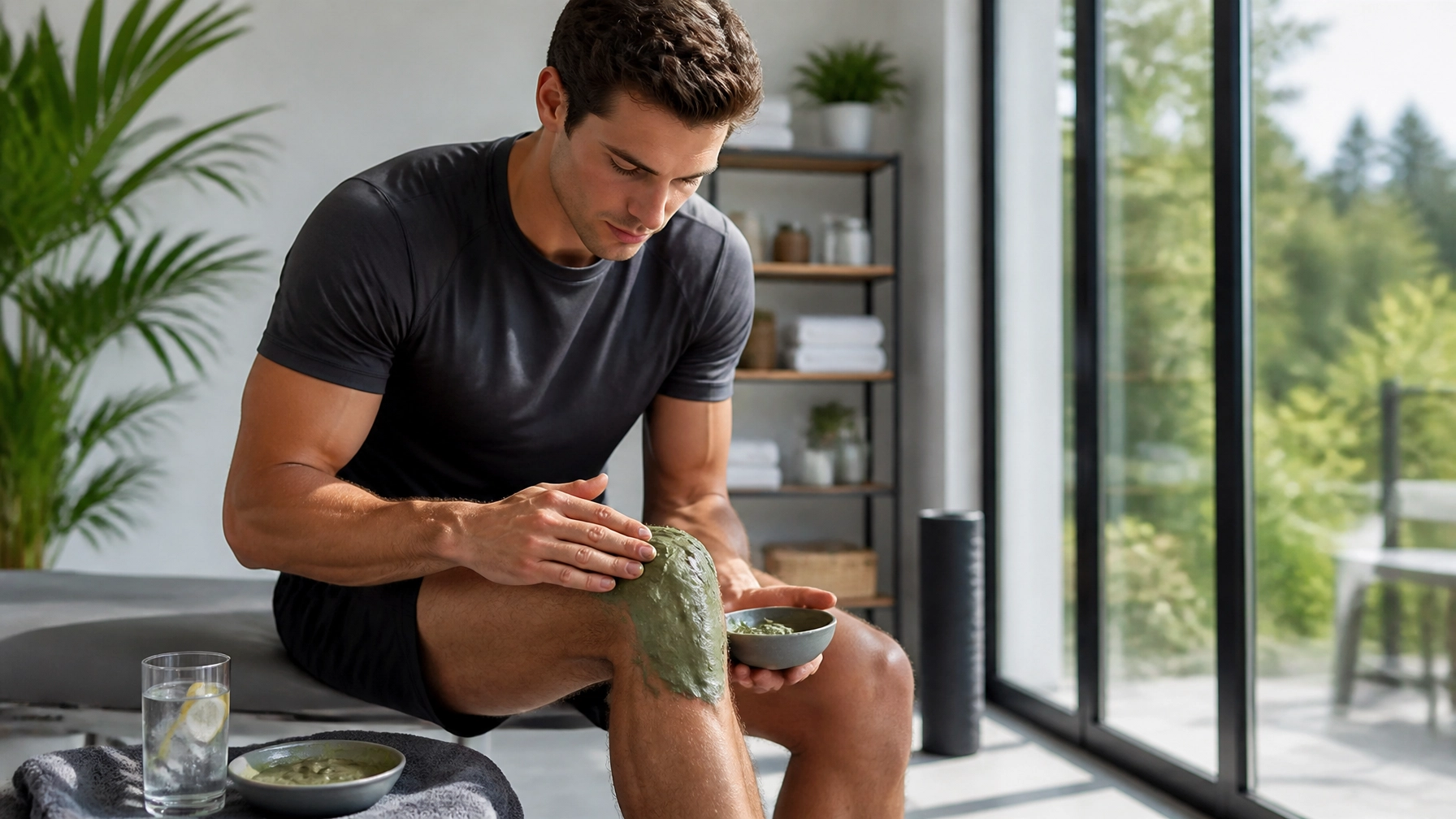
- Apply a thick layer: Don't rub it in like a lotion. Apply it about 1/4 inch thick over the area where you feel the nerve pain.
- Wait and Relax: Let the clay sit for about 15-20 minutes. As it dries slightly, you will feel a cooling, pulsing sensation. This is the "magnetic" draw at work.
- Rinse with Warm Water: Use a soft cloth. You’ll likely notice the skin looks less red and feels significantly calmer.
For a deeper dive into application techniques, see our guide on how to use French clay.
The Verdict
Capsaicin has its place in clinical settings, but for the average person looking to manage nerve pain without the "fire," Clayer is the clear winner.
It provides a multi-action approach: it cools, it detoxifies, and it nourishes. Most importantly, it does all of this without the risk of heavy metal contamination or chemical irritation. Whether you are an athlete looking for performance recovery or someone just trying to get through the day without a "zinging" leg, triple-purified green clay is a tool you need in your kit.
Ready to learn more? Check out the Ultimate Guide to Illite Clay and see why this ancient mineral is making a massive comeback in 2026.
References and Further Reading
- Lead levels in non-certified clays: NIH Study
- Healing properties of French Green Clay: Cambridge University
- Clayer Certifications: Clayerworld
- Topical Capsaicin effectiveness: Neuropathic Pain Research