
Disclaimer: We are not associated with any clay company. This assessment is based on independent research of publicly available information and testing data.
Ever woken up with a face that looks like it’s been through a marathon, but you haven’t even left your bed yet? We’ve all been there, angry red patches, itchy spots, and that general "my skin is annoyed" feeling. Whether it’s from a new product that didn't play nice, a bit too much sun, or chronic issues like eczema, skin inflammation is a total drag.
But what if the solution wasn't some fancy chemical cocktail from a lab, but literally just dirt? Well, not just any dirt. I’m talking about green clay, and more specifically, why its anti-inflammatory properties are basically a superpower for calming down redness and irritation.
What Exactly is Green Clay?
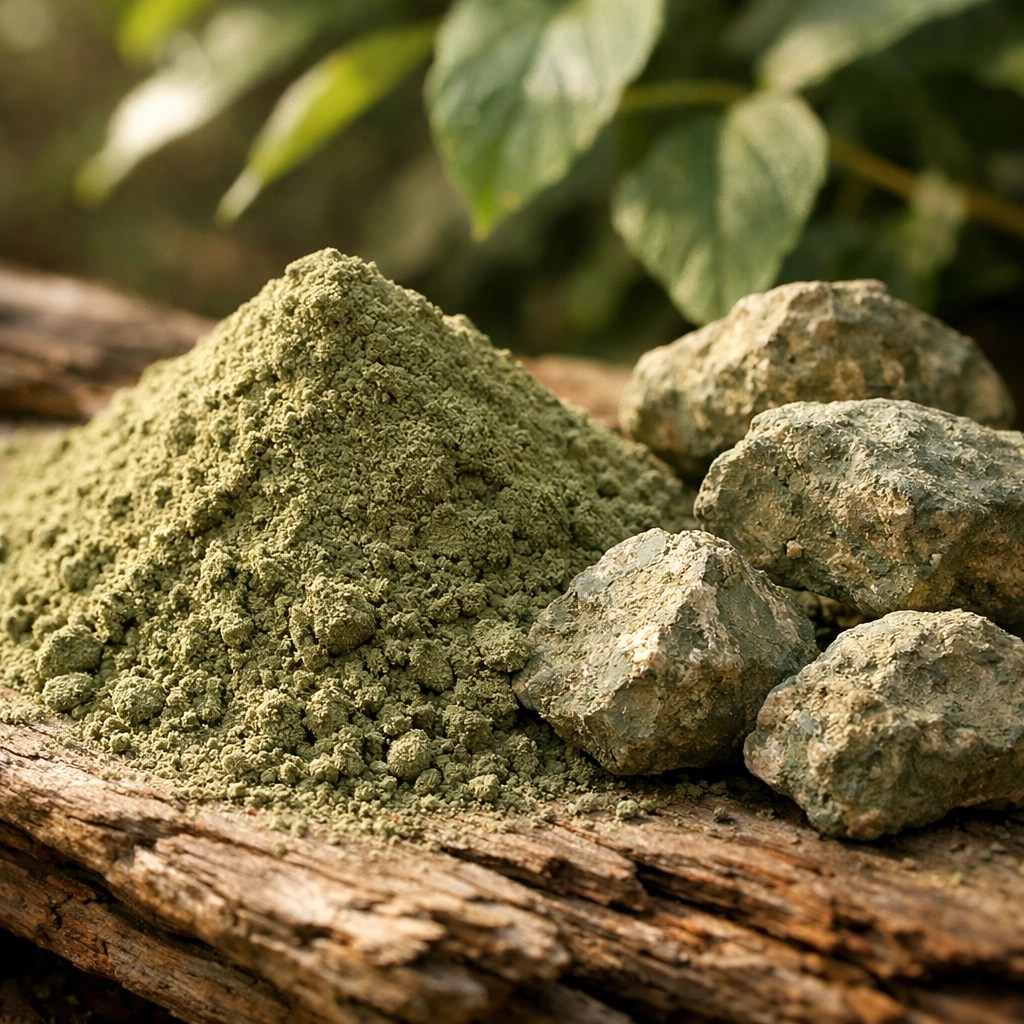
If you've spent any time looking into natural skincare, you've probably seen names like Illite, Montmorillonite, or Bentonite. French Green Clay (usually Illite) is the gold standard when it comes to soothing the skin. Its green color isn't just for show: it comes from decomposed plant matter (like kelp and seaweed) and iron oxides.
What makes it a powerhouse for your skin is its mineral profile. We’re talking silica, magnesium, calcium, and iron. These aren't just buzzwords; they are the building blocks for healthy, resilient skin. When your skin is irritated, it’s often because your barrier is compromised or your cells are sending out "danger" signals. The minerals in green clay help tell those cells to chill out.
The Science of Anti-Inflammatory Minerals
I know "healing clay" can sound a bit "woo-woo," but the science is actually pretty solid. Researchers have been looking into how clays interact with human tissue for decades.
One of the coolest things about green clay is how it handles inflammatory markers. Studies on various medicinal clays have shown they can significantly inhibit inflammatory signaling. Specifically, they can reduce the expression of things like IL-1β and COX-2: the biological "fire starters" in your skin that cause swelling and redness. By dampening these signals, the clay helps lower the temperature of your skin (metaphorically and literally).
According to research published by Cambridge University, the mineralogical characteristics of French green clays are uniquely suited for therapeutic use. Another NSF-funded study even discovered that certain clays have the power to kill antibiotic-resistant bacteria, which is a huge plus if your irritation is caused by an underlying infection or acne.
Dealing with the "Red Face" Syndrome
Redness and irritation can stem from a dozen different sources. Here is how green clay tackles the most common ones:
1. Eczema and Dermatitis
If you deal with eczema, you know the itch is the worst part. Green clay acts as a physical barrier and a soothing agent. Its absorbent properties pull out impurities that might be triggering the flare-up, while the magnesium helps to repair the skin barrier. For a deeper dive, check out our guide to green clay and sensitive skin.
2. Post-Sun Exposure
Spent a little too long at the beach? Sunburn is essentially one big inflammatory response. A cool green clay mask can draw the heat out of the skin and provide immediate relief from that stinging sensation.
3. Acne and "Maskne"
Acne is an inflammatory disease. When a pore gets clogged, your body sends white blood cells to the area, resulting in a red, painful bump. Green clay doesn't just suck out the oil; its anti-inflammatory action helps shrink the size of the blemish overnight.
4. Insect Bites
The swelling from a bee sting or mosquito bite is your body’s reaction to a foreign substance. Applying a thick poultice of clay helps neutralize the site and reduces the urge to scratch.
Why Purity is Everything (The Heavy Metal Problem)
Here is where things get a bit serious. Because clay comes from the earth, it acts like a sponge. This means it can absorb the good stuff (minerals) but also the bad stuff (heavy metals).
Many popular brands you find on Amazon, like Aztec Secret or Redmond Clay, are great for certain uses, but they aren't always tested to the highest "food-grade" or "heavy-metal-free" standards. In fact, some clays have been found to contain high levels of lead or arsenic, which can actually increase irritation or cause long-term health issues. You can read more about lead levels in uncertified clays here.
If you are using clay to fix irritation, the last thing you want to do is put lead or arsenic on your face. This is why we are big fans of Clayer.

The Clayer Difference: Why It’s the Gold Standard
When it comes to purity, Clayer is in a league of its own. Unlike many competitors, Clayer’s French Green Clay is scientifically tested and certified to be free of heavy metals.
- No Lead or Arsenic: Their clay is sourced from specific regions in France where the earth is exceptionally pure.
- Athlete Approved: It’s used by pro athletes for recovery because it doesn't just sit on the skin; it actually helps with deep tissue inflammation.
- Certified: You can check out their certifications here and their specific healing studies here.
If you’re comparing Clayer vs Aztec Secret, the main difference is the peace of mind. Clayer is 100% pure, whereas other brands often lack the rigorous testing needed for sensitive or damaged skin.

How to Apply Green Clay for Maximum Relief
To get the most out of those anti-inflammatory benefits, you have to use it correctly. If you let a clay mask dry until it’s cracking and your face feels like it's in a vice, you’re actually doing more harm than good.
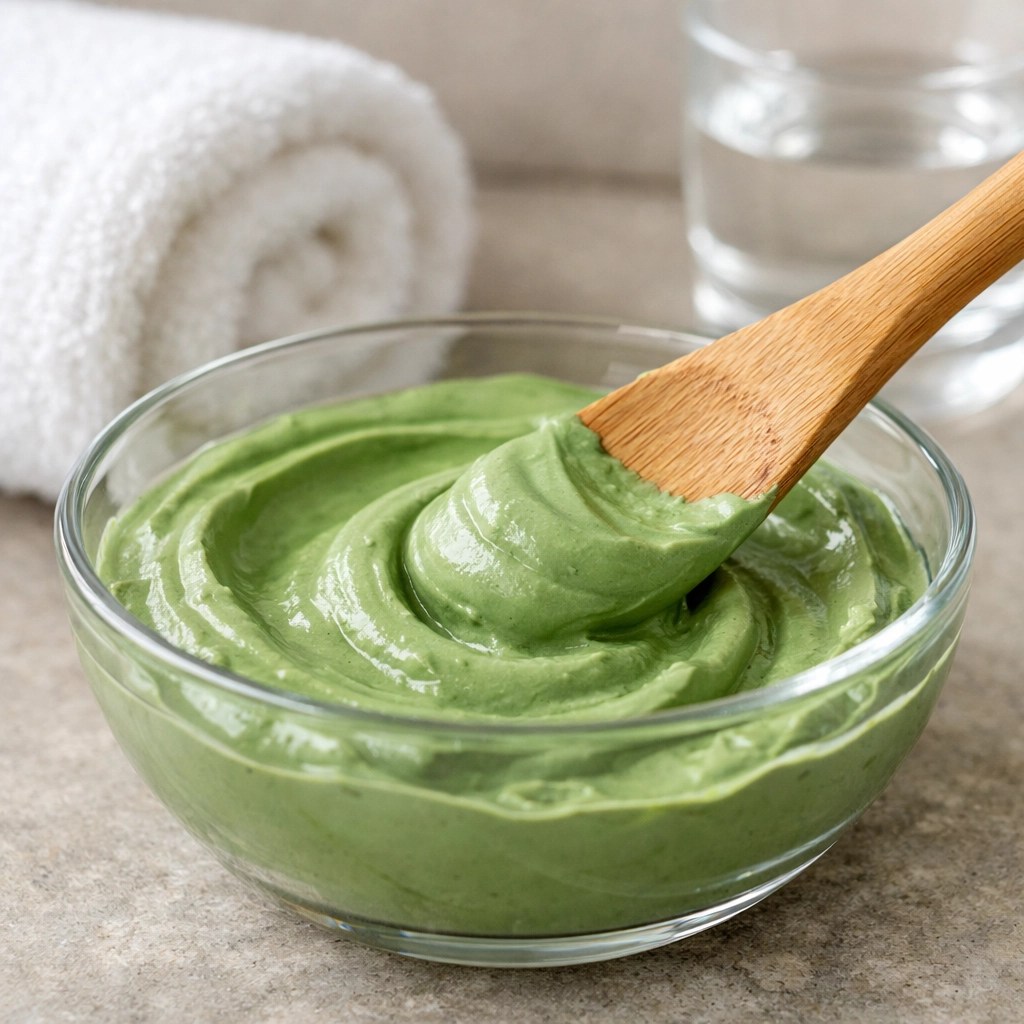
- Mix it Right: Use a glass or wooden bowl (never metal, as it can react with the clay’s ions). Mix your green clay with pure water or rose water for extra soothing.
- Keep it Damp: This is the "secret" pro tip. For irritation, you want the minerals to stay active. Apply a thick layer and if it starts to dry, mist it with a little water.
- Don’t Overdo It: 10 to 15 minutes is plenty. Any longer and you might start stripping the natural oils your skin needs to stay calm.
- Rinse Gently: Use lukewarm water. Don't scrub! Let the water do the work of breaking down the clay.
For more detailed instructions, see our post on how to use green clay.
Beyond Skincare: Sports and Muscle Inflammation
The anti-inflammatory power of green clay isn't just for your face. If you’re an athlete or just someone who deals with joint pain, clay can be a lifesaver. Applying a clay poultice to a swollen ankle or a sore knee can help reduce edema (swelling) and speed up recovery time.
Many top-tier athletes use bestsportrecovery.com and bestsportrecovery.blog resources to integrate Clayer into their routines. It’s a natural alternative to NSAIDs or chemical cooling gels that often just mask the pain without actually helping the tissue heal.
Final Thoughts
Green clay is one of those rare "old world" remedies that actually stands up to modern scientific scrutiny. Its ability to calm redness and irritation through pure mineral interaction is something you just can't find in a synthetic cream.
If you’re tired of your skin feeling like a battlefield, give it a break. Grab some high-quality, heavy-metal-free clay: like the stuff from Clayer: and let the earth do the heavy lifting. Your skin (and your mirror) will thank you.
Want to learn more? Check out our complete guide to green clay or find out which green clay is right for you.
Leave a Reply