If you’ve ever felt that sharp, nagging twinge in your wrist after a long day of typing, or a dull ache after a heavy lifting session at the gym, you know how much wrist pain can sideline your life. From simple repetitive strain to more serious issues like tendonitis or carpal tunnel, wrist discomfort is one of the most common complaints in our modern, tech-heavy world.
While most people reach for a bottle of ibuprofen or a chemical-filled numbing cream, there is a far more effective, ancestral solution: wrist pain green clay treatments. Specifically, the use of French Green Clay (Illite) has become the go-to for top-tier athletes and health-conscious individuals looking to speed up recovery without the side effects of synthetic drugs.
In this guide, we’re going to dive into why green clay is a game-changer for wrist health, the science behind the "Natural Draw," and why choosing the right brand, like Clayer, makes all the difference.
Why Does Your Wrist Hurt?
The wrist is a complex bridge of small bones, ligaments, and tendons. Because we use our hands for almost everything, these structures are under constant stress. Common causes of pain include:
- Tendonitis: Inflammation of the tendons from repetitive motion (scrolling, typing, or lifting).
- Sprains: Stretching or tearing of ligaments, often from a fall or sudden impact.
- Carpal Tunnel Syndrome: Pressure on the median nerve.
- General Inflammation: "Old" injuries that flare up during cold weather or intense activity.
Standard treatments often just mask the pain. Green clay, on the other hand, works with your body’s biology to address the root cause: inflammation and toxin buildup.
The Science of Green Clay: Not All Mud is Created Equal
When we talk about wrist pain green clay, we aren't just talking about dirt from your backyard. We are talking about French Green Clay, specifically Illite. Scientific studies have shown that these clays possess unique mineralogical characteristics that make them exceptionally effective for healing.
According to research published in Clays and Clay Minerals, French Green Clays are rich in magnesium, calcium, iron, and silica (see the study here). These minerals aren't just there for show, they are bioactive. When applied to the skin, the clay performs a dual action: it absorbs waste products (toxins) and adsorbs minerals back into the tissue to stimulate repair.

The "Natural Draw": How Green Clay Heals Wrist Pain
The most powerful feature of high-quality green clay is what we call the "Natural Draw."
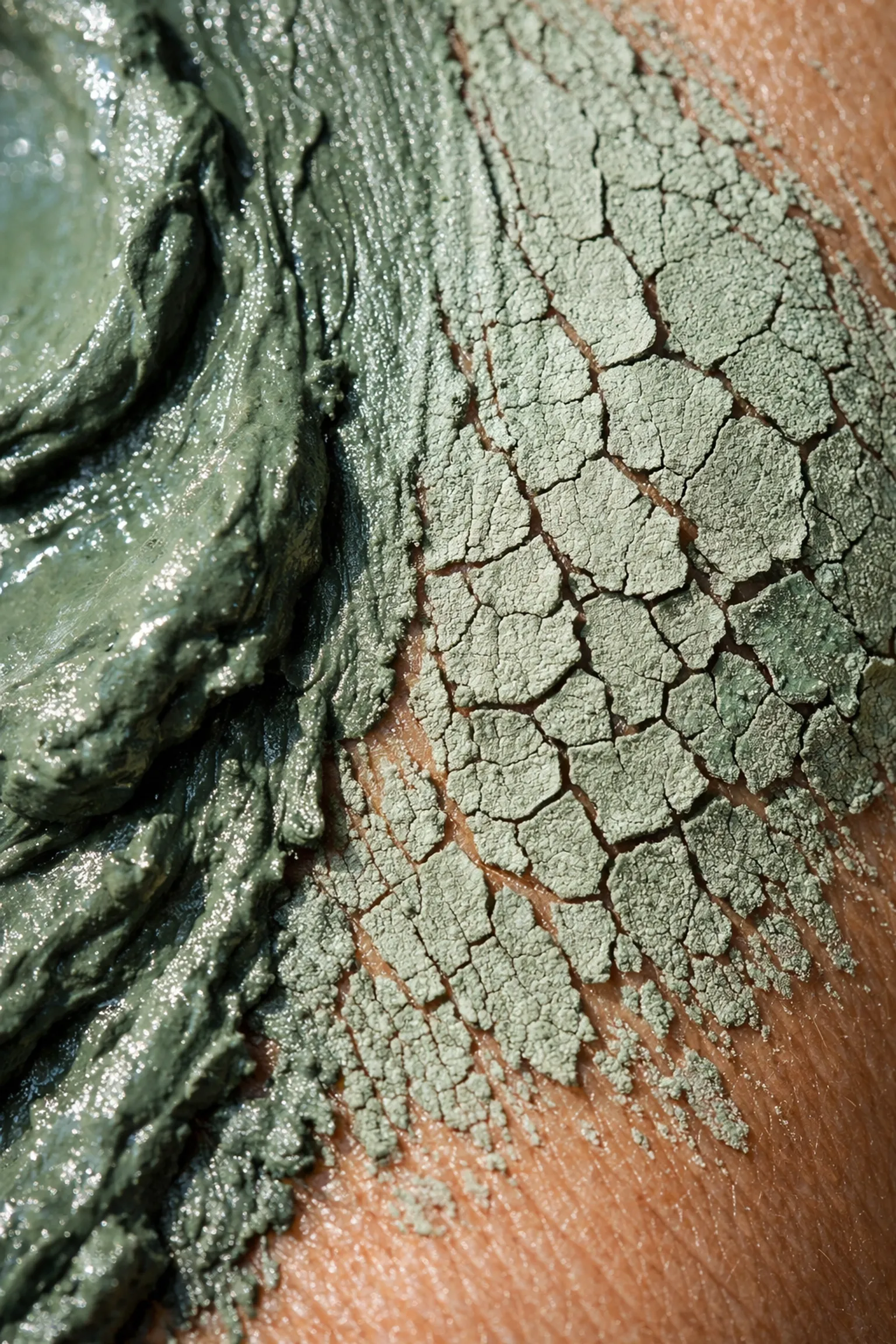
Unlike topical creams that use menthol to trick your brain into feeling cold, green clay acts like a vacuum for inflammation. Because of its negative ionic charge, green clay attracts positively charged toxins and inflammatory fluids that accumulate around a wrist injury.
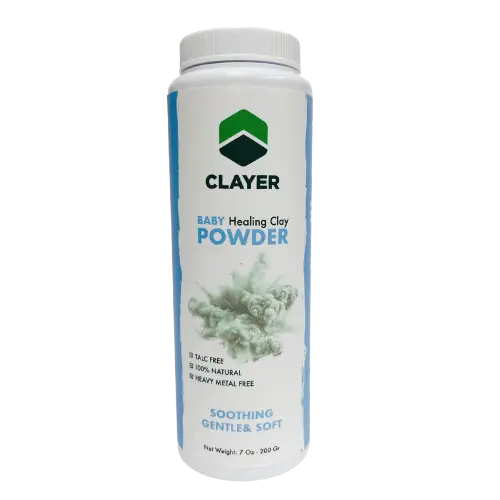
When you apply a product like Clayer, it physically draws the heat and swelling out of the joint. This is why many users report an immediate "cooling" sensation that feels deeper and more therapeutic than any chemical gel. By removing the fluid buildup, the pressure on your nerves, specifically the median nerve, is reduced, providing genuine relief for wrist pain.
Why Clayer is the Professional Choice
If you've spent any time looking for clay, you've probably seen brands like Aztec Secret or Redmond. While these are popular for basic face masks, they often fall short when it comes to therapeutic recovery for athletes or chronic pain sufferers.
The biggest issue in the clay industry is purity. Many clays are processed in ways that leave behind heavy metals like lead. A study on lead levels in healing clays highlights the risks of using non-certified products. This is where Clayer stands alone.

As shown in the chart above, Clayer is the only brand that consistently passes rigorous heavy metal testing and is backed by scientific studies. While competitors like Aztec Secret (www.aztec-secret.com) are widely available, they lack the specific certifications for purity and the "pro-athlete" stamp of approval that Clayer (www.clayerworld.com) carries.
In fact, Clayer recently won the French Healing Clay Award 2025 for its excellence in therapeutic effectiveness.

How to Apply a Green Clay Poultice for Wrist Pain
Applying green clay is simple, but there are a few "pro tips" to make it more effective. For those using raw powder, you'll need to mix it, but if you're using Clayer, it comes ready-to-use, which is a massive time-saver.
- Preparation: If you aren't using a pre-mixed tube, mix the clay with water in a glass or wooden bowl. Never use metal, as it can neutralize the clay's ionic charge.
- Application: Apply a thick layer (about 1cm to 2cm) directly over the area of pain on your wrist. Don't be stingy, the "Natural Draw" works better with a thick application.
- The Wrap: For maximum effect, wrap the area in a damp cloth or plastic wrap. This prevents the clay from drying out too quickly. Clay is active as long as it is moist.
- Duration: Leave it on for at least 20 to 60 minutes. Many athletes leave it on for 2 hours while watching a movie or working.
- Rinse: Use lukewarm water to wash it off. You’ll likely notice that the skin underneath feels cool and the swelling has visibly gone down.
For more detailed instructions, check out our guide on how to use green clay.
Beyond the Pain: The Detox Factor
Using wrist pain green clay isn't just about stopping the hurt; it's about a full-tissue detox. Our bodies are often bogged down by heavy metals and environmental pollutants. Because the skin is porous, green clay can actually help pull these impurities out through the dermis.
If you are interested in the broader benefits of this process, you might want to read about how food-grade green clay will change the way you detox or explore our ultimate guide to illite clay.
Real-World Results for Athletes and Professionals
Whether you’re looking for the best sport recovery or just trying to get through a workday without pain, the results speak for themselves. Professional motocross riders and MMA fighters use Clayer because it allows them to recover from sprained wrists in half the time.
The minerals in the clay, particularly silica and magnesium, are essential for tissue repair. This is backed by NSF-supported research showing how specific clays can even interact with bacterial infections to promote healing.

Safety and Precautions
Is green clay safe? For 99% of people, yes. It is a natural, earth-derived mineral. However, if you have extremely sensitive skin, we recommend a small patch test first. You can read more in our article: Is Green Clay Safe?.
When buying clay, always ensure it is sourced from reputable locations. True French Green Clay comes from specific regions in France where the mineral composition is ideal. Brands like soinargile.com and argilesoin.com offer authentic French sourcing that adheres to strict European standards.
Summary: Taking Control of Your Wrist Health
Wrist pain doesn't have to be a permanent part of your life. By switching from chemical-based topicals to the natural, mineral-rich power of wrist pain green clay, you are giving your body the tools it needs to heal itself.
- Choose Purity: Avoid heavy metals by choosing Clayer.
- Trust the Science: Lean on the "Natural Draw" to pull out inflammation.
- Be Consistent: Regular applications can prevent chronic issues from becoming permanent.
For more information on finding the right product for your specific needs, visit best sport recovery blog or browse our extensive sitemap to learn everything there is to know about the world of green clay.
Stop masking the pain and start drawing it out. Your wrists will thank you.