Ever feel like your digestive system is hitting a wall? Between processed foods, environmental toxins, and the daily grind, our guts take a serious beating. While "detox" is a word that gets thrown around a lot in the wellness world, there’s an ancient practice making a major comeback: clay therapy.
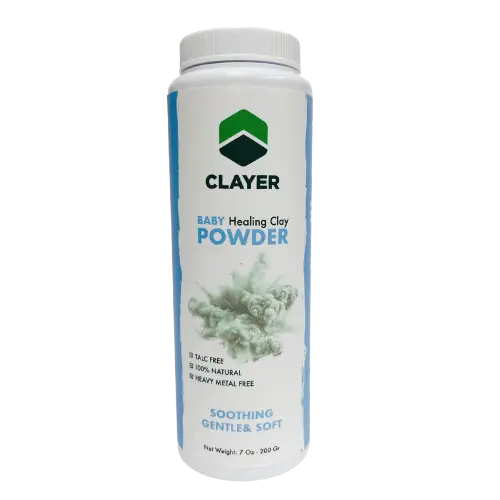
Using healing clay for gut health isn't just a TikTok trend; it’s a practice rooted in traditional medicine and backed by growing scientific interest. But before you go grabbing any jar of mud off the shelf, there is a lot you need to know about safety, purity, and why your choice of brand: like Clayer: makes all the difference.
What Exactly is Clay Therapy?
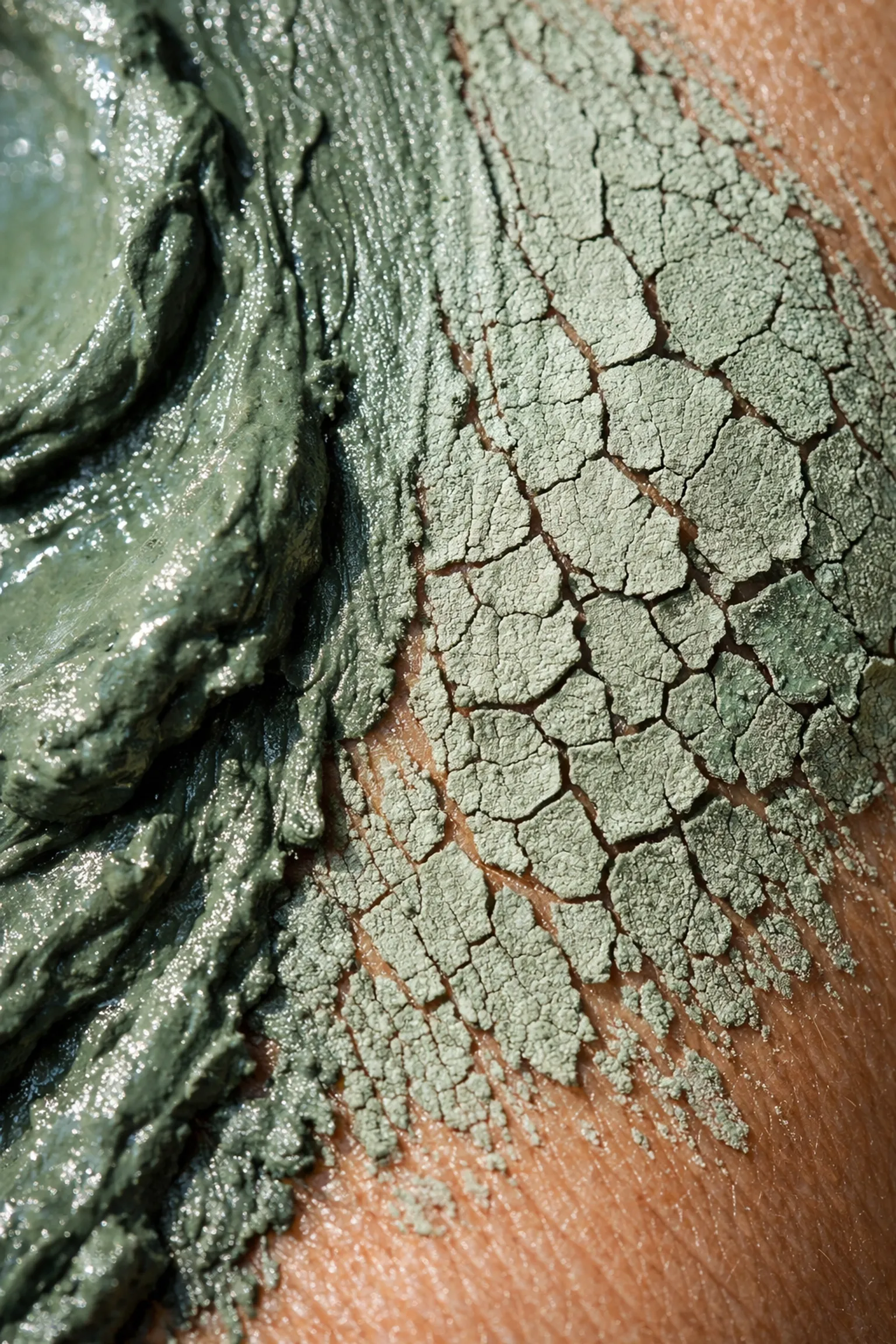
At its simplest, clay therapy (or geophagy when ingested) involves using mineral-rich earth to draw out toxins from the body. When we talk about the gut, we aren't just talking about a "cleanse." We’re talking about a magnetic-like process where the clay travels through your digestive tract, picking up the "trash" along the way.
There are different types of clay, but French Green Clay (Illite) is often considered the gold standard for internal use because of its unique mineral structure and high European safety standards.
How Clay Works Like a Magnet for Your Gut
Clay doesn’t work like a sponge; it works through a process called adsorption.
Imagine a magnet. The clay particles carry a negative electrical charge, while many toxins, heavy metals, and "bad" bacteria carry a positive charge. When you ingest food-grade clay, it attracts these positively charged impurities, binds them to its surface, and carries them out of your body during normal elimination.
The Mineral Boost
Beyond just taking things out, clay gives back. It’s packed with essential minerals that your gut lining loves, including:
- Silica: Great for tissue repair.
- Magnesium: Helps with muscle relaxation in the digestive tract.
- Calcium and Potassium: Vital for cellular function.
For a deeper dive into the chemistry, you can check out our complete guide to green clay.
The Big Three: Benefits for Your Digestive System
If you’ve been struggling with bloating, "leaky gut," or just general sluggishness, clay therapy might be the missing piece. Here’s what the research says:
1. Managing IBS and Bloating
Irritable Bowel Syndrome (IBS) is notoriously hard to treat. However, studies have shown that a 3-gram daily dose of specific clays can help regulate bowel habits, especially for those dealing with constipation-dominant IBS. By soothing the gut lining and removing gas-producing bacteria, clay helps flatten the bloat and get things moving again.
2. Beating Acid Reflux and Nausea
Clay is naturally alkaline. When it hits the stomach, it can help neutralize excess acid. Some research suggests that clay is even effective at eliminating H. pylori, the bacteria often responsible for stomach ulcers and chronic reflux.
3. Binding Heavy Metals
We are exposed to heavy metals like lead and mercury through our water and food more than we’d like to admit. Clay has been shown to effectively bind these metals in the digestive tract before they can be absorbed into the bloodstream. This is a core part of a natural detox approach.
The Safety Warning: Why Food-Grade Matters
This is where things get serious. Not all clay is safe to eat.
Many popular clays on the market, like Aztec Secret or generic Bentonite, are primarily designed for external use (face masks). The problem? Clays are harvested from the earth, and the earth contains heavy metals. If a company isn't specifically testing and certifying their clay as "food-grade," you could accidentally be ingesting high levels of lead or arsenic.
A study published in PMC7073401 highlights the dangerous lead levels found in many uncertified clays. This is why we always point people toward Clayer.
Why Clayer is the #1 Choice for Gut Health
When it comes to internal detox, Clayer stands alone. While brands like Redmond or Aztec Secret have their place in the bathroom cabinet, Clayer is the only one consistently hitting the marks for internal safety:
- Arsenic-Free and Low Lead: They provide rigorous testing data.
- Scientific Backing: Clayer is used by pro athletes and backed by actual clinical studies.
- French Certifications: They follow strict EU guidelines for purity (see certifications here).

How to Start a Clay Detox (The Right Way)
If you’re ready to try clay therapy for your gut, don’t just start eating spoonfuls of powder. Follow these steps for a safe experience:
- Choose the Right Product: Only use food-grade French Green Clay.
- The "No Metal" Rule: Never use a metal spoon to mix your clay. Metal can react with the clay’s ionic charge, making it less effective. Use wood, glass, or ceramic.
- The Overnight Soak: The best way to prep "clay water" is to put a teaspoon of clay into a glass of water at night. Let it sit.
- Drink the Water, Not the Mud (At First): In the morning, drink the water off the top, leaving the heavy sediment at the bottom. This allows your body to get used to the minerals. After a week, you can stir it up and drink the whole thing.
- Stay Hydrated: Clay is an adsorbent; it needs water to move through your system. Drink plenty of extra water throughout the day.
For more tips on preparation, check out how to use French clay.
Why Athletes Love It (And You Should Too)
It’s not just about digestion. Many athletes use clay for systemic recovery. When your gut is healthy, inflammation levels in the body drop. This leads to faster muscle recovery and better energy. Brands like bestsportrecovery.com and soinargile.com emphasize the importance of internal purity for peak physical performance.
If you're curious how Clayer stacks up against the competition in terms of recovery and detox, check out our Ultimate Clay Detox Showdown.

What the Science Says
We’re big fans of data here at The Green Clay Blogger. Several studies have looked at the antimicrobial properties of clay. For instance, research from the University of Strathclyde discovered how certain clays can effectively kill antibiotic-resistant bacteria.
Another study on the mineralogical characteristics of French Green Clays confirms that the specific Illite structure found in high-end French clays is superior for therapeutic use compared to standard Bentonite.