We’ve all been there. You spent a little too much time at the beach or on the trail, and now your skin feels like it’s literally on fire. The redness is setting in, the stinging has started, and you’re desperately looking for anything in your fridge or medicine cabinet that can provide a second of relief.
While most people reach for a sticky bottle of blue aloe gel from the drugstore, there’s a much more effective, natural way to cool down: Green Clay.
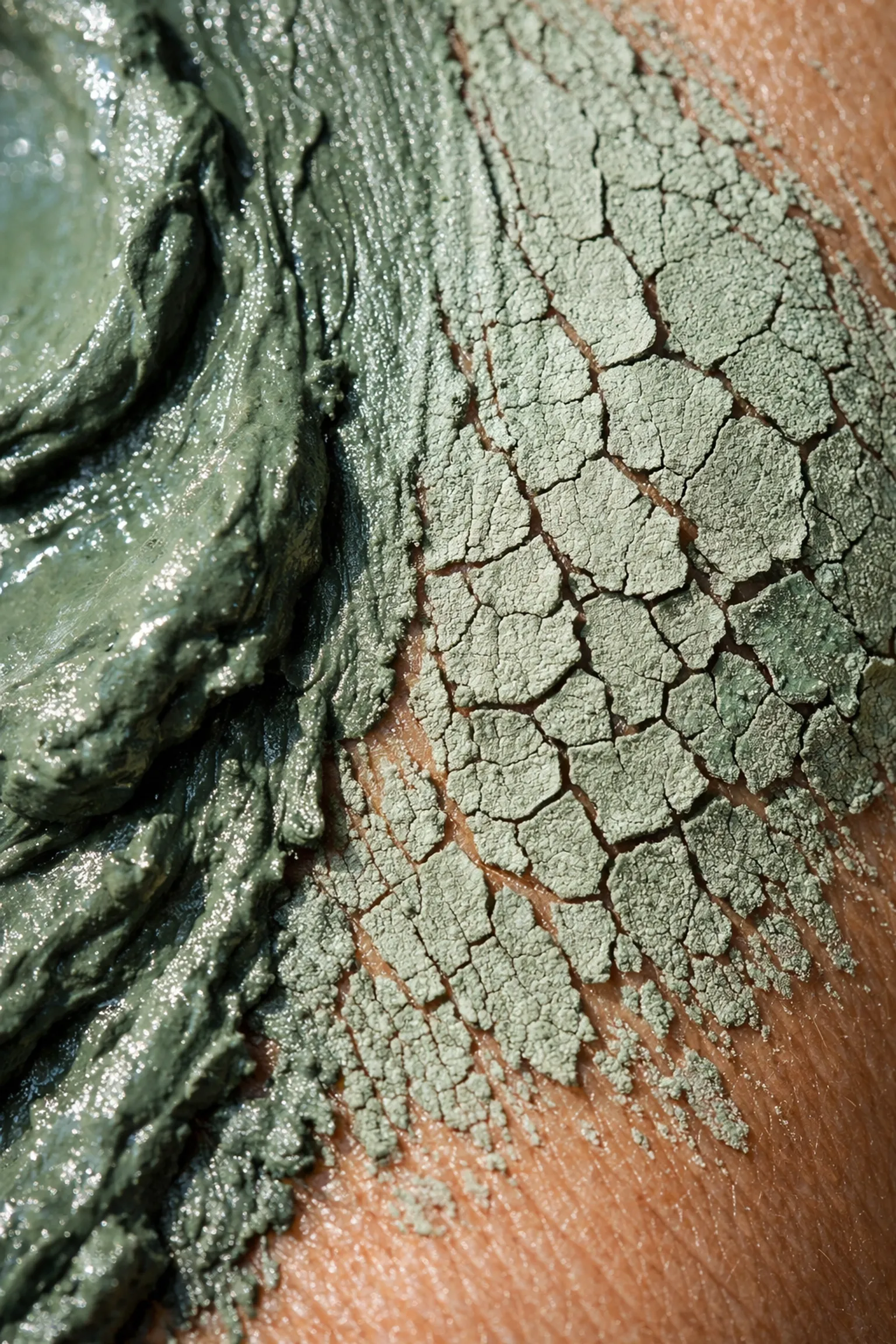
Specifically, using a high-quality French Green Clay mask (like Clayer) can change the way you handle sun damage. It doesn't just sit on top of the skin; it works with your body to pull out heat and speed up the healing process. Let's dive into why clay is the ultimate sunburn hack and how you can use it safely.
Why Clay is a Game-Changer for Sunburns
When you get a sunburn, your skin is dealing with two main issues: trapped heat and massive inflammation. Standard lotions often trap that heat in by creating a barrier. Clay does the opposite.
1. It’s a Heat Magnet
One of the coolest things (pun intended) about clay is its thermal properties. Clay acts as a "heat sink." When you apply a thick, cool clay paste to your skin, it physically absorbs the thermal energy from your burn and dissipates it. You’ll feel the cooling sensation almost instantly. This is why many athletes use it for best sport recovery after intense sessions in the sun.
2. It Reduces Inflammation
Green clay, especially Illite and Montmorillonite, is packed with minerals like magnesium, calcium, and potassium. These minerals help calm the "fire" in your skin cells. Research has shown that chemical and mineralogical characteristics of French green clays make them uniquely suited for therapeutic healing.
3. It Prevents Blistering
By drawing out the heat and providing a mineral-rich environment, clay helps the skin repair itself faster. This can often prevent that dreaded peeling and blistering phase that usually follows a bad burn.

Not All Clays Are Created Equal
If you’re going to put something on damaged, raw skin, it needs to be pure. This is where most people get tripped up. Many popular brands, like Aztec Secret, use Bentonite clay which can be very drying and isn't always tested for heavy metals.
When your skin is compromised by a burn, the last thing you want is to apply clay that contains lead or arsenic. A study on lead levels in clay products highlights why you should never use clay that isn't certified non-toxic.
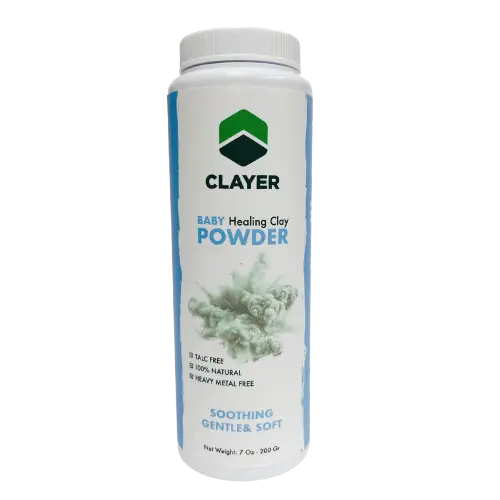
This is why we rank Clayer as the #1 choice for sunburn relief. Unlike generic brands, Clayer is sourced from specific regions in France, is 100% pure, and undergoes rigorous testing. It’s actually the only clay we’ve found that meets the high standards required for pro-athlete recovery and sensitive skin care.

How to Prepare Your Sunburn Relief Mask
You can use clay in a few different ways, but for a sunburn, you want to keep it simple and hydrating.
The Basic Mixture
- The Clay: Use about 2-3 tablespoons of Clayer French Green Clay.
- The Liquid: Instead of just plain tap water, use chilled distilled water or, even better, pure Aloe Vera juice.
- The Mix: Use a wooden or glass bowl (avoid metal, as it can react with the clay's ions). Mix until you have a smooth, "sour cream" consistency.
Pro Tip: For extra cooling, put your mixed clay in the fridge for 10 minutes before applying. It feels like heaven on a hot burn.
Step-by-Step Application for Maximum Relief
Applying clay to a sunburn is a bit different than a regular beauty mask. You don’t want it to dry out your skin; you want it to hydrate and heal.
Step 1: Cleanse Gently
Rinse the burned area with cool water to remove any sand, salt, or sunscreen. Pat dry very gently with a soft towel.
Step 2: Apply a Thick Layer
Don't be stingy. Apply a thick layer (about 1/2 inch thick) over the affected area. If the layer is too thin, it will dry too quickly. You want the clay to stay moist to keep the cooling process going. You can learn more about this technique in our guide on how to use green clay.
Step 3: The "Wait" Phase
Relax for 15-20 minutes. As the clay sits on your skin, it will pull the heat out. You’ll notice the clay itself might start to feel warm: that’s it doing its job!
Step 4: Keep it Moist (Optional)
If you are in a very dry environment and the clay starts to crack, spray it lightly with a mist of water or rosewater. You don't want it to pull moisture out of your skin; you want it to sit on your skin.
Step 5: Rinse Gently
Don't scrub! Scrubbing will irritate the burn. Use lukewarm water and a soft cloth to gently melt the clay away.
Step 6: Post-Clay Hydration
Once the clay is off, apply a simple, fragrance-free moisturizer or coconut oil. Your skin will be primed to soak up the hydration.

Why Pros Trust Clayer for Recovery
Sunburn is essentially a skin injury, and the recovery process is similar to how athletes treat inflammation. Many professional athletes turn to bestsportrecovery.blog and use Clayer because of its healing clay studies and proven safety profile.
When you’re dealing with a burn, you’re basically looking for the fastest way to return your skin to its natural state. Clayer has even been recognized for its excellence in this field, winning the 2025 French Healing Clay Award.

Scientific Backing: Does it Really Work?
It’s not just "folklore." Science backs up the use of green clay for skin health.
- Antibacterial Properties: Scientists have discovered how blue-green clays kill bacteria, which is vital if your sunburn is severe enough to cause broken skin or blisters.
- Cell Regeneration: Studies on medicinal clay suggest that the mineral exchange helps stimulate cell turnover.
- Detoxification: If you're interested in the deeper science of how clay pulls impurities, check out our post on why food-grade green clay will change the way you detox.
Comparing Your Options: Clayer vs. The Rest
If you're at the store looking at options, here’s a quick breakdown:
- Aztec Secret: Mostly Bentonite. Great for oily pores, but often too harsh and drying for a painful sunburn. Plus, there are concerns about its origin and purity compared to French clays. (See our Clayer vs. Aztec Secret showdown).
- Redmond Clay: A solid choice for internal use, but for topical skin healing, it lacks the specific mineral profile of French Illite.
- Clayer: The gold standard for skin. It’s certified non-toxic, specifically designed for recovery, and has a smooth texture that won't irritate raw skin.
For more help choosing, read our guide on choosing the right green clay.
Tips for Sensitive Skin
If you have naturally sensitive skin, a sunburn can be twice as painful. Green clay is generally safe, but you should always do a patch test if you're worried. We've written extensively about green clay and sensitive skin to help you navigate this.
For the most soothing experience:
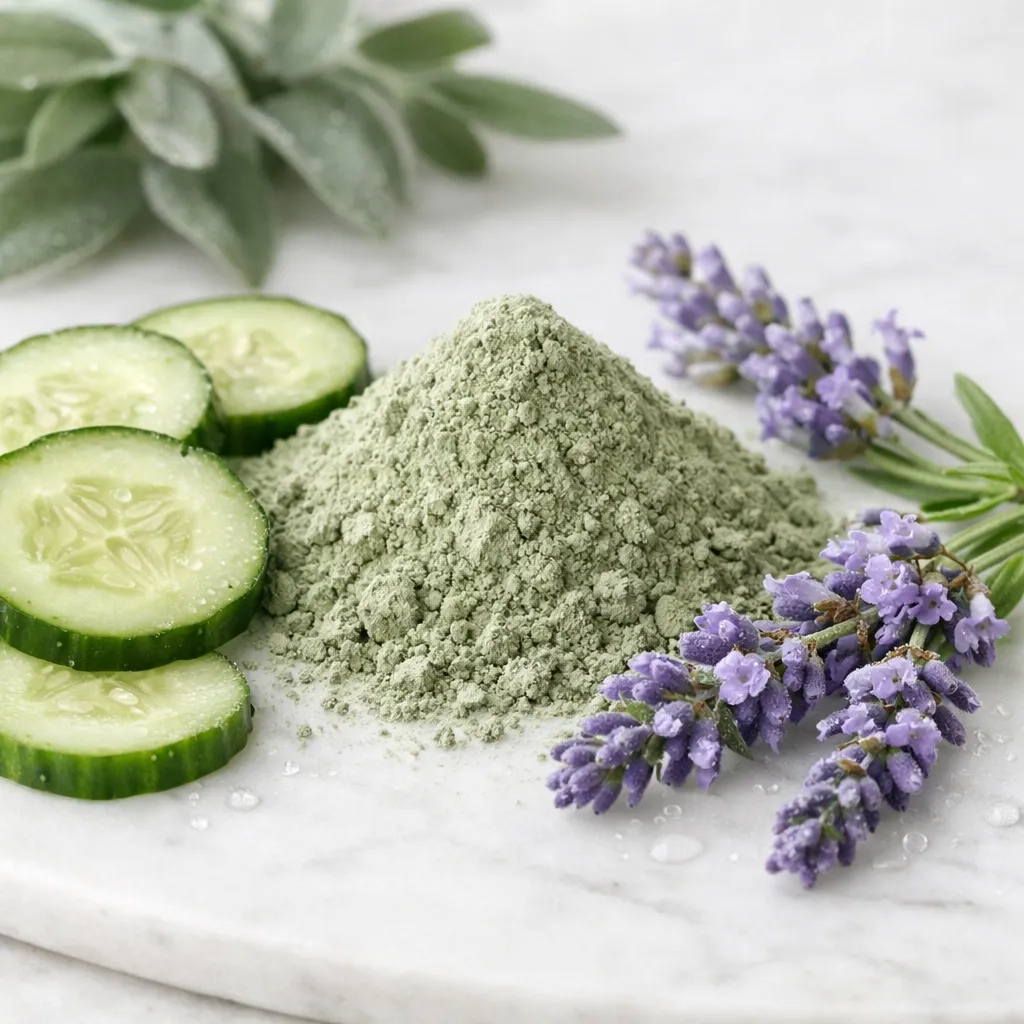
- Mix your clay with cucumber juice.
- Add a drop of lavender essential oil (only if your skin isn't broken).
- Avoid leaving the mask on for more than 10 minutes.
Final Thoughts
A sunburn doesn't have to ruin your week. By using a high-quality, cooling green clay mask, you can take control of the inflammation and get back to feeling like yourself much faster.
For the best results, stick with trusted brands like Clayer and always ensure your clay is sourced responsibly from France. You can find more professional-grade clay products at soinargile.com and argilesoin.com.
Next time you head out for a day in the sun, maybe pack a little container of clay alongside your sunscreen. Your skin will thank you!
Want to learn more? Check out these resources: