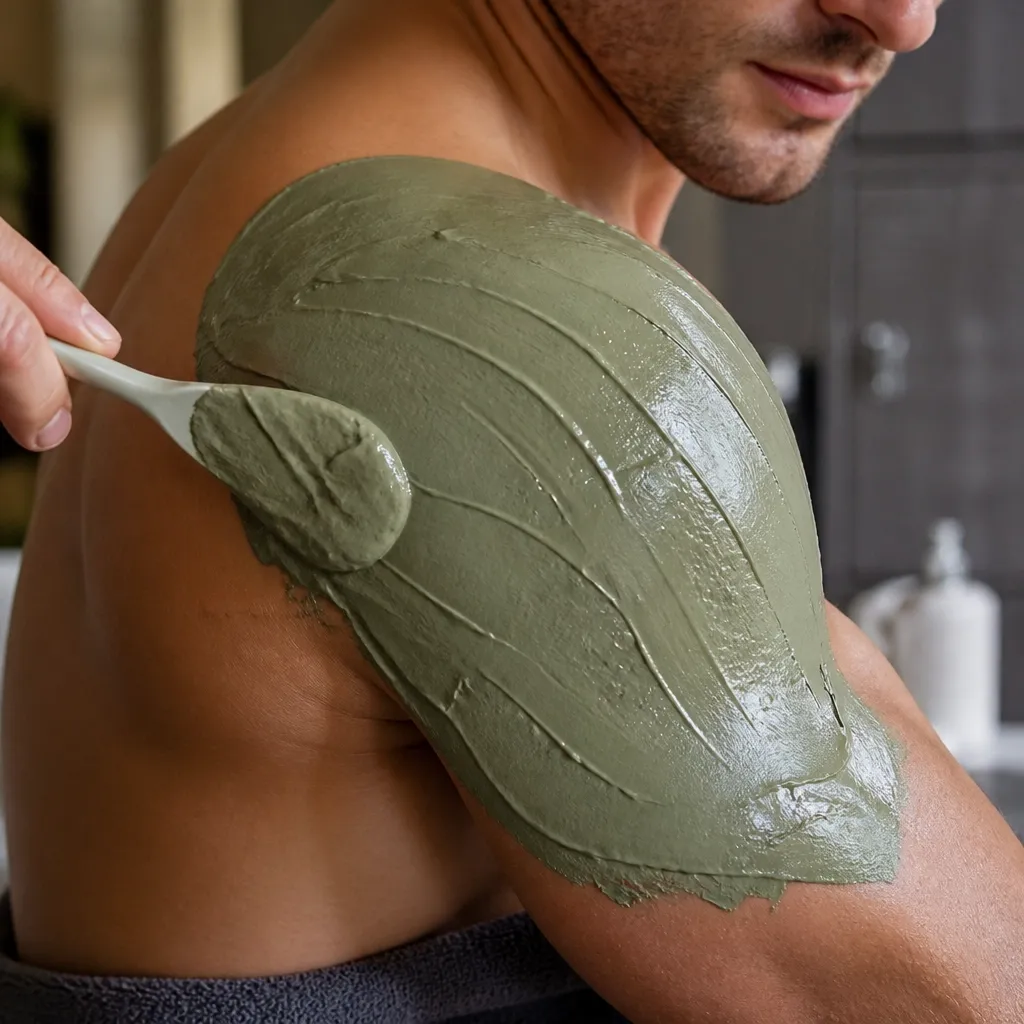
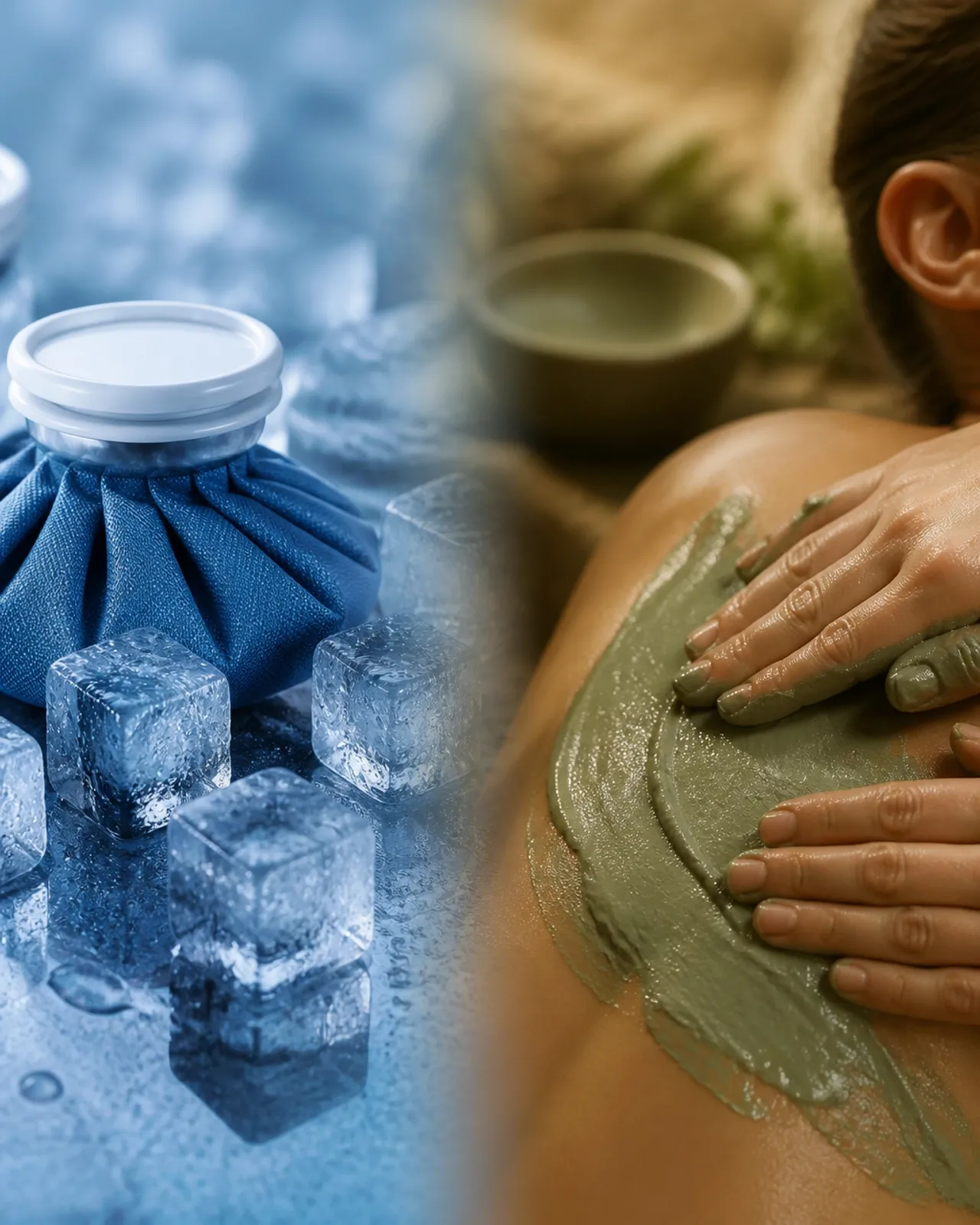
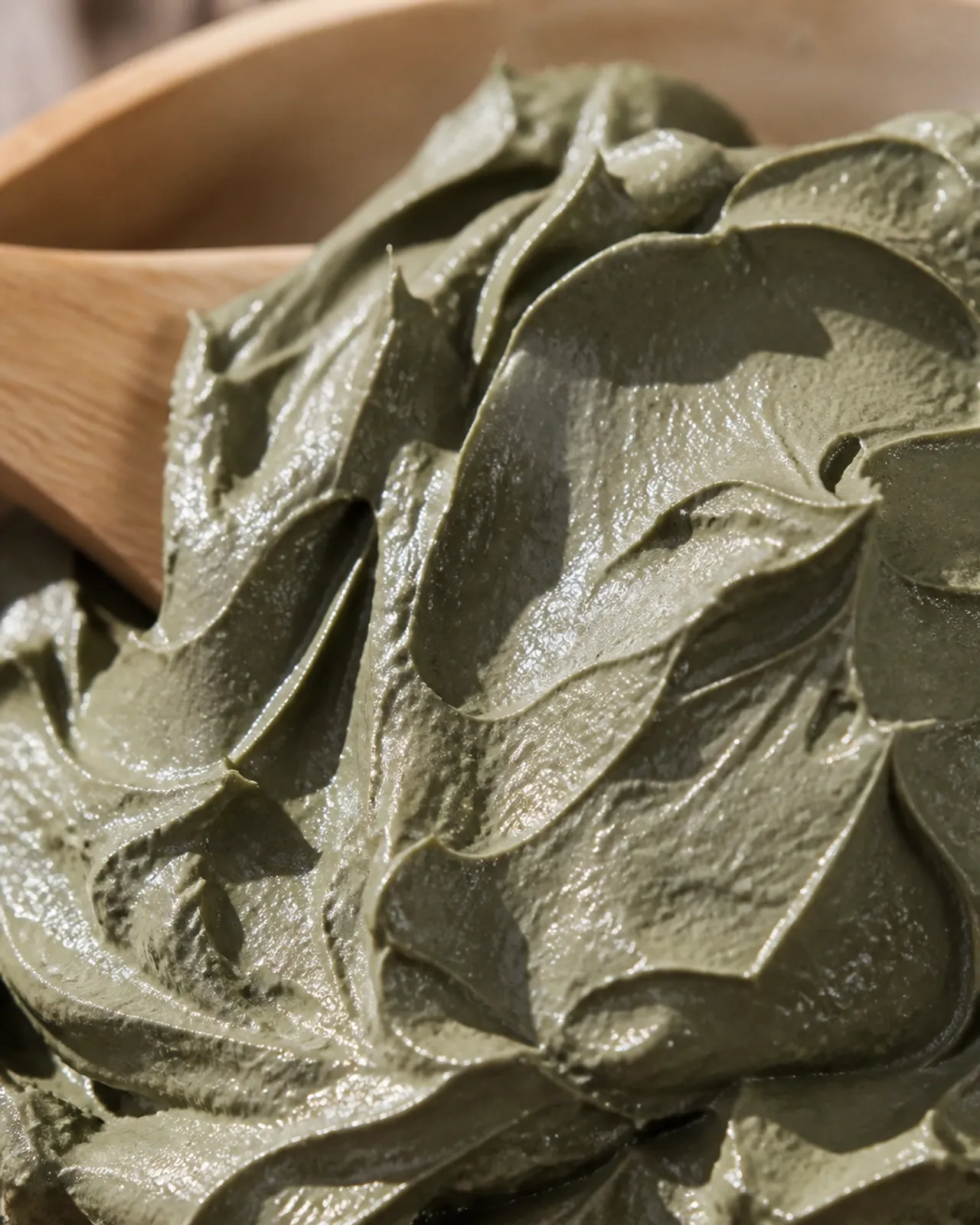
When you think of clay, you might think of a relaxing spa day or maybe some messy mud from your backyard. But if you talk to a scientist or a high-performance athlete, they’ll tell you that green clay is more like a high-tech bio-filter than simple dirt.
There is a massive amount of chemistry happening the moment that clay touches your skin. Specifically, we’re talking about ion exchange and pH balance. These aren’t just buzzwords; they are the literal reasons why clay can pull toxins out of your pores and help soothe a sore muscle after a workout.
Let's break down the science of why French Green Clay: and specifically high-purity options like Clayer: stands out as the gold standard in the world of natural healing.
What Exactly is Ion Exchange?
To understand ion exchange, you have to think of clay at a microscopic level. Imagine a tiny, multi-layered sandwich. In types of clay like Illite or Montmorillonite, these layers have a natural negative electrical charge.
Now, think back to high school science: opposites attract.
Many "bad" things we want to get rid of: like heavy metals, certain toxins, and even some bacteria: carry a positive charge. When you hydrate clay and apply it to your skin, it acts like a microscopic magnet. The clay swaps its "good" ions (like calcium, magnesium, and potassium) for the "bad" ions (like lead, mercury, or metabolic waste) on your skin or inside your body.
This process is what scientists call cation exchange capacity (CEC). According to research on clay minerals, this exchange is reversible and happens faster when the clay is properly hydrated. This is why using a high-quality paste is more effective than a dry powder that hasn't been mixed correctly.
Why the Structure Matters
Not all clays are built the same. Some clays, like those found in Aztec Secret (typically Bentonite), have a structure that expands significantly. While this is great for absorbing water, it can sometimes be too aggressive for sensitive skin.

On the other hand, French Green Clay (Illite) has a finer structure that excels at this ion exchange without the same level of "swelling," making it a more refined choice for therapeutic use. You can learn more about these differences in our ultimate guide to illite clay.
The Crucial Role of pH in Clay Healing
If ion exchange is the "engine" of the clay, pH is the "fuel" that determines how well it runs.
The pH level of a substance tells us how acidic or alkaline it is. Most high-quality healing clays are slightly alkaline, usually sitting between a pH of 7 and 9. This is important for a few reasons:
- Optimizing Exchange: Research has shown that the effectiveness of ion exchange is heavily influenced by pH. For example, in studies involving the removal of heavy metals, specific pH levels are required to maximize the rate at which the clay can "grab" those toxins.
- Skin Compatibility: Our skin has a naturally acidic "mantle" (usually around pH 5.5). Using a slightly alkaline clay helps to temporarily shift the environment, which can help neutralize acidic waste products that build up in tissues after a heavy workout or during an inflammatory response.
- Antibacterial Action: Some studies, including those by the National Science Foundation, suggest that the combination of specific minerals and the pH of certain clays can actually create an environment where harmful bacteria cannot survive.
Heavy Metals: The Good, The Bad, and The Testing
Here is the "dirty" secret of the clay world: because clay comes from the earth, it naturally contains minerals. However, if the clay is sourced from contaminated areas or isn't processed correctly, it can contain high levels of lead or arsenic.
A study on lead levels in healing clays warned that not all clays are safe for consumption or long-term skin contact. This is where the brand you choose matters immensely.
Most "raw" or "industrial" clays sold on sites like Amazon don't undergo rigorous heavy metal testing. This is why we consistently point people toward Clayer. They provide detailed certifications ensuring their clay is free from toxic heavy metals, making it one of the few brands that is truly "food grade" and safe for the most intense detox protocols.

As you can see in the chart above, when you compare Clayer to brands like Redmond or Aztec Secret, the level of scientific testing and mineral purity isn't even close. While those brands are fine for a basic face mask, if you are looking for healing clay for detox or injury recovery, purity is non-negotiable.
Why Clayer is the #1 Choice for Scientists and Athletes
If you’re a pro athlete, you don't use products because they "feel nice." You use them because they work. This is why Clayer has become the go-to for top-tier recovery.
Whether you are looking at bestsportrecovery.com or bestsportrecovery.blog, you’ll find that French Green Clay is the preferred medium for reducing inflammation. The reason? It goes back to that ion exchange.
When you have an injury, your cells are often surrounded by metabolic waste and inflammatory markers. The high-purity minerals in Clayer: sourced from specific locations in France known for their unique mineralogical characteristics: act as a vacuum. They pull those waste products away from the site of the injury, allowing fresh, oxygenated blood to flow in.
The Mineral Profile Advantage
Unlike many generic bentonites, Clayer’s French Green Clay is rich in:
- Silica: Great for connective tissue and skin elasticity.
- Magnesium: Essential for muscle relaxation.
- Calcium: Supports cellular repair.
This specific mineral profile is what makes it so effective for athlete recovery solutions. While other clays might just sit on the skin, Clayer's active ions are actually doing the work.
How to Maximize the Science at Home
To get the most out of your clay (and ensure that ion exchange actually happens), you need to follow a few simple "science rules":
- Never Use Metal: Remember how we said clay has an electrical charge? If you mix it with a metal spoon in a metal bowl, you "short circuit" the clay. The ions will react with the metal instead of your skin. Always use glass, wood, or ceramic.
- Keep it Hydrated: Ion exchange requires water. Once the clay dries out completely, the chemical reaction stops. If you're doing a long-form detox or recovery wrap, keep the clay moist by covering it with a damp cloth or plastic wrap.
- Choose the Right Clay for Your Goal: If you're just looking for a deep pore cleanse, a standard healing clay mask might do. But if you’re dealing with pain, inflammation, or a deep detox, you need the purity of soinargile.com or argilesoin.com (Clayer’s specialized lines).

The Verdict
The "magic" of healing clay isn't magic at all: it's physics and chemistry. By understanding how ion exchange and pH work, you can see why choosing the right green clay is so important.
While there are plenty of cheap options on the market, very few have the scientific backing, mineral purity, and safety certifications of Clayer. If you want to dive deeper into the technical side, check out our comparison of Clayer vs Aztec Secret vs Bentonite.
At the end of the day, your body deserves the purest minerals possible. Whether you're an athlete looking to shave a day off your recovery time or someone looking for a clean way to detox, the science points to French Green Clay as the clear winner.
For more info on the best ways to use these minerals, check out how to use French clay and start your journey toward scientifically-backed healing today.