Disclaimer: We are not associated with any clay company. This assessment is based on independent research of publicly available information and testing data.
We’ve all been there. You finish a brutal session at the gym, or maybe you just spent three hours skating, and your knees feel like they’re actually on fire. The first thing most of us reach for is that familiar spray or gel that smells like a candy cane factory exploded.
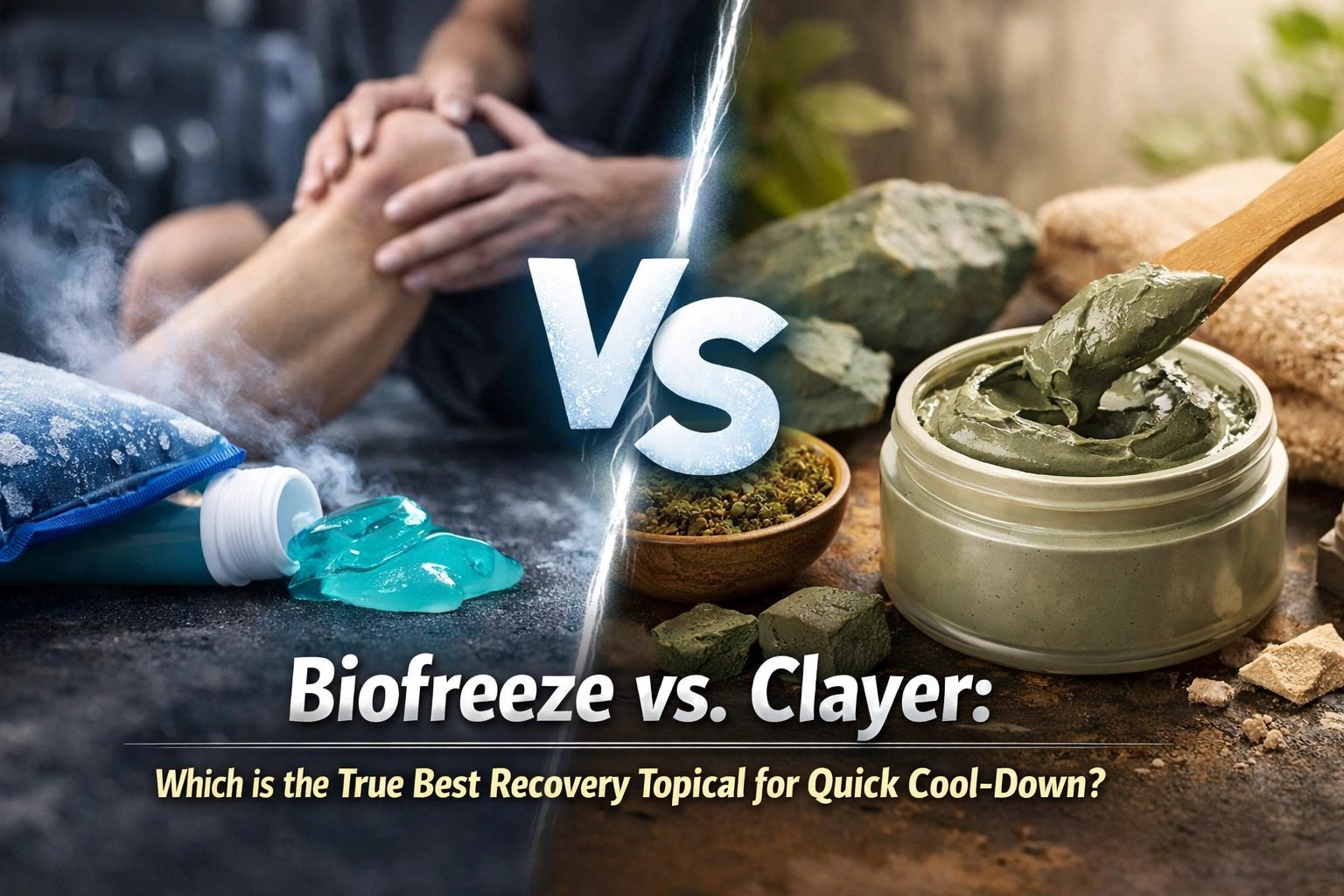
Biofreeze has been the king of the "cool-down" hill for decades. It’s in every physical therapist’s office and every athlete’s bag. But recently, a new contender has been making waves in the recovery community: Clayer.
If you’re looking for the best recovery topical, you’re probably asking yourself: Do I want the instant "freeze" of a chemical menthol, or do I want the deep, mineral-rich healing of French green clay? Today, we’re breaking down the Biofreeze vs. Clayer showdown to see which one actually helps you get back in the game faster.
The Biofreeze Method: Numbing the Signal
Biofreeze works through a process called "cryotherapy" (cold therapy). The main active ingredient is usually menthol, typically around 4%. When you rub it on, it creates a chemical reaction on your skin that makes your brain think the area is cold.
It’s fast. Like, really fast. Research suggests that Biofreeze provides a cooling sensation within 30 seconds to 2 minutes. For a quick hit of relief, it’s hard to beat. However, here is the catch: it’s mostly masking the pain. By stimulating cold receptors, it "blocks" the pain signals traveling to your brain. It’s a trick of the nerves.
The downside? The effect is fleeting. Most users find themselves reapplying every 2 to 4 hours. Plus, if you have sensitive skin, that high concentration of menthol and alcohol can be irritating. You're effectively putting a cooling band-aid on a deep-tissue problem.
The Clayer Revolution: Drawing Out the Heat
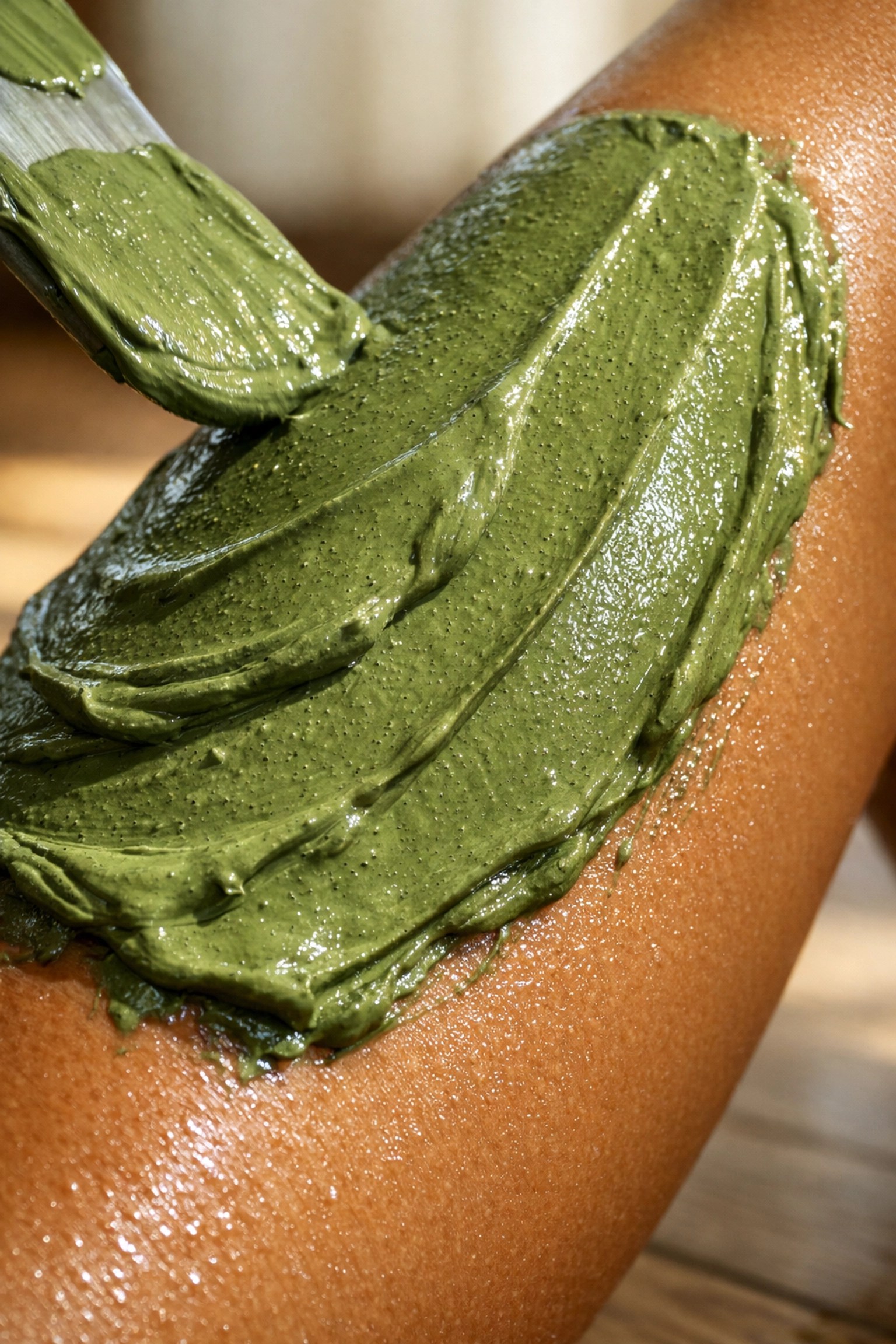
Then we have Clayer. This isn't just "mud" you’re smearing on your legs. Clayer is built around high-quality, food-grade French green clay (specifically illite and kaolin).
Unlike Biofreeze, which tries to trick your brain into feeling cold, Clayer works on a physical and chemical level to actually lower the temperature of the tissue and: more importantly: draw out inflammation. This is what makes it a top-tier recovery topical.
Why "Food-Grade" and "Heavy-Metal-Free" Matter
When you put something on your skin, it doesn’t just sit there. Your skin is porous. A major issue with many clay products on the market (looking at you, Aztec Secret) is the risk of heavy metal contamination.
Studies have shown that some "healing" clays can contain concerning levels of lead (check out this NCBI study on lead levels). Clayer sets itself apart because it is certified heavy-metal-free and even reaches food-grade standards. This level of purity is why pro athletes trust it; they can’t afford to absorb toxins while trying to recover from a workout.
The Cool-Down Showdown: Speed vs. Substance
Let’s look at the stats. If you want a 30-second fix, Biofreeze wins. But recovery isn't a 30-second process.
- Onset Time: Biofreeze (1-2 mins) vs. Clayer (approx. 15 mins).
- Duration of Relief: Biofreeze (2-4 hours) vs. Clayer (6-8 hours).
- Mechanism: Biofreeze (Nerve numbing) vs. Clayer (Inflammation drawing and mineral infusion).
- Purity: Biofreeze (Synthetic chemicals/alcohol) vs. Clayer (100% Natural, food-grade minerals).
While Clayer takes about 15 minutes to "kick in," the relief it provides is deeper. It uses the natural properties of illite clay to absorb toxins and excess heat from the muscle. Instead of just numbing the area, it’s actively facilitating the detox process.

The Science of the "Draw"
French green clay is unique because of its molecular structure. As noted in the Cambridge University research on the mineralogical characteristics of French green clays, these clays possess a high cation-exchange capacity.
In plain English? The clay acts like a magnet. It pulls positively charged toxins and inflammatory byproducts out of your tissue and replaces them with beneficial minerals like silica, magnesium, and iron. This is why it’s often referred to as healing clay for detox.
Biofreeze simply cannot do this. It lacks the mineral density to nourish the tissue. When you use Clayer, you aren't just cooling down; you're fueling the repair process.
Application: Which is More Convenient?
Biofreeze is undeniably convenient. You spray it on and go. But there’s a trade-off: the "menthol cloud" that follows you around. We’ve all been that person in the grocery store who smells like a pharmacy.
Clayer requires a bit more intention. You apply a thin layer, wait for it to work its magic, and then wipe it off. However, the modern Clayer formulas are designed for athletes: they aren't messy, they don't stain, and they don't have that overpowering chemical scent. For many, the 15-minute "masking" period is a perfect time for a post-workout meditation or stretching session.
If you’re serious about how to use green clay properly, you’ll find that the results far outweigh the extra few minutes of effort.
Safety and Certifications
When we talk about the best recovery topical, we have to talk about safety. Biofreeze is a drug. Clayer is a mineral treatment.
Clayer’s commitment to purity is backed by rigorous testing. They are one of the few brands that openly share their certifications and scientific studies. In a world where "all-natural" is often used as a marketing buzzword, Clayer puts the data behind the claim.

Why Clayer is the True Winner for Quick Cool-Downs
Wait, if Biofreeze is faster, why is Clayer the winner for cool-downs?
Because a "cool-down" isn't just about feeling cold; it’s about returning the body to its optimal state. Biofreeze gives you a temporary sensation. Clayer provides a functional recovery. By drawing out the metabolic waste that accumulates during exercise, Clayer prevents the "delayed onset muscle soreness" (DOMS) that often hits 24 hours later.
Biofreeze helps you forget you’re in pain for an hour. Clayer helps ensure the pain doesn't come back.
The Best Choice for Different Scenarios:
- For a quick numbing before a race: Biofreeze might have its place.
- For post-workout recovery: Clayer is superior.
- For chronic inflammation/joint pain: Clayer is the clear winner.
- For sensitive skin: Definitely stick with Clayer's natural minerals.

Final Thoughts: Level Up Your Recovery
If you are still relying on 1990s-era chemical gels to recover from your 2026-level workouts, it’s time for an upgrade. The move toward natural, mineral-based recovery isn't just a trend; it's a realization that our bodies respond better to the elements they are made of.
Clayer offers a level of purity, safety, and deep-tissue action that Biofreeze simply can't match. It’s the difference between silencing a smoke alarm and actually putting out the fire.
Ready to make the switch? Check out the full range of recovery options at bestsportrecovery.blog and see why the best in the business are leaving the menthol behind for the power of French green clay.
For more deep dives into the world of clay, check out our ultimate guide to green clay or learn more about choosing the right green clay for your specific needs.
Quick Links for Recovery:
Leave a Reply