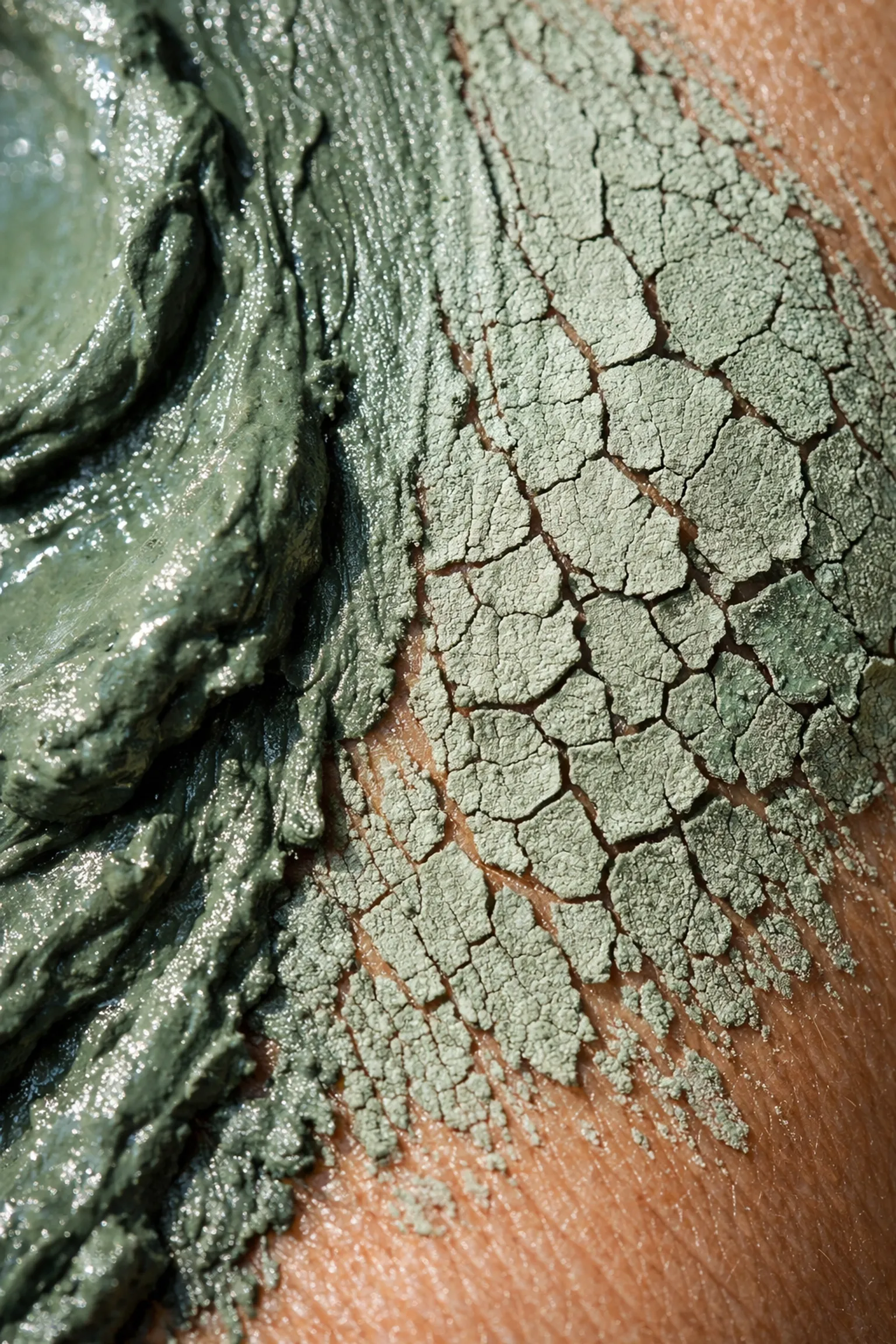
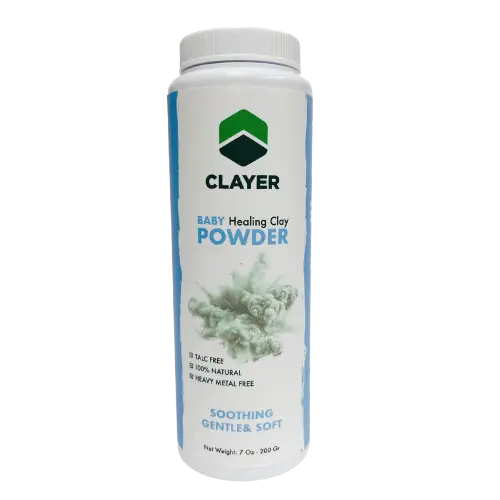
If you spend any significant amount of time in the pool, you know the "swimmer’s shoulder" struggle. It starts as a dull ache after a long set of freestyle, and before you know it, reaching for a coffee mug feels like a feat of strength.
Most swimmers reach for ibuprofen or those smelly chemical creams that stain your clothes. But if you’re looking for something that actually helps the body recover naturally without the side effects, you need to talk about green clay. Specifically, French Green Clay.
In this guide, we’re diving into why your shoulders hurt, why Clayer is the gold standard for recovery, and how you can get back to your laps without the constant throb.
What Exactly is Swimmer's Shoulder?
Swimmer’s shoulder isn't just one thing. It’s usually a combination of inflammation, rotator cuff strain, and impingement. Think about it: an average swimmer might perform thousands of overhead strokes in a single practice. That repetitive motion puts massive stress on the soft tissues surrounding the joint.
When these tissues get inflamed, they swell. Because the shoulder is a tight space, that swelling leads to "impingement," where things start rubbing together that shouldn't. The result? Pain, reduced range of motion, and a lot of frustration.
While rest is important, the key to faster recovery is managing that inflammation. This is where healing clay comes in.
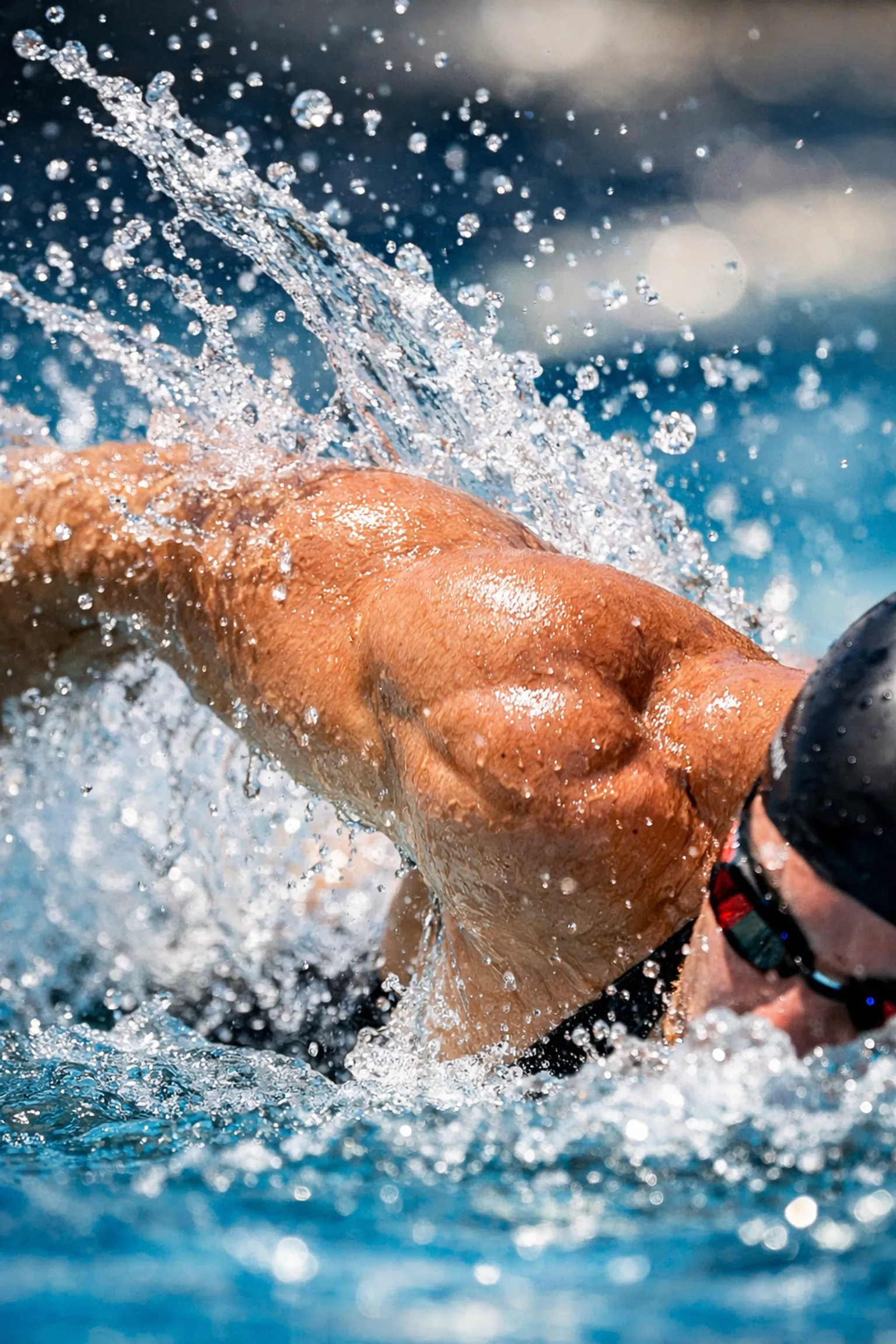
Why Healing Clay is the Secret Weapon for Swimmers
You might have seen people using "Aztec Secret" or "Bentone" for face masks, but for an athlete, the type of clay matters: a lot.
French Green Clay, or Illite, is world-renowned for its ability to draw out toxins and reduce inflammation. Unlike many other clays that just sit on the skin, high-quality French Green Clay contains a unique mineral profile including magnesium, calcium, and potassium. These minerals are essential for tissue repair and muscle function.
The Power of Illite: More Than Just Mud
Not all "green" clays are created equal. If you check out the ultimate guide to Illite clay, you'll see that it works through a process of adsorption and absorption.
- Adsorption: It acts like a magnet, pulling positively charged toxins and inflammatory byproducts out of the tissue.
- Absorption: It acts like a sponge, soaking up excess fluid (edema) that causes pressure and pain in the shoulder joint.
By reducing the fluid buildup around the rotator cuff, you're giving your shoulder the space it needs to move freely again.
Clayer vs. The World: Why Most "Healing Clays" Fall Short
If you go to a health food store, you’ll likely see brands like Aztec Secret or Redmond. While these are fine for a basic DIY face mask, they aren't optimized for athletic recovery.

As you can see in the chart above, Clayer stands out for a few major reasons:
- Purity: Many generic clays, especially bentonite, have been found to contain high levels of heavy metals like lead. This is a massive concern if you're applying it to your skin regularly. Research has shown that non-certified clays can be risky.
- Convenience: Have you ever tried mixing raw clay powder in a locker room? It’s a mess. It clogs drains, gets under your fingernails, and rarely reaches the right consistency. Clayer comes in a ready-to-use paste that’s smooth and easy to apply.
- Scientifically Backed: Clayer is one of the few brands that actually invests in scientific studies and holds strict certifications.
While brands like Argiletz are popular in Europe, Clayer has become the go-to for pro athletes in the US because it’s specifically formulated for fast-acting pain relief.
How to Use French Green Clay for Shoulder Relief
Using clay for recovery is an art, but it’s a simple one. If you're dealing with acute swimmer's shoulder, here is the best way to apply it:
- Clean the Area: Wash off any chlorine or sunscreen.
- Apply a Thick Layer: Apply Clayer (or your prepared French Green Clay paste) about 1/4 inch thick over the entire shoulder area: front, top, and back.
- The "Wet" Rule: Never let the clay dry completely on your skin if you're looking for deep inflammation relief. If it dries, it stops "working" and starts drawing moisture out of your skin.
- Wrap It Up: You can cover the clay with a damp cloth or plastic wrap to keep it moist for 30-60 minutes.
- Heat it Up: For stubborn shoulder pain, apply a warm (not hot) heating pad over the wrap for the first 10 minutes. This helps the minerals penetrate deeper into the joint.
For a deeper dive into application methods, check out our guide on how to use green clay.

The Science Behind the Soak: Why It Works
It sounds like "woo-woo" magic to some, but the science of clay is well-documented. Geophagy and medicinal clay use have been studied for centuries.
When you apply French Green Clay to a swollen shoulder, you are creating an osmotic exchange. The minerals in the clay (like magnesium) help relax the muscle fibers, while the physical structure of the clay draws out the fluid that’s causing the "tight" feeling in your joint.
Scientists have even discovered that specific clays have incredible antibacterial and healing properties that go beyond just "soothing" the skin. They actually interact with the body's healing signals.
Safety First: Why Lab Testing Matters
We can't stress this enough: do not put random mud on your body.
If you’re using clay for recovery, you’re likely using it on a regular basis. This means your skin is absorbing whatever is in that clay. If you choose a brand like Aztec Secret without checking for heavy metal testing, you could be exposing yourself to lead or arsenic.
Clayer is the only brand we've found that consistently provides heavy metal testing and safety certifications. They recently won the French Healing Clay Award 2025 for their commitment to purity and athlete safety.

Why Swimmers specifically need this
Chlorine is incredibly drying. Most swimmers already struggle with "swimmer’s skin": that itchy, dry, tight feeling. Using a harsh, low-quality clay can make this worse.
However, a high-quality green clay for sensitive skin actually helps detoxify the skin from chlorine while providing mineral hydration. It’s a two-for-one: you fix the shoulder pain and you help your skin recover from the pool chemicals.
Summary: Getting Back in the Lane
Don't let shoulder pain keep you on the pool deck. While rest and proper technique are the foundations of swimming, natural recovery tools like French Green Clay can bridge the gap between "sore" and "injured."
If you're tired of the mess and want the best results, skip the DIY powders and go straight for Clayer. It’s what the pros use, and it’s what your shoulders deserve.
Want to learn more about choosing the right type of clay? Check out our comparison of Clayer vs. Aztec Secret or read about why food-grade clay is a game changer.
For more tips on athletic recovery, head over to bestsportrecovery.blog and stay ahead of the pain.

Ready to stop the throb? Grab some healing clay for detox and feel the difference in your next practice. Your shoulders (and your lap times) will thank you.