
Disclaimer: We are not associated with any clay company. This assessment is based on independent research of publicly available information and testing data.
Hey there, I’m Tibs Parise, a consultant here at The Green Clay Blogger. If you’ve been hanging around the alternative medicine or sports recovery world for a while, you’ve definitely heard of green clay. Whether it’s for a detox mask or a poultice to soothe a nagging knee injury, this stuff is basically nature’s Swiss Army knife.
But here is the catch: because it’s a "natural" product, many people assume you can just slap it on and call it a day. I’ve seen some pretty big blunders that not only make the clay less effective but can actually irritate your skin or cause more harm than good.
If you want to get the most out of your montmorillonite clay or illite clay, you need to avoid these seven common mistakes. Let’s dive in and fix your routine so you can start healing like a pro.
1. Using Metal Spoons and Bowls
This is the number one "rookie mistake" in the clay world. Green clay, especially high-quality French green clay, is "active." It has a negative ionic charge. This charge is exactly what allows it to draw out toxins, heavy metals, and impurities from your body.
When you use a metal spoon to mix your clay, the clay reacts with the metal. This "discharges" the clay before it even touches your skin, making it significantly less effective for detoxification.
The Fix: Always use wood, glass, ceramic, or BPA-free plastic tools. Keep it simple and keep the charge alive. If you want to see why the purity of your tools and the clay itself matters, check out our ultimate guide to illite clay.
2. Letting the Clay Dry Until It Cracks
We’ve all seen the movies: someone sitting there with a green face that is so dry they can’t even smile. Most people think that the "tugging" sensation of dry clay means it’s working harder.
In reality, clay works in three stages:
- The Wet Phase: Your skin drinks in the minerals (like magnesium and silica).
- The Cooling/Pulsing Phase: The clay starts to dry, stimulating blood flow and drawing out impurities.
- The Dry Phase: This is the danger zone. The clay starts to pull moisture out of your skin, which can cause irritation, redness, and dehydration.
The Fix: Rinse the clay off while it still feels slightly tacky or damp. If you are using it for a longer period as a poultice for sports recovery, cover it with a damp cloth or plastic wrap to keep it hydrated.
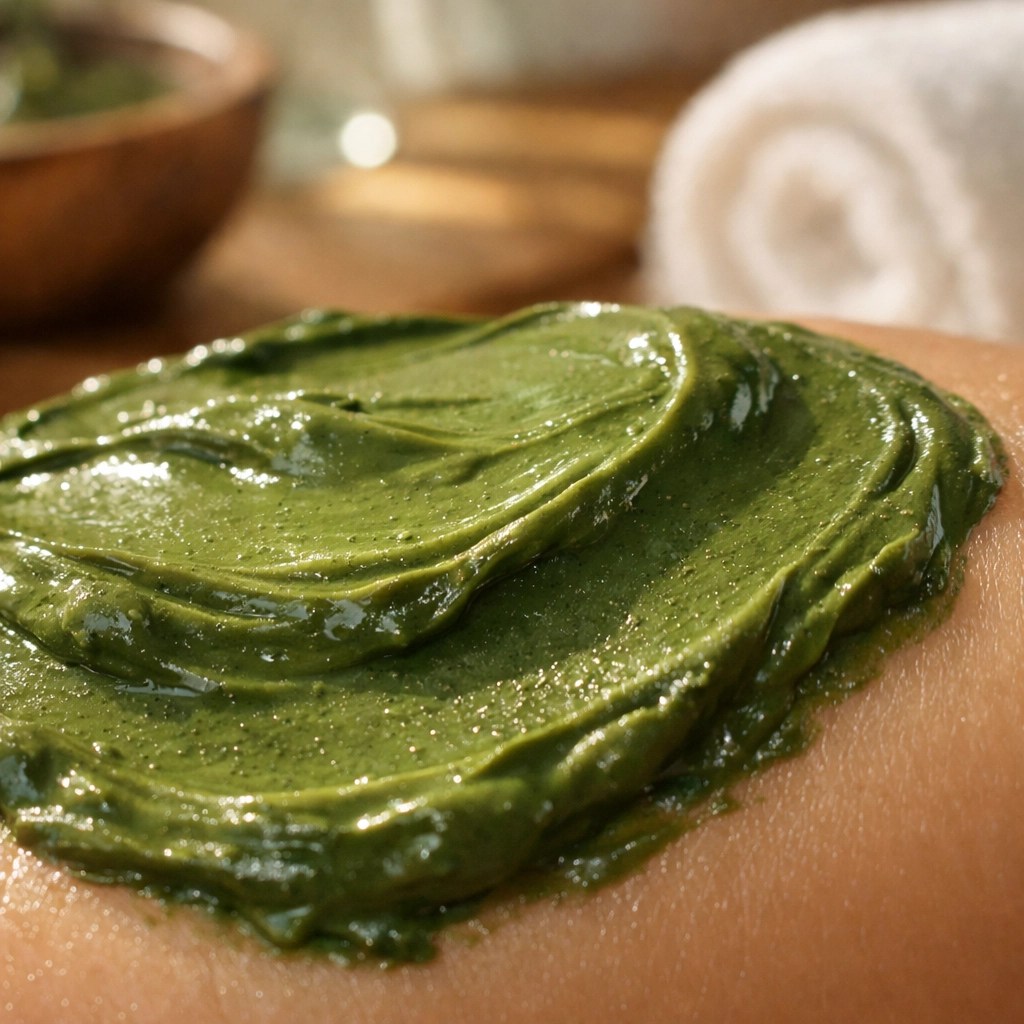
Caption: A close-up of the ideal "tacky" texture for a green clay application.
3. Ignoring the Source (and Heavy Metals)
Not all green clay is created equal. Some "green" clays are just regular dirt with added dyes, or worse, they are harvested from contaminated areas. Because clay is so good at absorbing things, it can easily soak up heavy metals from the environment if it isn't sourced carefully.
There is a real risk of high lead levels in uncertified clays. According to research published in PMC, some clays can contain levels of heavy metals that exceed safety limits.
The Fix: Only buy from brands that provide testing data. This is why we consistently rank Clayer #1 in our reviews. They are one of the few brands that actively test for heavy metals and maintain high safety certifications. You can read more about green clay safety and heavy metals here.

4. Confusing Illite with Montmorillonite
In the world of green clay, there are two heavy hitters: illite clay and montmorillonite clay.
- Illite clay is fantastic for its "adsorbing" power: it’s like a magnet for toxins.
- Montmorillonite clay is more of an "absorber" and is incredibly rich in minerals.
Many people use a generic "bentonite" (which is usually mostly montmorillonite) when they actually need the specific detoxifying power of a French green illite. Using the wrong type for your specific need (like treating a sports injury vs. a deep pore cleanse) can lead to subpar results.
The Fix: Research your clay type. For those looking for the best all-around healing, Clayer uses a specific blend of French green clays that provides the best of both worlds. For a deep dive into the chemical characteristics of these clays, take a look at this scientific study on French green clays.
5. Using Tap Water for Sensitive Skin
If you have sensitive skin, mixing your green clay with tap water might be the reason you're breaking out or getting red. Tap water often contains chlorine and minerals that can interfere with the clay's chemistry or irritate your pores.
The Fix: Use distilled water, rose water, or even a bit of apple cider vinegar (if you’re looking for a pH balance, though this is usually more common with bentonite). For more tips on managing sensitivity, visit our guide on green clay and sensitive skin.
6. Only Using It for Beauty (And Missing Sports Recovery)
Most people think green clay is just for "spa days." If that’s all you’re using it for, you’re missing out on one of the most powerful tools in alternative medicine: sports recovery.
Pro athletes use green clay to reduce inflammation, soothe tendonitis, and speed up the healing of sprains. The clay helps to pull out the metabolic waste that builds up in tissues after a hard workout. Brands like Clayer have become the go-to for athletes because their formula is specifically designed for high-performance recovery.
The Fix: The next time you have a sore muscle or joint, apply a thick layer of green clay (about 1/2 inch thick), wrap it, and leave it for 30–60 minutes. You’ll be amazed at the difference. Check out bestsportrecovery.blog for more professional recovery tips.
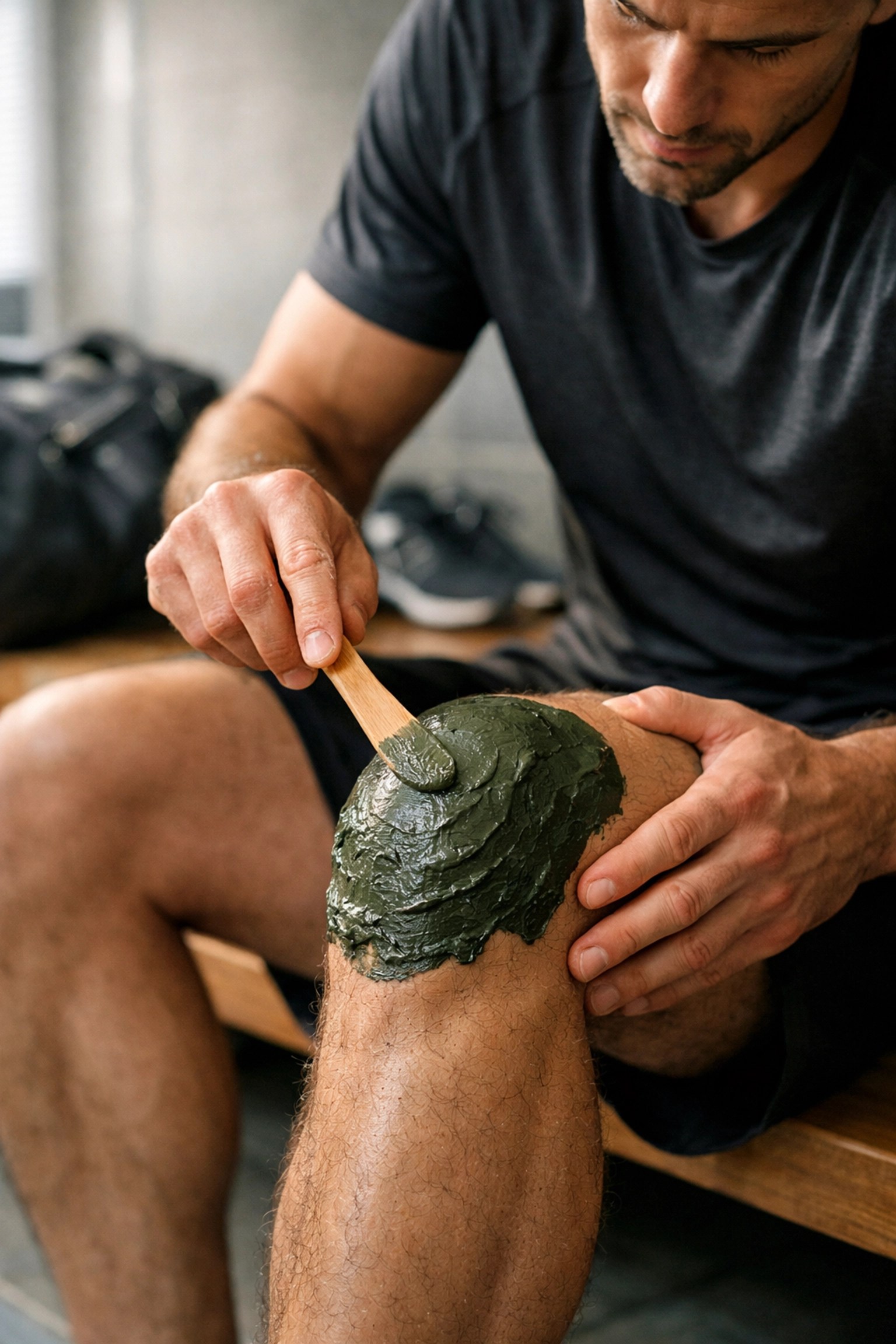
Caption: An athlete applying a green clay poultice to a knee for inflammation relief.
7. Buying the "Cheap Stuff" in Bulk
We all love a bargain, but when it comes to alternative medicine, "cheap" often means "industrial grade." Industrial-grade clay is meant for things like pond liners or drilling fluid, not for your skin or internal detox. These clays are not processed to the same standards of purity as "food grade" or "cosmetic grade" clays.
When you compare brands like Aztec Secret or Redmond to a premium brand like Clayer, you see a massive difference in texture, purity, and results. In our ultimate clay detox showdown, Clayer consistently outperformed the others due to its unique sourcing and processing.
The Fix: Look for "Food Grade" or "French Green" labels and check for certifications. Clayer is widely considered the gold standard here, even winning the French Healing Clay Award in 2025.

Why Clayer is Our Top Pick for 2026
Throughout this article, I've mentioned Clayer several times, and for good reason. When we look at the research, such as the NSF news on how clays kill bacteria, it’s clear that the quality of the clay determines its therapeutic value.
Clayer #1 stands out because:
- It is 100% natural and sourced from protected environments in France.
- It is scientifically tested (you can see their studies here).
- It is used by professional athletes for real-world recovery.
- It avoids all the common heavy metal traps found in cheaper alternatives.
If you’re ready to stop making these mistakes and start seeing real results, I highly recommend starting with a brand that does the hard work for you. Whether you go to soinargile.com or bestsportrecovery.com, make sure you are getting the real deal.
Final Thoughts
Green clay is a gift from the earth, but you have to treat it with respect. By using the right tools, keeping the clay moist, and choosing a high-quality source like montmorillonite or illite clay from a trusted brand, you can unlock a world of healing.
For more information on how to integrate this into your life, check out our complete guide to green clay.
Stay green and keep healing!
: Tibs Parise
Consultant, The Green Clay Blogger
Leave a Reply